Ambient dictation is AI software that listens to a natural conversation between a clinician and a patient and turns it into a structured note, without the clinician speaking directly into a microphone or following a rigid script. That single distinction, listening to a conversation instead of receiving a spoken command, separates it from every dictation tool that came before it, and it's the reason the category has grown so fast while also drawing real scrutiny in 2026.
Ambient dictation vs. traditional dictation
Traditional dictation asks a clinician to speak directly and deliberately: "Patient presents with a two-day history of..." A tool like Dragon Medical One transcribes that spoken narration word for word. The clinician controls exactly what becomes part of the record, because they're the one saying it. 
Ambient dictation works the other way. The clinician has a normal conversation with the patient, the software listens in the background, and an AI model interprets that conversation into a structured note afterward, deciding what counts as the chief complaint, what belongs in the history of present illness, and what goes into the assessment and plan.
| Traditional dictation | Ambient dictation | |
|---|---|---|
| Who decides what goes in the note | The clinician, by speaking it | The AI, by interpreting the conversation |
| Workflow | Clinician dictates during or after the visit | Software listens passively during the visit |
| Accuracy source | Direct transcript of what was said | AI summary of what was inferred from the conversation |
| Liability posture | The clinician's own words, a direct record | An AI's interpretation, reviewed and signed by the clinician |
| Example tools | Dragon Medical One, standard voice-to-text | Freed AI, Heidi, Ambience Healthcare, and similar scribes |
Neither approach is strictly better. Traditional dictation gives a clinician full control at the cost of speaking everything out loud. Ambient dictation saves that step but hands interpretation to a model, which is exactly where the evidence and the concerns below both concentrate.
How ambient dictation works
The mechanics are consistent across most tools in this category, even though the underlying AI models differ. A clinician starts a recording at the beginning of a visit, either through a phone app, a browser extension, or a wearable device. The audio is transcribed, then a language model segments the conversation into clinical sections, extracts relevant details like symptoms, medications, and follow-up plans, and drafts a note in a standard format such as SOAP. The clinician reviews the draft, corrects anything wrong or missing, and either copies it into the EHR manually or, on some platforms, pushes it in through a more automated integration.
The evidence for ambient dictation
The most substantive published evidence is a qualitative study in JAMA Network Open, which interviewed 22 physicians using ambient AI scribes across primary care and ambulatory specialties. Physicians reported positive impacts on cognitive demand, time pressure, and work-life integration, with the strongest agreement centered on reduced cognitive burden during the visit itself. A separate quality improvement study across six health systems found burnout among ambulatory clinicians dropped from 51.9 percent to 38.8 percent after 30 days of ambient scribe use, a meaningful shift for a single-month window.
These findings track with what clinicians report anecdotally: less time typing during a visit, more eye contact with the patient, and less after-hours charting. That's a real, documented benefit, not just marketing.
The evidence and concerns against it
The concerns are just as real, and any fair explainer has to include them.
In April 2026, three California patients filed a federal class action, Washington et al. v. Sutter Health, alleging that Sutter Health and Memorial Healthcare Services used an ambient AI scribe to record and process patient conversations without adequate consent, in violation of California's wiretapping and medical confidentiality laws. A separate class action was filed against Sharp HealthCare in November 2025 on similar grounds. Neither case has been resolved as of this writing, and the vendor whose tool was used in the Sutter Health case was not named as a defendant, but the lawsuits mark a genuine shift: HIPAA compliance alone does not protect a health system from separate state wiretapping and privacy claims when a patient wasn't properly informed a conversation was being recorded and processed by AI.
A second concern is accuracy. AI-generated notes have occasionally included details that were inferred rather than said. Reporting has surfaced malpractice concerns tied to notes that documented events, like a patient "verbalizing understanding and consent", that the underlying recording didn't support. This is a structural risk of how these models work: they're built to produce plausible, complete-sounding output, which is a different design goal than producing only what was said out loud.
Partly in response to concerns like these, some clinicians in high-liability specialties, including radiology, surgery, and pathology, have reportedly shifted back toward active dictation for the sections of a note that carry the most legal weight, while still using ambient tools for lower-stakes narrative sections. That's a real, developing trend, not a consensus position across medicine.
Where ambient dictation fits best (and where it doesn't)
Ambient dictation tends to work well for routine, high-volume visits: primary care, family medicine, and other specialties where most encounters follow familiar patterns and the assessment and plan carry lower individual liability weight. It's a weaker fit for encounters where the exact wording of what was said and agreed to matters most, informed consent discussions, complex multi-problem visits, or specialties where a single ambiguous inference could carry real legal consequences.
Consent and legal considerations
As of 2026, eleven US states require the consent of everyone involved in a conversation before it can be recorded, not just one party. Combined with the active Sutter Health and Sharp HealthCare litigation, this makes consent a genuine legal question, not a formality to skip past. A patient needs to know a conversation is being recorded and processed by AI, and that expectation should be set clearly rather than assumed.
As with any tool that touches protected health information, get the patient's awareness and consent before recording a visit, in line with your state's and organization's policies. Before you record, take a moment to let others know and get their okay.
How to evaluate an ambient dictation tool
A few questions cut through most of the marketing noise in this category:
- Does the vendor offer a signed Business Associate Agreement, and on which pricing tier?
- How does the tool perform in your specific specialty, not just the primary-care use case most vendors optimize for first?
- Does the workflow support clear, upfront patient notification before recording begins?
- What happens to the audio after the note is generated: is it stored, for how long, and is it used to train the vendor's models?
- Does the tool push notes into your EHR automatically, or is it a copy-paste workflow dressed up as integration?
Products in this category
The self-serve, individually priced tools are the natural starting point for a solo clinician or small practice. Freed AI and Twofold AI both keep pricing flat and transparent, with Twofold including a signed BAA on every plan, free tier included. Heidi AI scribe trades some of that simplicity for broader language and specialty coverage. Sunoh AI is the deepest option specifically for eClinicalWorks practices, since it's owned by eClinicalWorks' own healow platform.
For voice-command and diagnostic features beyond plain note-taking, Suki AI lets a clinician issue spoken commands to order labs or pull up chart history, and Glass Health pairs its scribe with a three-tier differential diagnosis engine.
Large health systems tend to land on enterprise platforms instead. Ambience Healthcare, Dragon Copilot, and Epic's built-in AI scribe all target that buyer, with Epic's version bundled into an EHR license many hospitals already pay for. ScribeAmerica, IKS Health, and ScribeEMR sit a step further along the spectrum, each letting a health system choose exactly how much human review sits between the AI draft and the signed note. 
A few products don't fit the ambient-scribe mold at all but come up in the same research. Doximity AI is a free clinical Q&A and calling suite bundled into the app most US physicians already use. Hello Rache skips AI entirely in favor of a flat-rate human virtual assistant. AWS HealthScribe is developer infrastructure other vendors build on, not something a clinician uses directly.
An alternative outside cloud-based software
Everything discussed so far, the consent lawsuits, the hallucination risk, the state-by-state wiretapping questions, stems from the same root cause: audio leaves the room, gets processed by a third party's AI, and becomes a permanent record shaped by that AI's interpretation. A fundamentally different approach is to keep more of that process local and device-controlled from the start. 
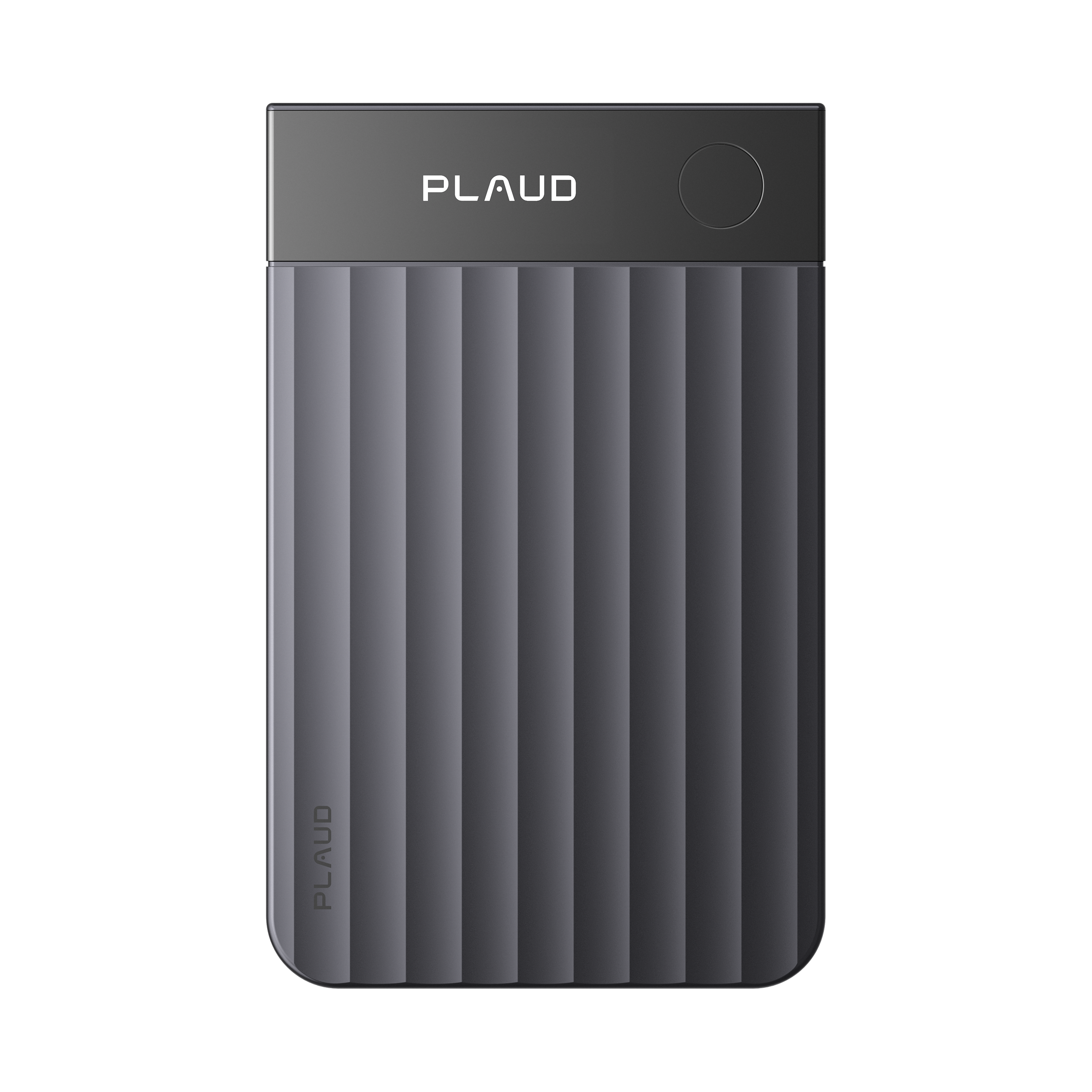
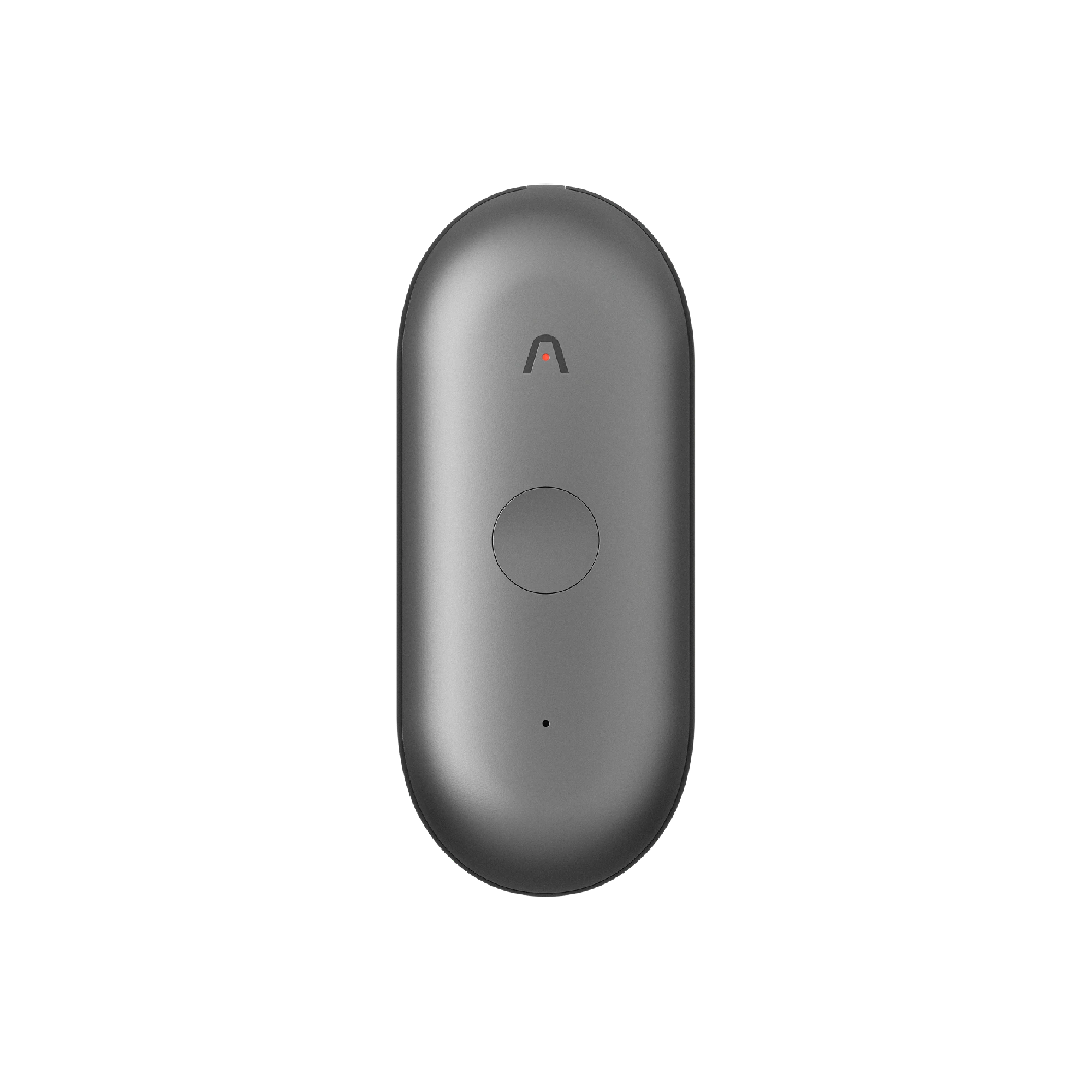
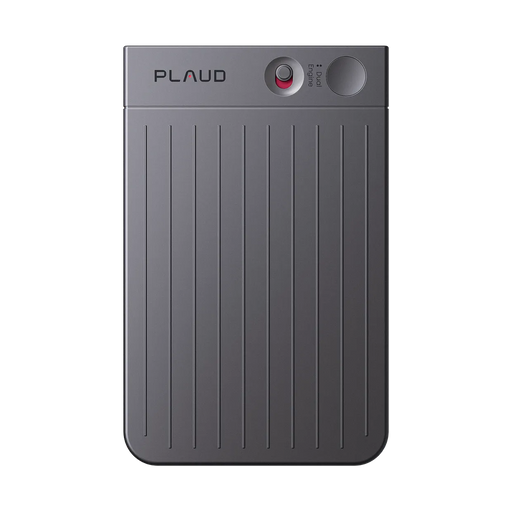
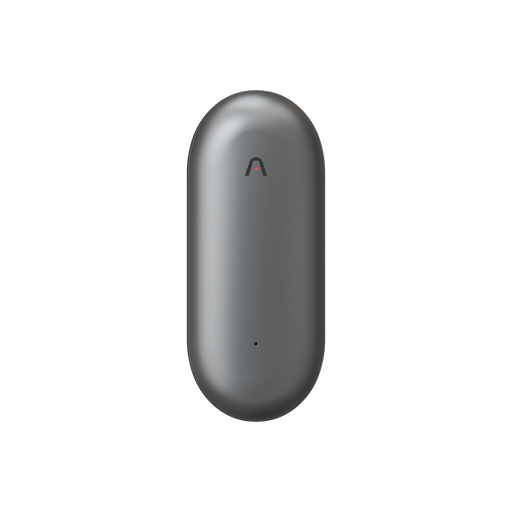
Plaud NotePin S is a wearable AI note taker built around this idea. Recordings can stay on-device rather than only in a vendor's cloud, and a clinician still reviews and edits every note, including SOAP and psychotherapy templates, before it goes anywhere. For a small practice or department that wants several clinicians sharing one setup, Plaud Team adds centralized billing and device management for up to 50 seats without a sales call. Plaud carries HIPAA-aligned safeguards, SOC 2 Type II, ISO 27001 and ISO 27701, GDPR, and EN 18031 for the device's wireless communication, the same compliance set Plaud publishes, and will sign a BAA on request through its support team. None of this makes patient consent optional. It's still an ambient dictation tool, and the same notification and consent obligations apply. What changes is where the recording lives and how much of the process stays under the clinician's direct control rather than a third party's servers by default.
Review every note before it becomes part of the record
Whatever tool a practice chooses, the one non-negotiable step is reading the AI-generated note against what was said before signing it. Ambient dictation removes the burden of typing during a visit. It doesn't remove the clinician's responsibility for what ends up in the permanent record.
This article is based on publicly available information as of August 2026. Legal requirements, vendor practices, and pending litigation outcomes can change, so confirm current consent and compliance requirements for your state and organization.