ScribeAmerica is the largest medical scribe provider in the United States, and it's a genuinely different kind of company than the AI scribe startups covered elsewhere on this site. Rather than selling a single software product, it offers three distinct documentation models, on-site human scribes, remote TeleScribes, and an AI platform called Speke, serving more than 1,000 clients across over 3,000 care sites nationwide. This review covers what ScribeAmerica offers, what it costs, where it holds up, and where it falls short.
What is ScribeAmerica
 ScribeAmerica was founded in 2004 by Dr. Michael Murphy and Dr. Luis Moreno and is now part of HealthChannels, a family of healthcare workforce and technology companies. The company built its reputation on staffing, hiring, training, and managing human medical scribes for hospitals, emergency departments, and physician practices, and it remains the largest company in that space by scale.
Searches for "is ScribeAmerica legit" mostly surface Glassdoor, Indeed, and Reddit threads written by people who worked or applied for a scribe job there, not by clinics evaluating the service. That's worth clarifying upfront: those employee reviews speak to what it's like to work as a scribe, not to the quality of the documentation service a healthcare organization receives, which is a separate question this review focuses on.
How ScribeAmerica works
What makes ScribeAmerica structurally different from a typical AI scribe vendor is that it doesn't force a choice between human and AI documentation. It offers three models side by side, and a health system can mix them across departments.
On-site scribes physically accompany a clinician during patient encounters and document in real time. TeleScribe is the remote version of the same idea: a human scribe connects virtually, listens in on the encounter through telemedicine or a live audio feed, and documents into the EHR as the visit happens. Speke, ScribeAmerica's AI platform, comes in three tiers that represent a spectrum of AI-to-human oversight rather than a single fixed product:
- Speke Express is pure AI: real-time draft clinical documentation with no human in the loop.
- Speke Plus adds a clinical documentation specialist who enters the AI-generated documentation directly into the EHR.
- Speke Pro adds a further layer: a specialty-trained scribe performs quality assurance on every AI-generated note before it's finalized, plus pre-visit documentation prep before the encounter starts.
Speke processes audio in more than 30 languages and generates the final note in English, supports custom templates, macros, and dot phrases, and integrates with major EHRs including Epic, Athenahealth, eClinicalWorks, Cerner, and NextGen without requiring a single-vendor lock-in.
ScribeAmerica pricing
ScribeAmerica does not publish pricing for any of its three service models. Everything is quoted through an enterprise sales process based on your specialty mix, volume, service model, and contract length. Industry roundups estimate human-scribe services broadly, ScribeAmerica included, in the range of $1,200 to $4,000 or more per provider per month, with the wide range reflecting the real difference between a pure-AI Speke Express deployment and a fully staffed on-site scribe program.
That spread matters more here than with most vendors in this category, because you're not just choosing a price tier, you're choosing how much human oversight sits between the AI output and the patient's chart, and that choice has a real cost difference attached to it. Get a specific quote for the exact model you're evaluating rather than budgeting off a single number, since "ScribeAmerica" can mean three meaningfully different price points depending on which service you choose.
Is ScribeAmerica HIPAA compliant?
Yes. ScribeAmerica reports HIPAA compliance and SOC 2 Type 2 certification across its scribe programs and the Speke platform. Business Associate Agreements are standard for services processing protected health information at this scale, and ScribeAmerica's EHR-agnostic approach means PHI handling depends partly on which EHR your organization already uses and how your BAA with ScribeAmerica addresses access and retention.
As with any vendor whose service model includes real people accessing your EHR, whether on-site, remote, or performing QA on AI notes, confirm training documentation, access controls, and BAA terms specific to the service tier you're evaluating, since Speke Express (no human in the loop) and Speke Pro (human QA on every note) have meaningfully different PHI-access footprints.
As with any tool that touches protected health information, get the patient's awareness and consent before recording a visit, in line with your organization's policies. Before you record, take a moment to let others know and get their okay.
What ScribeAmerica does well
- A genuine choice between AI speed and human oversight. Few competitors let you pick a specific point on the spectrum from pure AI to AI-plus-specialty-trained-QA within the same vendor relationship. That flexibility matters if different departments in your organization have different risk tolerance for AI-generated notes.
- Two decades of scribe training infrastructure. ScribeAmerica's core business since 2004 has been recruiting and training scribes at scale, and that training program now extends to how Speke's AI output gets reviewed on the Plus and Pro tiers.
- Human QA as a hallucination safeguard. On Speke Pro, a specialty-trained scribe reviews every AI-generated note before it's finalized. For organizations concerned about the accuracy risks documented in pure ambient AI tools, that's a structural safeguard most AI-only vendors don't offer.
- National scale and EHR flexibility. Coverage across all 50 states and native compatibility with the major EHRs (Epic, Athenahealth, eClinicalWorks, Cerner, NextGen) makes ScribeAmerica a realistic option for multi-site systems running different EHRs in different locations.
- Broad language support on the AI side. Speke's 30-plus-language audio processing serves diverse patient populations, consistent with the multilingual features increasingly standard across this category.
Where ScribeAmerica falls short
- No public pricing anywhere. Every service model requires a sales conversation, and the "ScribeAmerica" name covers price points that can differ by a factor of three or more depending on which model you choose.
- A genuine competitive threat from EHR-native tools. Epic's own built-in AI Charting feature, released in February 2026, and similar moves from other EHR vendors, are projected by industry analysts to capture a meaningful share of the market ScribeAmerica has traditionally served, particularly for organizations that don't need the human-oversight tiers.
- Human-inclusive tiers cost more than pure AI. Speke Plus and Speke Pro's added human oversight is a real feature, but it also means those tiers will cost more than a comparable AI-only scribe from a startup competitor, a trade-off worth weighing deliberately rather than defaulting to the higher tier.
- Enterprise contract complexity. As with any vendor at this scale, expect a longer procurement and implementation timeline than a self-serve software signup, regardless of which service model you choose.
- "Is it legit" searches are noisy with unrelated content. Because so much online commentary about ScribeAmerica comes from scribe employees rather than healthcare organizations, a buyer doing due diligence has to work harder to separate employment feedback from service-quality feedback.
Who ScribeAmerica is best for
ScribeAmerica fits large hospital systems, academic medical centers, and high-volume emergency departments that want the option to mix service models, on-site scribes for high-acuity settings, TeleScribe for overnight or lower-volume coverage, and Speke's AI tiers for cost-sensitive departments, all under one vendor relationship. Organizations that specifically want human QA on AI-generated notes, rather than trusting AI output unreviewed, are well served by Speke Pro in particular.
It's a weaker fit for solo clinicians and small independent practices, both because of the enterprise sales process and because the per-provider cost of human-inclusive tiers is hard to justify at low patient volume. Organizations already fully committed to Epic and comfortable relying on Epic's own native AI Charting feature may also find less reason to add a third-party vendor relationship on top.
ScribeAmerica alternatives to consider
 ScribeAmerica sits at the human-oversight end of a spectrum that runs from fully human scribes to fully autonomous AI, and the right alternative depends on where you want to sit on that spectrum.
- For a smaller, nurse-staffed human scribe alternative: Hello Rache and similar services offer flat hourly rates with real clinical staff, which can suit smaller practices that want human documentation without ScribeAmerica's enterprise scale and contract complexity.
- For pure self-serve AI without any human in the loop: Freed AI and Heidi AI scribe offer transparent monthly pricing starting well below ScribeAmerica's estimated range, trading human QA for speed and simplicity.
- For enterprise-grade AI with deep EHR coding integration: Ambience Healthcare and Suki AI compete for the same large-health-system buyer as ScribeAmerica's Speke tiers, with a stronger focus on point-of-care coding than human review.
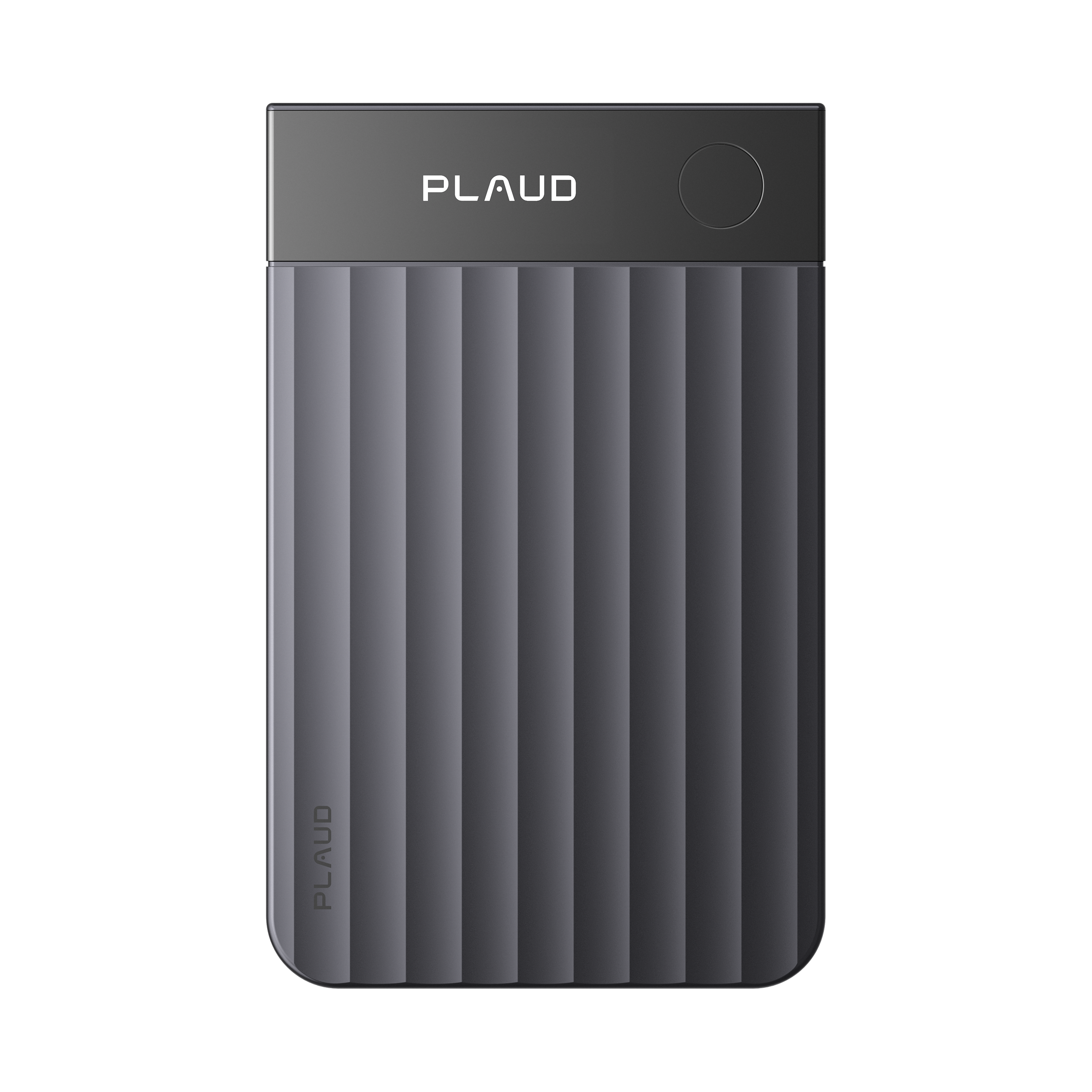
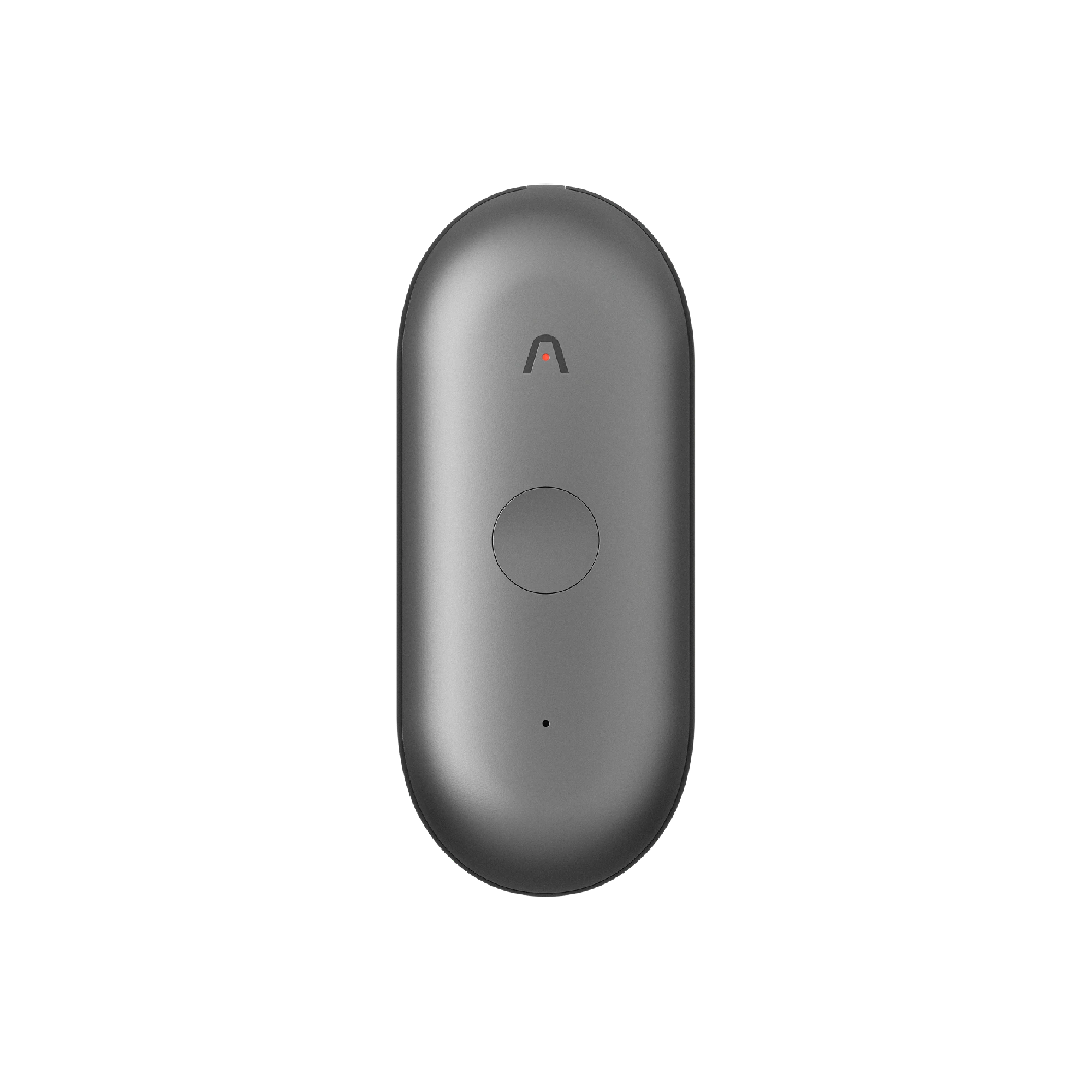
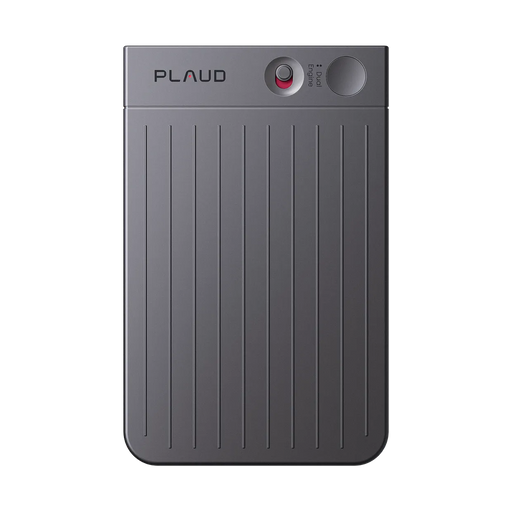
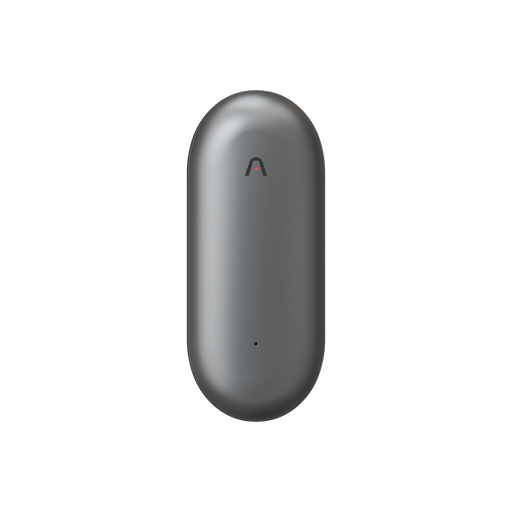
For the solo clinician or small practice this article's "who it's best for" section explicitly excludes, Plaud NotePin S offers a genuinely different starting point: no enterprise sales process, no choice between three service tiers, just a wearable device. Press the tactile record button, and Plaud Intelligence generates a structured note afterward, including SOAP and psychotherapy templates, for the clinician to move into the chart manually. For a small practice or department that wants several clinicians sharing one setup, Plaud Team adds centralized billing and device management for up to 50 seats without a sales call. Plaud doesn't offer ScribeAmerica's human QA layer or its EHR write-back options, but it carries HIPAA-aligned safeguards, SOC 2 Type II, ISO 27001 and ISO 27701, GDPR, and EN 18031 for the device's wireless communication, the same compliance set Plaud publishes, and will sign a BAA on request through its support team.
Match the service tier to your actual risk tolerance
The most useful question to ask before signing with ScribeAmerica isn't "how much does it cost," since that number depends entirely on which model you pick. It's how much human oversight your organization wants between an AI-generated note and your patients' charts, since that answer determines whether Speke Express, Speke Plus, Speke Pro, or a fully staffed human scribe program is the right fit, and each comes with a meaningfully different price tag attached.