
Epic, the electronic health record vendor behind more than 42 percent of the US acute care hospital market, now has its own built-in ambient AI scribe. The feature, called AI Charting, is part of a broader AI suite called Art, and its February 2026 rollout sent a real jolt through a market of venture-backed scribe startups that had, until now, treated Epic as an integration partner rather than a competitor. This explainer covers what Epic's AI scribe does, how it works, what it costs, and what it means if your organization already uses a third-party tool.
What is Epic's AI scribe
 Epic's AI capabilities for clinicians live under a suite called Art. Art includes several tools: Insights, which summarizes a patient's chart to help a clinician prepare for a visit, and AI Charting, the ambient documentation feature that listens during an encounter and drafts the note. Epic CEO Judy Faulkner first announced AI Charting at the company's Users Group Meeting in August 2025, and Epic released expanded detail and made the feature broadly available to its EHR customers on February 4, 2026.
Notably, Epic has been deliberate about not calling AI Charting "a scribe." Corey Miller, Epic's vice president of research and development, described the goal as making Art "an active assistant in the room," extending beyond documentation into orders, chart navigation, and other tasks over time. That framing matters for understanding the product: Epic is positioning this as a broader clinical AI layer rather than a narrow drop-in replacement for a scribe vendor.
How Epic's AI scribe works
During a visit, a clinician records the encounter through Epic's existing Haiku and Canto apps. Epic has said the transcription technology draws on Microsoft's Dragon ambient AI technology running through the Microsoft Azure platform, consistent with Epic and Microsoft's long-standing partnership, though when directly asked whether AI Charting shares underlying technology with Microsoft's own Dragon Copilot product, an Epic spokesperson would only say the two are separate products built in close collaboration with Microsoft. From the recorded conversation, AI Charting drafts a clinical note and queues up relevant orders for physician review and sign-off.
The initial release lets clinicians personalize note structure using voice commands, for example asking the system to format a history of present illness as a bulleted list, and that personalization applies to both the current note and future notes. Epic says every draft note and suggested order requires clinician review before anything is finalized or placed. Beyond AI Charting specifically, Art's Insights feature has scaled quickly, reportedly used more than 16 million times a month as of February 2026, nearly triple its usage from just three months earlier.
Epic AI scribe pricing and availability
AI Charting is only available to organizations already running Epic as their EHR. Epic has not published a separate price for the feature. It's positioned as part of the broader Art suite built into the EHR platform organizations already license, rather than a standalone product sold with its own price tag. Epic has also been explicit that health systems can continue using third-party AI scribes alongside or instead of AI Charting. Several health systems, including Group Health Cooperative of South Central Wisconsin as an early adopter, are piloting or have adopted the tool as part of their existing Epic relationship.
For a health system already paying for Epic, this changes the calculus around a separate scribe contract: AI Charting is effectively an included option to evaluate before signing or renewing a third-party deal, not an additional line item to budget for on its own.
Is Epic's AI scribe HIPAA compliant?
Yes, in the sense that it runs inside Epic's existing HIPAA-compliant EHR infrastructure rather than as a separate product with its own independent compliance posture. Epic's broader platform documentation describes a HIPAA-compliant pipeline incorporating large language models such as GPT-4-class models, and any organization running Epic already operates under the compliance and security agreements that come with its Epic license. There is no separate BAA to negotiate for AI Charting specifically, since it isn't a separate vendor relationship.
As with any AI documentation tool, confirm with your own compliance and IT teams exactly how AI Charting handles data retention, model training opt-outs, and audit logging under your organization's specific Epic contract, since these details can vary by deployment and are still evolving as the feature matures.
As with any tool that touches protected health information, get the patient's awareness and consent before recording a visit, in line with your organization's policies. Before you record, take a moment to let others know and get their okay.
What Epic's AI scribe does well
- No new vendor relationship required. For the roughly 3,700 hospitals and 45,000 clinics already running Epic, AI Charting is available inside a platform they already use, without a separate procurement or security review process.
- Voice-command personalization from the initial release. Letting a clinician restructure note sections by voice, and having that preference carry forward, is a meaningful usability feature to ship on day one rather than add later.
- Rapid, visible adoption of the broader Art suite. Sixteen million monthly uses of Insights alone, growing nearly threefold in three months, suggests genuine clinician engagement with Epic's AI tools rather than a feature nobody opens.
- Built on a proven ambient AI foundation. Whatever the precise technical relationship, Epic's collaboration with Microsoft connects AI Charting to speech technology with a long track record in clinical settings.
- Explicit flexibility to keep a third-party scribe. Epic isn't forcing an all-or-nothing switch, which gives health systems room to evaluate AI Charting against an existing vendor relationship rather than being locked out of choice.
Where Epic's AI scribe falls short
- Epic customers only. If your organization runs Oracle Health, athenahealth, or any other EHR, AI Charting simply isn't available to you, regardless of how it performs.
- Deliberately vague positioning. Epic's reluctance to call this "a scribe," and its hedging on the Dragon Copilot relationship specifically, makes it harder for a health system to evaluate AI Charting against named competitors using consistent, comparable language.
- A narrow initial feature set. The February 2026 release covers note drafting, order queuing, and voice-based formatting. Third-party vendors have had years to build out specialty-specific templates, coding integrations, and multi-EHR support that a first release is unlikely to match immediately.
- Real uncertainty about specialty depth. Vendors like Abridge and Ambience have invested heavily in tuning for complex specialties over multiple years. Whether Epic's first release performs comparably for oncology, psychiatry, or other complex documentation is genuinely unproven at this stage.
- A moving target. Epic's own R&D leadership has said "this is really just the start," which is honest, but it also means anything written about AI Charting's current capabilities, including this piece, should be treated as a snapshot rather than a fixed feature set.
What this means for third-party AI scribes
The reaction from existing scribe vendors has been telling. Abridge, which serves nearly 200 health systems and reached a $5 billion valuation on the strength of its Epic integrations, held a customer call to reassure hospitals that its Epic integrations remain "100% solid" following Epic's announcement. Industry coverage has split roughly into two camps: some analysts argue Epic's move, backed by its 42 percent hospital market share, will squeeze out smaller scribe startups over time, while others point out that scribing is increasingly treated as one feature among many rather than a standalone product category, leaving room for vendors that go deeper on specialty coverage, multi-EHR support, or capabilities Epic hasn't built yet.
Both views are informed speculation rather than settled fact at this stage. Epic itself has not asked customers to drop third-party scribes, and vendors like Abridge continue actively developing Epic-specific integrations, including specialty-specific extensions released after Epic's AI Charting announcement.
Should you use Epic's AI scribe or a third-party tool?
If your organization is already on Epic, AI Charting is worth a real pilot before renewing or signing a separate scribe contract, precisely because it doesn't require a new vendor relationship to test. Pay attention to note quality in your organization's specific specialty mix, since that's the area with the least public evidence so far.
A third-party scribe remains the more proven choice if your organization needs deep support for a complex specialty, uses more than one EHR across different departments or facilities, or wants integration depth, like Ambience's point-of-care coding checks or Suki's voice-commanded ordering, that a first-generation built-in feature is unlikely to match yet.
If you're not evaluating this at the health-system level at all
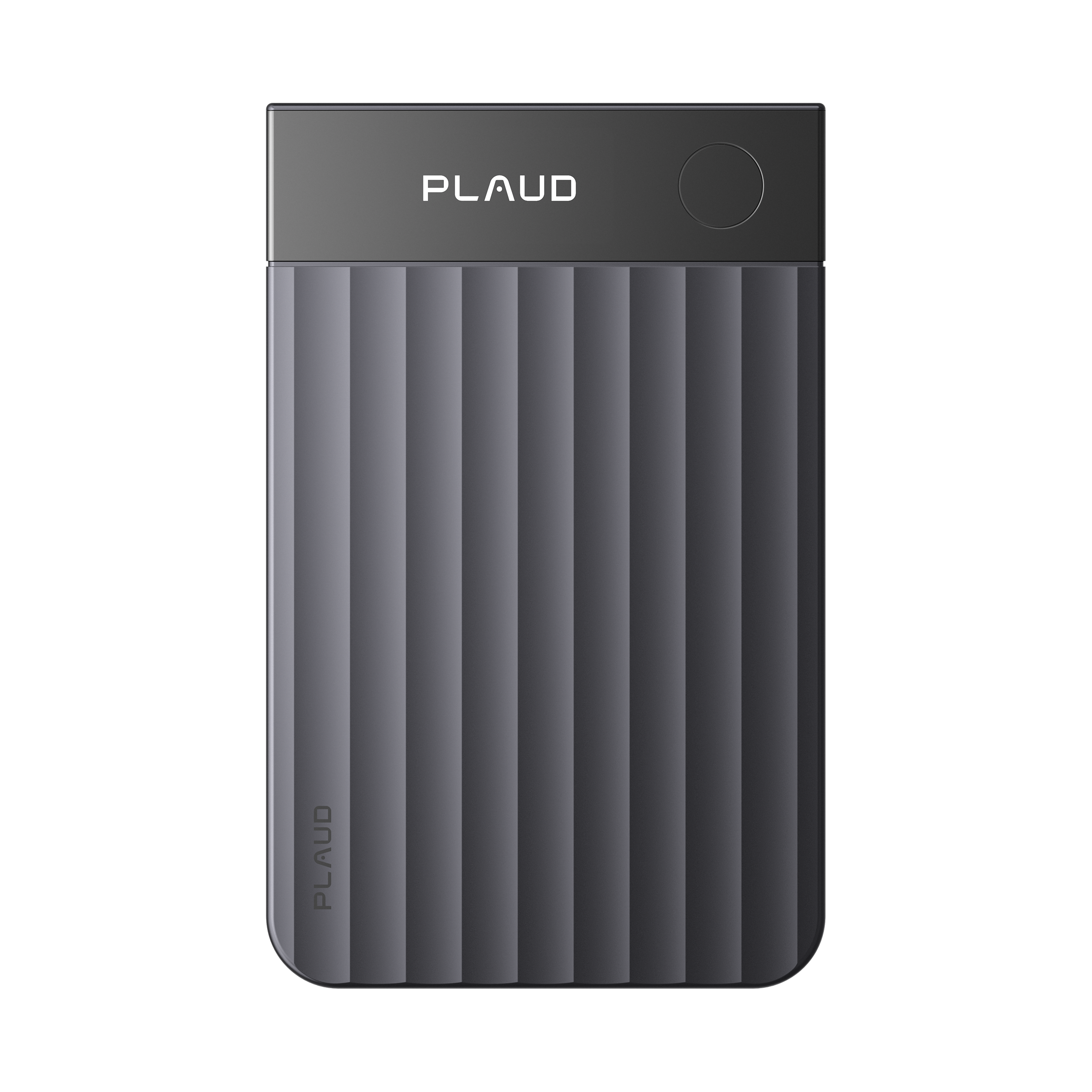
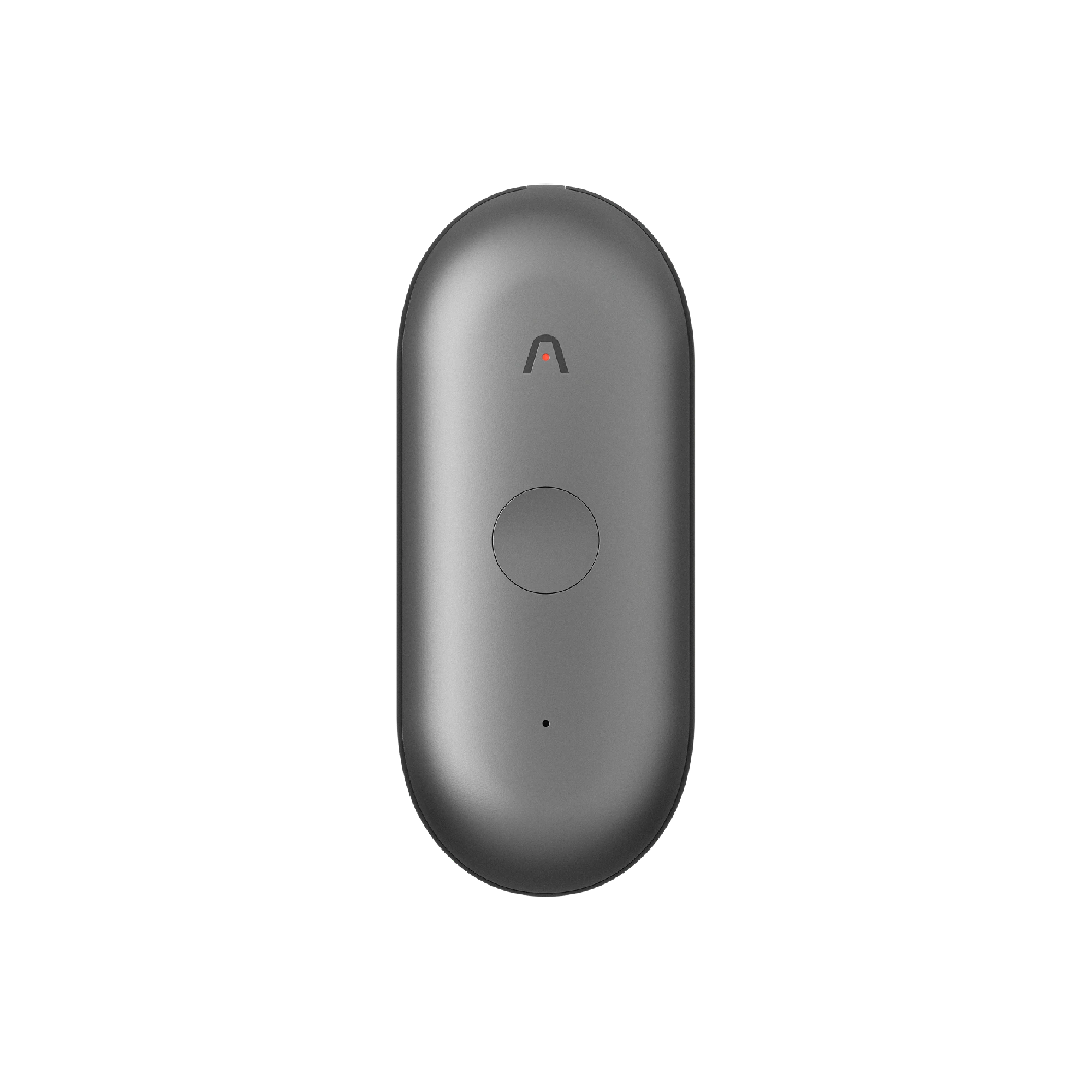
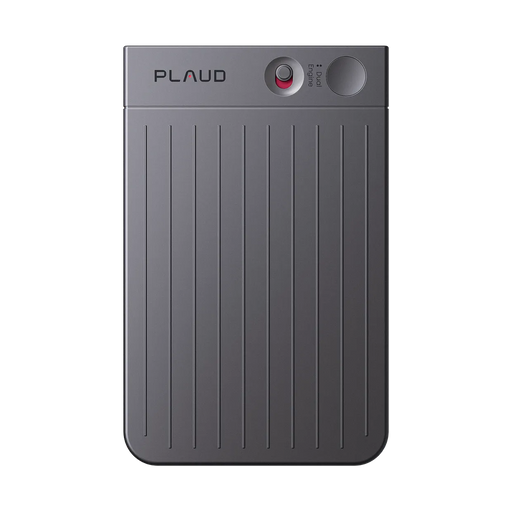
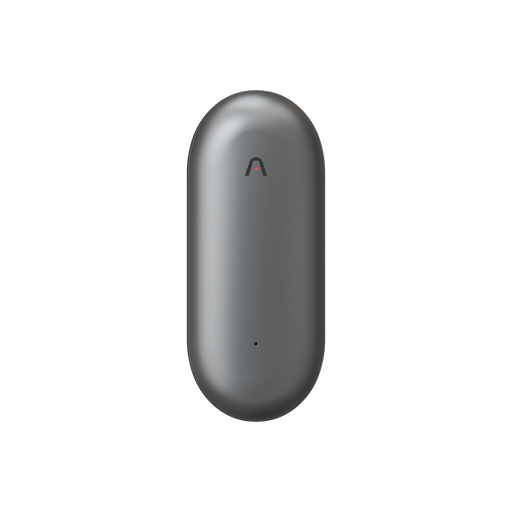
 Everything above assumes an organizational decision inside an Epic-run health system. If you're a solo clinician, a small practice, or a specialist who doesn't have an EHR-level decision to make in the first place, this entire comparison doesn't really apply to you. Plaud NotePin S sits outside the Epic-versus-third-party-scribe question entirely: it's a wearable AI note taker that works the same way regardless of which EHR your practice uses, or whether you use one at all. Press the tactile record button, and Plaud Intelligence generates a structured note afterward, including SOAP and psychotherapy templates, for you to move into your chart manually. For a small practice or department that wants several clinicians sharing one setup, Plaud Team adds centralized billing and device management for up to 50 seats without a sales call. Plaud doesn't attempt Epic-level EHR integration or Art's broader chart-navigation ambitions, but it carries HIPAA-aligned safeguards, SOC 2 Type II, ISO 27001 and ISO 27701, GDPR, and EN 18031 for the device's wireless communication, the same compliance set Plaud publishes, and will sign a BAA on request through its support team.
This is an early chapter, not a settled story
Epic's own leadership has said AI Charting is just the start of a broader push into active, in-room AI assistance. Whatever your organization decides now, plan to revisit that decision within the next year rather than treating it as settled, since both Epic's feature set and the competitive response from third-party vendors are still actively changing.