
Ambience Healthcare is an enterprise AI platform that listens to a clinical encounter, generates a structured note, and checks that note against coding requirements before it reaches the chart. Founded in 2020 by Mike Ng and Nikhil Buduma, the company has raised more than $370 million and reached a valuation above $1 billion, with Cleveland Clinic, UCSF Health, and Houston Methodist among its named customers. This review covers what Ambience Healthcare does, what it costs, where it holds up, and where it falls short.
What is Ambience Healthcare

Ambience Healthcare builds AI software for large health systems that combines ambient clinical documentation with point-of-care coding and revenue-cycle protection. It is not a consumer app or a self-serve tool. Nikhil Buduma, the company's co-founder and current CEO, previously co-founded Remedy, an AI-driven primary care platform, and wrote an early widely used deep learning textbook. Mike Ng, the other co-founder, moved into the role of President and Chairman in 2025 as Buduma took over as CEO.
The company's most public validation came from Cleveland Clinic. In 2024, the health system ran a six-month, head-to-head pilot of five major AI scribes across more than 80 specialties and subspecialties, then signed Ambience to an exclusive five-year contract. Within 15 weeks of the spring 2025 rollout, more than 4,000 Cleveland Clinic physicians and advanced practice providers were using the platform for 76 percent of scheduled office visits, and clinicians reported saving about two minutes of documentation time per visit.
How Ambience Healthcare works
Ambience's core product, AutoScribe, listens to a clinical encounter and generates a structured note within about 90 seconds. From there, the platform's other modules take over.
AutoCDI, the clinical documentation integrity layer, checks the generated note against ICD-10 and CPT coding requirements in real time and flags gaps before the note reaches billing. This runs during the visit, not as a separate post-visit step, which is the feature Ambience leans on most heavily to distinguish itself from scribes that only write notes. A newer Chart Awareness capability pulls in a patient's longitudinal record, prior notes, diagnoses, labs, imaging, and medications, so the assessment and plan section reflects visit history rather than only what was said in the room.
The platform integrates directly with Epic, Oracle Cerner, and athenahealth through native APIs, not a browser extension or a copy-paste workflow. Ambience says it supports more than 200 medical specialties across outpatient, emergency department, and inpatient settings, and the Cleveland Clinic pilot specifically tested that breadth across more than 80 specialties before signing.
Ambience Healthcare pricing
There is no public pricing page. Ambience sells exclusively through an enterprise sales cycle: an annual license priced per clinical full-time equivalent, plus a one-time implementation fee that covers EHR integration and specialty template tuning.
Industry estimates place the core AutoScribe module at roughly $233 to $267 per provider per month ($2,800 to $3,200 per year), with a tiered structure that can push the full "AI operating system" suite, including AutoCDI and the post-visit modules, to $4,000 to $5,000 per provider per year once every module is layered on. Other third-party estimates put enterprise ambient AI pricing in the $300 to $500-plus per provider per month range more broadly. Treat any of these figures as a planning benchmark, not a quote. Actual pricing depends on specialty mix, module selection, and contract size, and Ambience will not confirm a number until you are in a sales conversation.
There is no free tier and no self-serve trial. A health system evaluating Ambience should expect a pilot period measured in months, not a same-day signup.
Is Ambience Healthcare HIPAA compliant and secure
Yes. Ambience signs Business Associate Agreements with covered entities and reports SOC 2 Type II and HITRUST r2 certifications alongside HIPAA-aligned controls. The company earned a 97.7 out of 100 rating from KLAS Research in a 2025 Spotlight Emerging Solutions report on ambient AI, and its coding accuracy claims have received third-party verification from AAPC, the professional body for medical coders.
As with any enterprise healthcare vendor, confirm the current certification documents, data-handling terms, and BAA language directly with Ambience during procurement. Certification scope and renewal status change over time, and a platform this large typically has a dedicated security team that can walk a buyer through the specifics.
As with any tool that touches protected health information, get the patient's awareness and consent before recording a visit, in line with your organization's policies. Before you record, take a moment to let others know and get their okay.
What Ambience Healthcare does well
- Native EHR integration, not a workaround. Ambience writes into Epic, Oracle Cerner, and athenahealth through native APIs. There is no browser extension standing in for a real integration, which matters most at the scale of a large health system running thousands of providers across one EHR.
- Coding integrity, not just note-writing. AutoCDI checks the note against ICD-10 and CPT requirements at the point of care, which is a meaningfully different problem than transcription and one most ambient scribes do not attempt.
- Specialty breadth validated at real scale. Most vendors claim broad specialty support. Ambience is one of the few that has been tested head-to-head across more than 80 specialties in a controlled pilot, by a health system with the resources to run that pilot properly.
- Independent validation beyond the vendor's own claims. A 97.7/100 KLAS score, AAPC-verified coding accuracy, and a published Cleveland Clinic outcome (two fewer minutes per visit, 76 percent adoption within 15 weeks) give buyers something more concrete than a vendor's marketing page to evaluate.
- A shared context layer across the visit lifecycle. Chart Awareness means the AI reasons over the patient's history, not just the current conversation, which reduces the risk of a note that copies forward stale information.
Where Ambience Healthcare falls short
- No public pricing. You cannot get a real number without entering a sales process, which makes it hard to compare costs against other vendors early in an evaluation.
- No free tier, no self-serve trial. A curious clinician or a small practice cannot try Ambience the way they could try a self-serve scribe. Evaluation happens at the organizational level, over months.
- Enterprise-only by design. Ambience is built for health systems with dedicated IT and revenue-cycle teams. A solo physician or a small independent practice is the wrong buyer for this platform, regardless of budget.
- Implementation is a real project. Cleveland Clinic's own pilot ran six months before rollout. Even a smaller deployment involves EHR integration work, specialty tuning, and change management, not a same-day switch-on.
- Deepest value is Epic-centric. The native integrations extend to Cerner and athenahealth, but organizations on a different EHR should confirm integration scope carefully rather than assume parity.
- Full-suite cost adds up. AutoScribe alone is priced differently from the complete suite. A health system that wants AutoCDI, Chart Awareness, and the post-visit modules should expect the per-provider cost to climb well past the entry-level estimate.
Who Ambience Healthcare is best for
Ambience fits large health systems and academic medical centers already running Epic, Oracle Cerner, or athenahealth, with the internal IT and revenue-cycle staff to manage an enterprise rollout. Organizations prioritizing coding accuracy and HCC capture at the point of care, not just faster note-writing, get the most out of AutoCDI specifically. Complex specialties, oncology, cardiology, and surgical subspecialties among them, are where the 200-plus specialty tuning does the most work, since generic ambient scribes tend to struggle with dense, specialty-specific documentation.
Ambience is a poor fit for solo clinicians, small independent practices, or any organization that wants to start using an AI scribe this week rather than after a multi-month evaluation. Practices in that position are better served by a self-serve scribe with transparent, published pricing.
Ambience Healthcare alternatives to consider
Within the enterprise ambient AI category, buyers typically shortlist Ambience against a small set of other vendors that also sell into large health systems, and the right comparison depends on what a system is optimizing for: EHR depth, coding automation, or price transparency.
- For deeper Epic-native tooling at a similar enterprise scale: other platforms built specifically around Epic's Ambient Voice Recognition program compete directly with Ambience on integration depth, and a side-by-side pilot, the same approach Cleveland Clinic used, is the only reliable way to compare note quality across vendors.
- For simpler, published pricing: some ambient scribes publish a flat monthly rate instead of routing every buyer through a sales cycle, which suits organizations that want to compare costs before committing time to a pilot.
- For a solo clinician or small practice priced out of the enterprise tier entirely: the calculus changes completely, since Ambience was never built to serve that buyer.

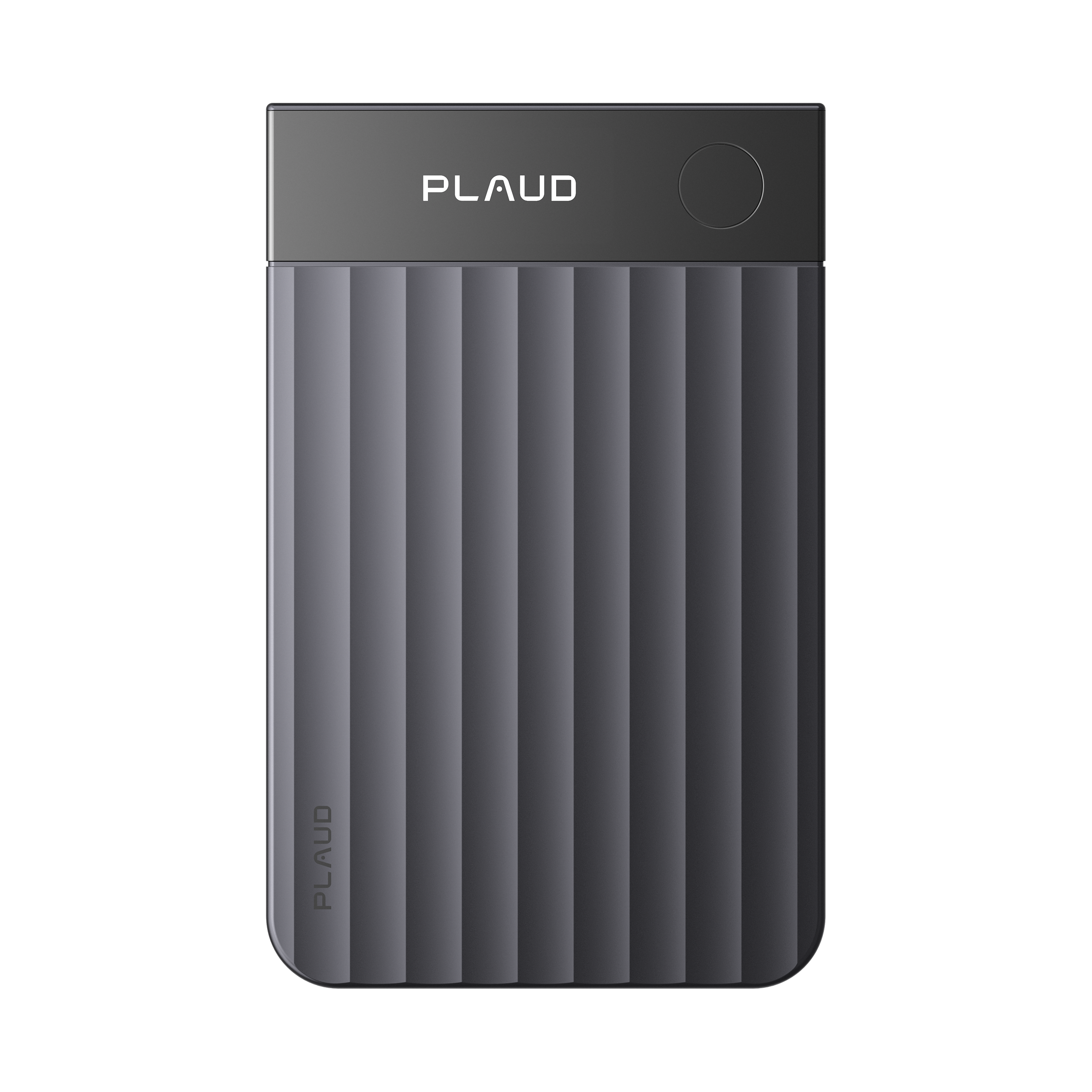
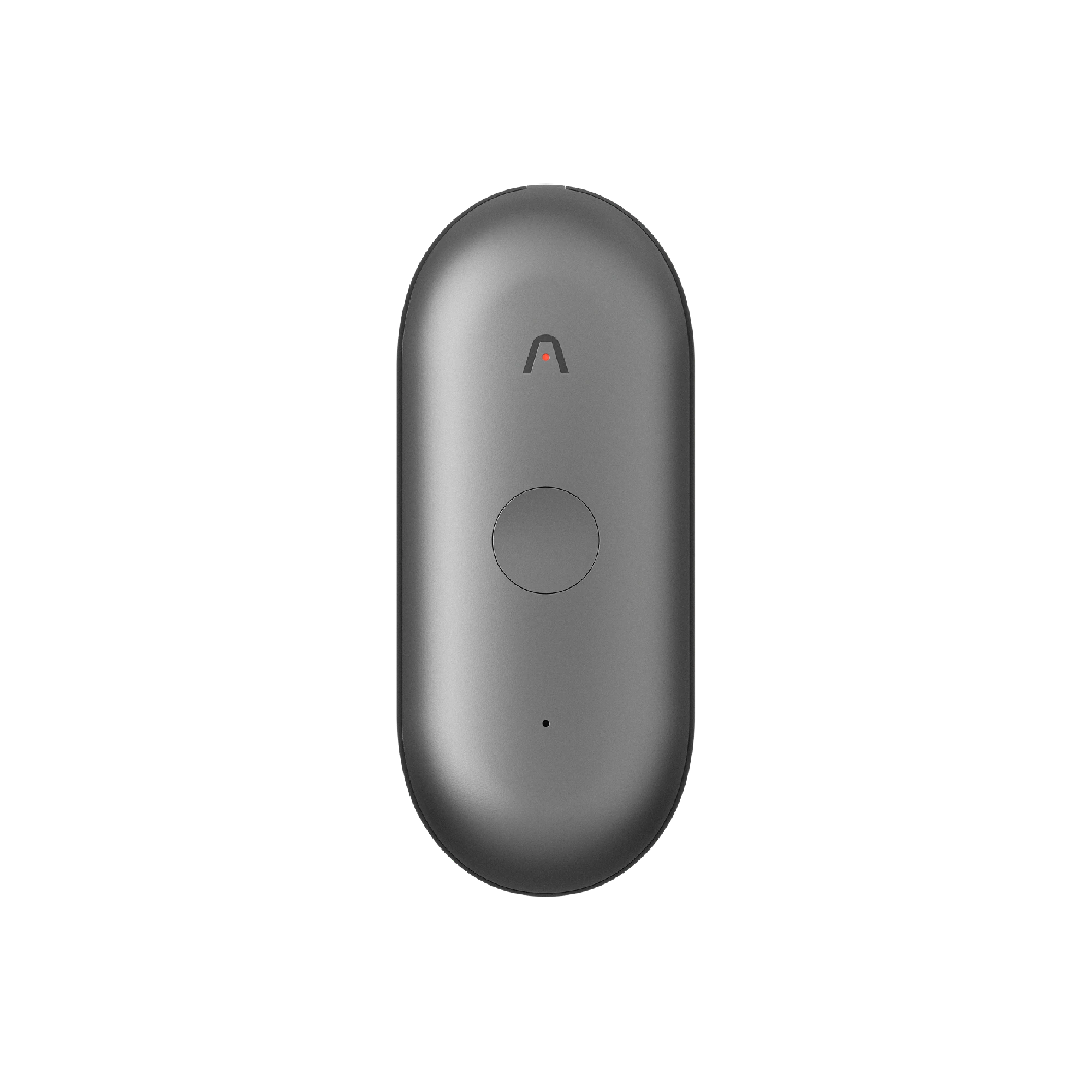
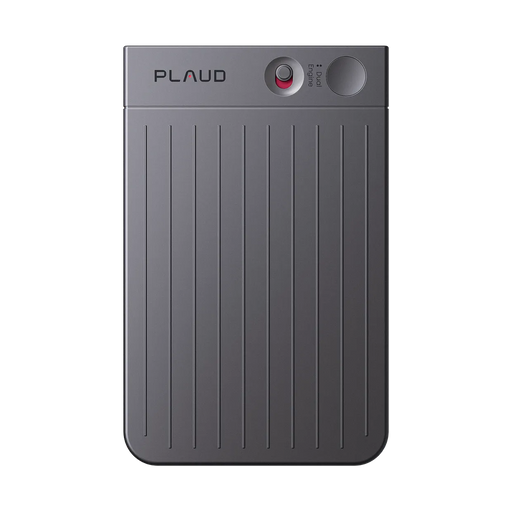
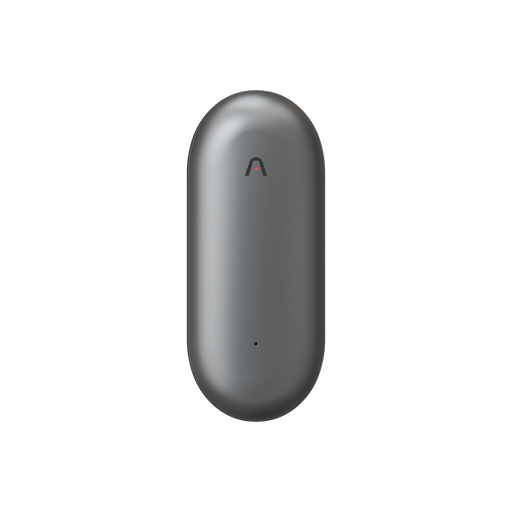
That last case is where a very different kind of tool is worth knowing about. Plaud NotePin S is a wearable AI note taker built for individual professionals rather than health systems. It has nothing to do with EHR integration or point-of-care coding, so it is not a substitute for what Ambience does at Cleveland Clinic's scale. What it does offer is a way for a solo clinician, a small practice, or a specialist without an IT department to get ambient documentation without a sales cycle: press the tactile record button, get a structured note through Plaud Intelligence afterward, including SOAP and psychotherapy templates, and move it into the chart manually.
The same hardware also scales past a single user. A small group practice, an outpatient clinic, or a specialty department that wants NotePin S across several clinicians can manage that through Plaud Team, Plaud's self-serve workspace for organizations. It adds centralized billing, seat and device management, and controlled offboarding, up to 50 seats without a sales call, with a sales-assisted path for larger rosters. It does not attempt Ambience's EHR write-back or coding-integrity layer, and single sign-on is not yet available, so a hospital system's IT requirements will outgrow it quickly. For a practice that wants shared administration without an enterprise procurement cycle, though, it closes the gap between a single clinician's device and a health system's platform. Both the individual and team tiers carry HIPAA-aligned safeguards, SOC 2 Type II, ISO 27001 and ISO 27701, GDPR, and EN 18031 for the device's wireless communication, the same compliance set Plaud publishes across its healthcare use cases, and ship with a Plaud MCP server so a clinician's own AI assistant can query past notes directly.
The honest framing is that Plaud and Ambience solve different problems for different buyers. One is an enterprise revenue-integrity platform built for health systems. The other is a capture device, with a lightweight team layer on top, for the practices and departments Ambience's sales team was never built to serve.
Whichever direction fits, the evaluation method that worked for Cleveland Clinic works at any scale: run a real pilot on real encounters before signing anything, and weigh note quality, coding support, and total cost together rather than any one number in isolation.
Ask for a pilot, not a demo
The one evaluation step that consistently separates a good fit from a bad one is running Ambience against real encounters in your own specialties before signing a multi-year contract, the same approach Cleveland Clinic used across five vendors. A demo shows what the product can do. A pilot shows what your clinicians will use every day.