Glass Health started as a tool that generates differential diagnoses from a patient summary and has since grown into something broader: a combined platform that pairs that diagnostic reasoning with ambient scribing, calling itself "Frontier Clinical Intelligence" for clinicians. That combination puts it in a different category than a pure ambient scribe, and this review covers what Glass Health does, what it costs, where it holds up, and where it falls short.
What is Glass Health
 Glass Health was founded in 2021 by Dr. Dereck Paul, an internal medicine physician who trained at UCSF School of Medicine and completed his residency at Brigham and Women's Hospital, Harvard Medical School, along with Graham Ramsey, an engineer who previously helped build a telemedicine-specific EHR at PlushCare. The company went through Y Combinator and is based in San Francisco.
Glass Health's clinical content, including the guidelines underpinning its differential diagnosis engine, is built and maintained by a team of roughly 20 physicians. That's worth noting upfront, since it's the basis for Glass's central claim: that its diagnostic suggestions are grounded in physician-curated, evidence-based guidelines rather than an unfiltered general-purpose model.
How Glass Health works
The feature that most differentiates Glass Health from a typical ambient scribe is its three-tier differential diagnosis. From a patient summary or an encounter, Glass generates diagnostic possibilities sorted into Most Likely, Expanded Differential, and Can't Miss Diagnoses, the last category specifically surfacing serious conditions that shouldn't be overlooked (an aortic dissection in a patient presenting with back pain, for example), each paired with suggested next steps for workup.
Beyond diagnosis, Glass captures the clinical encounter ambiently and generates structured notes in formats including SOAP, H&P, and progress notes, drafts an evidence-informed assessment and plan, and offers Clinical Questions for follow-up questions grounded in the same guideline base. On the Max plan, Glass supports EHR workflows with Epic, eClinicalWorks, athenahealth, and Elation, bringing chart context into the same documentation and diagnostic-support session.
Glass is also built around a workspace model rather than only an individual account. A clinician can create a workspace, rename it for their practice, invite team members, manage billing centrally, and configure which EHR workflows are enabled, which positions Glass as something a small practice can run as shared infrastructure rather than only a personal tool.
Glass Health pricing
Glass Health publishes its pricing directly on its own site.
| Plan | Price | Notes |
|---|---|---|
| Lite | Free | Limited ambient scribing, limited three-tier differential diagnosis, limited assessment and plan drafting, and Clinical Questions access, no credit card required |
| Starter | $20/month | Expanded capacity over Lite |
| Pro | $90/month | Extended ambient scribing, extended clinical decision support, extended Deep Reasoning |
| Max | $200/month | Maximum ambient scribing, maximum clinical decision support, maximum Deep Reasoning, priority response processing, and EHR integration |
Glass Health publishes these tiers directly on its own pricing page, which is unusual in a category where several enterprise competitors require a sales conversation for any number at all.
The free Lite tier is a genuine, ongoing free option rather than a time-limited trial, though it caps both the scribing and diagnostic features at limited usage. For a clinician who wants unrestricted use of either the scribe or the differential diagnosis engine, Starter or Pro becomes necessary quickly. EHR integration specifically requires the $200/month Max tier, a meaningfully higher price point than several pure ambient scribes charge for their top tier.
Is Glass Health HIPAA compliant?
Yes. Glass Health reports HIPAA compliance with BAA-backed deployment for healthcare use. As with any AI tool processing patient information, confirm current BAA terms, audio retention timelines, and whether recordings are used for model training directly with Glass before relying on it for real patient encounters, since compliance documentation and retention policies can change.
One limitation worth flagging clearly: Glass Health currently supports English only. Competitors like Suki AI and Heidi AI scribe support dozens of languages, so a practice serving a substantial non-English-speaking patient population should weigh this limitation carefully before committing.
As with any tool that touches protected health information, get the patient's awareness and consent before recording a visit, in line with your organization's policies. Before you record, take a moment to let others know and get their okay.
What Glass Health does well
- A genuinely distinctive differential diagnosis feature. The three-tier structure, especially the "Can't Miss Diagnoses" category, addresses a specific clinical reasoning need that pure documentation-focused scribes don't attempt at all.
- Physician-curated clinical content. A roughly 20-physician clinical team maintaining the underlying guidelines is a meaningful trust signal for a tool making diagnostic suggestions, not just drafting notes.
- Transparent, published pricing. Unlike Ambience Healthcare, Suki AI, or Dragon Copilot, Glass Health lists exact prices for every tier on its own website, which makes early-stage cost comparison significantly easier.
- A capable free tier. Lite's combination of limited scribing and limited differential diagnosis access, with no credit card required, is a reasonable way to test both core features before paying anything.
- A workspace model built for small teams. The ability to set up shared billing, invite members, and configure EHR workflows at the workspace level suits a small practice that wants one shared setup rather than individual accounts.
Where Glass Health falls short
- English only. This is a real and current limitation relative to multilingual competitors, not a minor footnote, for any practice with meaningful non-English-speaking patient volume.
- Differential diagnosis isn't full clinical decision support. Glass generates diagnostic possibilities and next steps, but it doesn't handle drug dosing calculations, structured risk scoring, or the deeper clinical reasoning tools a dedicated CDS platform provides.
- EHR integration is expensive. At $200/month for Max, EHR-connected workflows cost meaningfully more than the top tier of several pure ambient scribes, a real consideration if EHR integration is your primary requirement.
- Much of the comparison content about Glass Health is written by Glass Health itself. The company publishes an extensive set of head-to-head comparison pages against nearly every competitor in this category, including several reviewed elsewhere on this site. The pricing figures in that content are consistent with Glass's own pricing page, but the comparative "why Glass wins" framing should be read as marketing rather than independent analysis.
- Deep Reasoning and CDS depth are tier-gated. The most capable versions of Glass's diagnostic reasoning sit behind Pro and Max, so evaluating the free or Starter tier alone may understate what the product can do at full capability.
Glass Health vs OpenEvidence
Clinicians researching clinical AI tools often end up weighing Glass Health against OpenEvidence, and the two solve genuinely different problems. OpenEvidence is built around question-driven evidence retrieval: a clinician asks a question and gets a cited, evidence-grounded answer, backed by official partnerships with NEJM, JAMA, NCCN, and Cochrane, and used by a majority of US physicians. Glass Health starts from the clinical encounter itself, combining ambient documentation with diagnostic reasoning and evidence access in one workflow, at published, self-serve prices rather than the free, ad-supported model OpenEvidence uses.
The practical choice comes down to what your workflow needs first. A clinician who mainly wants fast, authoritative answers to specific clinical questions will likely lean toward OpenEvidence. A clinician who wants the encounter itself documented and diagnostically reasoned through in one session has a real reason to consider Glass Health instead, or alongside it.
Who Glass Health is best for
Glass Health fits solo clinicians, small practices, and medical students or residents who want differential diagnosis support built into the same tool that documents their visits, particularly in general practice and internal medicine settings where the Can't Miss Diagnoses category adds real value. The transparent pricing and workspace model also suit a small group practice that wants to set up shared infrastructure without an enterprise sales process.
It's a weaker fit for multilingual practices given the English-only limitation, for clinicians who need a dedicated, deeper clinical decision-support platform with dosing calculators and risk scores, and for larger health systems that need EHR integration beyond what the $200/month Max tier covers.
If you just need documentation, not diagnostic support
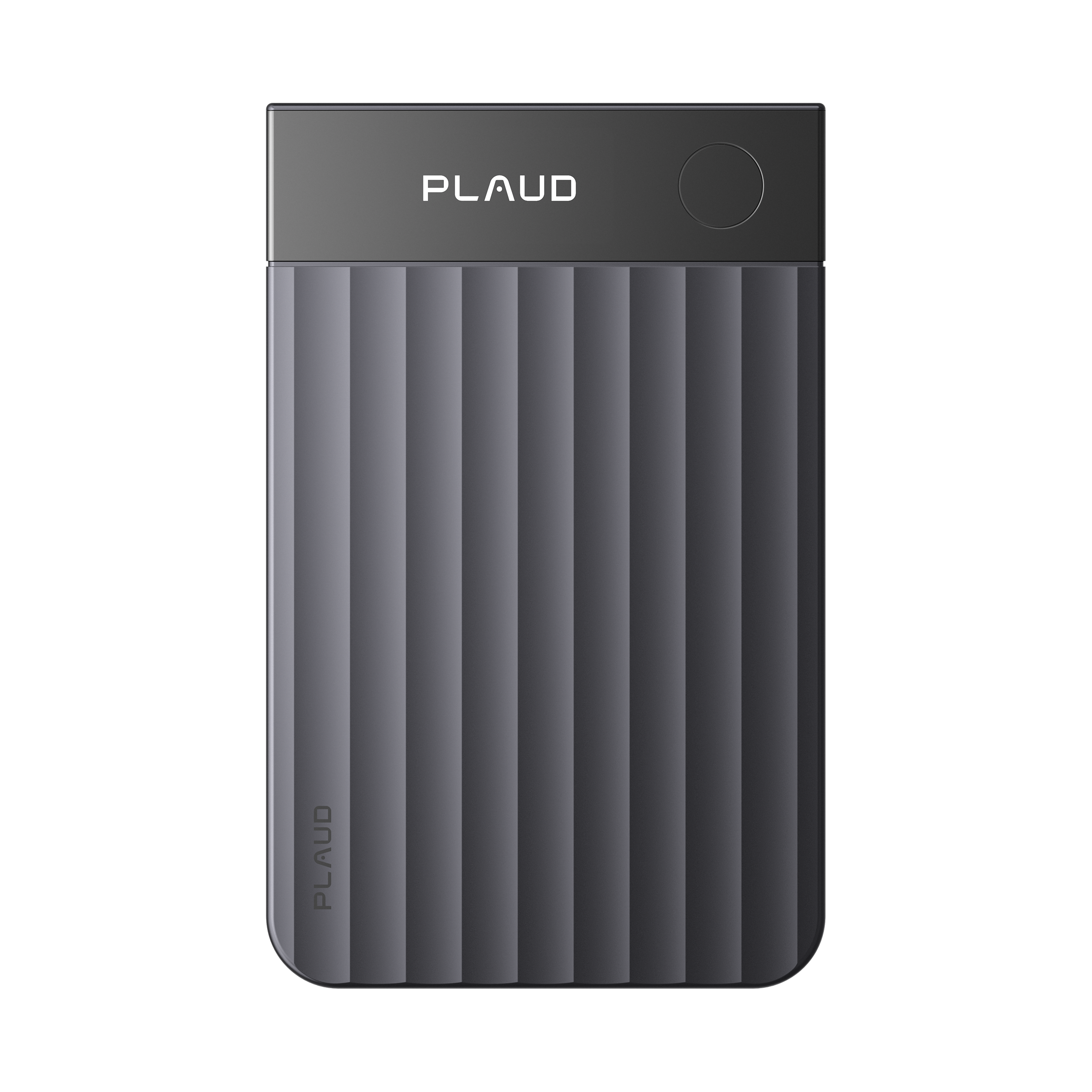
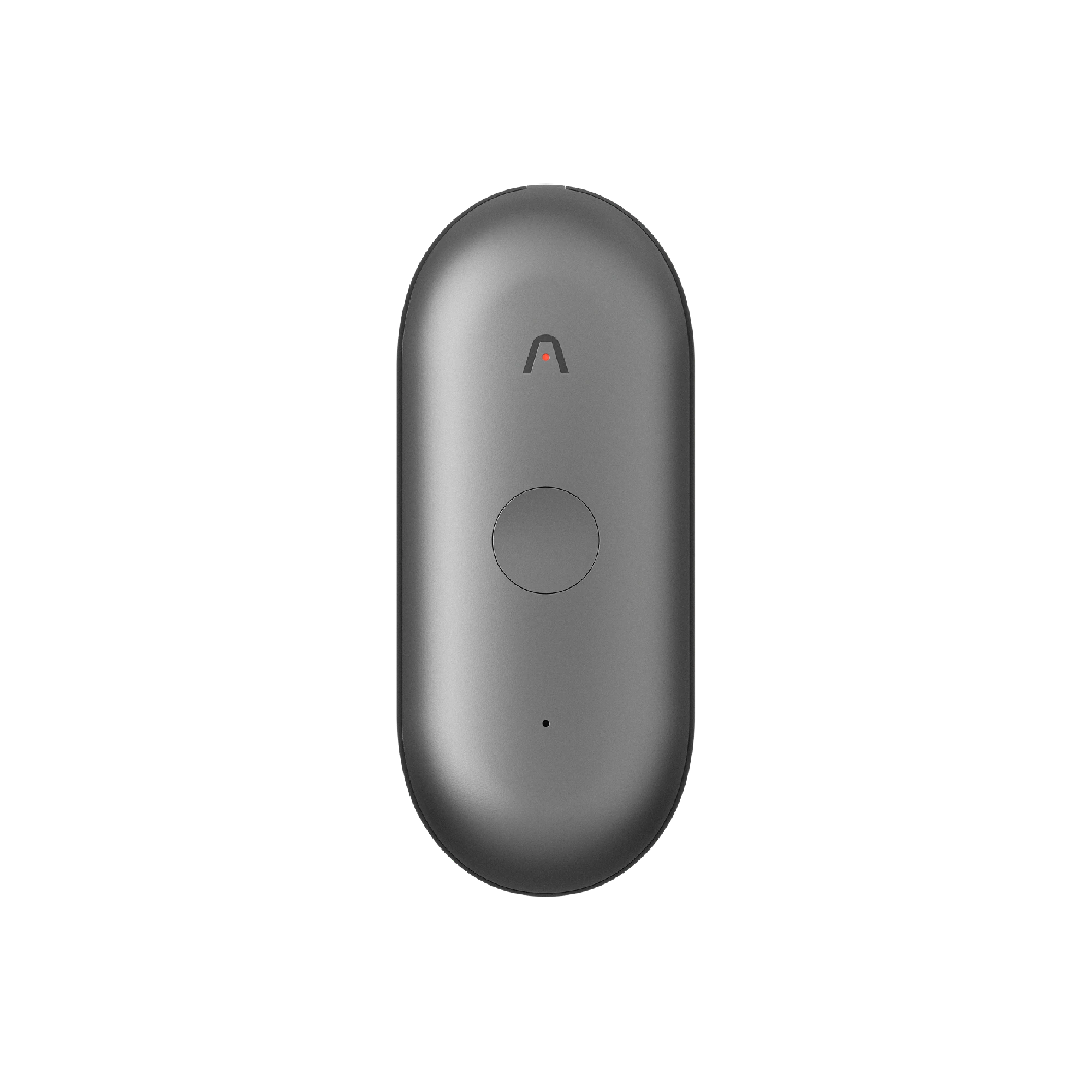
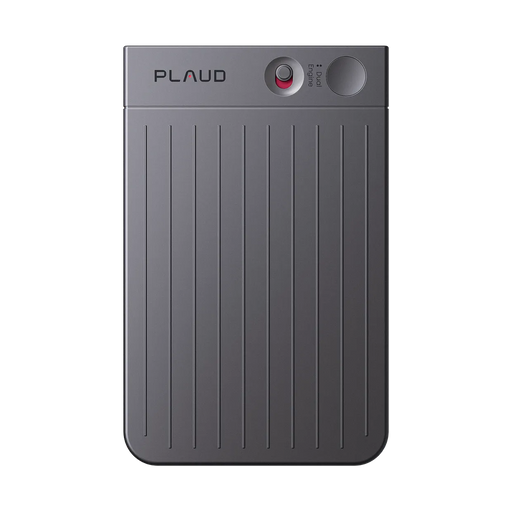
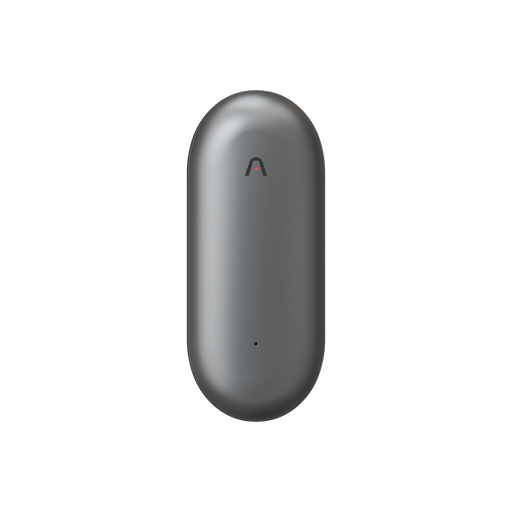
 Glass Health's core differentiator is diagnostic reasoning layered onto documentation, which is a different value proposition than a pure capture device. If differential diagnosis support isn't something you need, and you'd rather have a simpler tool focused purely on getting a conversation into a structured note, Plaud NotePin S offers that more straightforward path. Press the tactile record button, and Plaud Intelligence generates a structured note afterward, including SOAP and psychotherapy templates, for you to move into your chart manually, without a tiered CDS feature set to evaluate alongside it. For a small practice or department that wants several clinicians sharing one setup, Plaud Team adds centralized billing and device management for up to 50 seats without a sales call. Plaud doesn't attempt Glass Health's differential diagnosis engine or EHR integration, but it carries HIPAA-aligned safeguards, SOC 2 Type II, ISO 27001 and ISO 27701, GDPR, and EN 18031 for the device's wireless communication, the same compliance set Plaud publishes, and will sign a BAA on request through its support team. It also supports 112 languages, a genuine point of difference for practices Glass Health's English-only limitation doesn't currently serve.
Decide what you're buying: diagnosis support or documentation
The most useful question before subscribing to Glass Health is whether differential diagnosis support is something you'll use regularly or a feature you'll never open. If it's the former, the tiered pricing and workspace model make sense to evaluate seriously. If you only need documentation, compare the cost against pure scribes before assuming Glass Health's combined approach is the better value for your specific workflow.