Sunoh AI is an ambient medical scribe used by more than 100,000 providers, marketed as EHR-agnostic and available on any system. One detail that shapes how to evaluate it is often left out of casual comparisons: Sunoh.ai is owned by healow, the patient engagement platform built by eClinicalWorks, one of the largest ambulatory EHR vendors in the country. This review covers what Sunoh AI does, what it costs, where it holds up, and where it falls short.
What is Sunoh AI
 Sunoh.ai's own site footer credits "healow" as the copyright holder, confirming what its deepest integration already suggests: this is an eClinicalWorks-family product built to work everywhere but optimized most for eClinicalWorks' own ecosystem, including the healow mobile app and eClinicalTouch on iPad. That ownership doesn't stop Sunoh from marketing itself broadly. The company positions Sunoh as EHR-agnostic and lists native connectivity with Epic, athenaOne, Cerner, and other major systems alongside eClinicalWorks.
Multiple eClinicalWorks case studies describe practices adopting Sunoh specifically to replace or reduce reliance on human scribes, with clinics reporting two or more hours of documentation time saved per provider per day after switching.
How Sunoh AI works
Sunoh listens ambiently during a patient visit and generates a draft note, categorized into standard Progress Note sections, with support for SOAP notes, DAP notes for behavioral health, and specialty-specific formats. A more recent update added multiparty conversation handling, letting Sunoh distinguish and label speakers in visits involving a caregiver or parent alongside the patient, which matters for pediatric and family medicine encounters.
Two features go beyond basic note drafting. Sunoh includes a Coding Assistant that analyzes the encounter and recommends ICD-10 and CPT codes, with the clinician retaining final review and sign-off. It also supports order entry, generating draft lab orders, radiology orders, and referrals directly from the conversation, a capability the company has marketed as a first among AI medical scribes. Sunoh runs on iOS, Android, and iPad in addition to desktop, so a clinician can capture an encounter without a dedicated microphone or hardware.
Sunoh AI pricing
Sunoh's current published pricing is $149 per user per month, listed on the company's own pricing page as a limited-time rate down from $199 per month. A separate Group and Enterprise plan is available for larger practices and hospitals at custom pricing through direct sales, with no public rate listed. There's no self-serve free tier, and the company doesn't publish trial length. Interested practices go through a demo request rather than an instant signup.
One thing worth flagging for anyone researching Sunoh AI pricing: older marketing material referenced a $1.25-per-visit usage-based rate, and that figure still circulates in some third-party write-ups. That language no longer appears on Sunoh's own site as of 2026, so treat any per-visit pricing you find elsewhere as outdated rather than current.
Is Sunoh AI HIPAA compliant?
Yes. Sunoh AI states HIPAA compliance with industry-standard encryption, and a Business Associate Agreement is available for covered entities. As with any vendor, confirm current BAA terms and data handling policies directly with Sunoh before deploying it for real patient encounters, especially since Sunoh doesn't publish as much independently verifiable security detail (specific encryption standards, audio retention windows) as some competitors do.
As with any tool that touches protected health information, get the patient's awareness and consent before recording a visit, in line with your organization's policies. Before you record, take a moment to let others know and get their okay.
What Sunoh AI does well
- The deepest available integration if you're already on eClinicalWorks. Being owned by healow means Sunoh's eClinicalWorks and healow-ecosystem integration is more native than what most third-party scribes can offer that specific EHR.
- Order entry beyond documentation. Generating draft lab orders, radiology orders, and referrals directly from the conversation is a genuinely uncommon feature among ambient scribes, most of which stop at the note itself.
- Multiparty conversation handling. Distinguishing a parent or caregiver's speech from the patient's in the same encounter is a real, practical feature for pediatric and family practices that most competitors don't specifically address.
- A large, established user base with public case studies. More than 100,000 providers and multiple named practice case studies (VitalCare Family Practice, Healthy Horizons Clinic, AssociatesMD) give buyers more real-world reference points than many smaller competitors can offer.
- Genuine multi-EHR reach beyond its home ecosystem. Despite its ownership, Sunoh does maintain real connectivity with Epic, athenaOne, and Cerner, not just eClinicalWorks, which keeps it a viable option even outside its parent company's user base.
Where Sunoh AI falls short
- Ownership by a competing EHR vendor is worth knowing upfront. A practice on Epic or athenahealth evaluating Sunoh should understand they're evaluating a product built by, and optimized for, a rival EHR company, even though the stated integration list includes their own system.
- Real, documented note-accuracy complaints exist. Multiple verified reviews report documentation errors requiring correction, particularly in Assessment and Plan sections, a meaningful editing burden if it happens often in your specialty.
- No published, independently verified accuracy benchmark. Sunoh describes its documentation as highly accurate but doesn't publish a specific tested transcription accuracy percentage the way some competitors do, making it harder to compare objectively before signing up.
- No self-serve free trial. Evaluating Sunoh means requesting a demo rather than testing it same-day, a real barrier for a solo clinician who wants a quick yes-or-no answer.
- Security documentation is thinner than some competitors'. Sunoh states HIPAA compliance and offers a BAA, but publishes less detail on specific encryption standards and audio retention policy than some rivals make publicly available.
Who Sunoh AI is best for
Sunoh AI fits most naturally for practices already running eClinicalWorks or using the healow patient engagement platform, where the integration is most native and the order-entry and coding-assistant features connect most seamlessly into existing workflows. Family medicine, pediatric, and multi-specialty practices that regularly document multiparty visits, involving a caregiver, interpreter, or family member, benefit from the multiparty conversation handling in particular.
It's a weaker fit for practices that want the single most accuracy-transparent vendor, since Sunoh doesn't publish a verified benchmark the way some competitors do, and for anyone who wants to test-drive a scribe immediately without going through a demo request first.
Sunoh AI alternatives to consider
 Sunoh competes most directly with other EHR-connected ambient scribes, and the right alternative depends on which EHR you're on and how much you weigh published accuracy data.
- For deeper API-level integration specifically within eClinicalWorks: some competitors market API-level data flow into eClinicalWorks as a more thorough alternative to Sunoh's native-but-vendor-owned integration, worth evaluating side by side if you're an eClinicalWorks shop.
- For a published, independently verified transcription accuracy figure: some rivals publish a specific tested accuracy percentage where Sunoh does not, which matters if benchmark transparency is a deciding factor for your practice.
- For self-serve pricing without an enterprise-style demo request: Freed AI and Twofold both let a clinician start a trial immediately rather than requesting a sales demo first.
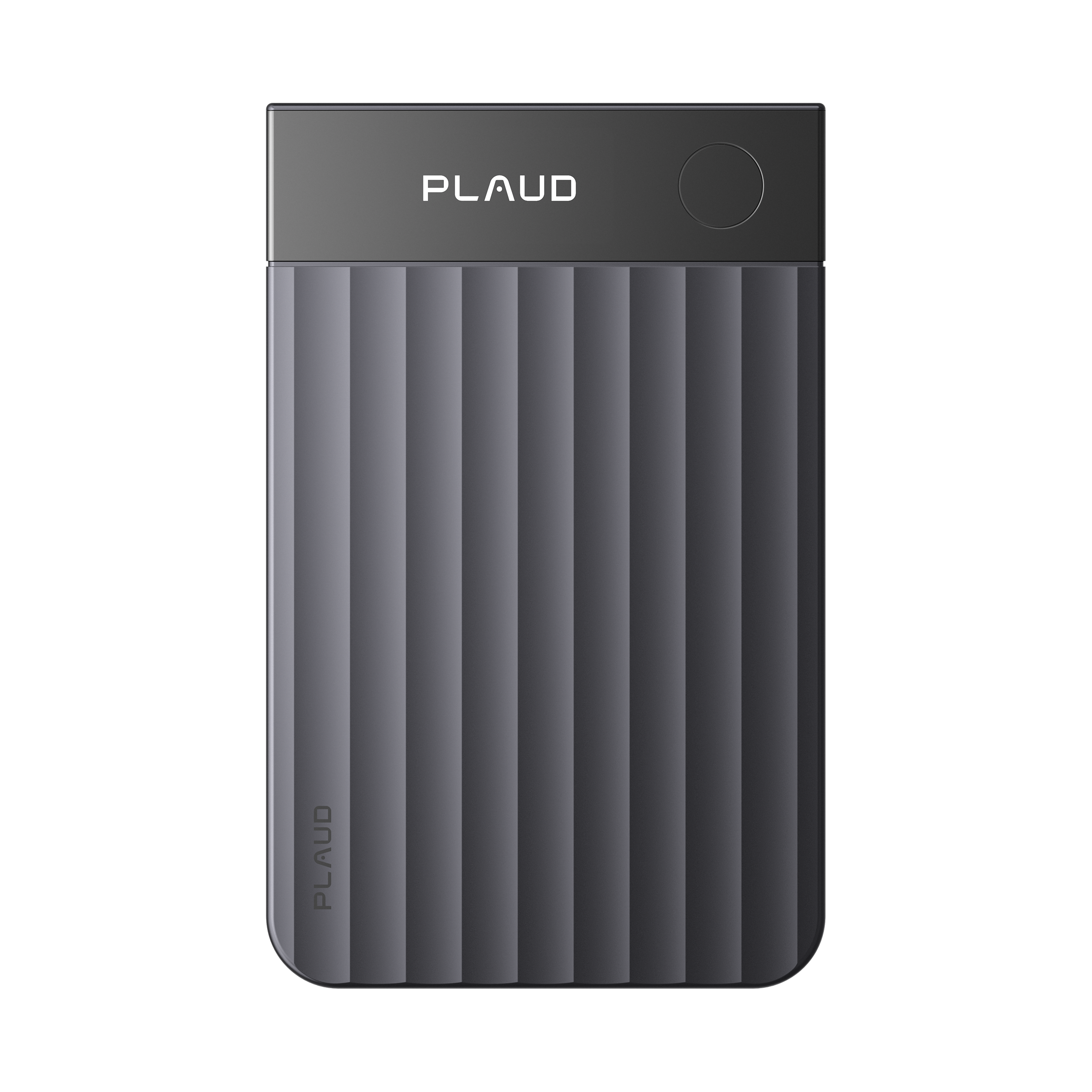
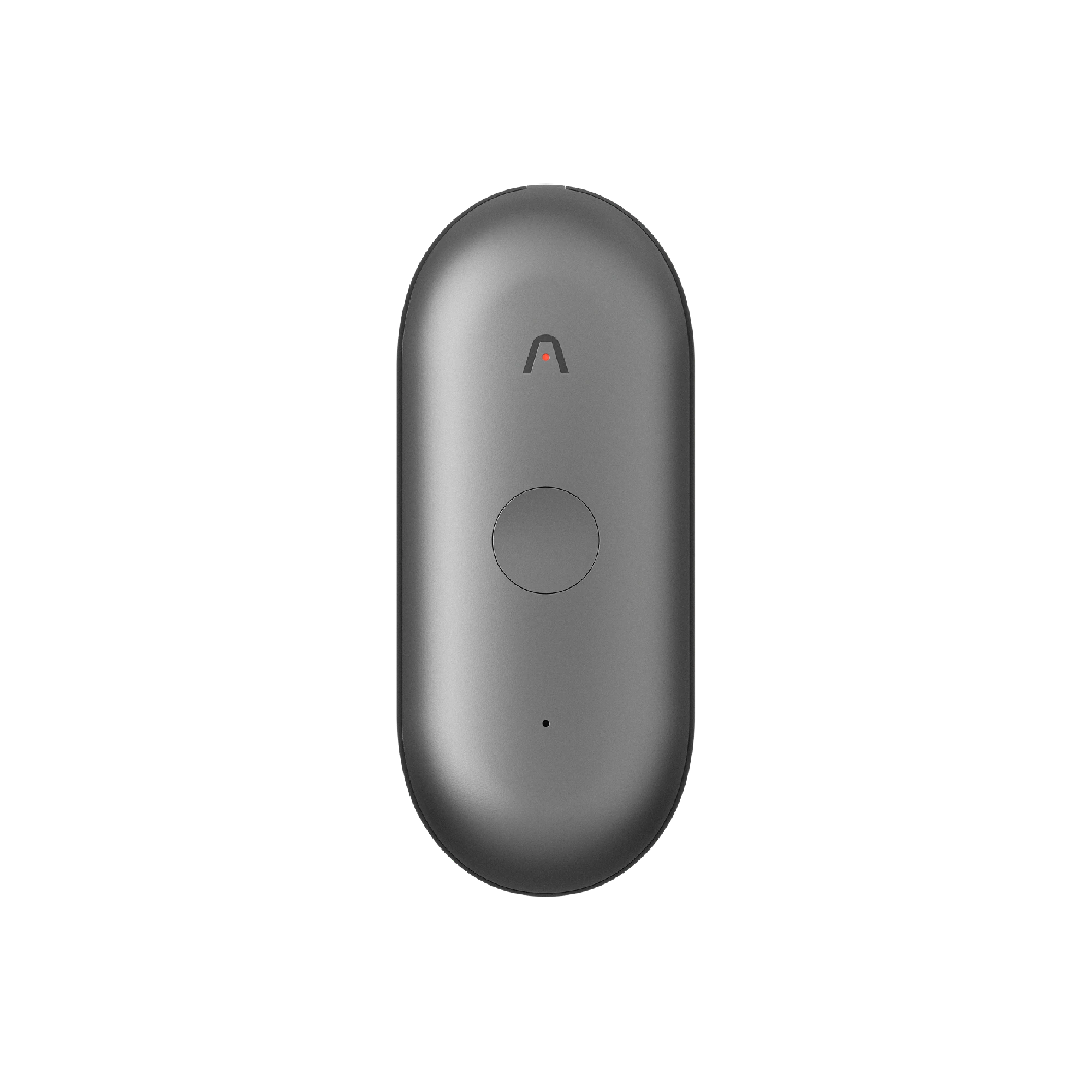
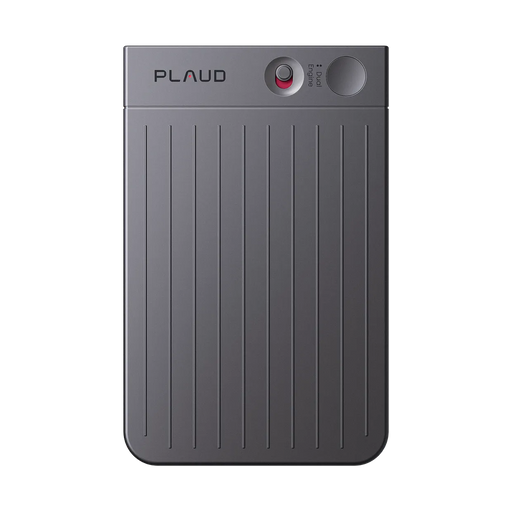
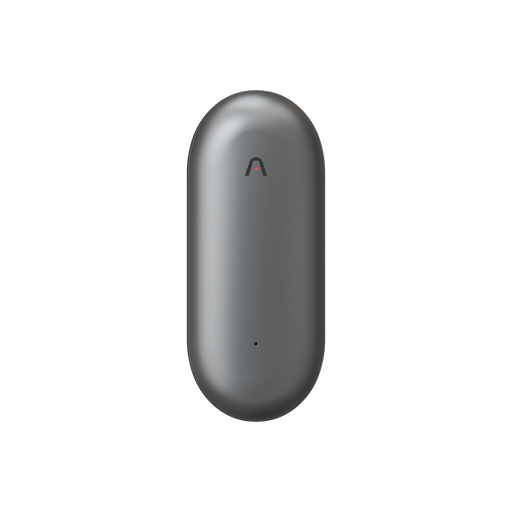
For a practice that wants to sidestep the question of which EHR vendor owns its scribe entirely, Plaud NotePin S offers a starting point with no EHR-vendor ties at all. Press the tactile record button, and Plaud Intelligence generates a structured note afterward, including SOAP and psychotherapy templates, for the clinician to move into the chart manually, regardless of which EHR the practice runs. For a small practice or department that wants several clinicians sharing one setup, Plaud Team adds centralized billing and device management for up to 50 seats without a sales call. Plaud doesn't offer Sunoh's order-entry or coding-assistant features, but it carries HIPAA-aligned safeguards, SOC 2 Type II, ISO 27001 and ISO 27701, GDPR, and EN 18031 for the device's wireless communication, the same compliance set Plaud publishes, and will sign a BAA on request through its support team.
Know the ownership before you compare integration claims
The most useful fact to carry into any Sunoh AI evaluation is its ownership by eClinicalWorks' healow platform. That doesn't make it a bad choice on another EHR, but it explains why the eClinicalWorks integration is described as "fully integrated" while other systems get standard native connectivity. Weigh that alongside the real, documented accuracy complaints before committing to an annual plan.