Doximity is the professional network used by more than 3 million US healthcare professionals, including over 85 percent of physicians, and in 2026 the company packaged its clinical AI tools into a suite it calls Doximity Clinical AI. The suite has three pieces: Ask, a clinical question-answering assistant formerly known as DoxGPT, Scribe, an ambient documentation tool, and Dialer, a calling tool that ties the other two together. This review covers what each tool does, what it costs, and how Ask in particular compares to its much larger competitor, OpenEvidence.
What is Doximity AI
 Doximity is a publicly traded company (NASDAQ: DOCS) and the dominant professional network for US clinicians, reporting more than 3 million registered members across medicine, nursing, and allied health. Because so many physicians already have Doximity open for messaging, faxing, and professional networking, the company's strategy with its AI tools has been to build them into that existing workflow rather than ask clinicians to adopt a separate app.
The suite has been reviewed and deployed across more than 150 health systems, including 8 of the top 20 hospitals in the country, according to Doximity. Each piece of the suite handles a different part of a clinician's day, and understanding them separately matters, since they get frequently confused with each other in casual conversation.
Doximity Ask, formerly DoxGPT
Ask is Doximity's clinical question-answering assistant, still widely searched under its original name, DoxGPT. A clinician types a clinical question, drug interaction, dosing, differential considerations, guideline summaries, and Ask returns an evidence-grounded answer with inline citations linking back to the original source.
The feature that most differentiates Ask from a general-purpose chatbot is PeerCheck, a physician verification layer where more than 10,000 to 11,000 physician expert reviewers evaluate and improve AI-generated answers over time. Certified answers show which reviewers verified them, which is a meaningfully different trust model than an AI tool that only cites sources without independent human review of the answer itself.
In August 2025, Doximity acquired Pathway Medical, an AI clinical reference company, for $63 million, and folded Pathway's physician-built evidence dataset into Ask. That dataset now powers instant, non-generated drug lookups, answers that appear the moment you start typing a drug name, sourced directly from structured, peer-reviewed data rather than AI-generated text. Ask also gives full-text PDF access to more than 2,000 peer-reviewed journals and a database of more than 3,200 drug monographs.
Doximity Scribe
Scribe is Doximity's separate ambient documentation tool. A clinician can turn it on during an in-person visit or a Dialer voice or video call, and it generates a clinical note from the conversation afterward. That note lives inside the clinician's Doximity account and gets copied into the EHR manually, similar to the copy-paste workflow used by several other scribes covered on this site.
One detail worth knowing before relying on Scribe for anything beyond same-day documentation: notes are retained for only 29 days, after which they're permanently deleted. If a note needs to become part of a permanent medical record, it has to be copied into the EHR well before that window closes.
Doximity Dialer
Dialer rounds out the suite as a calling tool. It gives a clinician a protected private line and a caller ID patients are more likely to answer, which matters for practices that struggle with patients ignoring calls from blocked or unfamiliar numbers. Turning on Scribe during a Dialer call lets a clinician document a phone consultation the same way they'd document an in-person visit, without switching between apps to capture the conversation and then draft the note.
Doximity AI pricing
Ask, Scribe, and Dialer are free for any clinician with a verified Doximity account. There's no credit card, no feature-gated free tier, and no trial period. Enterprise licenses are available separately for hospitals and health systems that want administrative controls or deeper integration, and pricing for that tier is quoted directly through Doximity's enterprise team rather than published.
This free, no-cost-barrier model is arguably Doximity's biggest structural advantage over paid competitors: a physician who already has the Doximity app installed can start using Ask or Scribe today without evaluating a budget line item.
Is Doximity AI HIPAA compliant?
Yes. Doximity states that Ask, Scribe, and Dialer are HIPAA-compliant, which is part of why the company positions them as safe to use with patient information, unlike a general-purpose consumer chatbot. Doximity's own FAQ is direct about the limits of that safety net: AI outputs can include inaccuracies, sometimes referred to as hallucinations, and the company explicitly instructs users to review and verify every AI-generated response rather than treat it as a substitute for clinical judgment.
As with any AI tool touching patient information, confirm current data retention timelines (particularly Scribe's 29-day window) and enterprise BAA terms directly with Doximity if your organization is evaluating this at scale.
As with any tool that touches protected health information, get the patient's awareness and consent before recording a visit, in line with your organization's policies. Before you record, take a moment to let others know and get their okay.
What Doximity AI does well
- Minimal adoption barrier. Free, built into an app most US physicians already have installed, with no separate signup or evaluation process. That alone makes it one of the lowest-barrier clinical AI tools available.
- PeerCheck's human verification layer. More than 10,000 physician reviewers checking AI-generated answers is a genuine trust mechanism, not just a marketing claim, and it's a meaningfully different approach than relying on citations alone.
- A connected workflow across three tools. Calling a patient through Dialer, capturing the conversation with Scribe, and looking up a clinical question through Ask, all without leaving one app, is a real convenience most competitors can't offer because they don't own the calling and networking layer Doximity already built.
- A large, structured evidence base behind drug lookups. The Pathway Medical acquisition gave Ask instant, non-AI-generated drug monograph answers, which sidesteps hallucination risk entirely for that specific, high-stakes use case.
- Genuine enterprise validation. Deployment across more than 150 health systems, including 8 of the top 20 US hospitals, suggests real institutional trust rather than only individual physician adoption.
Where Doximity AI falls short
- Ask is not a full clinical decision-support engine. It answers questions and surfaces evidence, but it doesn't generate ranked, tiered differential diagnoses or run structured risk scores the way a dedicated clinical decision-support platform does.
- Scribe's 29-day note retention is a real constraint. A clinician who forgets to copy a note into the EHR before that window closes loses it permanently, which is a meaningfully different risk profile than a scribe that retains notes indefinitely.
- Ask competes against a much larger incumbent. OpenEvidence, at a $3.5 billion valuation with official AI partnerships with NEJM, JAMA, NCCN, and Cochrane, is reportedly used by roughly two-thirds of US physicians and handles hundreds of millions of clinical consultations. Ask is a capable, free tool, but it's the smaller player in this specific comparison, not the dominant one.
- The three tools stay somewhat siloed day to day. Despite living in one app, Ask, Scribe, and Dialer are still distinct features a clinician has to learn and remember to use together, rather than one unified assistant that reasons across all three on its own.
- Enterprise pricing isn't published. Individual use is free, but health systems wanting administrative controls or deeper integration have to go through a sales conversation like most enterprise tools in this category.
Doximity Ask vs OpenEvidence
This is the comparison clinicians search for most, and it's worth being direct about it rather than pretending the two are evenly matched. OpenEvidence is a clinical decision-support platform built specifically around evidence retrieval, with official content partnerships covering The New England Journal of Medicine, JAMA, NCCN guidelines, and Cochrane Systematic Reviews. It's free, ad-supported, and by mid-2026 reporting adoption from a majority of US physicians and hundreds of millions of logged consultations.
Ask's advantage isn't raw scale or journal partnerships. It's that Ask lives inside a platform physicians are already using to message colleagues, take calls, and now document visits, so there's no separate app to open. A clinician who wants the single most evidence-dense, widely validated question-answering tool available today will likely lean toward OpenEvidence. A clinician who values having calling, documentation, and clinical Q&A in one place they already use daily has a real reason to prefer Ask, even if its underlying evidence base is currently smaller.
Who Doximity AI is best for
Doximity's AI suite fits clinicians who already use the Doximity app for networking, secure messaging, or faxing and want to extend that same login into documentation and clinical reference without adding another vendor relationship. It's a strong fit for anyone who makes frequent patient calls, since Dialer and Scribe working together solves a real, specific workflow problem most competitors don't address at all.
It's a weaker fit for a clinician whose primary need is the single deepest, most evidence-dense clinical reference tool available, where OpenEvidence currently has the edge, and for any practice that needs Scribe's notes to serve as a permanent record without manual copying, given the 29-day retention window.
If you need a documentation tool outside Doximity's ecosystem
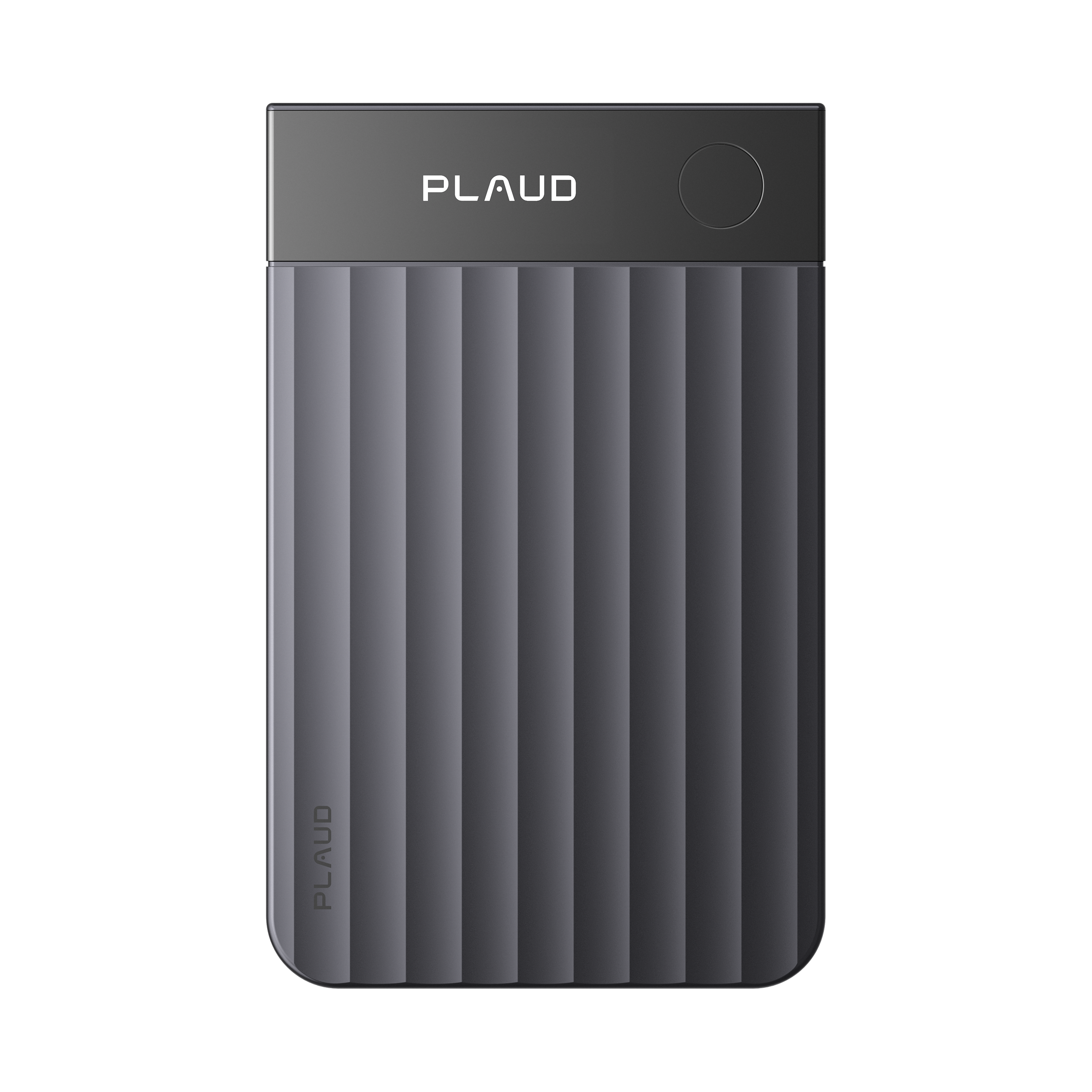
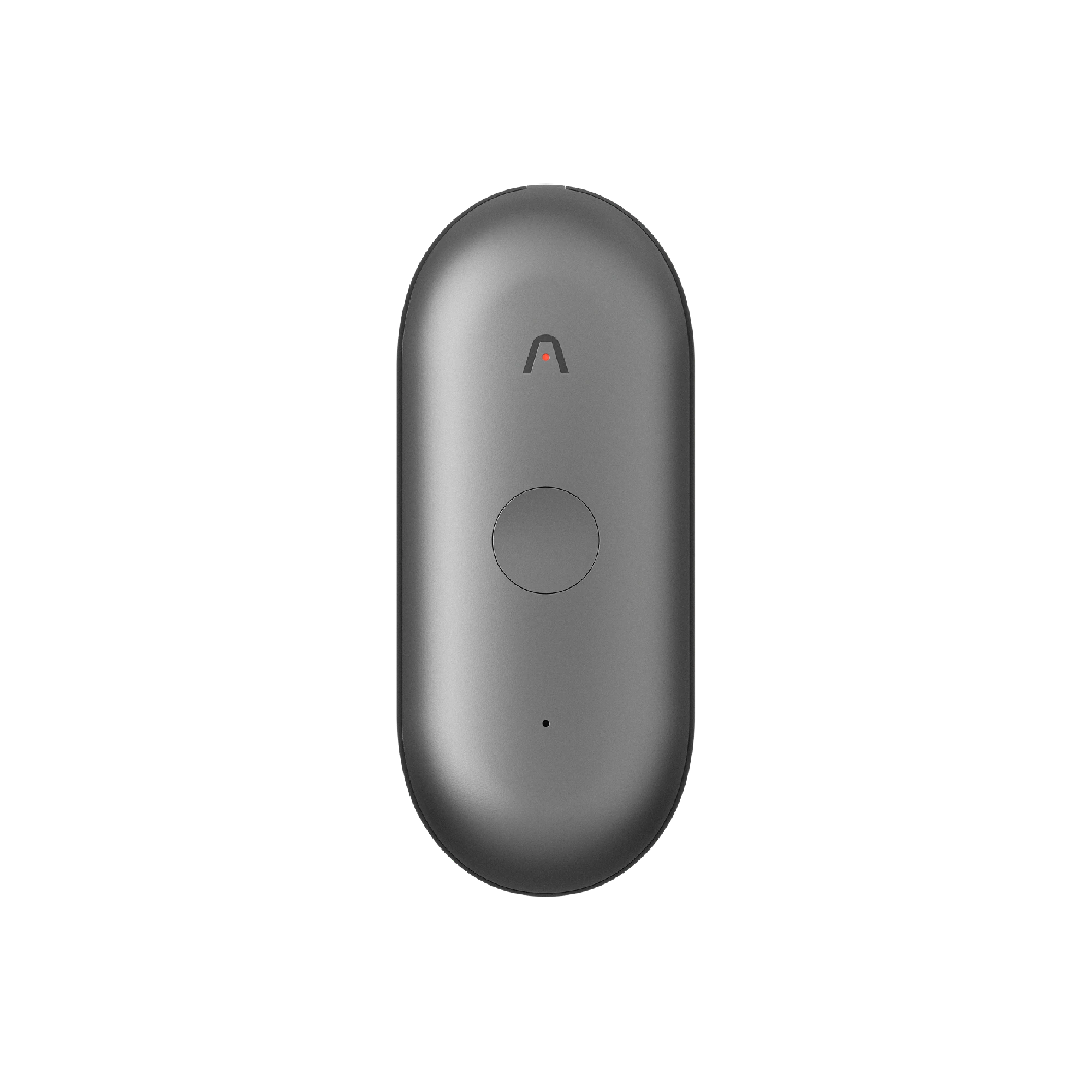
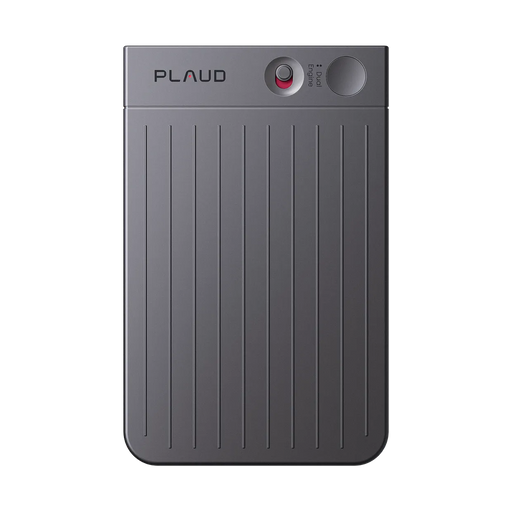
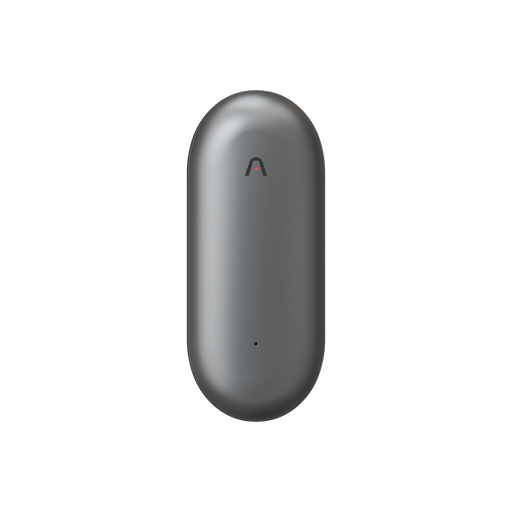
 Doximity Ask is a question-answering tool, not an ambient scribe, so it isn't really a direct alternative to a wearable note-taker. Doximity Scribe is the closer comparison, and if the 29-day retention window or the requirement to work inside the Doximity app doesn't fit your workflow, Plaud NotePin S offers a documentation tool with no platform dependency at all. Press the tactile record button, and Plaud Intelligence generates a structured note afterward, including SOAP and psychotherapy templates, that stays in your account rather than expiring on a fixed schedule, for you to move into your chart manually. For a small practice or department that wants several clinicians sharing one setup, Plaud Team adds centralized billing and device management for up to 50 seats without a sales call. Plaud doesn't offer Doximity's networking features, PeerCheck-style physician review, or calling integration, but it carries HIPAA-aligned safeguards, SOC 2 Type II, ISO 27001 and ISO 27701, GDPR, and EN 18031 for the device's wireless communication, the same compliance set Plaud publishes, and will sign a BAA on request through its support team.
Know which tool in the suite you need
"Doximity AI" isn't one product, it's three tools solving three different problems, and confusing them is the most common mistake in evaluating this suite. If you want clinical answers, that's Ask. If you want a visit documented, that's Scribe, with its 29-day retention window in mind. If you want a protected calling line integrated with documentation, that's Dialer. All three are free, so there's little reason not to test the specific one that matches your actual workflow gap.