Heidi is an ambient AI medical scribe that listens to a clinical encounter and generates a structured note, paired with a genuinely free tier and a built-in clinical evidence tool. Founded in Melbourne, Australia in 2021 by Dr. Thomas Kelly, Waleed Mussa, and Yu Liu, the company has grown to nearly 2 million weekly clinician interactions across more than 50 countries. This review covers what Heidi does, what changed with its February 2026 pricing rebrand, where it holds up, and where it falls short.
What is Heidi AI scribe

Dr. Thomas Kelly, a former vascular surgical trainee, founded Heidi with Waleed Mussa after seeing how much administrative work pulled clinicians away from patients. The company began launching products in early 2024 and has since reported returning more than 18 million hours to frontline clinicians across over 70 million patient visits.
Heidi raised a $65 million Series B in October 2025, led by Point72 Private Investments with participation from Blackbird, Headline, and Latitude, valuing the company at $465 million and bringing total funding to roughly $96.6 million. The platform now reports support across more than 200 specialties and 110 languages, and it earned an Emerging Company Spotlight from KLAS Research in 2025, with 100 percent of surveyed customers saying they would buy the product again.
How Heidi AI scribe works
Heidi listens to a consultation, in person or by telehealth, and generates a structured clinical note from standard templates. Two features go beyond basic transcription. Heidi Evidence adds citation-backed clinical answers sourced from BMJ, NICE, and HealthPathways directly inside the workflow, so a clinician can pull supporting evidence without leaving the note. Ask Heidi is a prompt-based assistant for editing notes, generating documents such as referral letters, and creating custom templates.
The platform is model-agnostic, meaning Heidi builds on top of several underlying AI models rather than a single one, which the company says lets it optimize for accuracy, latency, and cost independently of any one vendor. Heidi integrates with EHR and practice management systems including Epic, athenahealth, Oracle Cerner, Best Practice Software, Cliniko, Halaxy, and MediRecords, though the depth of that integration depends heavily on which pricing tier you are on.
Heidi AI scribe pricing
Heidi restructured its plans in February 2026, and the change is significant enough that anyone evaluating the platform in 2026 should treat pricing as a moving target rather than a fixed number.
| Plan | Price | Notes |
|---|---|---|
| Free | $0/month | Unlimited transcription and standard-template notes, but capped at 10 Pro Actions per month. No credit card required |
| Evidence Plus | Roughly $40/user/month | Adds premium evidence sources on top of the free scribe tier |
| Clinician | $150/user/month, billed annually | The main paid tier, up from roughly $99/month before the February 2026 rebrand. Unlimited Ask Heidi and Pro Actions |
| Practice | Custom pricing per user | Adds team templates, session sharing, EHR integration support, and an org-wide BAA |
| Enterprise | Custom quote | Adds single sign-on, custom integrations, and multi-team management |
The free plan is a real, ongoing tier rather than a time-limited trial, unlike many competitors that gate access behind a 7-to-14-day trial window. That said, 10 Pro Actions a month, which covers Ask Heidi prompts and custom template use, runs out quickly in daily clinical use, so most active clinicians will find the free tier better suited to evaluation than full-time practice.
The bigger story is the roughly 50 percent price increase on the Clinician plan. A solo clinician who signed up before February 2026 at the old rate should expect the renewal price to reflect the new $150-a-month tier. Students and trainees can apply for full access to the Clinician plan at no cost through Heidi's dedicated trainee sign-up program.
Is Heidi AI scribe HIPAA compliant and secure
Yes, with an important caveat on which tier you are on. Heidi reports compliance with HIPAA, ISO 27001, and SOC 2 Type II standards, and states that consultation audio is not stored after transcription. Internationally, the company also references alignment with NHS standards, GDPR, and Australian Privacy Principles, reflecting its multi-country user base.
The caveat: a signed Business Associate Agreement is available starting at the Practice tier and above, not on the Free, Evidence Plus, or Clinician plans. A US clinician handling protected health information on an individual Clinician plan is relying on Heidi's standard terms of service rather than a signed BAA. If a BAA is a requirement for your practice, confirm current tier eligibility directly with Heidi's sales team before recording real patient encounters, since this kind of tier gating is exactly the sort of detail that shifts with pricing rebrands.
As with any tool that touches protected health information, get the patient's awareness and consent before recording a visit, in line with your organization's policies. Before you record, take a moment to let others know and get their okay.
What Heidi AI scribe does well
- A free tier that holds up for evaluation. Unlimited transcription with no credit card and no expiration date is a meaningfully lower barrier than a competitor's 7-day trial, even with the 10 Pro Actions cap limiting daily use.
- Independent validation through KLAS. An Emerging Company Spotlight with A+ ratings for likely-to-recommend and executive involvement, plus 100 percent of surveyed customers saying they would buy again, is a strong third-party signal.
- Built-in clinical evidence, not just documentation. Heidi Evidence pulling citations from BMJ and NICE directly into the workflow is a genuine differentiator most pure scribes don't attempt.
- Broad language and specialty claims backed by real scale. Support across 110+ languages and 200+ specialties, at nearly 2 million weekly clinician interactions, suggests the breadth claims hold up under real usage rather than being marketing-only.
- Model-agnostic architecture. Building on multiple underlying AI models rather than being locked to one gives Heidi room to optimize accuracy and cost over time rather than being capped by a single vendor's roadmap.
Where Heidi AI scribe falls short
- A significant 2026 price increase. The Clinician plan's jump from roughly $99 to $150 a month is a real cost shift for solo clinicians and small practices who budgeted around the old price.
- BAA gated to higher tiers. For US clinicians who need a signed Business Associate Agreement, the Free, Evidence Plus, and Clinician plans do not include one. That pushes HIPAA-conscious solo practitioners toward the custom-quoted Practice tier.
- No adaptive style learning. Heidi generates notes from the transcript and selected template, but multiple independent reviews report it does not gradually adapt to an individual clinician's phrasing or structure the way some competitors claim to.
- EHR write-back varies by tier and system. Native push-to-chart integration depends on both your EHR and your plan level, so many individual-tier users still rely on copy-paste rather than automatic write-back.
- Complex, multi-problem encounters need more editing. Third-party reviews consistently note that Heidi performs best on routine outpatient visits, with more manual correction required for dense, multi-condition consultations.
- Reported Android app reliability issues. Independent reviews mention more frequent complaints about the Android app than the iOS counterpart.
Who Heidi AI scribe is best for
Heidi fits general practice and primary care clinicians who want a scribe with built-in clinical evidence lookup, not just note generation, and who value having a genuine free tier to test before paying. Students, residents, and trainees get real value from the dedicated trainee program, which unlocks full Clinician-plan access at no cost. Clinicians practicing across multiple languages or in international settings, particularly Australia and the UK where Heidi has deep roots, benefit from language and localization support that is broader than most US-first competitors.
Heidi is a weaker fit for US practices that require a signed BAA on a solo or small-practice budget, since that requires the custom-quoted Practice tier rather than the advertised Clinician price. It is also a weaker fit for clinicians documenting complex, multi-problem encounters who want minimal post-visit editing, and for anyone who specifically wants a scribe that learns and adapts to their personal note-writing style over time.
Heidi AI scribe alternatives to consider
Heidi sits in a genuinely crowded field, and the right comparison depends on what matters most: a free evaluation tier, deep EHR write-back, or a specific clinical workflow.
- For guaranteed BAA access at the individual-clinician tier: some competitors include a signed BAA on every paid plan rather than gating it behind an enterprise tier, which matters if your practice cannot wait on a custom quote.
- For pure ambient listening without a tiered evidence add-on: Freed AI takes a simpler, single-purpose approach to documentation at self-serve pricing from $39 to $119 a month.
- For deep, voice-commanded EHR integration at enterprise scale: Suki AI and Ambience Healthcare both go further into EHR write-back and, in Suki's case, voice-controlled ordering, though both require an enterprise sales process rather than a self-serve signup.

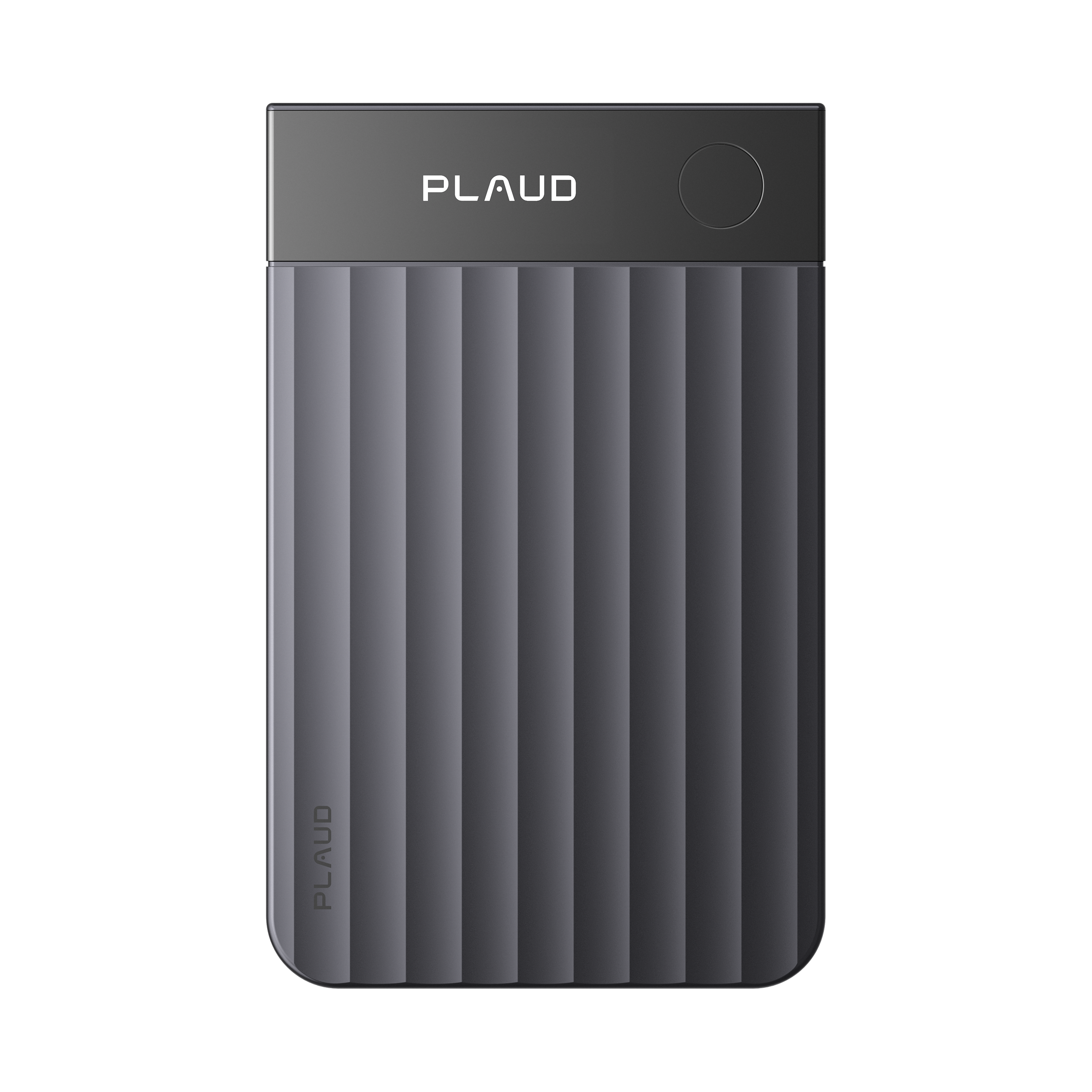
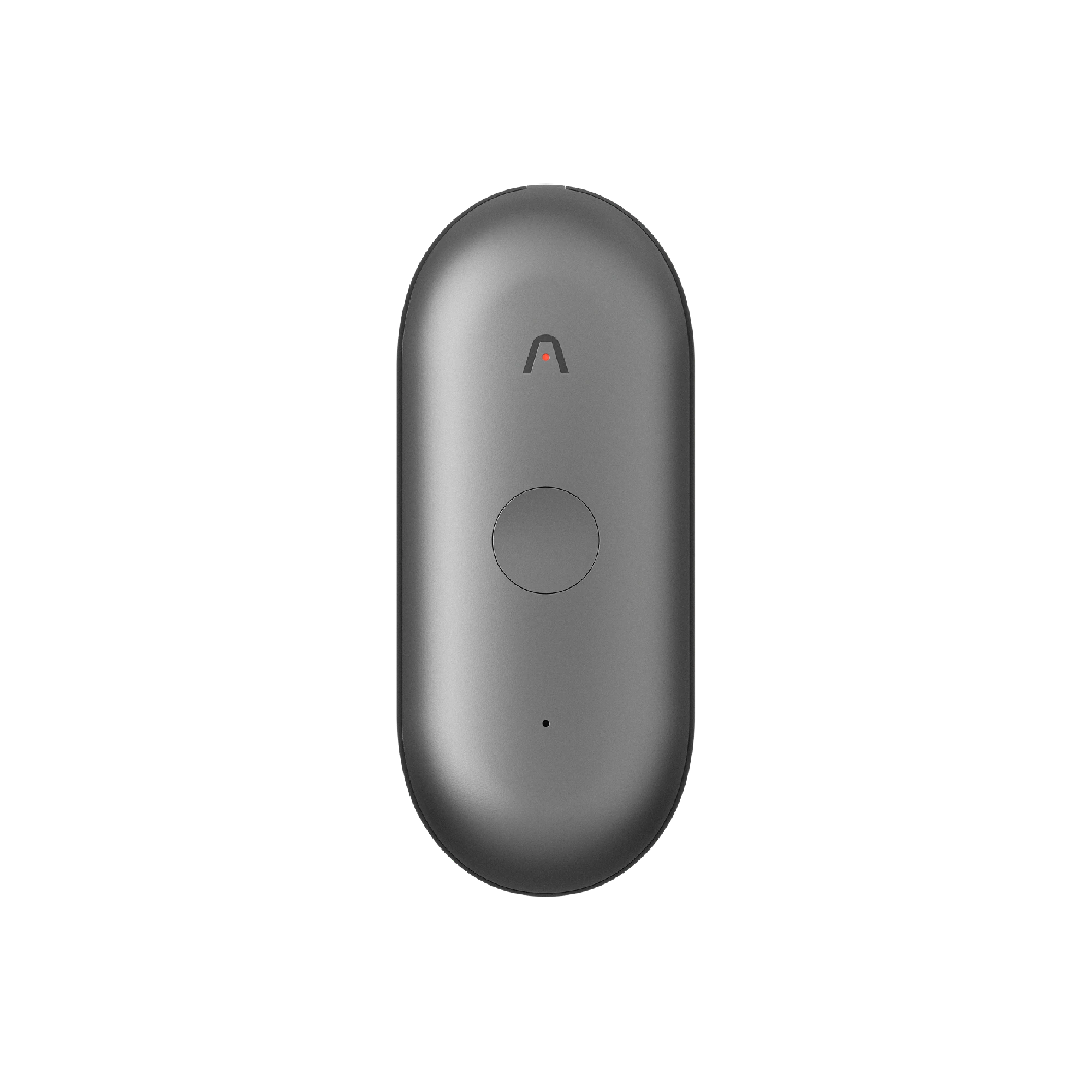
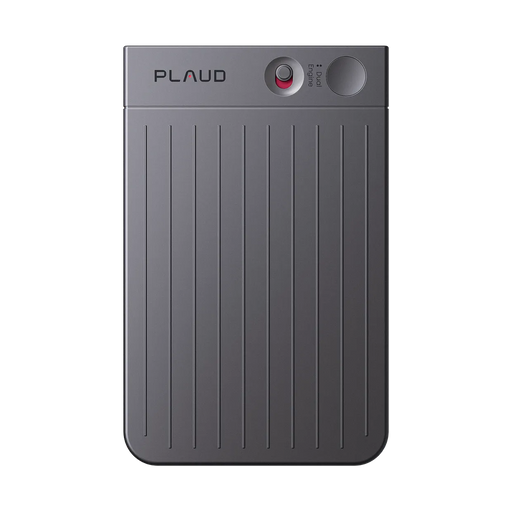
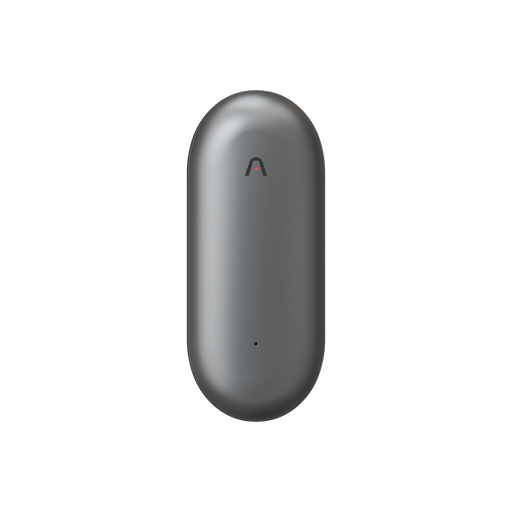
For a solo clinician or small practice that wants ambient documentation without navigating a multi-tier pricing page at all, Plaud NotePin S offers a different starting point. Worth noting: Heidi itself validated the case for dedicated capture hardware in March 2026 with Heidi Remote, a 21-gram lapel microphone built to solve the same problem, phones and laptops making poor, unreliable capture devices in a clinical room, that Plaud's wearables were built around from the start. Heidi Remote remains an Early Access, pre-release product tied specifically to the Heidi software subscription, while Plaud's hardware is a standalone device with no dependency on any one platform's pricing tiers: press the tactile record button, and Plaud Intelligence generates a structured note afterward, including SOAP and psychotherapy templates, which the clinician moves into the chart manually. For a small practice or department that wants several clinicians on the same setup, Plaud Team adds centralized billing and device management for up to 50 seats without a sales call. Both carry HIPAA-aligned safeguards, SOC 2 Type II, ISO 27001 and ISO 27701, GDPR, and EN 18031 for the device's wireless communication, the same compliance set Plaud publishes, and ship with a Plaud MCP server for querying past notes directly from an AI assistant.
The honest comparison is that Heidi's strength is breadth, evidence tools, languages, specialties, and a real free tier, while its complexity is also in that breadth, since which features and compliance guarantees you get depends on which of five tiers you're on. A simpler capture device trades that flexibility for a single, predictable setup.
Check your tier against your actual needs
The most common mistake evaluating Heidi is comparing the advertised Clinician price against a competitor without checking what that price does and doesn't include for your situation, particularly the BAA gap if you're a US clinician. Map your must-haves, a signed BAA, EHR write-back, adaptive style, against the specific tier that provides them before you commit to annual billing.