ScribeEMR occupies a genuinely useful niche in this category: rather than asking a practice to choose between an AI scribe and a human one, it sells both, plus a third option that layers human review on top of whichever AI tool a practice already uses. This review covers what ScribeEMR's two current products, ScribeRyte and Amplif.AI, do, what they cost, where they hold up, and where they fall short.
What is ScribeEMR
 Daya Shankar and Anirudh Baheti founded ScribeEMR in 2016, building on experience that goes back further than that. Their earlier transcription company grew to more than 700 medical transcriptionists before being acquired by Nuance, becoming part of what's now Dragon Medical. ScribeEMR is based in Woburn, Massachusetts, remains unfunded by outside venture capital, and has been named a Best in KLAS provider for Virtual Scribing Services for three consecutive years, 2024, 2025, and 2026.
The company runs two current product lines that solve related but distinct problems: ScribeRyte, its own AI-driven ambient scribe, and Amplif.AI, a platform-agnostic human review layer that works on top of ScribeRyte or a competitor's AI output.
How ScribeEMR works
ScribeRyte AI listens to a patient encounter and generates a structured clinical note, supporting more than 80 EMR platforms and more than 20 specialties, from primary care and orthopedics to OB/GYN, neurology, and pediatrics. In October 2024, ScribeEMR added Spanish translation to ScribeRyte, generating English-language clinical notes from Spanish-language encounters.
Amplif.AI is the more distinctive product. Rather than replacing an existing AI scribe, it adds a dedicated professional scribe who handles pre-charting, note review, quality assurance, and EHR push on top of whatever AI tool a practice already uses, explicitly including ScribeRyte, Nuance DAX, Abridge, Suki, Heidi, and DeepScribe. A practice that has already invested time training staff on a specific AI scribe, and doesn't want to switch platforms, can add Amplif.AI's human layer without giving up that existing tool. ScribeEMR also continues to offer traditional live virtual scribes, who chart in real time during a visit rather than reviewing AI output afterward, for practices that want a fully human, real-time option.
ScribeEMR pricing
Amplif.AI's pricing is unusually transparent for a human-review layer in this category: $900 per provider per month. ScribeEMR frames the economics directly around physician editing time, estimating that a physician spending 5 to 10 minutes correcting each AI-generated note across 20 patients a day accumulates real, quantifiable cost in lost time and lost patient capacity, and that Amplif.AI can break even against that cost with as few as two additional patient visits a week, depending on specialty and payer mix.
ScribeRyte's own pricing isn't published on the company's site. As with most vendors in this category that combine AI and human-reviewed options, expect a sales conversation to get a specific number for ScribeRyte alone, while Amplif.AI's flat, published rate gives you at least one concrete figure to anchor a budget conversation around.
Is ScribeEMR HIPAA compliant?
Yes. ScribeEMR recently completed SOC 2 Type II and HIPAA Security and Privacy assessments, a meaningful compliance milestone that goes beyond a self-reported HIPAA claim to include independent, audited verification. As with any vendor handling protected health information, confirm current BAA terms directly with ScribeEMR for whichever product, ScribeRyte, Amplif.AI, or traditional live scribing, you're evaluating, since access patterns and data handling differ across the three.
As with any tool that touches protected health information, get the patient's awareness and consent before recording a visit, in line with your organization's policies. Before you record, take a moment to let others know and get their okay.
What ScribeEMR does well
- Sustained, independent third-party validation. Three consecutive years of Best in KLAS recognition for Virtual Scribing Services is a real, repeated signal rather than a one-time award, and it's independently awarded rather than self-reported.
- Amplif.AI's platform-agnostic design is a genuine differentiator. Most competitors in this category want you using their AI engine specifically. Amplif.AI explicitly supporting Nuance DAX, Abridge, Suki, Heidi, and DeepScribe, on top of its own ScribeRyte, means a practice can add human review without switching platforms.
- Published pricing on at least one product. A flat $900 per provider per month for Amplif.AI is a real number to plan around, uncommon in a category where AI-plus-human offerings usually route straight to a sales call.
- Deep transcription industry roots. The founders' earlier company, later absorbed into Dragon Medical at Nuance, gives ScribeEMR a longer institutional history with medical documentation than most AI-era scribe startups.
- Recent independent compliance verification. Completing SOC 2 Type II and HIPAA assessments is a more rigorous compliance signal than simply stating HIPAA compliance without third-party audit.
Where ScribeEMR falls short
- ScribeRyte's pricing isn't public. The transparency that makes Amplif.AI easy to budget for doesn't extend to ScribeEMR's own AI scribe, which still requires a sales conversation for a specific number.
- $900 a month is a real commitment for a small practice. Amplif.AI's break-even math assumes a specific volume and payer mix that may not hold for every specialty or practice size, so run the actual numbers for your situation rather than taking the vendor's illustrative example at face value.
- The relationship to AWS HealthScribe isn't fully disclosed. ScribeEMR was named as a launch partner when AWS announced HealthScribe in 2023, but the company doesn't publicly detail how much of ScribeRyte's current technology stack still relies on AWS infrastructure versus its own development, which matters less for evaluating output quality but is worth knowing if you're doing technical due diligence.
- "Is ScribeEMR legit" research is complicated by unrelated content. Similar to the pattern with ScribeAmerica and Hello Rache, much of what ranks for ScribeEMR relates to careers and Glassdoor employee reviews rather than the vendor's service quality for healthcare practices.
- No self-serve trial for either product. Both ScribeRyte and Amplif.AI go through a demo and sales process rather than an instant signup, so budget more evaluation time than a self-serve AI scribe would require.
Who ScribeEMR is best for
Amplif.AI fits practices that already use an AI scribe, whether that's ScribeRyte or a competitor like Nuance DAX, Abridge, Suki, or Heidi, but aren't fully satisfied with note quality or editing burden and want a human safety net without abandoning their existing platform investment. Practices seeing enough patient volume to make the $900-per-provider-per-month math work, per ScribeEMR's own break-even framing, get the clearest return.
ScribeRyte on its own fits practices that want an AI scribe from a vendor with a long compliance and transcription track record, particularly those needing Spanish-language encounter support or coverage across ScribeEMR's broad EMR list. Solo practitioners on a tight budget, or those who want fully self-serve, instant signup, may find the demo-and-sales-call process for either product slower than a self-serve competitor.
ScribeEMR alternatives to consider
ScribeEMR's Amplif.AI sits in the same AI-plus-human-review category as a few other vendors covered on this site, and the right choice depends on whether you want to keep your current AI tool or replace it entirely.
- For a comparable AI-to-human spectrum from one vendor, with a broader enterprise scope: ScribeAmerica's Speke Express, Plus, and Pro tiers and IKS Health's Scribble Now, Swift, and Pro offer a similar structure, though neither is built specifically to layer onto a competitor's AI output the way Amplif.AI is.
- For the underlying AI infrastructure ScribeEMR itself was an early partner on: AWS HealthScribe is the developer-facing API that several vendors, including ScribeEMR at launch, have built on, worth knowing about if you're curious what's happening under the hood of tools like this one.
- For pure self-serve AI without a human review layer or sales process: Freed AI and Heidi AI scribe offer transparent monthly pricing without the demo-and-sales-call step both ScribeEMR products currently require.
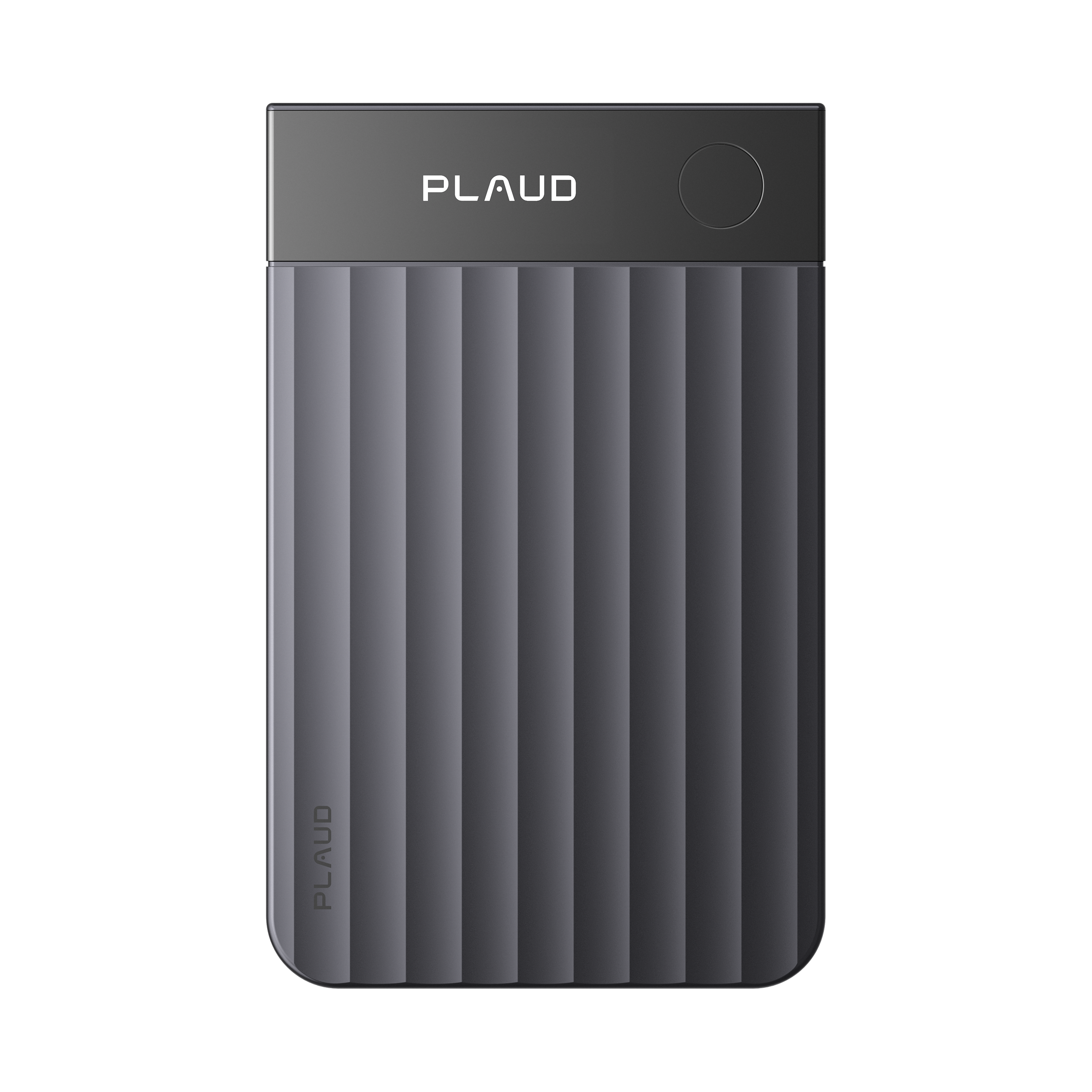
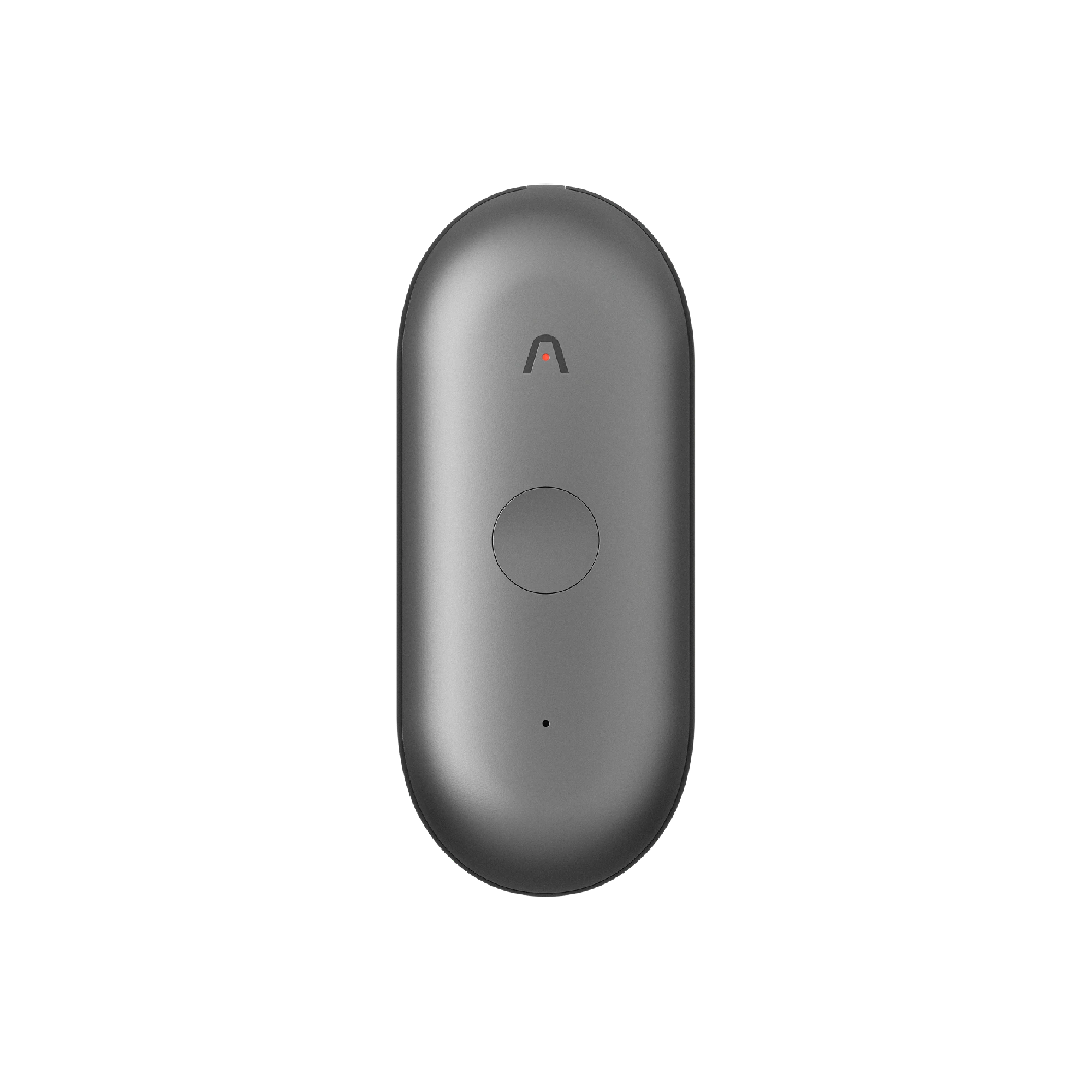
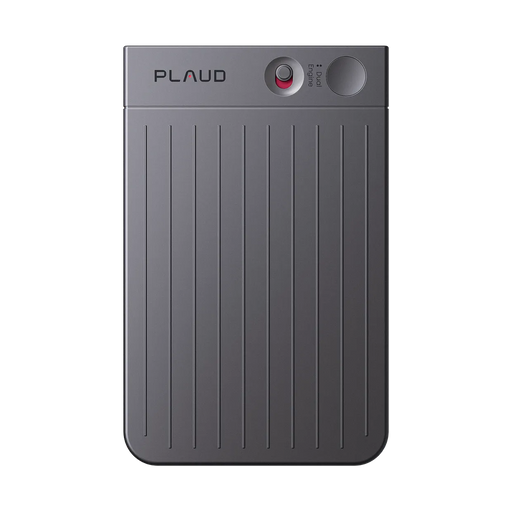
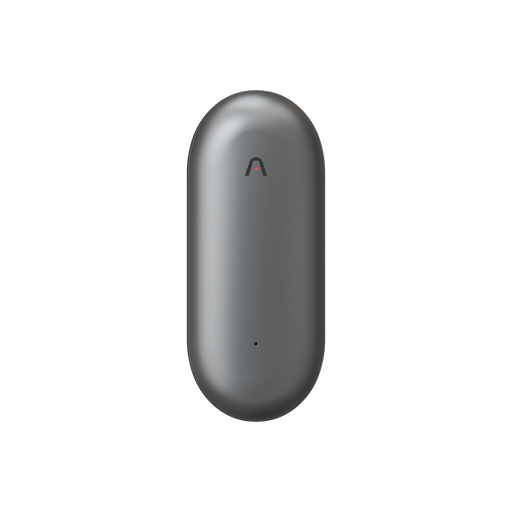
 For a solo clinician or small practice that wants to skip the AI-versus-human-layer decision altogether, Plaud NotePin S offers a different starting point: no platform to layer a review service on top of, no per-provider monthly commitment approaching four figures. Press the tactile record button, and Plaud Intelligence generates a structured note afterward, including SOAP and psychotherapy templates, for the clinician to move into the chart manually. For a small practice or department that wants several clinicians sharing one setup, Plaud Team adds centralized billing and device management for up to 50 seats without a sales call. Plaud doesn't offer ScribeEMR's human review layer or EMR-specific integration, but it carries HIPAA-aligned safeguards, SOC 2 Type II, ISO 27001 and ISO 27701, GDPR, and EN 18031 for the device's wireless communication, the same compliance set Plaud publishes, and will sign a BAA on request through its support team.
Decide whether you need a new AI tool or a review layer on your current one
The most useful distinction ScribeEMR offers is the one most competitors don't: you don't have to choose between your current AI scribe and better note quality. If editing burden or accuracy concerns are the problem, and switching platforms isn't appealing, Amplif.AI's platform-agnostic model and published price make it worth running the real math for your practice before assuming you need to replace what you already use.