
Create a client-confirmable recap and an internal account note without rewriting the call from scratch.
“We will check” can mean a feasibility answer to your team and a delivery promise to the client. By the time the account changes hands, the missing condition is often impossible to recover from a few shorthand notes.
One client call usually creates two records. The client needs a short, accurate confirmation of what each side agreed to. Your team needs the context behind the request, the commercial signal, and the next CRM update. Combining them into one polished summary creates trouble: internal interpretation can leak into a client email, while a cautious client statement can become an unconditional CRM commitment.
This template keeps the two records connected without mixing their audiences: a concise recap for the client, and an internal note that preserves the account context behind it.
Client meeting notes template and example
Download the free client meeting notes template as a PDF. The pages below show its sections in order, from the preparation prompts and the live commitment ledger to the client recap and the internal account note.


The client meeting notes template: preparation, ledger, and recap on the first page, the account note and decision map on the second.
Notice what the recap is built to keep. A conditional item is recorded with its condition and its date, and a request that was only investigated appears as a scope boundary, not as a promise. Neither would survive a summary that said the scope was agreed.
The internal account note sits apart for a reason. Its interpretation of the account never reaches the client recap, so the client confirms only what was actually said.
What is a client meeting notes template?
A client meeting notes template is a repeatable structure for turning one client conversation into two records: a short recap the client can confirm, and an internal account note your team keeps. It captures what the client asked for, what each side agreed to, the conditions attached, and who owns each next step.
Client meeting notes turn one conversation into two records with different readers. The client recap records decisions, actions, owners, dates, and scope boundaries in language the client can confirm. The internal account note keeps the commercial signals, team interpretation, and questions that still need verification.
Use Plaud to capture a client meeting and prepare both records
An AI voice recorder gives the account team a source to check before a cautious client statement becomes a recap item or CRM commitment.
With the client’s approval, use the recording to capture the conversation without trying to write two finished documents during the call. After Plaud generates a transcript and first draft, separate the confirmed client-facing commitments from the internal account context before anyone sends a recap or updates the CRM.
Ask for the client’s permission before recording, and follow your organization’s policy and applicable law. Keep the recorder off for any part of the conversation the client asks to keep private.
1. Capture the client meeting with Plaud Desktop or a Plaud device

Record with Plaud Desktop

Record with a Plaud device
One client relationship may run through a video call, a site visit, and a phone follow-up. Plaud Desktop can capture the computer meeting, while Plaud Note Pro can capture the room or phone call. After you buy a device, its recordings and Plaud Desktop recordings land in the same Plaud account and library.
When you need to confirm what was agreed across those conversations, reviewing the related records together helps you check the exact wording. You do not need to reconstruct the first conversation from a meeting platform, the second from a phone recording, and the third from handwritten notes before sending the recap.
Start recording after the client agrees. Press to Highlight when someone states a commitment, a date, or a condition, so you can return to that moment when completing the ledger.

 Plaud One
Voice-led capture and retrieval for work that continues after the conversation.
Shop now
Plaud One
Voice-led capture and retrieval for work that continues after the conversation.
Shop now

 Plaud Note Pro
Team meetings in the room or on a call, with every decision, owner, and date on record.
Shop now
Plaud Note Pro
Team meetings in the room or on a call, with every decision, owner, and date on record.
Shop now
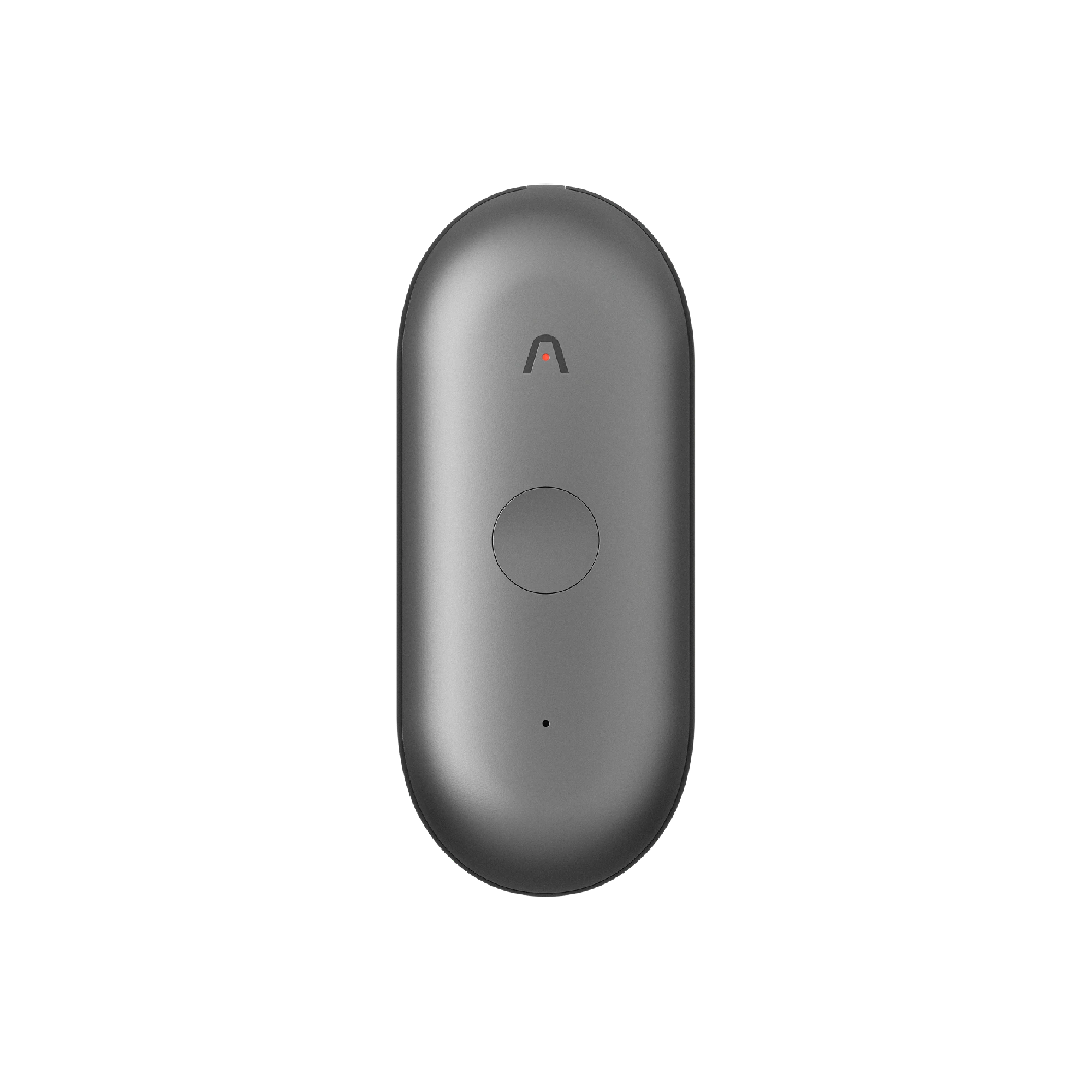
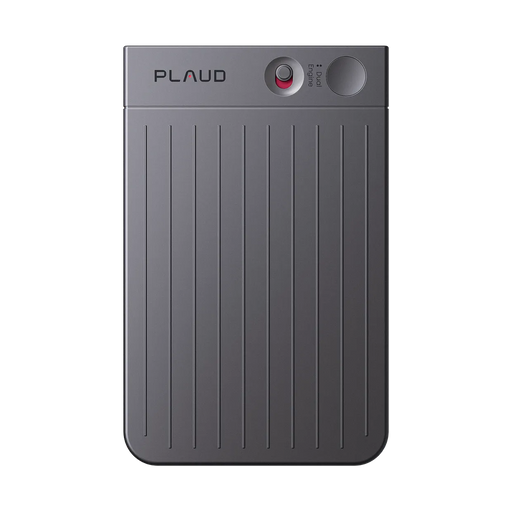
Choose the capture method around where the client conversation happens. Use Plaud Note Pro, a physical AI note taker, for an approved discussion around a table or a phone call that may need to be checked later. Use Plaud One, a wearable AI earbud, when the conversation continues away from a desk and you need to return to the original wording while preparing the recap.
Use a recording to create the first draft, then check the decisions, owners, dates, and conditions that require human judgment.
2. Generate the recap and account note with Plaud Web or Plaud App

Pick the template and generate

Ask Plaud any question to modify the template
Open the recording in Plaud App or Plaud Web and apply a custom client meeting template, with the recap and the account note as separate sections.
Check each commitment against the recording: who said it, who owns it, when it is due, and what condition still applies. Move commercial interpretation and internal risk signals into the account note. Send the client recap only after those two records have been separated and reviewed.
3. Prepare both records through Plaud MCP

Connect Plaud MCP to Claude or ChatGPT

Ask the assistant for the recap and the account note
Process the recording in Plaud first, so the transcript and summary are available in your account. Plaud MCP lets a connected AI assistant search your Plaud recordings and retrieve a transcript, summary, and action items. Connect it only with the access your organization has approved.
A bounded prompt works better than a general request:
Find the October 8 website launch planning call. Draft two separate records. First, a client recap with confirmed decisions, our actions, client actions, open questions, and scope boundaries. Second, an internal account note with new facts, evidence, our interpretation, an alternative interpretation, and confidence. Mark any commitment that was conditional or not explicitly agreed as “to confirm.”
Review both drafts before the recap goes to the client. The person who ran the call owns what the client receives.
Prepare the page before the client joins
Open the previous note before the call, rather than starting with a blank page. Pull forward the unresolved item that needs an answer, the commitment your team owes, and the question you need the client to settle. This lets the conversation move forward instead of reopening the same topic without context.

If you plan to record, tell the client before starting and obtain the consent and approvals required by the applicable policies and law. Share the agenda, relevant background, and open questions in advance when they will help both sides arrive prepared. The note then has a clear place for each answer or unresolved item.
Record commitments as claims someone can verify
During the call, mark moments where somebody requests, accepts, declines, or conditions an action. Capture the speaker's meaning closely enough that your team can distinguish “we will deliver” from “we will investigate.”
Use this compact ledger while the conversation is live:

If no owner or date was agreed, leave that visible. Filling the gap with an assumed name or deadline makes the note look complete while making the account less reliable.
The statement-status line keeps five different kinds of language apart. A request from the client, a suggestion from your colleague, and a confirmed commitment can all appear in the same ten minutes of conversation. They should not receive the same treatment in the client recap or the CRM.
Confirm the high-stakes wording before the call ends
Pause after a decision, commitment, or difficult request and say what you wrote down. For example: “Let me check that I have this right. We will confirm feasibility by September 29, and we have not agreed to a delivery date.” The client can correct the record while everyone still has the same conversation in mind.
Reading back an important point gives the client a chance to correct the record while everyone still shares the same context. That correction can change the follow-up, the CRM entry, and the scope the next colleague assumes is in place. Record it in the read-back field rather than relying on memory later.
Move each item to the right record
Use the ledger as the source, then make one deliberate pass through it. A client-stated problem and its wording belong in the internal note. A confirmed action, owner, and date belong in the recap. A proposed option or an item that still needs confirmation stays out of both commitments lists until the relevant person answers it.
After that pass, update only the CRM fields another colleague needs to act on: use case, risk, next action, owner, date, and material condition. Keep the transcript or detailed note as the source, and check dates, pricing, commitments, and ownership against the original conversation before they enter the pipeline record.
Output one: the client-confirmable recap
This is the portion you can send after the call. Keep it brief enough for the client to correct.

The boundary section prevents an answer from growing into a promise. “The solutions team will confirm feasibility by Friday” should remain a commitment to an answer. It should not become “the feature will be delivered Friday.”
Output two: the internal account note
Keep judgment, risk, and commercial interpretation in a separate internal block. Each signal should retain the evidence that prompted it.

“Client may expand in Q4 if security approval is complete” preserves both the opportunity and the condition. “Q4 expansion” discards the part most likely to determine whether the opportunity exists.
Keep the relationship map beside the meeting record
The note should show who can approve, influence, block, or carry the next action. Keep it factual and update it only when the conversation gives you evidence.

An absent sponsor, a new procurement contact, or a decision maker who has stopped attending changes what the next account owner should prepare. The map belongs with the internal note because it describes account context, not an external commitment.
Worked example: a quarterly account review
The client says manual invoice matching is taking several hours each week and asks whether the weekly export can include a carrier reference. The solutions engineer says the team will check the export schema and reply by September 29. Nobody commits to building the field.
The same conversation produces these two records:


The client recap contains no sales speculation. The internal note keeps the opportunity attached to evidence and identifies what the account team still needs to learn. Keep observations about communication style or meeting format as context for the next call, not as labels attached to the client.
Change the emphasis for the type of client meeting
Keep the commitment ledger in every version, then add the fields that match the call.
01 Discovery call
Capture the current process, the consequence of the problem, who experiences it, what has already been tried, the decision process, and the evidence the client needs next. Avoid converting curiosity into purchase intent.
02 Client kickoff
Capture the business goal, success measure, scope boundaries, client approver, review process, files or access the client needs to provide, and the first milestone. Separate an estimate from an approved delivery commitment. If work cannot begin until the client supplies data or access, put that dependency in the client recap with the owner and checkpoint.
03 Delivery or status meeting
Lead with milestone status, accepted work, blocked work, change requests, decisions required from each side, and scope or timeline effects. Link every new request to an assessment owner before anyone treats it as approved work.
04 Quarterly business review
Record the outcomes achieved, adoption gaps, repeated requests, upcoming priorities, renewal timing, and executive decisions. Keep interpretation such as renewal risk inside the internal note unless the client stated it directly.
05 Renewal or commercial discussion
Record the renewal date, budget owner, commercial request, requested concession, procurement step, contract or security dependency, decision date, and value evidence the client needs. A question about price or a request for information stays a question until the client confirms the decision process and commercial intent.
06 Support escalation
Preserve the reported impact, affected users, start time, workaround, technical owner, next update time, and the exact commitment made about resolution. A promise to provide an update is different from a promise to resolve the issue by that time.
Send the recap without rewriting the meeting
Use the client-facing block to draft a short same-day email:
Subject: [Meeting name] | decisions and next steps

Hi [client contact],

Thanks for today's discussion. Here is the record I captured.

Decisions
- [Decision and any condition]

Our actions
- [Action] | [Owner] | [Date]

Your actions
- [Action] | [Owner] | [Date]

Open question or dependency
- [Question, boundary, or approval still needed]

Our next update is [date or meeting]. Please reply if I have misunderstood
anything we agreed.
Review the names, dates, conditions, and scope before sending. Internal risk notes, sales hypotheses, and confidence labels do not belong in this message.
Keep a thread between meetings
Before the next call, carry forward unresolved items with their original date and latest status. Repeated requests should become easier to see, not disappear inside a fresh page.

Escalate when a promised date has passed, a dependency has been supplied without a response, the issue blocks delivery or a client decision, or the client returns with stronger urgency. Repeated requests show that the item remains unresolved; the note should also state what is still blocking progress and who can remove that block.
Check whether the note can survive a handover
Before you close the record, ask whether a colleague could answer these questions without reopening the call:
What did the client actually ask for?
What did we agree to, and what are we only investigating?
What is blocked, by whom, and until when?
Which item should we raise first in the next meeting?
Which CRM facts are verified, and which are still hypotheses?
If one answer is missing, return to the ledger or transcript while the call is still familiar. This check keeps the template focused on account continuity rather than on producing a long narrative of the meeting.
Review the transcript as source material
The transcript remains source material. Before copying a summary into the CRM or sending it to the client, check the speaker, whether the statement was a request, possibility, or commitment, the owner, date, and condition. Words such as “could,” “pending,” and “subject to” often carry the difference between interest and agreement.
You do not need to replay the call to check one line. Through Plaud MCP, a connected AI assistant can retrieve the transcript and find the exact wording around a commitment, such as every point where the client said “pending” or “subject to.” Read that passage yourself before it changes the recap or the CRM.
After review, update structured CRM fields once. Link back to the full note or transcript only where your access and retention policies allow it. This reduces repeated rewriting while keeping the searchable account record concise.
More meeting templates
Related templates for sales conversations, recurring team work, and evidence-based client follow-up.
Sales call notes template
Separate what the customer confirmed from what is still conditional, before anything reaches the CRM.
View template →Meeting notes template
A working record for any recurring meeting, from rough capture to confirmed outcome.
View template →Consulting report template
Trace every recommendation back to its evidence, cost, owner, and next test.
View template →