
Includes call context, customer situation, pain points, stakeholders, budget, timeline, objections, commitments, next steps, and a verification check before anything reaches the CRM.
Sales call notes should make four things easy to find afterward: the customer's situation, what they actually committed to, what is still conditional, and what happens next. A template keeps those facts separate from the surrounding conversation.
We saw this problem clearly in Reddit discussions among sales and RevOps professionals: a rep finishes a call with shorthand, a transcript arrives later, and the team still has to work out which statements were confirmed, conditional, or unanswered. The same risk appeared repeatedly: an AI summary can turn “maybe in Q4 if security approves it” into a definite Q4 rollout.

Use the free sales call notes template below for discovery, demo, follow-up, and negotiation calls. Download it as a PDF or Google Doc, then compare your draft with the filled example in the PDF. If you record calls, an AI note taker can also turn the recording into a structured first draft for you to review.
Sales call notes template and example
Download the free sales call notes template as a PDF. The pages below show its sections in order, from the call details and customer situation to the verification table and CRM status.


The sales call notes template: call details through buying context and objections on the first page, commitments, verification, and CRM status on the second.
The verification table is what keeps conditional language from becoming a CRM fact. A timeline that depends on a security review is recorded with that condition, not as a committed date, and a budget that was never discussed stays blank rather than being estimated.
For example, a buyer may say that a rollout is possible in Q4 if security approves the pilot. The rep should record the security review as the dependency, keep the date conditional, and assign a follow-up to confirm the review process rather than moving the opportunity to a committed Q4 stage.
Use Plaud to capture and draft approved sales call notes
An AI voice recorder helps a sales rep check the customer's wording before updating the opportunity or sending a follow-up.
Recording laws and company policies differ by location and call type. Tell participants when you are recording, obtain any required consent, and follow the organization's rules for customer data, retention, access, and CRM integrations.
Once the call is approved for recording, use Plaud to prepare a first draft. The steps below show how to capture the conversation, apply a sales template in Plaud Web or Plaud App, and verify customer language before a CRM update or customer-facing follow-up.
1. Capture the approved sales call with Plaud Note Pro

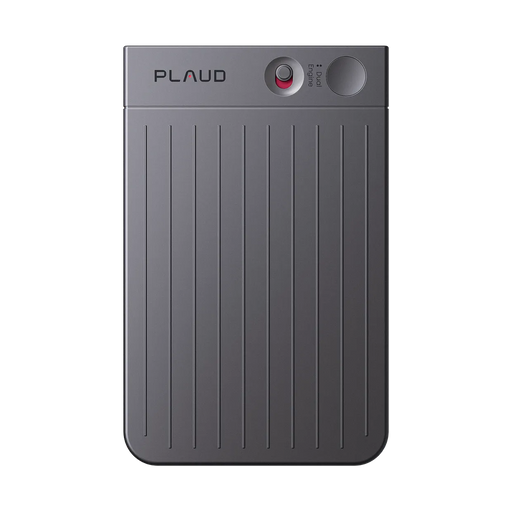
Record with Plaud Note Pro

Long press to record, short press to highlight
Use Plaud Note Pro for approved desk, phone, and in-person sales conversations. Start the recording when the call begins, then open it in Plaud App or Plaud Web once the call ends.
Discovery, demo, follow-up, and negotiation calls can stay in the same library. Before the next customer conversation, the rep can check the original wording on a promised date, security dependency, or next step instead of relying on a shortened CRM summary.
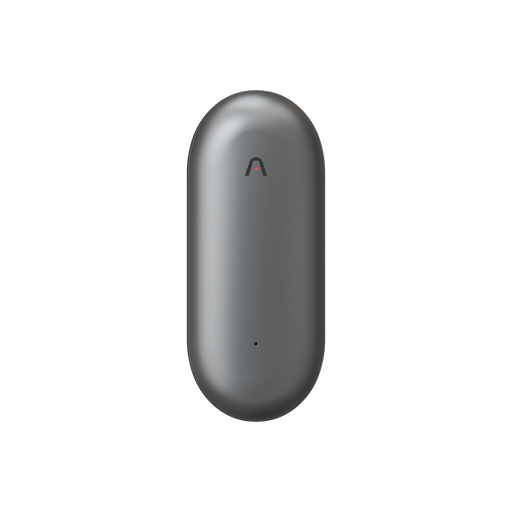
Which Plaud device fits sales calls?
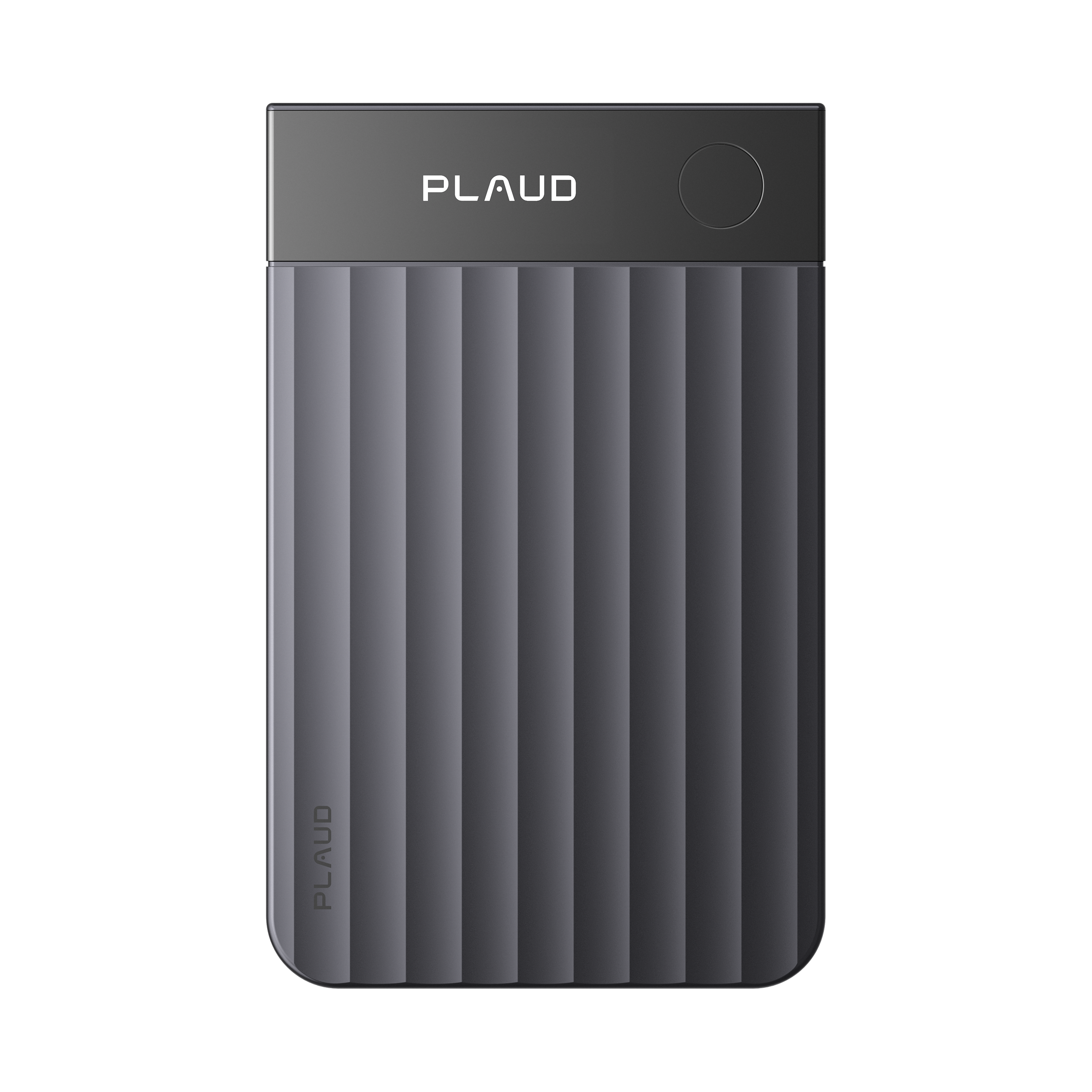
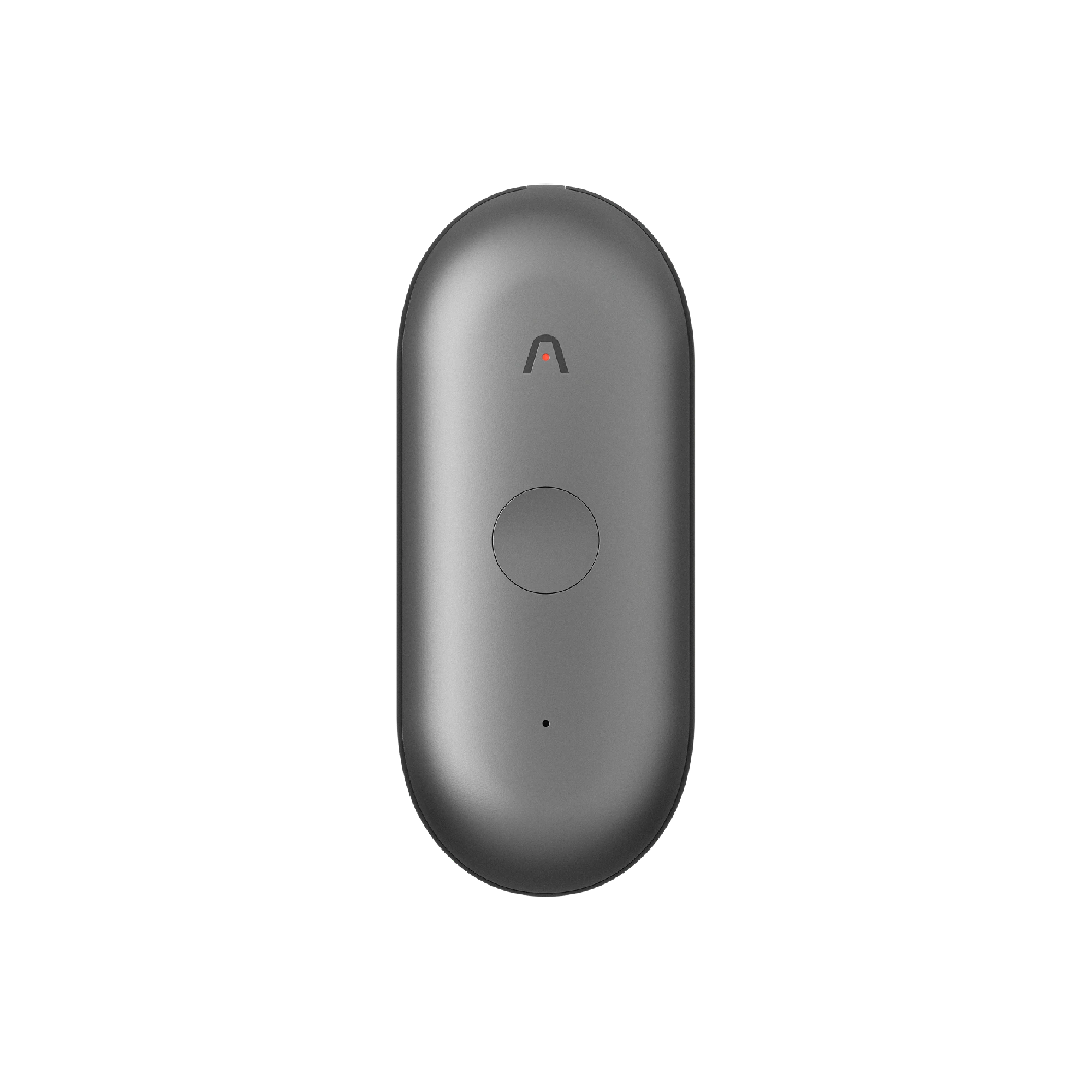
Plaud Note Pro is the recommended physical AI note taker for reps who take approved phone calls and meet customers in person. The reviewed transcript and summary give the rep a source to check before updating the opportunity or sending a recap.


Recording consent and company policy still apply to every call, regardless of device.
2. Generate a first draft with Plaud Web or Plaud App

Pick the template and generate

Ask Plaud any question to modify the template
Open the recording in Plaud Web or Plaud App and apply a sales template that matches the fields your team reviews after a call, such as customer situation, stakeholders, budget, timing, objections, commitments, and next steps. Custom summary templates can align the generated note with those fields.
Compare the draft with the transcript or recording. Keep conditions attached to the timeline, separate customer statements from rep interpretation, and mark missing details for follow-up.
Once reviewed, the Salesforce integration can log the note as a completed task against a contact and an account or opportunity. Each push creates a new task, so check the CRM before sending the same note twice.
3. Generate a first draft through Plaud MCP

Connect Plaud MCP to Claude or ChatGPT

Ask the assistant for the sales call note
Connect Plaud through MCP only when the organization approves the assistant and the customer-data workflow. Plaud MCP can list recordings, search for a specific call, and retrieve its transcript or summary. Ask for the customer situation, pain points, stakeholders, budget, timeline, objections, commitments, and next steps. Tell the assistant to retain conditions such as pending approval, a proposed date, or an unconfirmed budget.
Use a prompt that tells the assistant what to include and what requires human review:
Find the approved discovery call for the example manufacturing account.

Draft sales call notes with customer situation, pain points, stakeholders, budget, timeline, objections, commitments, and next steps.

Preserve conditional wording. Mark pricing, dates, and customer commitments for verification. Do not infer budget, approval, or decisions that the customer did not state.
Confirm the account, contact, opportunity, pricing, timeline, commitments, and next-step owners before using the draft for the CRM entry or a customer-facing message.
Capture the approved call, generate a transcript, and review a structured sales note before anything reaches the CRM or a customer follow-up.
What is a sales call notes template?
A sales call notes template is a repeatable structure for recording a sales conversation. It separates the call's practical details (account, opportunity, call type, objective) from the customer's situation, buying context, objections, commitments, and next steps, so one reviewed record can support the CRM, a follow-up email, and an internal handoff.
A transcript preserves every word from the call. Sales notes condense that conversation into the facts another rep or manager needs: the customer’s current process, desired change, stakeholders, and confirmed commitments. A quick prospecting call may need only a few lines; a discovery or negotiation call usually needs budget, timeline, and approval status captured in full.
How to use the template before, during, and after the call
Prepare the questions you need answered, capture the customer's exact language during the call, then verify the record before it spreads to the CRM and follow-up email.
01 Before the call: pre-fill what you already know
Open the account and opportunity record, review the previous commitments, and pre-fill the call objective. Add the questions that remain unanswered, especially around stakeholders, decision criteria, approval steps, and timing.
02 During the call: capture language, not just conclusions
Capture short phrases, exact customer language, and timestamps for statements that may affect pricing, timeline, commitments, or forecast. Mark an item as conditional or unresolved as soon as the customer introduces a dependency.
- End by reading back the next steps
- Confirm the action, owner, due date, and any condition that could prevent completion
03 After the call: verify before the record spreads
Complete the structured note before moving to the next account task. Check the transcript or recording for pricing, dates, commitments, and customer wording. Update the CRM from the reviewed version, then draft the follow-up email from the same action table.
Key components of a sales call notes template
Use these fields to record the information that changes the next sales action.
- Call details: Account or prospect, opportunity, call type, sales owner, attendees on both sides, and one stated call objective. This is what tells a reader why the call happened without opening the calendar invite.
- Customer situation: Current process, main pain points, business impact, desired outcome, use case, and success criteria — in the customer's own terms wherever possible.
- Buying context: Champion, decision maker, other stakeholders, budget, timeline, approval process, and alternatives under consideration. Mark anything not discussed as not discussed, not as zero.
- Objections, commitments, and next steps: Each question or objection with its type and the customer's own wording. Each commitment with one named owner and a due date or an explicit “to confirm.”
- Verification before CRM entry: Pricing, budget, timeline, customer commitment, decision maker, and next-step owner, each marked confirmed, conditional, not discussed, or to verify — before any of it becomes a CRM fact.
Separate customer evidence from sales interpretation
Customer language, rep interpretation, and confirmed commitments serve different readers. Store them in separate fields when a distinction could affect forecasting or follow-up.
| Record type | Example | How to use it |
|---|---|---|
| Customer evidence | “We could look at Q1 if security approves the pilot.” | Preserve the condition in the note and transcript reference |
| Rep interpretation | Security approval appears to be the current timing dependency | Label as interpretation rather than customer commitment |
| Confirmed commitment | Security lead will return the questionnaire by October 15 | Enter the owner and date after confirming them |
| Open question | Budget owner has not been identified | Keep the field unresolved and assign a discovery action |
The separation is especially important for pricing, budget, dates, legal approval, procurement, and customer promises. A polished sentence can still be wrong if it removes a condition or assigns certainty that the customer did not express.
Map the note to CRM fields
A long narrative makes the next rep search for details that could have been stored in the correct field. Match the template to the team's actual CRM layout before using it widely.
| Template field | Possible CRM destination | Review before saving |
|---|---|---|
| Call summary | Activity or completed call | Does it describe the customer situation and outcome without unsupported interpretation? |
| Pain points and impact | Opportunity notes or qualification fields | Did the customer state the impact, or did the rep infer it? |
| Stakeholders | Contacts, roles, or opportunity team | Are decision authority and influence confirmed? |
| Budget and timeline | Qualification or forecast fields | Are values confirmed, estimated, conditional, or unknown? |
| Objections and risks | Opportunity risks, notes, or custom fields | Is there an owner and follow-up for each unresolved item? |
| Next steps | Tasks, meetings, or mutual action plan | Does every action have one owner and a date or scheduling action? |
CRM field names differ across organizations. Use the fields that sales operations has approved, and avoid creating a second unofficial record that the rest of the team cannot find.
How to adapt the template for different sales calls
Change the emphasis by call type. A discovery note needs evidence about the current situation and buying process; a negotiation note needs exact commercial conditions and approval steps.
| Call type | Give most attention to | Record before ending the call |
|---|---|---|
| Prospecting | Trigger, current priority, relevance, and interest level | Agreed follow-up or reason for no next step |
| Discovery | Current process, pain, impact, stakeholders, criteria, and buying process | Missing information and next discovery action |
| Demo | Use cases shown, questions, reactions, gaps, and technical requirements | Evaluation owner, requested material, and next evaluation step |
| Follow-up | Changes since the last call, completed actions, blockers, and new stakeholders | Updated owner, date, and dependency for each action |
| Negotiation | Commercial terms, approval status, objections, and unresolved conditions | Exact commitments, approval owner, and open term |
| Handoff | Account history, promised outcomes, active risks, relationships, and near-term actions | New owner, customer-facing message, and transition date |
This focus keeps a discovery call from becoming a feature inventory and keeps a negotiation note from burying the commercial conditions under general discussion.
More meeting and call templates
Related templates that also separate source information from internal interpretation.
Client meeting notes template
Keep the client-facing recap separate from the internal account note.
View template →Meeting notes template
A working record for any recurring meeting, from rough capture to confirmed outcome.
View template →Consulting report template
Trace every recommendation back to its evidence, cost, owner, and next test.
View template →Use one reviewed record for the next action
Copy the template and adapt its fields to the team's sales method and CRM. Test it on one discovery call, then check whether another rep can identify the customer problem, buying conditions, deal risk, and next action without replaying the full conversation. Revise the prompts that still require explanation.