
Includes the client decision, executive brief, evidence chain, contrary evidence, implementation owners, and decision gates.
A consulting report should help the client decide what to approve, what to delay, who will own the first move, and what evidence would change the advice. Those questions belong on the executive page, not at the end of a long findings section.
This template starts with that decision, then lets the reader trace each recommendation through observed evidence, alternative explanations, contrary findings, costs, assumptions, and an implementation test. Copy the full template, then compare it with the completed warehouse-throughput example.
Consulting report template and example
Download the free consulting report template as a PDF. The pages below show its sections in order, from the executive decision brief and the evidence chain for each finding to the recommendations and the risks.


The consulting report template: report details and the executive brief on the first page, findings and recommendations on the second.
Notice how each finding is built. It records what was observed beside an alternative explanation and the evidence that does not fit, and states the limit. The recommendation then follows from that limit, rather than from the most convincing story.
The report gives the client several places to challenge the advice without discarding the work. They can ask whether the cost definitions are agreed, whether the fulfilment figure will move, or whether the split-shipment target is the right measure. Each question has a defined place in the report and a consequence for the next decision.
What is a consulting report template?
A consulting report template is a repeatable structure for turning an engagement into a decision the client can test. It puts the answer on the executive page, then lets the reader trace each recommendation through its evidence, the alternative explanations considered, the evidence that does not fit, the cost, and the conditions that would change the advice.
A consulting report connects each finding to a client decision. It identifies the source, period, sample, and limit behind the finding, then shows how that evidence supports a recommendation. A short engagement may need only the executive brief and two findings, while a larger one can repeat the finding and recommendation blocks for each decision the client faces.
Use this structure after the engagement team has agreed on the decision the client faces. A report can include several findings, but each recommendation should still point back to one specific client choice. Remove sections that do not affect that choice rather than filling every heading with background material.
Make the evidence visible enough for the client to challenge the recommendation at the right level. They may question the sample, interpretation, cost, or test design, then see how that question changes the next decision.
Build the evidence chain before drafting the narrative
Consulting teams often have more material than a client can absorb: interview notes, operating data, slides, financial models, and workshop outputs. The report becomes easier to write when each proposed finding first has a small evidence chain.
Start with the claim. Then name the source, observed evidence, interpretation, alternative explanation, and decision implication. Add the strongest evidence that limits the claim. A stakeholder saying that the routing process is frustrating may help explain the mechanism. It does not establish the frequency or impact on its own.
Keep the template separate from the completed example. The blank template tells the team what evidence and decisions to capture. The example shows how a specific claim, data point, limitation, and recommendation fit together for one client decision.

If an interview observation and a data pattern point in the same direction, record both. If they conflict, keep the conflict visible. The contrary evidence may narrow the recommendation, change the test design, or show that another segment needs a different answer.
Use Plaud on an approved consulting engagement
Choose AI recording devices around the research setting, whether the work involves stakeholder interviews, on-site observation, or a walk-through between locations.
A stakeholder interview can add a source to the evidence chain, but it cannot settle a consulting finding on its own. When the engagement permits recording, use the appropriate Plaud device to preserve the exact wording of an assumption, disputed fact, number, or proposed action. Press to Highlight can mark those moments for later verification while the interview is still in progress.
Get the client's approval and participant consent required by contract, organization policy, and applicable law before recording. Agree on access, retention, confidentiality, and how recordings will be handled when a session covers sensitive information. The steps below move from capturing the approved interview, to building an evidence register, to checking each material claim against data, documents, and the agreed scope before it enters the report.
1. Capture approved interviews with Plaud NotePin S or Plaud Note Pro
Record with Plaud NotePin S
Record with Plaud Note Pro
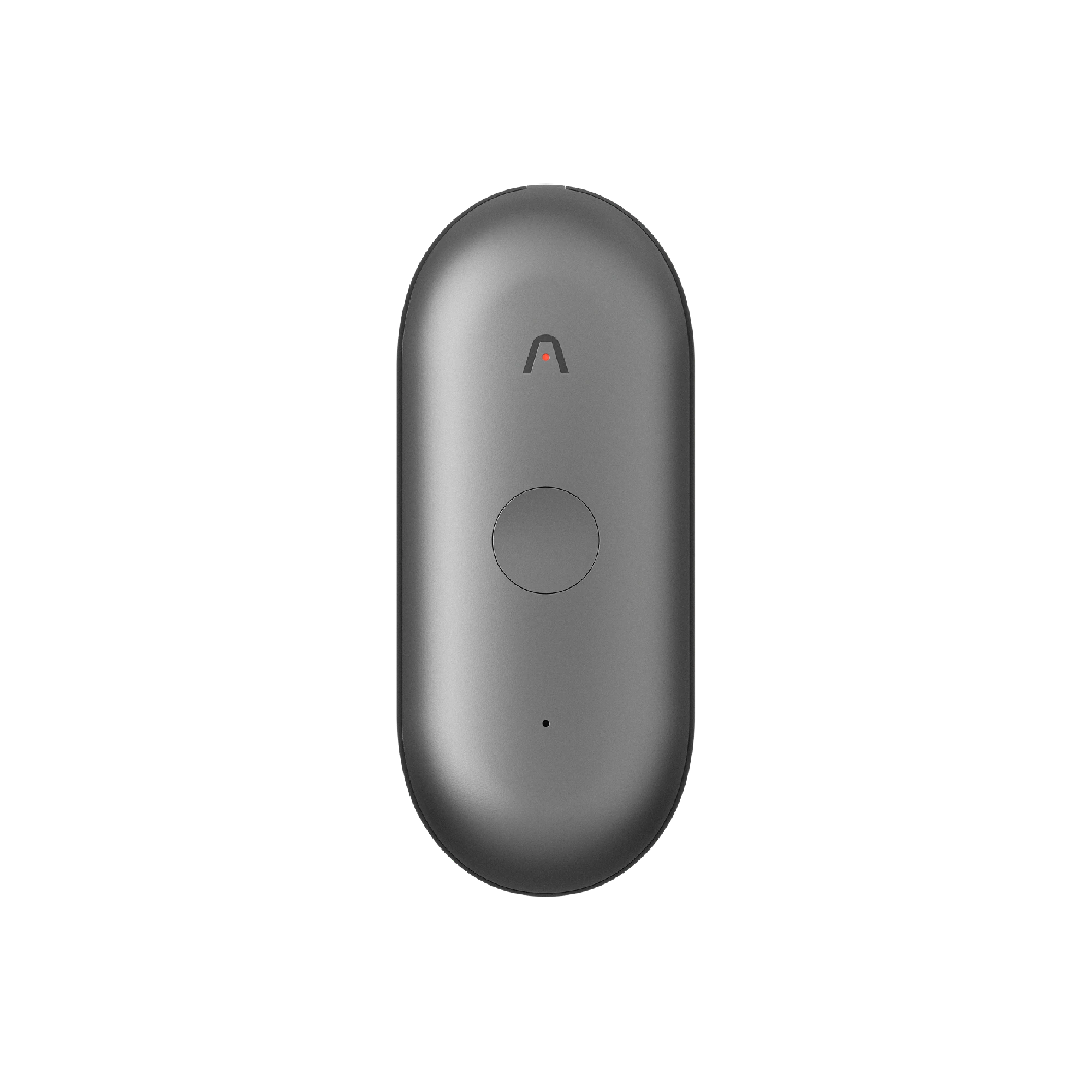
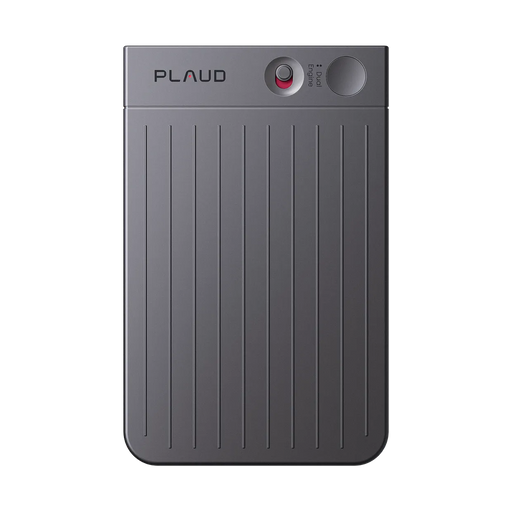
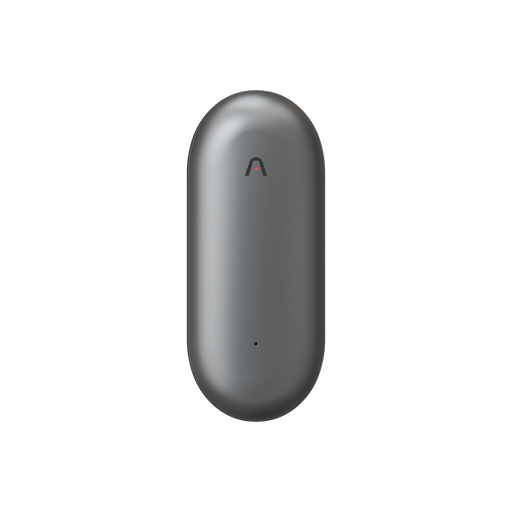
An engagement can move between interviews around a table, site visits, and phone follow-ups. Plaud Note Pro can capture the room or phone call, while Plaud NotePin S is worn during site visits and walk-throughs. Recordings from both devices land in the same Plaud account and library.
Start after the approved notice or consent step. Press to Highlight when an interviewee states a number, names a dependency, challenges an assumption, or describes a decision the team will test in another source.

 Plaud NotePin S
Wearable capture for conversations where you are moving between rooms.
Shop now
Plaud NotePin S
Wearable capture for conversations where you are moving between rooms.
Shop now

 Plaud One
Voice-led capture and retrieval for work that continues after the conversation.
Shop now
Plaud One
Voice-led capture and retrieval for work that continues after the conversation.
Shop now

 Plaud Note Pro
Team meetings in the room or on a call, with every decision, owner, and date on record.
Shop now
Plaud Note Pro
Team meetings in the room or on a call, with every decision, owner, and date on record.
Shop now
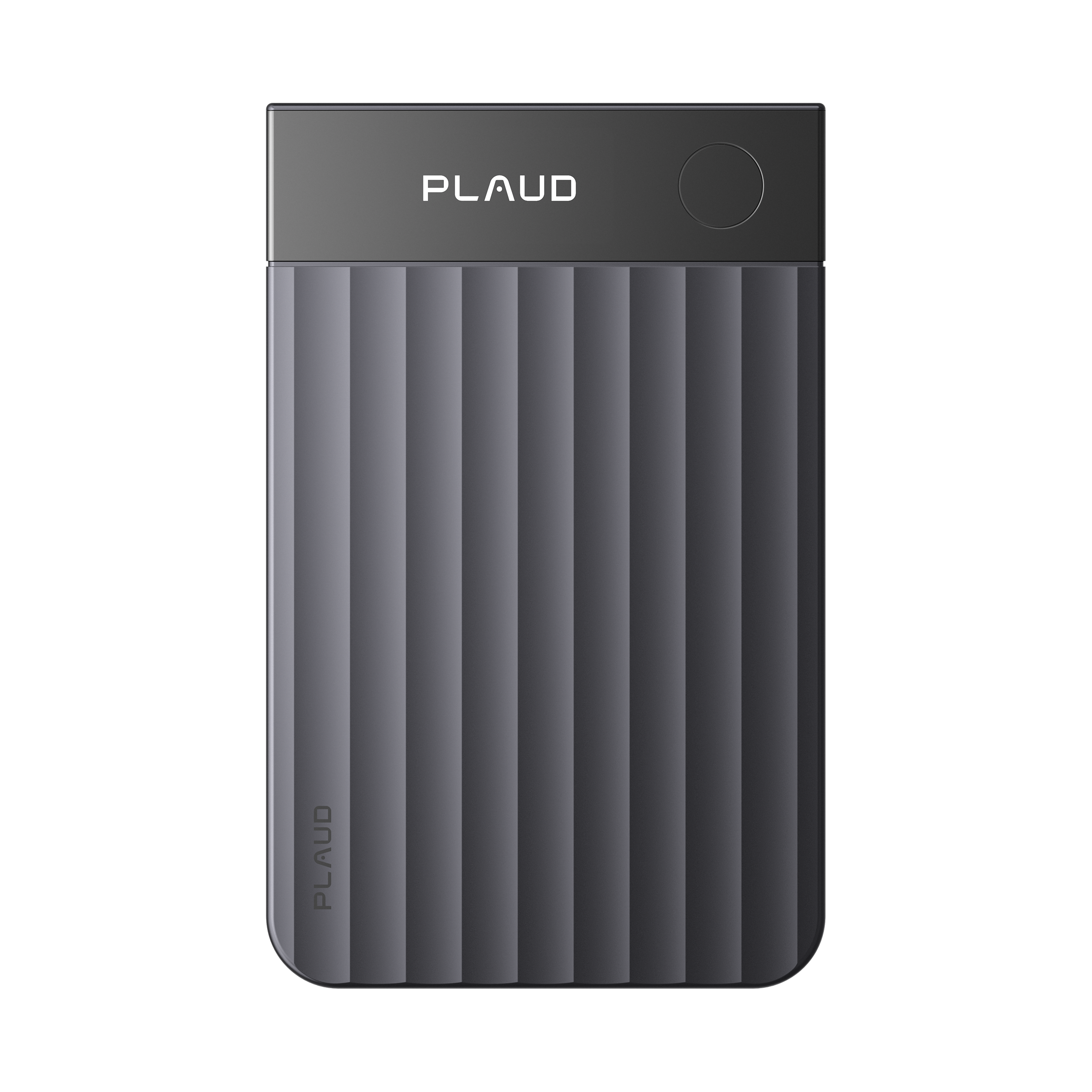
Choose the capture method around where the interview happens. Use Plaud Note Pro for an interview around a table or a phone call where a claim may need to be traced later. Plaud NotePin S is a wearable AI note taking device for site visits and walk-throughs where you move between rooms. Use Plaud One, a wearable AI earbud, when the conversation continues away from a desk and you need to return to the original wording.
Use a recording to create the first draft, then check the decisions, owners, dates, and conditions that require human judgment.
2. Turn the conversation into an evidence register with Plaud Web or Plaud App

Pick the template and generate

Check a claim against the interview record
Open the recording in Plaud App or Plaud Web and apply a custom evidence-register template. Start with the claims that could affect the client's decision, such as a reported cost, a delivery constraint, a disputed operating fact, or a proposed action.
Use Ask Plaud to return to the relevant part of the interview when a claim needs context. Check who made the statement, what they actually observed, the conditions they named, and whether another source confirms or challenges it. Record the speaker's role and source reference beside the claim.
Then compare the draft with the relevant data, documents, and agreed scope. Add only verified claims, their limitations, and exhibit references to the report. The engagement team remains responsible for the recommendation, confidentiality choices, and client-facing conclusion.
3. Find the source through Plaud MCP

Connect Plaud MCP to Claude or ChatGPT

Ask the assistant for the claims
Plaud MCP lets a connected AI assistant search Plaud recordings and retrieve a transcript or summary. Use it to find where a claim came from, and keep the decision about what counts as evidence with the engagement team.
Find the [date] interview with the [role].

List each claim with the speaker's role, any number or assumption stated, and the wording around it.

Mark any claim that needs a data or document source as “to verify.” Do not turn an interviewee's view into a finding.
Check each quote against the recording before it enters the evidence register.
Use the report across the engagement
01 Before fieldwork: agree on the decision and the evidence standard
Ask the client what approval or choice will be needed at the end of the engagement. “Improve fulfilment” is a goal. “Approve the routing test before deciding on six roles” is a decision. Write the decision owner, deadline, options, and success measure at the start of the report file.
Then build the evidence register before interviews and analysis begin. List the sources expected to answer the question, the scope each source can support, and the gaps that will remain. This prevents a late-stage report from treating every stakeholder observation as proof.
02 During fieldwork: preserve source and scope beside each finding
When a stakeholder makes a material claim, capture the role, context, and a reference that lets the team find the source again. Keep a distinction between what the person observed, what they inferred, and what the consultant will test in data. A concise interview synthesis can serve the report better than pages of quotation.
As results appear, test the recommended action against a plausible alternative. This shows whether the evidence supports the chosen action more directly than a cheaper option with fewer operational changes.
03 Before delivery: make the executive page stand on its own
Draft the executive decision brief after analysis is stable. A client who reads only that page should see the choice, recommended action, cost or range, main risk, named owner, and next decision gate. The rest of the report should answer the questions that page raises.
Run a final review with someone who did not build the analysis. Ask them to trace one recommendation back to its evidence and forward to its test. If they cannot find the chain quickly, add a reference, remove background text, or tighten the decision wording.
Keep stakeholder interviews traceable without filling the report with quotations
Interviews can reveal why a process behaves the way it does, especially when data shows a delay but not the mechanism. They also carry bias, role-specific incentives, and incomplete visibility. Treat interview evidence as a source with a scope, not as a vote count.
Use an interview reference when exact language changes responsibility, scope, or a disputed fact. Otherwise, synthesize themes and name the corresponding data, document, or observation that supports or challenges them. The final report should let the client follow material claims without distributing raw conversations that are outside the agreed scope.
More related templates
Templates for client records, project learning, and formal decisions that need a traceable follow-up.
Client meeting notes template
Keep the client-facing recap separate from the internal account note.
View template →Project debrief template
Turn what went wrong, and right, into changes to the documents the next project will use.
View template →Board meeting minutes template
Record the motion, the vote, and the conditions attached to each board decision.
View template →Give the client a decision they can test
A consulting report has done its job when the client can see the decision, trace the evidence, challenge the assumption, assign the first action, and know when to revisit the advice. The report then becomes part of the decision process, not a document that ends when it is presented.