
Includes meeting context, live capture cues, confirmed outcomes, personal follow-up, routing fields, and a completed example.
A detailed page of notes can create a second round of work. After the meeting, actions move into a task tool, the summary becomes an email, and the original context has to be rebuilt before the next call.
That gap appears at both ends of the meeting. When the conversation moves quickly, it is hard to decide what deserves a full sentence. Afterwards, the same notes may be copied into several places before anyone can act on them.
One person who handled several meetings a day described preparing an agenda, documenting the discussion, extracting actions, copying the same material into email, and then managing those actions separately. Another participant struggled earlier in the process because the conversation moved faster than they could decide what mattered. In both cases, the work expanded beyond the meeting itself.

This template gives live notes somewhere to land, then separates confirmed outcomes from items that still need checking. At closeout, each confirmed item can move to a task, project document, calendar, or follow-up message while the note keeps the surrounding context.
Meeting notes template and example
Download the free meeting notes template as a PDF. The pages below show its sections in order, from the preparation prompts and live capture to the confirmed items, follow-up, and routing.


The meeting notes template: preparation, live capture, and confirmation on the first page, follow-up, routing, and search anchors on the second.
The rough capture becomes useful only after its conditions are made visible. A direction recorded with its condition can be acted on safely, while moving only the approved part into a task would remove the boundary and create a different decision.
What is a meeting notes template?
A meeting notes template is a repeatable structure for the working record of a meeting. It separates what you capture while people are talking from what was confirmed before the meeting ended, then routes each confirmed item to the place where someone will act on it.
Meeting notes are a personal or team working record. They can stay rough while people are speaking, then become reliable once the important points have been checked. Live-capture tags mark decisions, possible actions, unclear points, risks, and links, so the reviewer can distinguish a confirmed commitment from an item that still needs follow-up.
Use one copy for any meeting where you need a personal or team working record, then delete the sections that do not fit. A shorter page leaves more room for listening and makes the few marked lines easier to find after the call.
The live-capture section can stay messy because it is evidence for your own review, not the finished deliverable. Spend the editing time where wording changes consequences: confirmed outcomes, unclear claims, and anything another person will act on.
Meeting notes are a working record
Open a meeting note a week later, and you should be able to pick up the thread without replaying the entire conversation. The page may still look unfinished, with shorthand, a question to check, or a link someone dropped into the chat. Those fragments are worth keeping when they help you recover what mattered and decide where the work should continue.
Formal minutes serve a different audience. They may be reviewed by people who were not in the room or retained as an official record, so attendance, decisions, and assigned actions need a more controlled review process.
| Meeting notes | Meeting minutes |
|---|---|
| A working record for the note-taker or immediate team | A formal record for attendees, stakeholders, or governance needs |
| Can include shorthand, questions, links, and personal reminders | Uses reviewed wording and agreed outcomes |
| Changes as information is clarified or moved elsewhere | Usually closes after review or approval |
| Helps someone continue thinking and working | Documents what the group formally did |
Because the two records serve different readers, polishing every personal note into minutes adds work without improving the next decision. Keep the working note loose enough to support recall. When the organization requires a formal record, create minutes through its approved template and review process.
Use Plaud to capture an approved meeting and prepare a working note
An AI voice recorder helps keep the source available when a working note needs to reconnect a video call, in-person discussion, or phone follow-up.
Use the recording to recover context after the meeting, then turn it into a working note that separates confirmed decisions from possible actions, unresolved questions, risks, and useful links. A summary template can structure one recording; a custom template can match the fields your team checks before routing work.
Not every meeting is suitable for recording. Confirm participant consent, company approval, and local legal requirements first. Personal, legal, customer, or confidential material may need an unrecorded conversation or an approved internal process.
1. Capture the meeting with Plaud Desktop or a Plaud device

Record with Plaud Desktop
Record with a Plaud device
One recurring meeting may run on a video call, continue in a hallway conversation, and finish with a phone call the next day. Plaud Desktop can capture the computer meeting, while Plaud Note Pro can capture the room or phone call. After you buy a device, its recordings and Plaud Desktop recordings land in the same Plaud account and library.
When you need to route actions from the whole sequence, reviewing the related records together helps you check what was actually agreed. You do not need to reconstruct the first conversation from a meeting platform, the second from a phone recording, and the third from handwritten notes before assigning the follow-up.

 Plaud One
Voice-led capture and retrieval for work that continues after the conversation.
Shop now
Plaud One
Voice-led capture and retrieval for work that continues after the conversation.
Shop now

 Plaud Note Pro
Team meetings in the room or on a call, with every decision, owner, and date on record.
Shop now
Plaud Note Pro
Team meetings in the room or on a call, with every decision, owner, and date on record.
Shop now
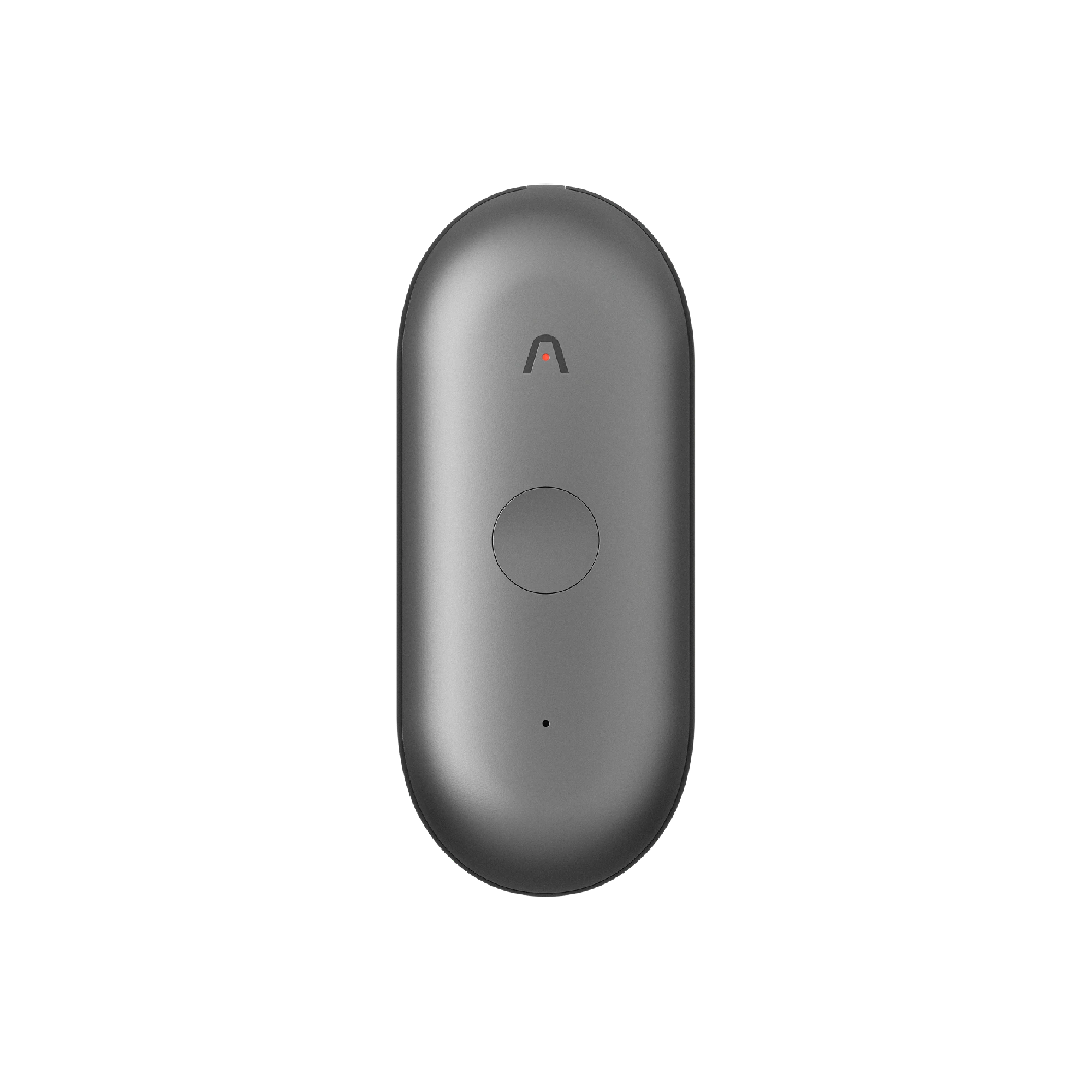
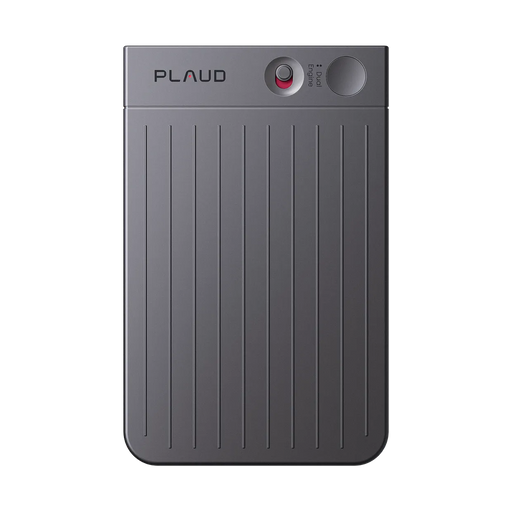
Choose the capture method around where the conversation happens. Use Plaud Note Pro, a physical AI note taker, for an approved discussion around a table or a phone call that may need to be checked later. Use Plaud One, a wearable AI earbud, when the conversation continues away from a desk and you need to return to the original wording during follow-up.
Use a recording to create the first draft, then check the decisions, owners, dates, and conditions that require human judgment.
2. Generate a meeting-notes draft with Plaud Web or Plaud App

Pick the template and generate

Ask Plaud any question to modify the template
Open the recording in Plaud Web or Plaud App and apply a meeting notes template, or a custom structure based on the template in this article.
Plaud's Template Community includes official and community-built formats for meetings and other professional contexts. You can customize a template and set a default for future recordings. If the result needs changing, ask Plaud a question about the note and revise the draft before you share it.
Review conditions, owners, dates, and sensitive content before moving any item into another system.
3. Prepare a meeting-notes draft through Plaud MCP

Connect Plaud MCP to Claude or ChatGPT

Ask the assistant for the working note
Plaud MCP can allow a connected AI assistant to read a recording after its transcript and summary have been generated. The assistant can then help retrieve a previous discussion or draft the next working note from approved material.
Connect the approved Plaud account, then ask for one named meeting or a narrow topic rather than an unrestricted summary of every recording. An example prompt could read:
Find the October 14 mobile onboarding product review.
Draft a working meeting note with these sections:
- confirmed decisions and their conditions
- possible actions that still need confirmation
- confirmed actions with owner and date
- unresolved questions
- risks or dependencies
- links or sources mentioned
- items to route into the task system, project document, calendar, or team update

Preserve uncertainty. Do not assign an owner or date unless it was explicitly agreed.
Flag any statement that needs transcript review.
Verify the answer against the recording or transcript before updating a task, source document, or external message.
Capture, clarify, and route the note
During a fast conversation, listening, judging, formatting, and typing compete for attention. Most lines do not need polished prose while people are still talking.
Capture short cues first. Before context fades, clarify the entries that could change a decision or follow-up. Then move each confirmed item to the system where the work will continue.
01 Capture
Write enough to recover the idea later. A few words, a speaker role, a timestamp, or a link may be sufficient. Use simple marks so important items stand out without stopping the conversation:
-
[D]for a decision or direction -
[A]for an action that needs an owner -
[?]for something unclear or unverified -
[R]for a risk, dependency, or concern -
[L]for a document, dashboard, or other link to retrieve
The marks make the rough page easier to scan later, but they do not settle the meaning. An [A] may still lack an owner, and a [D] may describe a direction that depends on another approval.
02 Clarify
That uncertainty is why clarification deserves its own stage. Before context fades, review the marked lines and confirm the owner, due date, condition, source, or exact question that remains open. If someone said “next week,” replace it with a date only after the date is confirmed.
03 Route
Once the meaning is clear, decide where the item will live. Put assigned work in the task system, update a requirement in the product document, and schedule a follow-up on the calendar. The note keeps the surrounding context and links those records together instead of becoming a competing source of truth.
Decide what stays in the note
Cleaning the note is only half the closeout. The next source of duplication appears when the same action or decision is copied into several systems, so each item needs one primary home. The note keeps enough context to explain why the work changed and links to the system that now manages it.
| Item from the meeting | Where it should continue | What remains in the note |
|---|---|---|
| Assigned work | Task or project system | Why the work exists, plus a link to the task |
| Product or policy change | Approved source document | Discussion context, unresolved questions, and a link to the updated source |
| Future meeting | Calendar | Reason for the meeting and what must be ready first |
| Follow-up for attendees | Email or team channel | The reviewed wording or link to the sent message |
| Personal thought | Private note | The thought itself, unless it becomes shared work |
| Unverified claim | Note until checked | Source, uncertainty, and who will verify it |
Copying the same paragraph into five tools creates five versions that can drift apart. Move the actionable object once, then leave a link in the meeting note so the discussion and the current status remain connected.
Make the note findable three months later
Routing makes the current work easier to manage, but the original context still has to be recoverable months later. A folder helps when you remember where the file lives. Search anchors cover the more common situation where you remember only a phrase, person, or decision.
Start the title with an unambiguous date, followed by the project and meeting type:
2026-10-14 Mobile onboarding product review
Add the project name, meeting type, relevant teams, and a few terms that someone is likely to remember later. Link the previous recurring meeting when continuity matters. If the organization has a naming standard, follow it rather than creating a private filing system that colleagues cannot use.
Finding the page is not enough if the key statement cannot be verified. When a condition, number, or commitment could affect a decision, keep a link to its source document or transcript timestamp. You should be able to answer, “Where did this come from?” without reading the whole note again.
Take fewer notes during the meeting
Searchability solves a later problem, while participation is decided in the room. The urge to capture every sentence usually increases when the topic is unfamiliar, so give yourself context before the conversation starts. Add the purpose, agenda, relevant links, and open questions in advance, then attach live notes to that structure.
During the conversation, listen for changes:
- A previous assumption no longer holds
- Someone accepts ownership
- A date or dependency changes
- A disagreement remains unresolved
- A source, document, or example is introduced
- The next decision requires information that is still missing
Those changes deserve attention because they alter what happens after the call. If the wording is unclear, ask the speaker to confirm it while everyone still shares the context. A brief pause is usually cheaper than reconstructing a commitment from shorthand later.
Review the note while the context is fresh
Once the conversation ends, resist the urge to rewrite the entire meeting. A short closeout focuses effort on the lines that can affect other people:
- Scan only the marked lines and incomplete phrases.
- Confirm that each action has one owner and a date or next scheduling step.
- Preserve conditions attached to decisions, dates, and commitments.
- Move active work into its proper system and add the link back to the note.
- Send a recap only to the people who need it, using reviewed information.
Some meetings will still leave gaps after that review. Keep the approved recording or transcript under the organization's retention rules when the note needs reconstruction or exact wording may matter. The transcript supports verification, while the shorter working record remains the page you can scan and use.
Use AI as a drafting and retrieval layer
A transcript preserves the conversation, but it cannot decide which statements are ready for action. AI can separate topics, suggest action items, and make the meeting easier to search. Human review remains necessary when the output could assign work, remove a condition, expose sensitive information, or represent someone else's position.
A safe review order begins with the highest-consequence fields:
- Decisions and their conditions
- Commitments, owners, and dates
- Numbers, pricing, policy, or legal wording
- Unresolved questions and disagreements
- Links and speaker attribution
The draft may look cleaner after this review, but it should not sound more certain than the meeting. Keep “owner not confirmed,” “date to verify,” and “two options remain” when that is what happened.
More meeting templates
Related templates for client conversations, team planning, and formal group decisions.
Client meeting notes template
Keep the client-facing recap separate from the internal account note.
View template →Team meeting agenda template
Decide what deserves shared time before the meeting, and record the outcome in the same document.
View template →Meeting minutes template
Record decisions, owners, due dates, and open questions from a group meeting.
View template →Let the note hand work forward
At the end of your next meeting, confirm the statements that will affect other people, route the work to the proper systems, and leave enough context to understand those links later.
The next time you open the note, begin with the unresolved question or previous commitment. You can continue the work from its last confirmed point instead of reconstructing the meeting from memory.