
Includes item submission rules, preparation prompts, desired outcomes, timeboxes, fallbacks, and a completed example.
“Roadmap,” “hiring,” and “customer feedback” may fit neatly on a calendar invite, but they do not tell anyone how to prepare. By the time the meeting starts, the team is still working out what each topic means, and the people with the useful information may not have brought it.
The template below turns each topic into a question, names the person responsible for moving it forward, and defines what the group should produce before the timebox ends. You can copy the full agenda, compare it with a completed weekly meeting example, and use the before, during, and after process to keep routine updates out of shared meeting time.
Team meeting agenda template and example
Download the free team meeting agenda template as a PDF. The pages below show its sections in order, from the meeting details and preparation through each agenda item to the closeout.


The team meeting agenda template: planning and open loops on the first page, agenda items, parking lot, and closeout on the second.
The template keeps a written update visible without spending a speaking slot on it. Live items are different: each carries its own question, preparation, and decision authority, because a technical decision and a capacity coordination need different people and different preparation.
What is a team meeting agenda template?
A team meeting agenda template is a repeatable structure that decides what deserves shared time before the meeting starts, then keeps the outcome beside the question that produced it. It lists the meeting purpose, who needs to be there, what to prepare, the open loops from last time, and each agenda item with its owner, desired output, timebox, and fallback.
A useful agenda turns each topic into a question the group can resolve. It also becomes the meeting record: write decisions, actions, and parking-lot items under the agenda item that produced them, so the team can see what was settled and what still needs attention.
This version can serve as both the agenda and the meeting record. Fill the planning fields before the meeting, then complete the outcome and action fields while the group is together. Delete repeated item blocks that the available time cannot support.
The most useful lines are also the easiest to leave blank. “Preparation requested” should contain a specific action, such as choosing an option, checking a figure, or adding a risk by a stated deadline. “Desired output” describes what should exist when the item ends. “Fallback” prevents an unfinished discussion from taking over the rest of the meeting.
Use Plaud for an approved team meeting
An AI meeting recorder can preserve the discussion behind an agenda item when the facilitator needs to confirm its outcome, fallback, or follow-up after the call.
When the team approves recording, Plaud can preserve the discussion around a decision, changed assumption, or disputed action while the facilitator keeps the written agenda in view. Use Press to Highlight when the group confirms an outcome, changes the question, activates a fallback, or assigns a follow-up.
Recording still requires notice, participant consent where required, and compliance with company policy and applicable law. The agenda owner should also decide who may access the recording and how long it will be retained. The steps below cover capturing the approved discussion, preparing a draft that follows the agenda fields, and checking it before actions enter the team's work system.
1. Capture the approved meeting with Plaud Desktop or a Plaud device

Record with Plaud Desktop
Record with a Plaud device
A weekly team meeting may run in a room, on a video call, or as a hybrid of both. Choose the capture method that fits the setting, then keep approved recordings in the same Plaud library. The facilitator can return to the exact discussion behind an owner, date, fallback, or final decision when completing the agenda record.
Place the device where the expected speakers are within range. Start only after the required notice or consent step. Press to Highlight when the facilitator restates a decision, changes the question, activates a fallback, or confirms an action.

 Plaud NotePin S
Wearable capture for conversations where you are moving between rooms.
Shop now
Plaud NotePin S
Wearable capture for conversations where you are moving between rooms.
Shop now

 Plaud Note Pro
Team meetings in the room or on a call, with every decision, owner, and date on record.
Shop now
Plaud Note Pro
Team meetings in the room or on a call, with every decision, owner, and date on record.
Shop now
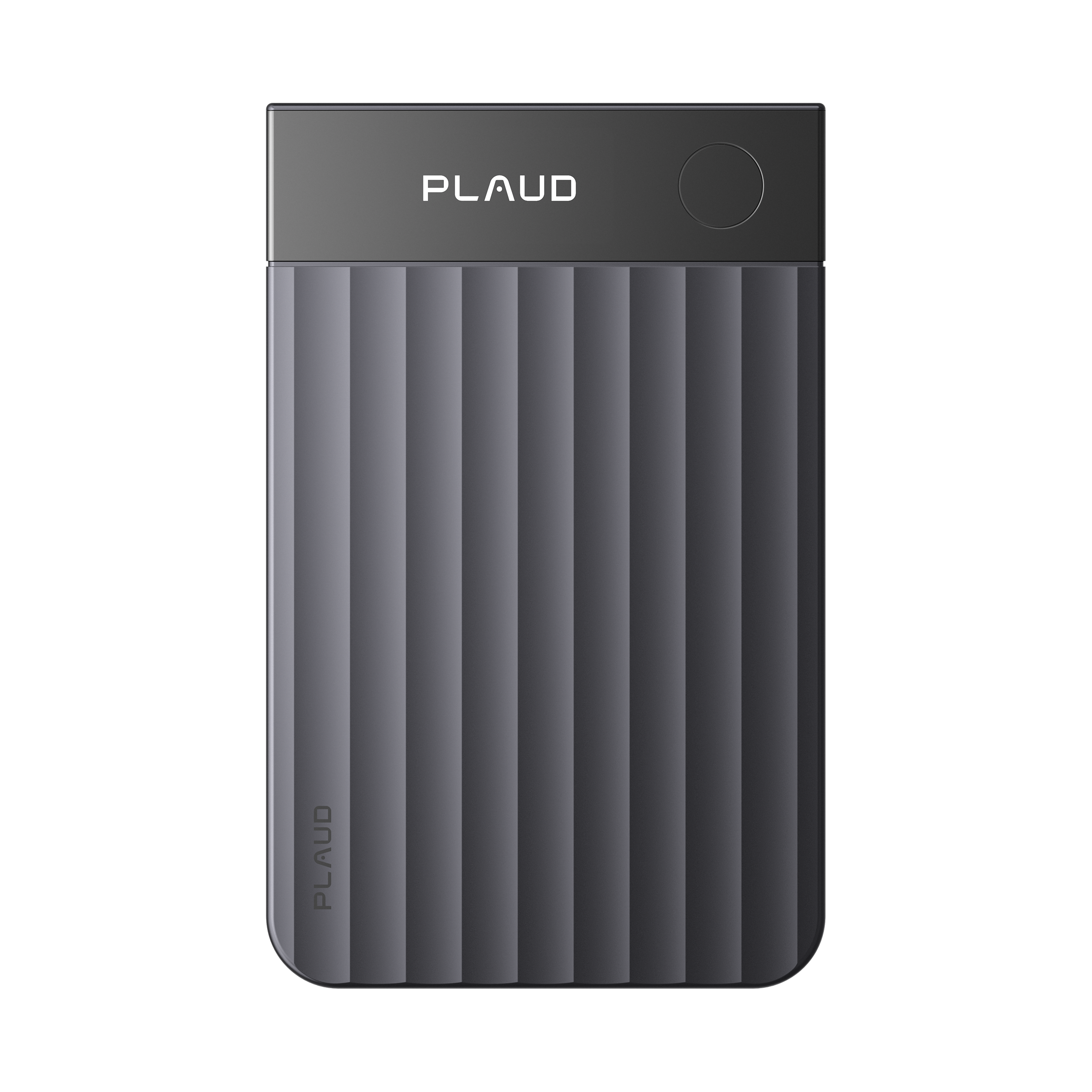
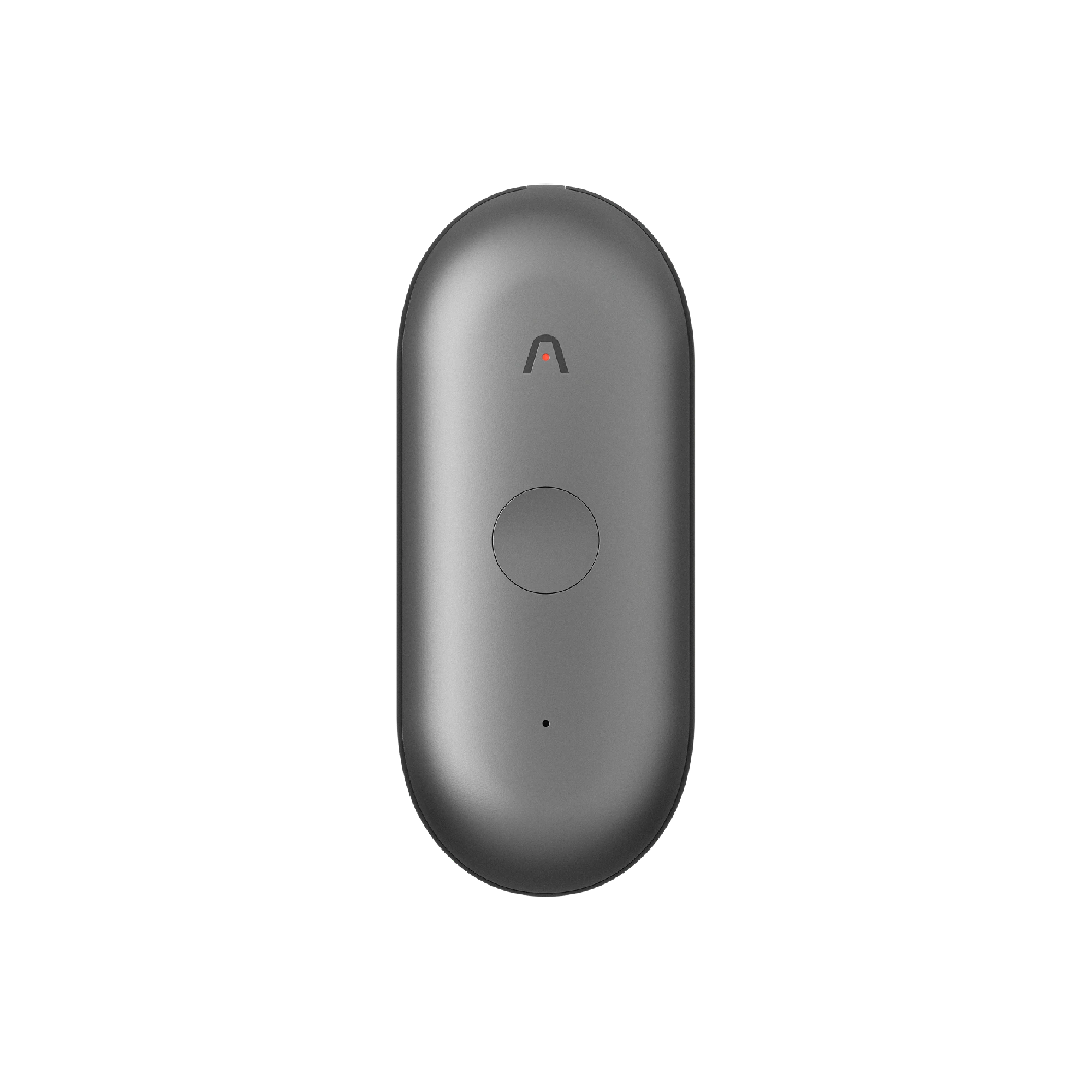
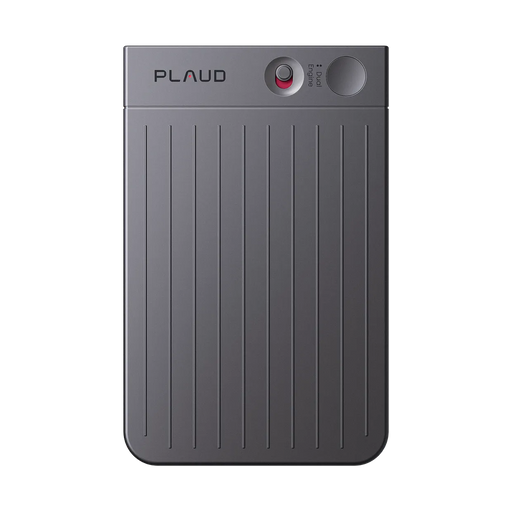
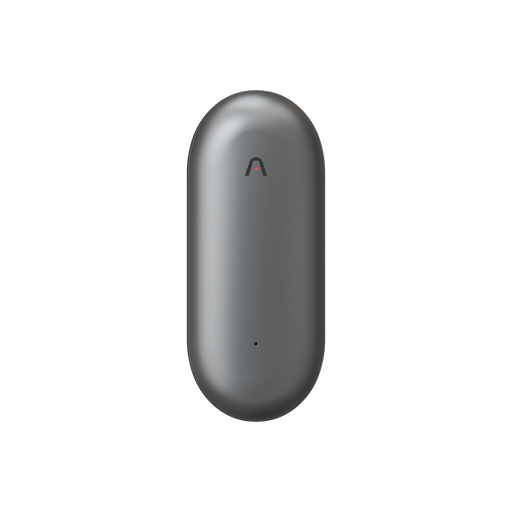
Choose the capture method around where the meeting happens. Use Plaud Note Pro, a physical AI note taker, for a team discussion around a table or a phone call where decisions and actions need to be checked afterwards. Plaud NotePin S is a wearable AI note taking device for meetings where you move between rooms and need to return to the original wording.
Use the approved recording to prepare a draft from the agenda fields, then verify the final wording before work moves into the team's system.
2. Generate a meeting draft with Plaud Web or Plaud App

Pick the template and generate

Ask Plaud any question to modify the template
Open the recording in Plaud App or Plaud Web and apply a custom template that follows the agenda fields. Keep an owner or due date marked as missing when nobody stated it. A blank that needs confirmation is safer than assigning work the team did not agree to.
Compare the draft with the written question, decision authority, final wording, action owners, dates, and any fallback the group used. Then place confirmed tasks in the team's work system and link them back to the meeting record.
3. Prepare a meeting draft through Plaud MCP

Connect Plaud MCP to Claude or ChatGPT

Ask the assistant for the draft
Plaud MCP lets a connected AI assistant search Plaud recordings and retrieve a transcript or summary. Use it only within the approved account and access controls, and keep the final record with the agenda owner.
Find the [date] [team] meeting.

For each agenda item, list the question, the decision and its wording, any fallback the group used, and each action with its owner and date.

If an owner or date was not stated, mark it as “to confirm.” Do not assign work the team did not agree to.
Check the draft against the agenda before the actions go into the team's work system.
How to use the agenda before, during, and after the meeting
01 Before the meeting: ask for contributions, not topic labels
Give team members a submission deadline and ask for a question, owner, requested preparation, and desired output. If someone submits “customer feedback,” return it for one more sentence. “Choose whether the onboarding issue should interrupt the current sprint” tells the facilitator why the item is urgent and who should attend.
In a Reddit discussion about better team meetings, one manager questioned what people were actually expected to do with an agenda before the call. The comment exposes the weakness in advice that stops at “send the agenda early.” Sending headings sooner only gives people more time with a vague list, whereas an explicit preparation request gives them something they can complete.
Another project-management discussion described using a shared agenda for issues that needed the team, while routine information was handled outside the meeting. These are individual accounts, not a universal rule, but together they suggest a practical test: send information for reading, and reserve the agenda for work that changes when the group is present.

Once the proposed items are visible, check the time. Add the discussion time, closeout time, and any opening review. If the total exceeds the meeting length, remove or defer an item before the invitation goes out. A crowded agenda does not create more capacity.
02 During the meeting: keep the question in view
Start each item by reading the question and desired output. This gives the facilitator a way to redirect a useful comment that belongs somewhere else without dismissing it. Capture only the information that changes the choice, the outcome, and the follow-up. A transcript of every comment makes the eventual decision harder to find.
When the timebox ends, use the fallback written on the agenda. The group might give the decision to the named authority, narrow the options, or assign a smaller follow-up. If new information changes the decision itself, update the wording before moving on.
Finish with a spoken read-back. The facilitator states each decision, then asks each action owner to confirm the deliverable and date. A correction made in the room is cheaper than a message thread the next morning about what everyone thought they heard.
03 After the meeting: turn the same document into the record
Complete the outcome fields while the context is fresh, then share the agenda where the team normally tracks work. Create tasks in the team's work system, but keep a link back to the agenda so the action still has its decision context.
Carry forward only open loops that need group attention. A completed action should be closed, and a routine progress update should return to the written channel. This stops the next meeting from becoming a reading of last week's notes.
Test whether an item belongs in the meeting
Before an item receives a timebox, ask:
- What will be different when this item ends?
- Who needs to be present for that change?
- What do those people need to read, check, or bring first?
- What happens if the group cannot finish today?
An item belongs in shared time when people need to combine information, resolve disagreement, make a choice, or coordinate work across owners. If the only expected result is “everyone knows,” use a written update unless the information requires a live response.
“Q4 roadmap” does not pass the test. “Choose which Q4 project gives up capacity after the security work is added” does. The second version identifies the decision, exposes the consequence, and tells project owners what evidence to prepare.
Match the agenda to the meeting's job
Choose the running order around the work people will do together. A weekly meeting resolves only the open loops that need the group, while a planning meeting compares options and a working session edits a shared artifact.
Weekly team meeting, 30 minutes
5 minutes: Changes since the written update
15 minutes: Up to two cross-owner blockers or decisions
5 minutes: Risks that need help before next week
5 minutes: Decision and action read-back
This format assumes status has already been shared. If nobody has read it, do not spend half the meeting silently reviewing a document. Move the decision item or reschedule with a clear preparation request.
Planning meeting, 45 minutes
5 minutes: State the constraint and decision criteria
10 minutes: Answer questions about the pre-read
20 minutes: Compare the viable options
5 minutes: Decision owner states the choice
5 minutes: Record consequences, actions, and communication
Planning discussions wander when criteria appear only after someone dislikes an option. Put the constraint and decision authority at the top of the agenda so the team knows what can be decided in the room.
Working session, 50 minutes
5 minutes: Define the artifact to finish
35 minutes: Build or review the artifact together
5 minutes: Resolve remaining disagreements
5 minutes: Assign unfinished sections and a review date
Name the artifact in the invitation. “Draft the launch risk register” defines a working session, while “discuss launch readiness” leaves room for an open-ended status conversation.
Give the facilitator a stopping rule
A timebox is useful only when the facilitator knows what happens at the end. “Move on” can bury an urgent decision, while “keep talking” lets the first item consume the meeting.
Choose the fallback when the agenda is written. The named authority may decide after hearing the group, the team may narrow the options, or a smaller group may continue with a firm return date. This choice also reveals whether all invitees are needed. If only two people handle the fallback, the full team probably does not need to stay for the follow-up.
A parking-lot item needs a return condition as well. Record the owner and the missing input, date, or meeting that brings it back. Without those details, the parking lot becomes a list of subjects the team has quietly abandoned.
Keep the closeout short and specific
Reserve the final minutes for decisions and commitments, not another summary of the discussion. Read the decision in one sentence. Then name the action, owner, and date, and ask the owner to confirm it aloud.
If no decision was reached, record that outcome plainly and activate the fallback. “No priority decision was made. The engineering manager will compare the two remaining options with finance by September 29” is more useful than “discussion to continue.” It tells the team what remains open and where the next decision will happen.
Common team meeting agenda mistakes
01 Using nouns where the team needs questions
Topic labels hide the work. Rewrite “budget,” “launch,” or “support” as the question that should be answered. If there is no question or collaborative task, the item may be an update rather than a meeting discussion.
02 Sending a pre-read without a request
A link does not tell a participant whether to read, approve, check, or comment. Add one instruction and a deadline. For a decision, it can be as simple as “mark your preferred option and add one risk by Thursday at noon.”
03 Letting the attendee list grow with the agenda
Invite the people needed for each item, then distinguish full-meeting participants from guests. A specialist who is needed for one ten-minute decision can join for that portion rather than sitting through unrelated work.
04 Filling every minute before the meeting begins
Leave time for transitions and the final read-back. When the item timeboxes equal the full calendar slot, the meeting will either run late or lose its follow-up. Remove an item instead of treating closeout as optional.
05 Recording a parking-lot topic without a return condition
“Discuss later” has no owner and no trigger. Add the missing input, a review date, or the meeting where the item returns. Delete it if nobody is responsible for bringing it back.
More meeting templates
Related templates for formal decisions, working notes, and lessons carried into the next project.
Meeting minutes template
Record decisions, owners, due dates, and open questions from a group meeting.
View template →Meeting notes template
A working record for any recurring meeting, from rough capture to confirmed outcome.
View template →Project debrief template
Turn what went wrong, and right, into changes to the documents the next project will use.
View template →Make the agenda do some of the facilitation
A useful agenda makes the meeting easier before anyone enters the room. Participants can see why they are needed, what to prepare, which question the group will answer, and what happens if time runs out. After the meeting, the same document keeps the decision and follow-up connected, so the next agenda can begin with the few open loops that still need the team.