
Real estate lead generation is the work of getting people who want to buy or sell into a conversation with you. It runs on five channels, and the one most agents underinvest in is the cheapest: the database they already own.
The other pattern worth naming early. Most agents treat this as a volume problem and buy more leads. The constraint is usually further down, in reply speed and follow-up, where paid leads go cold in the same pipeline that a referral would have closed.
This page covers the channels, what each costs, and the conversion side that decides whether any of it pays back.
Where real estate leads come from
Five channels cover nearly all of it, and they behave differently on cost, speed, and quality.
| Channel | How it works | Cost shape | Lead quality |
|---|---|---|---|
| Sphere and referral | Past clients and personal network, kept warm deliberately | Time, plus a CRM | Highest, and it compounds |
| Portal leads | Buying inquiries from listing portals | $30 to $50 per lead, or bundled into a platform | Mixed, often shared with other agents |
| SEO and IDX website | Property search on your own domain, ranking for local terms | $399 / month and up for a platform, or build cost | Good, slow to start |
| Paid social and search ads | Targeted ads to landing pages and valuation offers | Ad spend plus platform fee | Top of funnel, needs nurture |
| Farming and predictive data | Targeting a neighbourhood, or scoring likely sellers from property data | $300 to $600 / month typical | Seller-side, longer horizon |
Two things follow from this table. Referral and sphere work has the best economics and the worst reporting, which is why it gets neglected in favour of channels with a dashboard. And every paid channel above delivers a contact, not a client, so its return depends entirely on what happens next.
Open houses and door knocking still work and do not fit the table, because their cost is time and their yield depends on inventory in your area.
What buying leads costs and what you get
Portal and platform leads run roughly $30 to $50 each when priced individually, and the all-in platforms that include lead delivery start near $899 per month for solo agents and go past $1,500 for teams. Prices checked August 2026.
Three things to establish before signing anything.
- Exclusivity. A shared lead is being worked by other agents at the same time, which changes the value considerably. Ask directly.
- Contract length. Six or twelve month minimums are standard in this category, and setup fees are common, so the first-year total is higher than twelve times the monthly rate.
- What happens to the database. If the CRM is bundled with the lead contract, find out whether you can export contacts when it ends.
The honest comparison is not cost per lead but cost per closing. A channel producing expensive leads you convert well beats a cheap channel you never call back. That number needs conversion tracking by source, which is a CRM feature worth having before you start buying. The shapes and current prices are compared in how to choose a real estate CRM, and where lead generation sits against the rest of your tools is in the real estate software stack.
Speed to reply decides more than volume
Reply speed is the single most controllable factor in conversion, and it is where most paid lead spend is wasted. An inquiry answered in minutes is a conversation. The same inquiry answered the next morning is usually gone, because portal leads reach several agents at once and the first useful reply wins.
That makes the first response a systems problem rather than an effort problem. Three things fix most of it.
- An automated first reply that goes out immediately, acknowledging the specific property rather than sending a generic greeting.
- A routing rule that assigns the lead to a named person, so it is nobody's guess whose turn it was.
- A defined follow-up sequence that continues for months, since seller timelines run long and most agents stop after two attempts.
None of this requires new lead sources. It requires the CRM you already pay for to be configured, which is cheaper than buying more inquiries to leak at the same rate.
Where leads leak after the first conversation
The second leak is quieter than the first and costs more. A lead replies, you talk, you meet, and then the detail from that conversation does not survive into the record.
The pattern is consistent. A buyer names their real budget on a walkthrough. A seller mentions a timeline while showing you the yard. An objection surfaces that decides the deal. By evening it becomes "good showing, follow up Tuesday" in a CRM field, which is worth nothing three months later when they resurface, and worth nothing at all to a nurture sequence that needs specifics to sound like a person wrote it.
Lead scoring cannot fix this, because scoring works on data that exists. Neither can a longer drip campaign. What fills the gap is capturing the conversation itself.
Turn every conversation into the follow-up
Record the meeting, let software structure it, and the follow-up writes itself from what the client said rather than from what you remember.
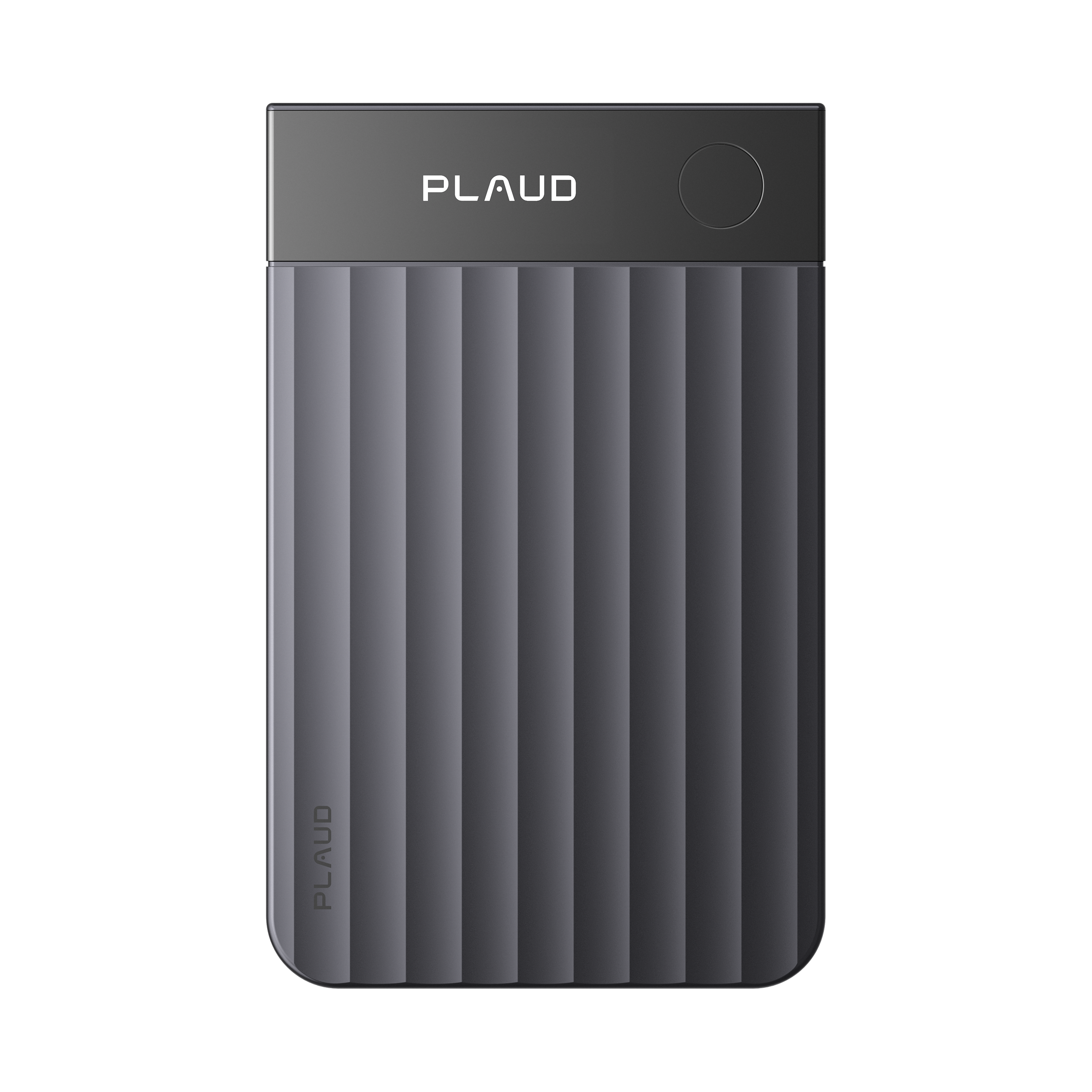
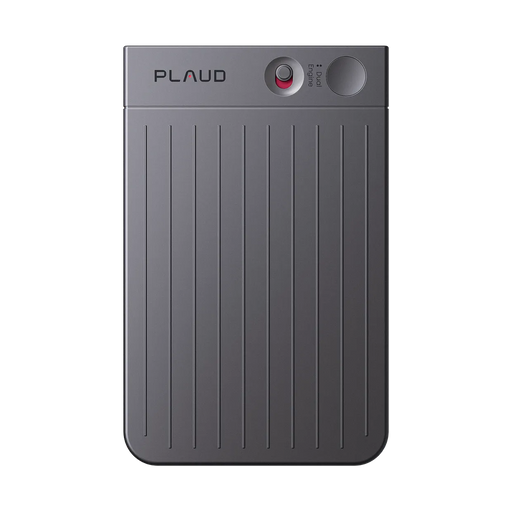
Plaud Note Pro covers the two places these conversations happen. It picks up clearly at up to 5 meters (16.4 feet)* using four MEMS microphones with AI beamforming, which handles a kitchen table or an open floor plan, and smart dual-mode recording detects a phone call versus an in-person conversation and switches without a setting change. That matters here because lead qualification happens on the phone and conversion happens in person, and both need to land in the same record. It runs up to 50 hours in Endurance mode** per charge and stores 64 GB on the device.
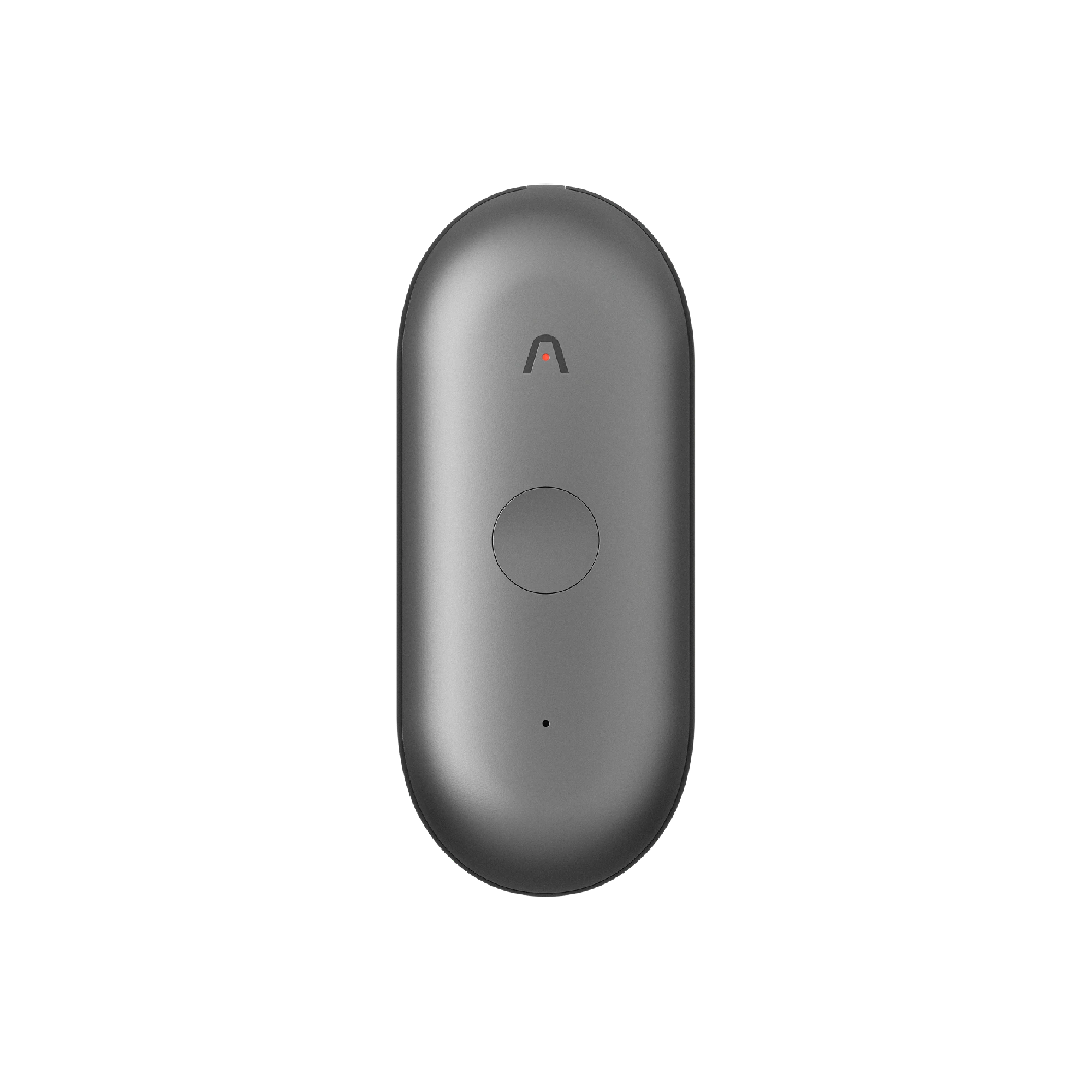
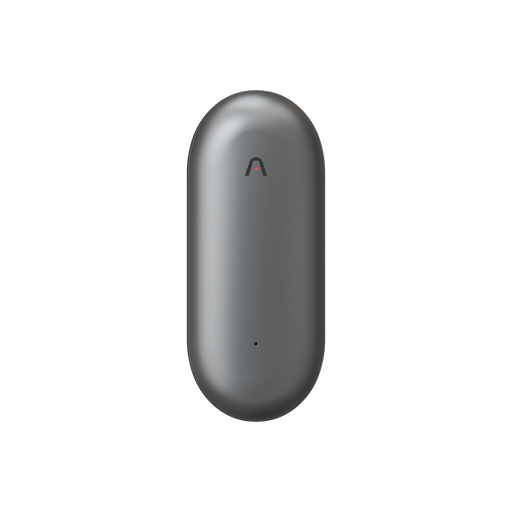
For agents running open houses on their feet, the wearable option does the same hands-free. Plaud Desktop captures Zoom, Teams, and Google Meet without a bot joining.

Plaud Intelligence transcribes in 112 languages with speaker labels and formats through summary templates, so a conversation returns the same structure every time: stated budget, area and property preferences, objections raised, commitments made, next step and date. Set the template to match your CRM fields once and the follow-up email plus the CRM update come out of the same conversation.
The conversion effect is in the timing. A follow-up sent within the hour that quotes the client accurately reads as attention, which is the difference between a lead who replies and one who goes quiet. Ask Plaud searches the whole history, so a contact who resurfaces after two years starts from a real record. One agent describes working this way through client meetings, staying present in the room and sorting the record afterward.
Ask before you record a client conversation
Consent comes first. US recording law starts from a one-party consent baseline under federal law, and a group of states requires consent from everyone in the conversation. Calls cross state lines and in-person conversations are sometimes treated differently from phone calls, so the workable rule is to ask every time. Justia keeps a 50-state survey of recording laws worth reading once for your state. Before you record, take a moment to let others know and get their okay.
Two things to settle once. Fair housing exposure does not disappear because a follow-up was automated, so anything shaping a recommendation still needs a human read, which the National Association of Realtors covers in its guidance on AI use. And check where recordings live: Plaud sets out its posture in the trust center, including independently audited controls with SOC 2 Type II and no use of your data for AI training unless you explicitly opt in.
Fix the follow-up before buying more leads
Work out your conversion rate by source before adding spend, because a channel you cannot follow up on costs the same as one you can. Set the immediate first reply, the routing rule, and a nurture sequence that runs past two attempts. Then close the second leak by capturing what clients say in the room, so the follow-up is specific and the record still means something two years later. See how agents handle that part on the real estate use-case page.