How a New York real estate advisor uses Plaud to stay present with clients and follow up with more care
Juliana Gamboa is a real estate advisor at Beacon Stone Realty in New York. Most of her work happens between apartment showings, client calls, building research, pricing discussions, and the follow-up conversations that help people make sense of what they just saw.
On paper, real estate can look like a transaction. A client has a budget, a list of requirements, a preferred neighborhood, and a timeline. But Juliana’s day-to-day work is rarely that simple. Much of the job is helping people think through a decision that is practical, financial, and emotional at the same time.
“I’m usually thinking about what questions a client hasn’t asked yet, or what they might not be seeing,” she says.
That part of the job is hard to capture in a checklist. A client can say they like an apartment, but hesitate when talking about the price. They can seem excited during a walkthrough, but keep returning to one concern later. They can focus on one feature out loud while reacting more strongly to something else in the space. For Juliana, those moments matter because they often reveal what a client is still trying to understand.
Before using Plaud, she relied on a mix of memory and quick notes. That worked well enough on lighter days. But after multiple showings, calls, and follow-ups, the details could start to blur.
“I used to rely on memory or quick notes,” Juliana says. “But after a long day, everything kind of blended together.”
The problem was not that she forgot the whole conversation. She usually remembered the client, the apartment, and the general direction of what was discussed. What was harder to hold onto were the smaller details: what made someone pause, what they mentioned twice, what felt unresolved, or what needed to be addressed before they could feel confident moving forward.
That mattered most in the follow-up.
“Following up clearly,” she says, when asked what had been painful before Plaud. “I’d remember the conversation, but not always every detail that mattered.”
For Juliana, a good follow-up is not just a recap. It is part of the advisory work. After a showing or call, she will often sit down and think through what came up: what the client liked, what made them hesitate, what the next realistic option might be, and what question should be answered before they make a decision.
That is why she does not want to be distracted during the showing itself. When she is with clients, she is watching how they move through a space and listening to how they talk about it. She is paying attention to small reactions that may not seem important in the moment but can become useful later.
“I like that I can capture things without pulling my attention away from the client,” she says. “When I’m showing an apartment, I’m watching how they react—what they notice, what they hesitate on, how they talk about price. I don’t want to stop or take notes in that moment. I deal with it later.”
That last part is important. Juliana is not trying to turn a showing into a documentation exercise. She wants the client experience to feel natural. Pulling out a phone or pausing too often to take notes can change the dynamic, especially when someone is already making a decision that feels big. For her, Plaud needed to fit into the way she already works, not make the moment feel more technical.
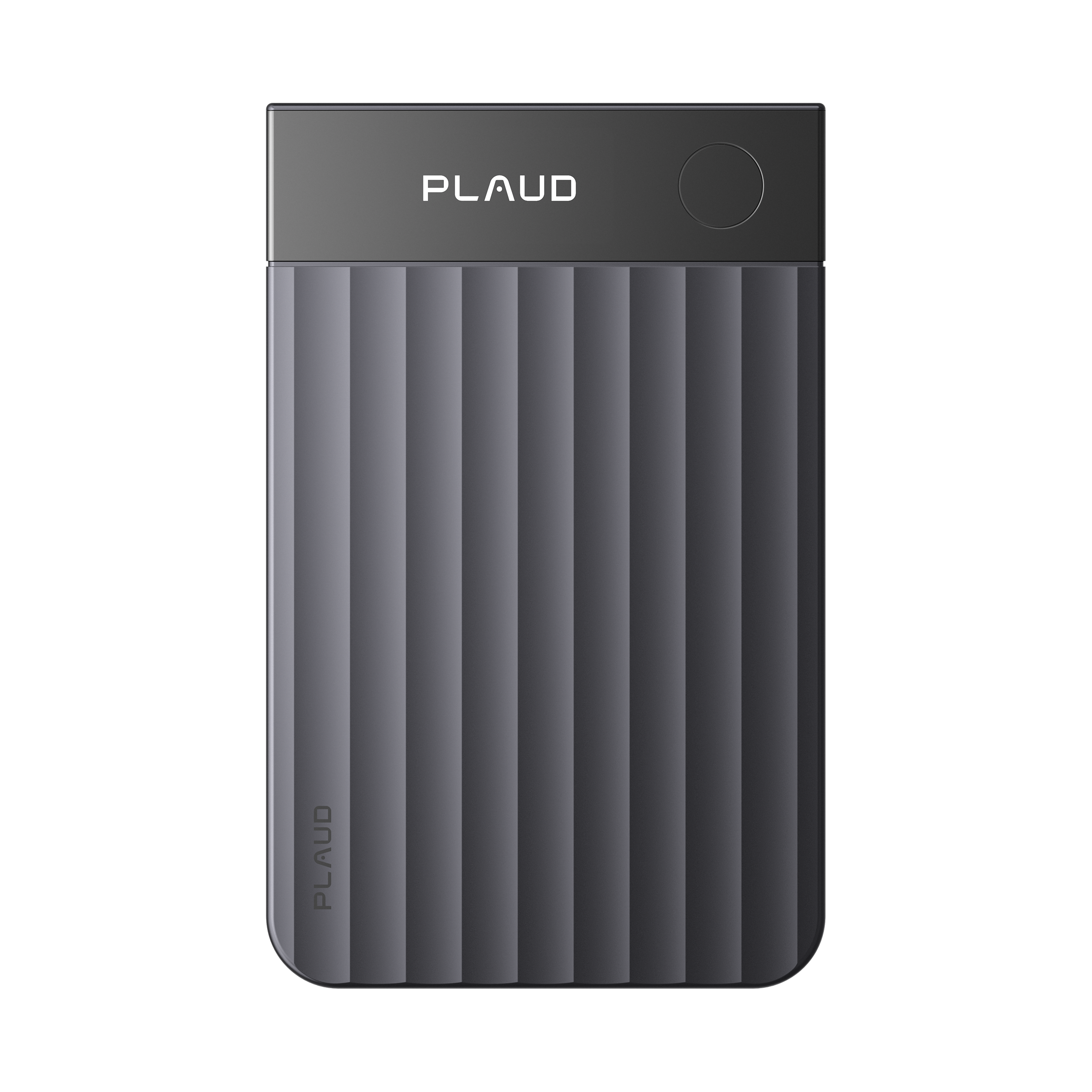
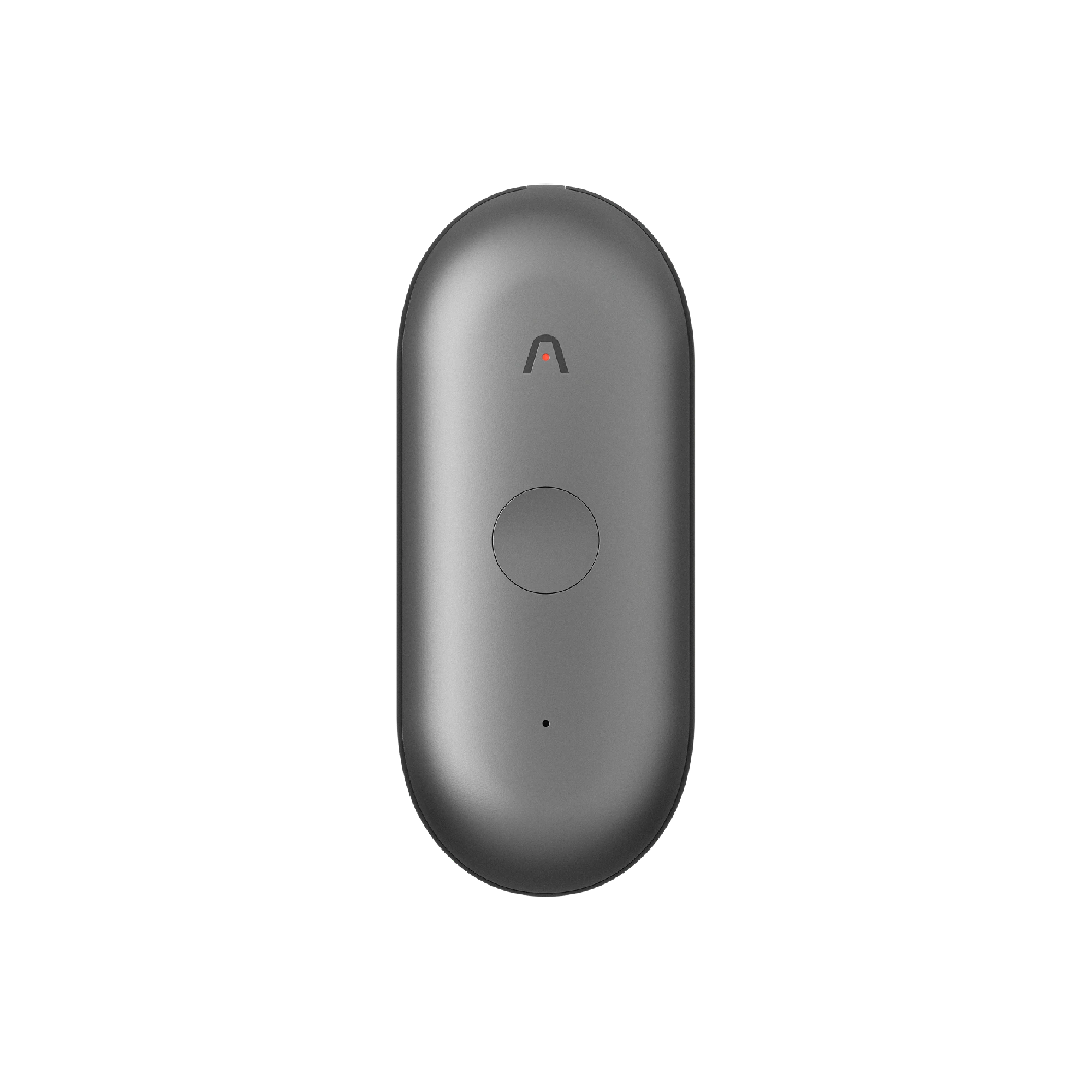
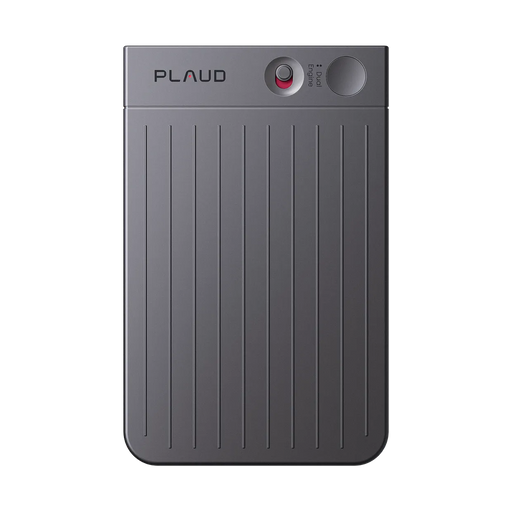
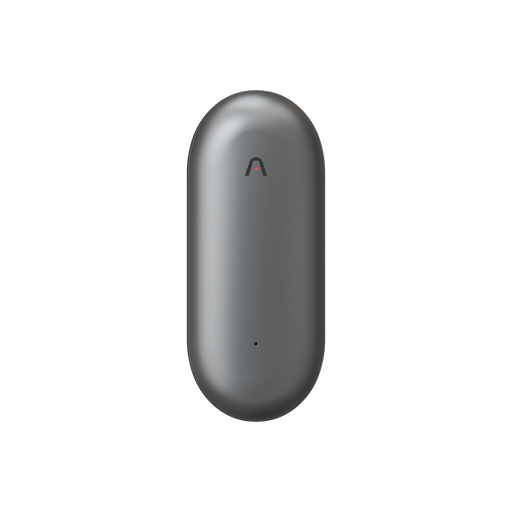
Her first impression was that it felt discreet and professional, which mattered in real estate. She also paid attention to privacy before using it with clients, because trust is a central part of the work. Once she felt comfortable with how it fit her workflow and the type of conversations she has, it became easier to use intentionally.
“When I’m with clients, I need to be fully focused on them—what they’re saying, how they’re reacting, even the little pauses,” she says. “I don’t want to be thinking about remembering everything in the moment. Using it intentionally lets me stay present with clients and sort things out afterward.”
The change in her workflow is subtle, but it shows up in the way she describes her work. Plaud does not make her move faster. If anything, it helps her slow down.
“It helps me slow myself down,” Juliana says. “I don’t rush clients, and I don’t rush my advice.”
That is a very specific kind of value in real estate. There is always pressure around timing: a listing may move quickly, a client may feel uncertain, a decision may need to happen sooner than expected. But moving quickly is not the same as pushing someone. Juliana’s role is to help clients understand what they are deciding, not make the decision feel smaller than it is.
One client story makes that clear. Juliana was working with someone who was torn between two apartments. After the showings, the client called her several times, trying to talk through the decision. Instead of pushing for an answer, Juliana took time afterward to sit with the conversations and review what the client had said across those calls: what they liked, what made them unsure, and which concerns kept coming back.
When they spoke again, she was able to guide the conversation more calmly. She was not guessing from memory or reacting too quickly in the moment. She had enough context to help the client think clearly.
“Instead of pushing for a decision, I took time afterward to sit with the conversations—what they liked, what made them hesitate,” she says. “When we spoke again, I was able to guide the conversation calmly, and that helped them feel more confident about their choice.”
That example captures why Plaud matters to Juliana. It is not about recording for the sake of recording. It is about giving herself a better way to respond after the moment has passed. She can walk away from a showing or a call knowing she has not missed something important, then return later with a clearer plan for how to follow up.
“It makes me feel prepared and clear,” she says. “I know I can focus fully on my client in the moment, and then take the time afterward to sort through the details and decide how to follow up.”
Most of Juliana’s work is independent, but there are moments when she needs to loop in an assistant, a colleague, or an attorney. In those cases, having the key details and next steps clearly organized helps her avoid repeating herself or relying on memory alone. It also makes the handoff more precise, which is useful when a client’s decision involves timing, legal details, pricing, or negotiation.
Still, the emotional impact seems just as important as the operational one. Juliana says it reduces pressure because she is not trying to remember everything while also being present. Clients, in turn, feel more supported and less pushed.
“I’m more focused on listening, being fully present, not trying to steer the conversation,” she says.
Near the end of the interview, Juliana described who she thinks Plaud is really for. Her answer was not about a profession as much as a type of responsibility.
“I think Plaud is really for people whose work is helping others think through big decisions,” she says.
For Juliana, that means helping someone decide where to live, or whether a property makes sense as an investment. These decisions involve numbers and logistics, but they also involve uncertainty. A good advisor does not simply present options. They notice what the client is still working through and help them move toward clarity at the right pace.
If Plaud disappeared tomorrow, Juliana says she would miss “having a way to slow down and respond more thoughtfully.”
That may be the clearest description of what it gives her. It does not sell for her. It does not replace her judgment. It does not make the client decision automatic. It gives her more room to do the human part of the job: listen carefully, remember what mattered, and come back with a response that feels considered.
“It doesn’t sell anything,” she says. “It just helps me show up prepared.”
For Juliana, being present is not just about paying attention during a conversation. It is about respecting the weight of the decision someone is making. Because helping someone make a major decision should not feel rushed.