
A two-page template for meeting details, agenda topics, decisions, action items, owners, due dates, dependencies, and open questions.
A product marketing weekly can end with three very different kinds of information: a launch date moved pending legal approval, a messaging brief with an owner and deadline, and a question the team will revisit next week. The minutes need to show which is which before people leave the call.
This free template gives each outcome a place. Decisions record what the group agreed and any condition attached to it. Action items show who will do what and by when. Open issues make it clear what still needs an answer.
That structure helps when someone misses the meeting, joins the project later, or needs to check what the team actually agreed. They can see the decision, its condition, the person responsible for the follow-up, and the date to return to an unresolved item.
Meeting minutes example
Download the free meeting minutes template as a PDF, then compare it with the completed example below. The example uses a product marketing weekly meeting. It includes meeting details, attendance, the agenda, short discussion summaries, decisions, assigned work, open issues, and the next meeting.


A product marketing weekly with seven discussion topics, ending in four open issues that carried to the next meeting.
Why taking meeting minutes feels harder than it should
Capturing that record is difficult when the discussion moves faster than the person taking minutes. The minute-taker has to follow the next point while deciding whether the last one became a decision, an assignment, or an open question.
In the Reddit material we reviewed, one project manager described typing so quickly that they missed the next point. An executive assistant raised the same problem during fast Zoom and hybrid calls. Another minute-taker said that recording the meeting helped, but listening again made the work stretch long after the call ended.

The advice from experienced minute-takers was consistent: use the agenda to hold the conversation in place, then listen for outcomes. In a product marketing weekly, that means separating a launch decision from the legal condition attached to it, and separating a promised brief from a question that still needs an answer.
How to generate meeting minutes with Plaud
For an approved meeting, an AI meeting recorder can preserve the decision, owner, date, and condition that the minute-taker checks before sharing a draft.
After the call or workshop ends, Plaud can turn that recording into a transcript and a structured draft. The steps below cover capture, template generation in Plaud App or Plaud Web, and an MCP-based option for working through a connected AI assistant.
1. Capture the meeting with Plaud Desktop or a Plaud device for your meeting minutes

Record with Plaud Desktop

Record with a Plaud device
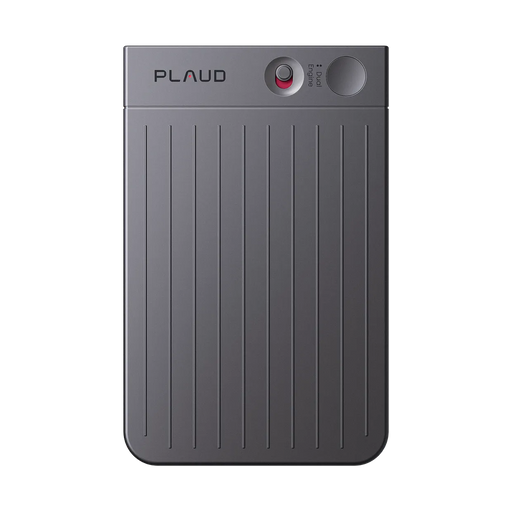
A project team may confirm scope in a Zoom call, resolve a delivery risk in an in-person workshop, and clarify a date by phone the next day. Plaud Desktop can capture the computer meeting, while Plaud Note Pro can capture the room or phone call. After you buy a device, its recordings and Plaud Desktop recordings land in the same Plaud account and library.
When the minute-taker needs to send one update covering the full sequence, the shared library keeps the source material together. Instead of checking a meeting platform for the first conversation, a phone recording for the second, and handwritten notes for the third, they can review the relevant records in one place before confirming what the team promised.
Tell participants that you are recording and follow the policy and applicable law for that meeting. Explain why the recording is being made, who can access it, and how long it will be retained.

 Plaud NotePin S
Wearable capture for conversations where you are moving between rooms.
Shop now
Plaud NotePin S
Wearable capture for conversations where you are moving between rooms.
Shop now

 Plaud One
Voice-led capture and retrieval for work that continues after the conversation.
Shop now
Plaud One
Voice-led capture and retrieval for work that continues after the conversation.
Shop now

 Plaud Note Pro
Team meetings in the room or on a call, with every decision, owner, and date on record.
Shop now
Plaud Note Pro
Team meetings in the room or on a call, with every decision, owner, and date on record.
Shop now
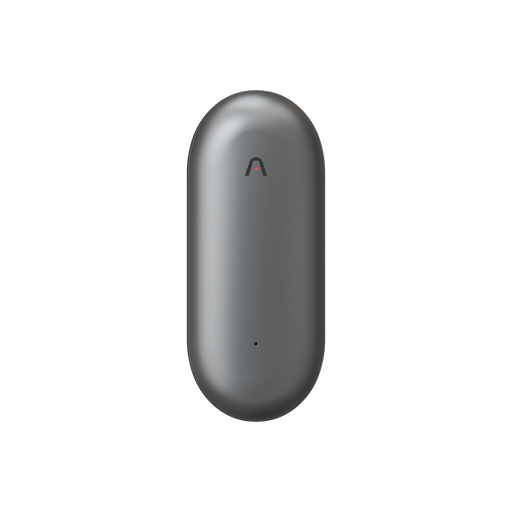
Choose the device around the meeting you need to document. Plaud Note Pro is a physical AI note taker for a team discussion around a table or a phone call where decisions, owners, and dates need to be checked afterwards. Plaud NotePin S is a wearable AI note taking device for conversations that continue while you move between rooms or sites. Plaud One is a wearable AI earbud that records, transcribes, and acts on conversations without needing a nearby smartphone, which suits voice-led capture away from a desk when you need to return to the conversation during follow-up.
Use a recording to create the first draft, then check the decisions, owners, dates, and conditions that require human judgment.
2. Generate the meeting minutes template with Plaud Web or Plaud App

Pick the template and generate

Ask Plaud any question to modify the template
Open the finished recording in Plaud App or Plaud Web, then apply the meeting minutes template. The draft gives the minute-taker a structured starting point, with space for the same items used in the example above: discussion context, decisions, actions, conditions, and open issues.
Plaud's Template Community includes official and community-built formats for meetings and other professional contexts. You can customize a template and set a default for future recordings. If the result needs changing, ask Plaud a question about the note and revise the draft before you share it.
Generate the draft, compare it with the recording, and correct details that would change the meaning for the next reader:
- Decisions and their conditions
- Action owners
- Deadlines and figures
- Speaker names
- Open questions marked as resolved
- Sensitive details and distribution limits
The template gives the draft a structure. The meeting owner still approves the record.
3. Generate the meeting minutes through Plaud MCP

Connect Plaud MCP to Claude or ChatGPT

Ask the assistant for the minutes
Plaud MCP lets a connected AI assistant search Plaud recordings and retrieve a transcript, summary, and action items. You can ask for a specific meeting without manually copying the transcript into another tool.
Connect Plaud to a supported AI assistant and authorize access to your Plaud account. Access depends on the permissions granted through that account.
Give the assistant the meeting name and the fields that require restraint. This helps it keep a proposed option separate from a confirmed commitment.
Find the product marketing weekly meeting from September 14. Draft concise meeting minutes that separate decisions, action items, owners, due dates, conditions, and unresolved questions. If an owner or date is missing, mark it as “to confirm.” Do not infer a commitment from a suggestion or conditional statement.
What is a meeting minutes template?
A meeting minutes template is a repeatable structure for recording the outcome of a meeting. It lists the basic meeting details, attendees, agenda items, key discussion points, decisions, assigned actions, deadlines, and unresolved issues.
A transcript preserves the conversation in full. Minutes create the record that attendees and absent stakeholders need for follow-up. The level of detail changes with the meeting: a weekly project sync may need one page, while a board or committee meeting may require motions, votes, approval status, and a formal archive.
What to capture in meeting minutes and what to leave out
Minutes become difficult to use when every comment receives the same weight. Keep the information that changes a decision, explains an assignment, or affects what happens next.
| Capture | Why it belongs | Usually leave out |
|---|---|---|
| Final decisions | Tells readers what the group agreed | Repeated versions of the same opinion |
| Conditions and scope | Prevents a conditional choice from looking final | Background already available in a linked brief |
| Action, owner, and date | Makes follow-up checkable | Verbal filler and side conversations |
| No-decision outcomes | Shows that a topic was considered but remains open | A speaker-by-speaker account |
| Material risks or objections | Explains why the group delayed or limited a decision | Guesses about a person's intent or mood |
| Formal motions or votes when required | Preserves the required official record | Legal-style detail in an ordinary team sync |
Names need the same restraint. Record a person's identity when that person owns a task, makes a formal motion, gives required approval, or asks for a dissent to be recorded. Otherwise, summarize the issue without turning the minutes into a transcript of who said what.
How to use the meeting minutes template before, during, and after the meeting
Before the meeting: remove the blank-page work from your meeting minutes
Add the title, date, meeting link, facilitator, expected attendees, and agenda. Give each topic an intended outcome such as decision, review, update, or discussion. This tells the minute-taker what to listen for.
Review the previous minutes and carry forward unfinished actions. If the team has not completed an action, place it on the agenda with its current owner and blocker. That prevents the new meeting from producing another copy of the same untracked promise.
Assign the minute-taker before the call begins. Asking the facilitator to lead a complex discussion and create detailed minutes at the same time splits attention between two different jobs.
If the meeting will be recorded, notify participants and follow your organization's policy and applicable law. Explain why the recording is being made, who can access it, and how long it will be retained.
During the meeting: record decisions as they take shape in the meeting minutes
Write under the agenda topic rather than under each speaker's name. Listen for the moment an item changes state:
- A proposal becomes a decision.
- A concern becomes a blocker.
- A general task receives an owner.
- A target receives a date.
- An unresolved issue receives a next checkpoint.
Fill the decision and action tables while people are still present. If the owner or date is unclear, ask directly: “Who should I record as the owner?” or “What date should go in the minutes?”
Some tasks will remain incomplete. Write “to confirm,” name who will confirm it, and add a checkpoint so the uncertainty remains visible to the next reader.
After the meeting: prepare one meeting minutes record for review
Review the draft soon after the meeting, while the transitions between topics are still clear. Convert shorthand into neutral sentences. Then check names, dates, figures, decision conditions, task owners, votes, and sensitive details against your notes or recording.
Send one shared version for review. If five people edit five attachments, corrections can drift apart. A shared document or a single draft with tracked comments keeps the review visible.
Set a correction deadline for ordinary team minutes. For formal meetings, keep the status as “Draft” until the required approval process is complete. Do not label minutes as approved simply because nobody replied to the email unless your organization's rules explicitly use that process.
Adapt the meeting minutes template to the meeting's stakes
A recurring team sync and a board meeting should not produce the same document. Keep the common core, then add only the fields the meeting needs.
| Meeting type | Keep the focus on | Add when required |
|---|---|---|
| Weekly team meeting | Decisions, short updates, blockers, and action items | Status for unfinished actions |
| Project meeting | Scope changes, risks, dependencies, and milestones | Links to tickets, briefs, and change records |
| Client meeting | Commitments, requested changes, and dates | Approval owner and external follow-up channel |
| One-on-one meeting | Employee topics, manager commitments, and next check-in | Private access rules and development follow-up |
| Committee meeting | Recommendations, decisions, and assigned follow-up | Quorum, motions, votes, and approval status |
| Board meeting | Formal resolutions, governance decisions, and risks | Conflicts, voting details, signatures, retention, and legal review |
Board fields reflect a meeting with different accountability requirements. Adding them to a ten-minute team sync creates more work without improving the record.
More templates
Templates for related documentation tasks, where the record needs a different structure.
Interview note template
Structure a candidate debrief so every panel member assesses the same areas in the same order.
View template →Team meeting agenda template
Decide what deserves shared time before the meeting, and record the outcome in the same document.
View template →One-on-one meeting template
A shorter format for recurring manager and employee conversations, with space for discussion topics, commitments, and the next check-in.
View template →Use the meeting minutes template in your next meeting
Complete the header and agenda before the meeting begins. During the discussion, listen for decisions, owners, dates, blockers, and unresolved questions. Before people leave, read back anything that remains ambiguous.
If typing pulls your attention away from the conversation, notify participants and record the meeting where policy and applicable law permit it. Use Plaud to prepare the draft, then spend your review time on the details a template or AI tool cannot safely decide for you.