
Includes a first-meeting agreement, recurring agenda, manager commitments, growth notes, rotating questions, and a completed example. Format: Google Doc and PDF.
We have noticed that new managers are often told to schedule regular one-on-one meetings without being shown what a good conversation looks like. The calendar invite is easy. Deciding who prepares the topics, how much work status belongs in the meeting, and what should carry into the next conversation is harder.
One new manager remembered one-on-one meetings as unfocused catchall calls with no agenda or preparation. More experienced managers emphasized two habits: protect the meeting when schedules change, and let the direct report influence what receives time.

A recurring one-on-one earns trust when the employee can see that a concern raised last time led to a response, a decision, or a clear explanation of what remains open. The shared note should make that follow-through visible without turning a coaching conversation into a formal personnel record.
Copy this recurring one-on-one meeting template
Keep one shared document for the relationship and add each new date at the top. The prompts below are options, so delete the ones that do not fit the conversation instead of working through them in order.
Use the shared document for the points both people want to revisit. Keep private manager preparation, formal performance records, and sensitive employee matters in the appropriate process instead.


End with the commitments that would be easy to forget once both people return to their work. A small table is useful here because the owner and date need to remain visible at the next one-on-one meeting.
| Commitment | Owner | Due or revisit date | Where it will be tracked |
|---|---|---|---|
| [Support, introduction, decision, experiment, or follow-up] | [Manager or employee] | [Date] | [Shared document, task system, or another approved place] |
Completed one-on-one meeting example
This example follows an engineering manager and a software engineer through a 30-minute one-on-one. The employee needs help with interruptions from a temporary support rota and wants feedback before a design review. The manager also has two commitments to complete before the next conversation.
The employee came in with two topics for the 30-minute conversation on October 8: interruptions from the temporary support rota and feedback on the previous week's design review. Since the last one-on-one meeting, they had covered two extra support shifts while a teammate was on leave. The manager had already asked operations how long the temporary rota would remain in place, but still owed the employee a clearer answer about how requests should reach the team.
Work and support
Support questions were arriving through chat, direct messages, and tickets. The engineer found it difficult to decide which request deserved attention first, especially during focus blocks. They asked the manager to establish one intake channel and clarify who would cover urgent requests. The engineer chose to draft a triage checklist rather than hand the whole problem back to the manager.
Feedback and growth
The engineer wanted feedback on making design reviews easier for non-specialists to follow. The manager noted that the technical reasoning was strong, but the recommendation came after several implementation details. For the next review, the engineer will lead with the recommendation and then explain the trade-offs.
The employee is working toward leading technical decisions across teams. The October 16 design review offers a suitable practice opportunity. The manager will send the review goals earlier and rehearse the first five minutes with the engineer, who will lead the opening and recommendation sections.
Progress to recognize
The engineer documented a recent production issue and helped another team avoid the same failure. They also kept the design proposal on schedule while covering extra support work. Both contributions belong in the note because they add context to the workload and the employee's development.
Commitments before the next one-on-one meeting
| Commitment | Owner | Due or revisit date | Where it will be tracked |
|---|---|---|---|
| Confirm one support intake channel and publish the temporary rota | Engineering manager | October 10 | Team operations board |
| Send design review goals before the rehearsal | Engineering manager | October 13 | Shared 1:1 document |
| Draft the triage checklist | Software engineer | October 14 | Team knowledge base |
| Rehearse the design review opening | Engineering manager and software engineer | October 15 | Calendar invite |
At the October 22 meeting, they will check whether the new intake channel reduced interruptions and review how the design presentation went. The engineer can then choose another opportunity to practise cross-team technical leadership.
The next meeting begins by checking two manager commitments: the support intake channel and the design-review preparation. The employee can see whether the support discussed on October 8 turned into an action before October 22.
Use Plaud to capture and draft an approved one-on-one note
After both people agree on what may be recorded, an AI note taking device can preserve the agreed discussion for a careful follow-up review.
One-on-one conversations can move from project blockers into performance feedback, health information, workplace concerns, or career plans. Before recording, agree whether recording is appropriate, which topics are in scope, who can access the file, and how long it will be retained. Follow company policy and local law. Leave the recorder off whenever the employee, the topic, or the policy calls for a private conversation.
Once both people agree on what may be recorded, use Plaud to capture the approved part of the conversation and prepare a first draft. The steps below cover recording a video, phone, or in-person one-on-one, applying a template in Plaud App or Plaud Web, and reviewing the draft before anything enters the shared document.
1. Capture the approved one-on-one with Plaud Desktop or Plaud Note Pro

Record with Plaud Desktop

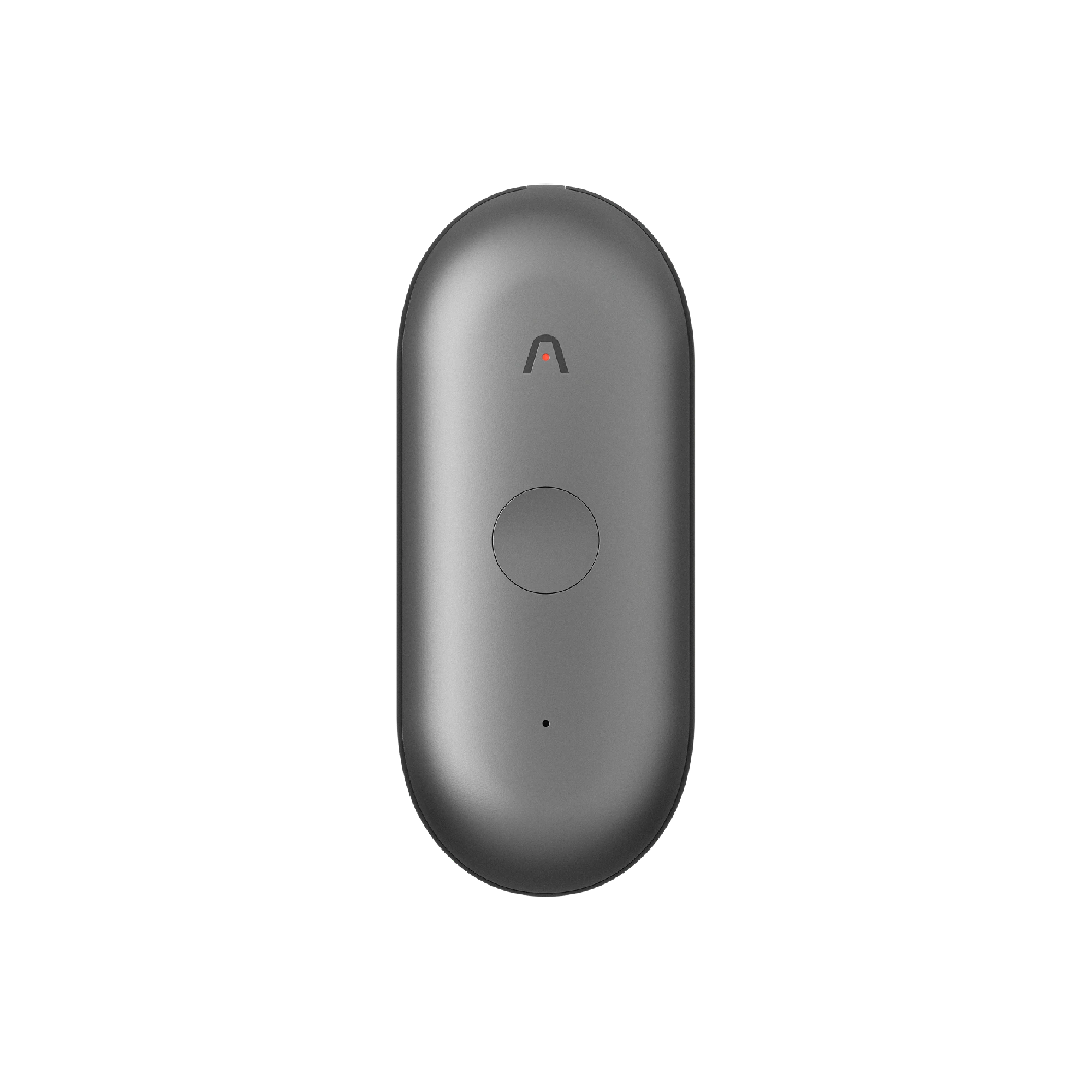
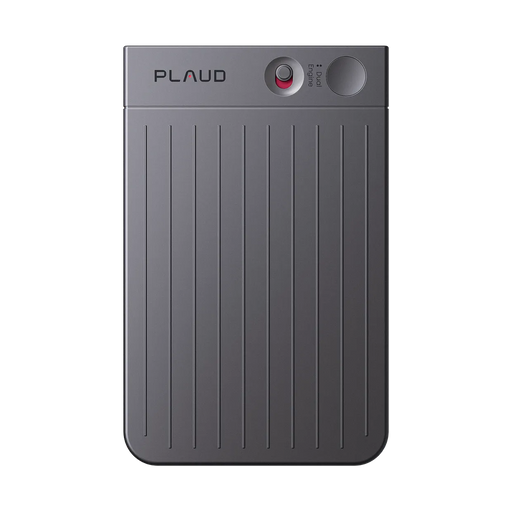
Record with Plaud Note Pro
Use Plaud Desktop when the one-on-one happens on a computer. Use Plaud Note Pro for an approved conversation in person or by phone. When Plaud Desktop is available through the account linked to the device, recordings from both settings can remain in the same Plaud library.
That helps when the next one-on-one needs to begin with an earlier commitment. A manager can check the approved video conversation, the office discussion, or the phone follow-up without rebuilding the record from separate tools.
Which Plaud device fits approved one-on-one meetings?
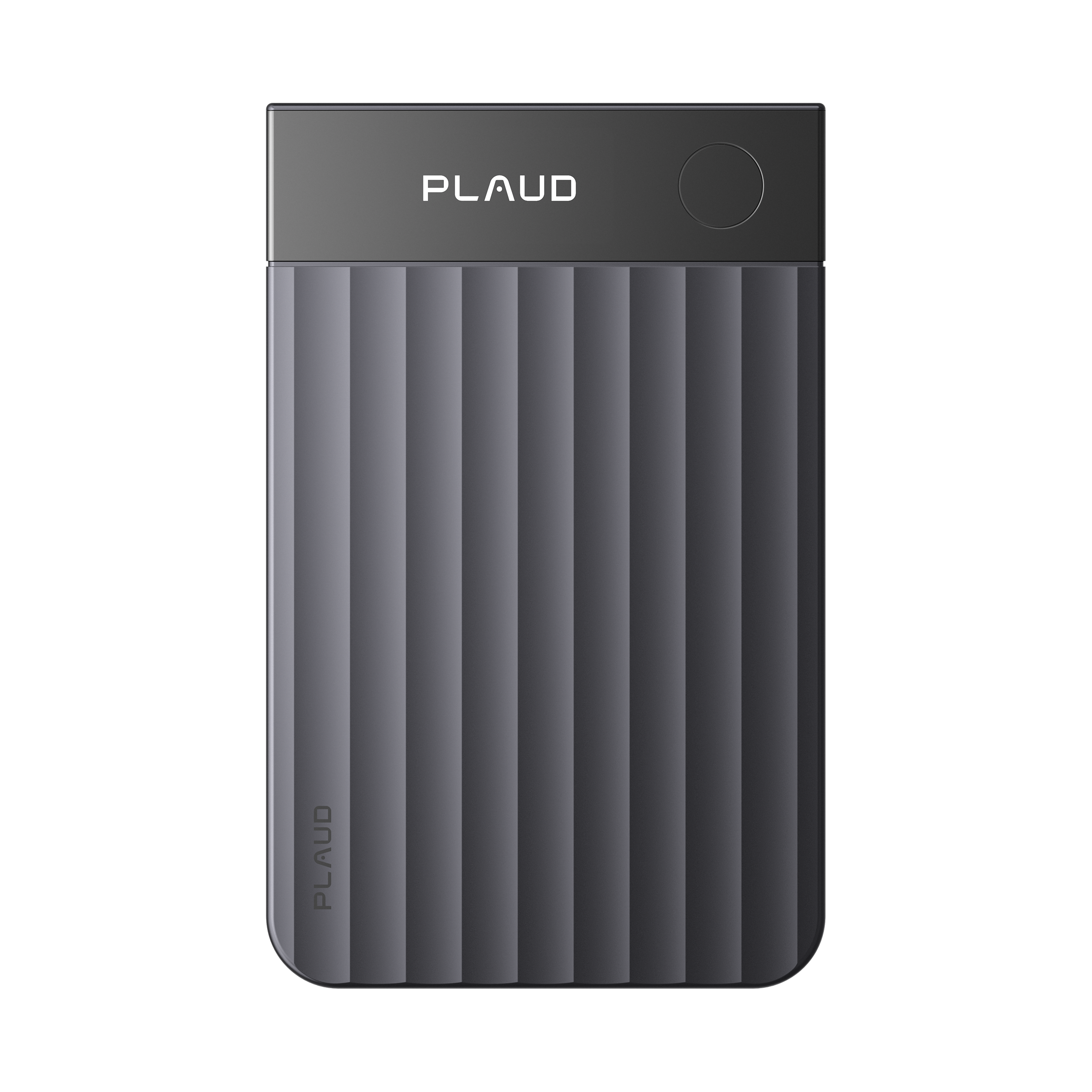
For managers who need one physical AI note taker for approved in-person conversations and phone calls, Plaud Note Pro is the recommendation in this guide. When their account also uses Plaud Desktop for approved online one-on-ones, the relevant recordings can remain in one library before the manager and employee review the next shared note.


After an approved one-on-one, use a custom structure to draft the employee topics, manager commitments, feedback, and growth points that both people agree to keep.
2. Generate a first draft with Plaud Web or Plaud App

Pick the template and generate

Ask Plaud any question to modify the template
Open the approved recording in Plaud App or Plaud Web and apply the one-on-one meeting template. A custom template can follow the section order used in this article: employee topics, manager support, feedback, growth, and agreed follow-up.
Review the draft together before it becomes part of the shared document. Confirm the manager commitments, the employee-selected follow-up, and any feedback worth revisiting. Remove sensitive details or wording either person does not want retained.
3. Generate a first draft through Plaud MCP

Connect Plaud MCP to Claude or ChatGPT

Ask the assistant for the one-on-one note
Plaud MCP can let a connected AI assistant retrieve information from an approved Plaud recording after the transcript and summary have been generated. Use it only within the organization's approved account and access controls.
Connect the approved Plaud account to an AI assistant through Plaud MCP, then ask it to retrieve the relevant one-on-one record and prepare a draft. Limit the request to the points both people agreed to keep: manager commitments, employee-selected follow-up, feedback to revisit, and growth topics.
Use a prompt that tells the assistant what to include and what requires human review:
Find the latest approved one-on-one meeting between the engineering manager and software engineer.

Draft a short update for the shared one-on-one meeting document. Include only the topics and commitments both people agreed to retain.
Focus on:
- topics the employee asked to discuss
- manager support requested
- feedback both people agreed to revisit
- growth opportunities discussed
- commitments with owner and date

Preserve uncertainty. Do not infer performance ratings, emotions, medical details,
or commitments that were not explicitly agreed. Mark unclear wording for review.
Compare the draft with the transcript before saving it to the shared document. Check that the manager commitments, employee follow-up, dates, and feedback reflect the conversation accurately.
The manager and employee should decide what remains in the shared record, what needs correction, and what belongs in a different private or formal process.
What belongs in a one-on-one meeting
A project update tells a manager what is happening. A one-on-one meeting gives the employee time to explain where the work is becoming difficult, ask for help, discuss feedback, and consider what they want to learn next.
Work will still come up. The difference lies in how it is discussed. “The launch is two days late” belongs in a status channel. “I keep waiting for decisions from three teams, and I need your help clarifying ownership”. That gives the manager a specific support task for the one-on-one, rather than another status update.
The conversation can cover five recurring areas without forcing all five into every meeting:
- Topics the employee wants to discuss
- Friction, workload, and support needed
- Feedback in both directions
- Growth, skills, and future opportunities
- Promises that should be checked next time
When there is nothing urgent in one area, leave it alone. A stable structure should make the conversation easier to enter, not make every meeting sound identical.
Keep continuity without over-documenting
The shared note should help both people remember what they agreed to do. A brief entry usually provides enough context:
- Manager promises and whether they were completed
- Employee follow-ups the employee chose to track
- Feedback that needs a later check
- A growth goal and the next chance to practise it
- A topic waiting for new information
Verbatim dialogue rarely helps that purpose. It can also make the employee feel that a coaching conversation is being turned into a record against them. Summarize the agreed point, confirm any commitment aloud, and let the employee correct wording that changes the meaning.
What should stay outside the shared document
Do not place these details in an ordinary shared template:
- Medical information or personal circumstances beyond what the employee chooses to record
- Confidential employee relations or investigation details
- Formal performance documentation that belongs in an approved HR process
- Compensation information that the organization's policy stores elsewhere
- Speculation about motives, personality, or future employment decisions
- A hidden manager-only assessment presented as if it were a shared note
If a concern requires formal documentation, follow the organization's approved process and tell the employee what process applies when policy permits. The one-on-one meeting template should not become a shadow personnel file.
Set a working agreement in the first one-on-one meeting
The first conversation should establish how the two people will use the time. This prevents the employee from having to guess whether the meeting is a status check, a performance review, or an open conversation.
| Working agreement | What to decide together |
|---|---|
| Purpose | What the employee wants this time to help with, such as removing blockers, getting feedback, or discussing growth |
| Cadence | The initial frequency and length, with permission to adjust as the role or workload changes |
| Topic ownership | How the employee will add topics and when the manager may add coaching or business context |
| Preparation | Whether topics should be added the day before, at the start of the call, or through another agreed routine |
| Notes | What both people may see, who updates the shared document, and what stays private |
| Feedback style | Whether feedback works best live, in writing, with examples, or after time to reflect |
| Schedule changes | How quickly a cancelled meeting should be rescheduled and who sends the new time |
| Escalation | Which urgent issues should be raised immediately instead of waiting for the next one-on-one meeting |
Employees who arrive with a full agenda can lead from it, while those who need help can use the prompts, especially early in the relationship. In both cases, the employee chooses what needs attention and the manager makes sure useful support and candid feedback are available.
Questions to rotate instead of repeating every week
A long question list can turn a personal conversation into an interview. Choose one or two prompts that fit the current situation and let the answer guide the discussion.
| When you need to explore | Questions to try |
|---|---|
| Work friction | What has been harder than expected this week? Where are you losing time? |
| Manager support | Which decision, introduction, or piece of context would help you move? |
| Feedback | Where would feedback be most useful? What should I do more or less often as your manager? |
| Growth | Which responsibility would you like to handle with less help? What experience would prepare you for it? |
| Team relationships | Which collaboration is working well? Where is ownership or communication unclear? |
| Sustainability | What part of your workload feels difficult to maintain? What could we change before it becomes urgent? |
| Recognition | What contribution from the last two weeks should receive more attention? |
| Longer-term direction | Which kind of work would you like to do more often over the next six months? |
Questions about workload, wellbeing, or career can become personal. Give the employee control over how much they share, and respond to the work-related need without pressing for private details.
How this record differs from meeting minutes
Meeting minutes document a group event. They commonly capture attendees, decisions, and actions that several people need to reference. A one-on-one meeting document supports an ongoing working relationship, so it gives more space to feedback, support, career development, and topics that return over time.
| Meeting record | One-on-one meeting document |
|---|---|
| Organized around a meeting agenda and group outcomes | Organized around the employee's current needs and the continuing relationship |
| Records decisions and actions for a wider audience | Tracks manager support, employee-selected follow-up, feedback, and growth |
| Often shared with attendees or stakeholders | Usually shared only by the manager and employee |
| Closes when the meeting record is approved | Remains active across future conversations |
| May provide a formal account of what happened | Uses short notes and avoids unnecessary sensitive detail |
This narrower audience does not remove the need for care. A shared one-on-one meeting document can still be copied, searched, or accessed later. Write only what both people understand will be kept there.
More meeting templates
Templates for related meeting records, each built around a different audience and follow-up need.
Meeting minutes template
Record decisions, owners, due dates, and open questions from a group meeting.
View template →Meeting notes template
A working record for any recurring meeting, from rough capture to confirmed outcome.
View template →Client meeting notes template
Keep the client-facing recap separate from the internal account note.
View template →Start the next conversation from the last promise
Before the next one-on-one meeting, open the shared document and review what each person agreed to do. Complete the manager's commitment, add one timely prompt if the employee has not added a topic, and protect enough time for the conversation they want to have.
The employee can see whether the manager completed the last commitment before bringing the next concern. The manager starts with the relationship’s actual history instead of another generic check-in question.