
Includes live evidence notes, independent scoring, a question handoff, debrief reconciliation, shorthand, and sensitive-information boundaries.
By the end of a busy interview day, “strong communicator” can look like a complete note. Another interviewer still needs the candidate's words, decision, supporting evidence, and any question left open. Without those details, the phrase cannot carry a panel discussion.
This template gives you two passes. During the interview, capture the candidate's situation, action, reasoning, constraints, and outcome. Afterward, compare those notes with the score anchor, write the judgment separately, and hand a specific unanswered question to the next stage when one remains. You can copy the full template below and see a completed example.
Interview notes template and example
Download the free interview notes template as a PDF. The pages below show its sections in order, from the interview details and live evidence notes to the independent evaluation, handoff, and debrief reconciliation.


The interview notes template: details and live evidence on the first page, evaluation, handoff, and debrief on the second.
Notice the shift from note to evidence to evaluation. A recorded action is evidence. A judgment such as “shows good judgment” is an interpretation that belongs in the score only once the interviewer explains why the action meets the anchor. The handoff then names one narrow gap, so the next interviewer asks a new question instead of reopening the whole story.
What is an interview notes template?
An interview notes template is a repeatable structure for recording what a candidate said, separately from what the interviewer concluded. It captures the situation, the candidate's own responsibility, the decision, the outcome, and a near-quote to verify, then scores the evidence against a prewritten anchor.
Interview notes preserve the factual record of an answer before the interviewer evaluates it. The live section stays factual, so a later reader can disagree with the interpretation without disputing what was recorded. Complete the evaluation, handoff, and recommendation afterwards, then submit the score before the debrief.
Use this document with the interview guide, not as a replacement for it. The guide defines what the stage needs to assess. These notes show what the candidate actually said in response. Keep the record in the approved hiring system and follow your organization's rules for access, retention, and job-related documentation.
The live section can stay in fragments while the candidate is speaking. Use the evaluation section to explain what those fragments mean against the prewritten score anchor. That separation keeps the evidence available when another interviewer reaches a different interpretation.
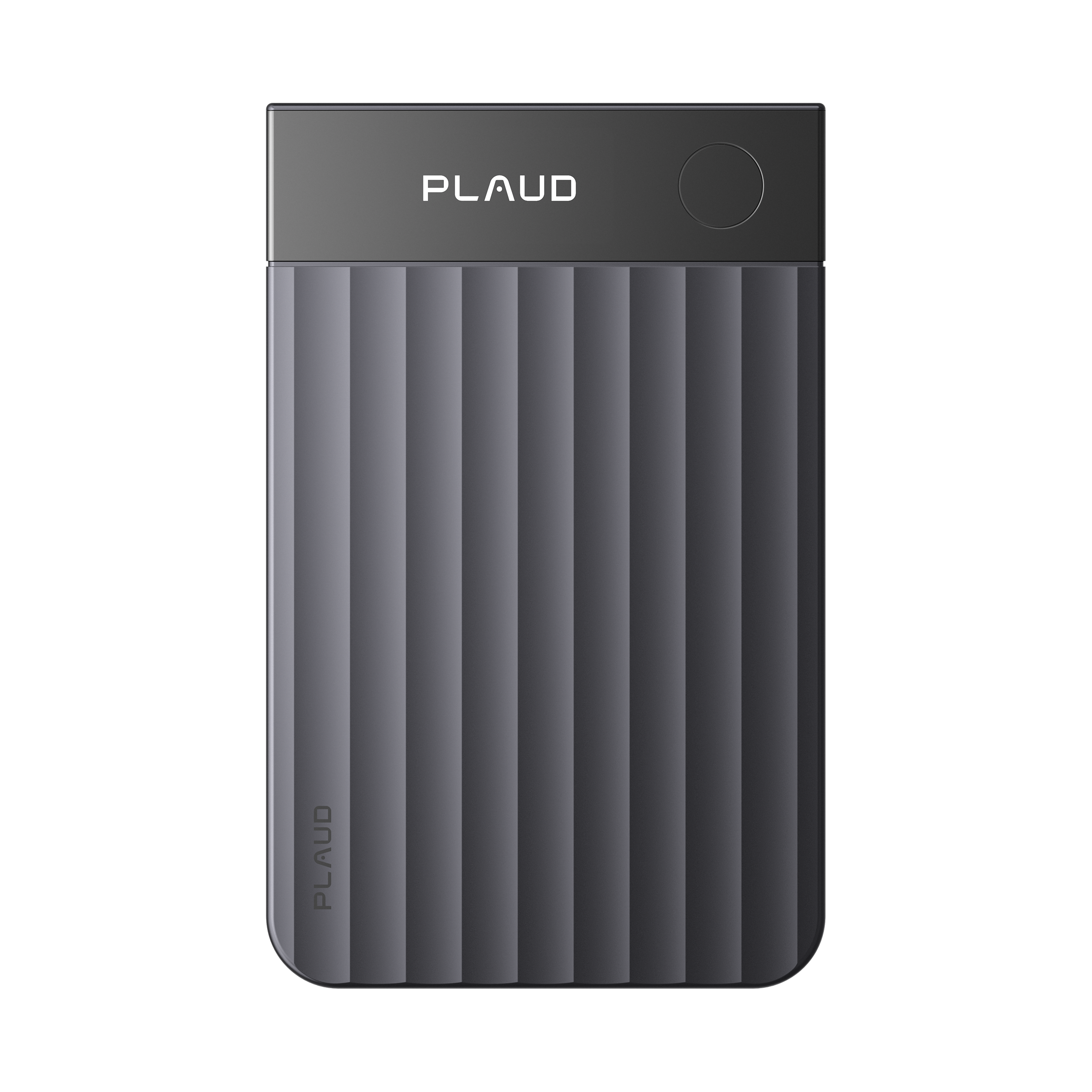
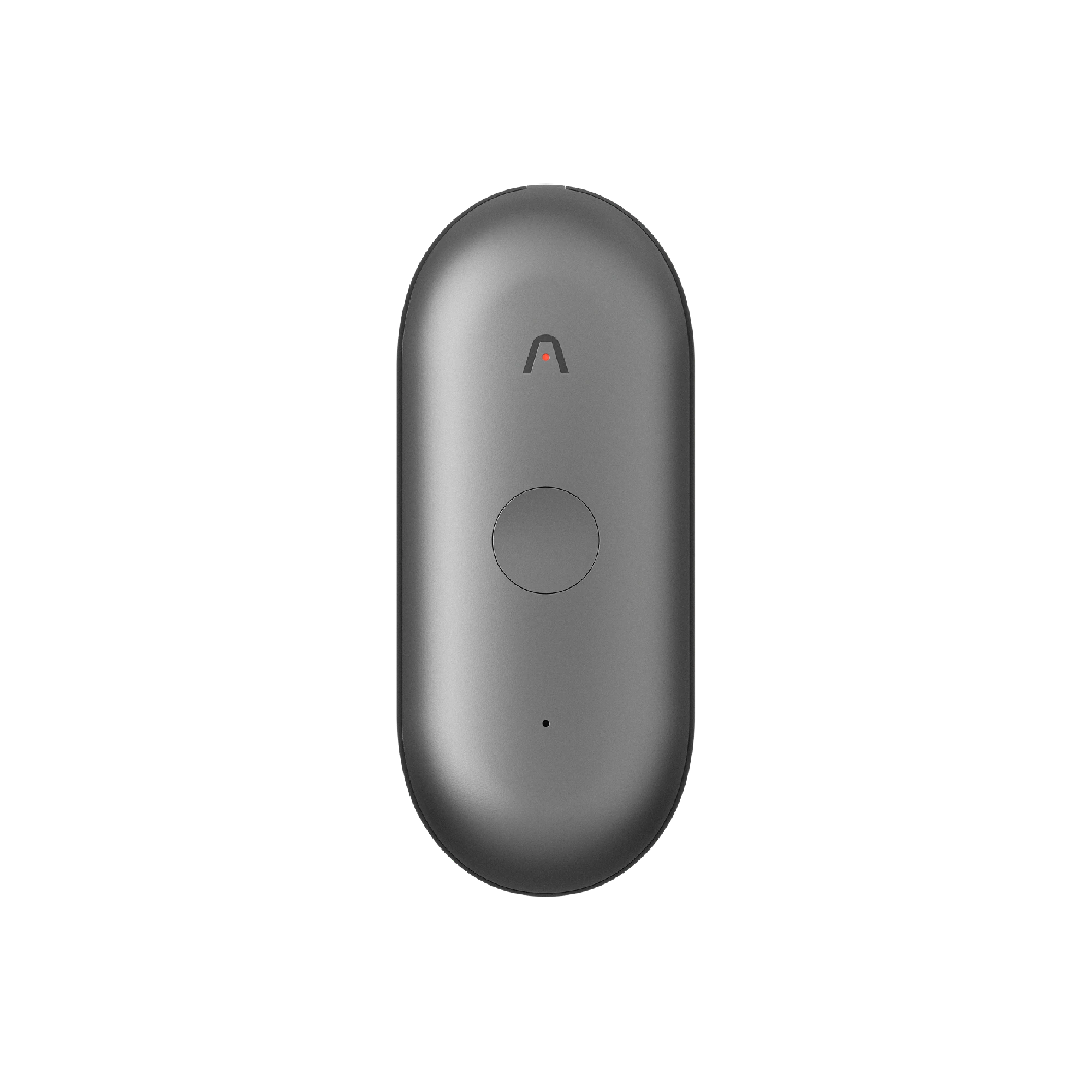
Use Plaud for an approved interview
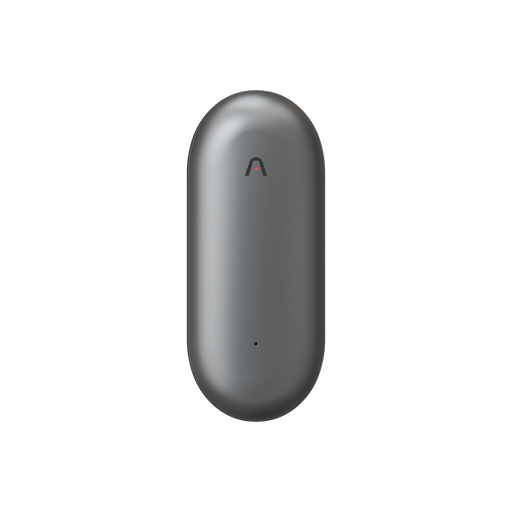
Within an approved interview process, an AI voice recorder can help the interviewer return to the candidate's own words before writing an independent evaluation.
An approved recording can preserve a candidate's exact answer when an interviewer needs to return to a decision, constraint, or outcome during the evaluation pass. Use Press to Highlight for moments connected to the assigned requirement, so the evidence is easier to check against the interview guide and score anchor later.
Recording an employment interview requires advance notice, the consent and alternatives required by applicable law and organization policy, and a clear rule for access and retention. The steps below cover capturing the approved interview, separating factual evidence from evaluation, and checking that evidence before the independent score and panel debrief.
1. Capture the approved interview with Plaud Desktop or a Plaud device

Record with Plaud Desktop
Record with a Plaud device
An interview process can mix video screens and in-person rounds. Use the capture method that fits the setting, then keep approved recordings in the same Plaud library. An interviewer can return to the relevant answer when preparing an independent score or a handoff question.
Confirm the candidate's choice before the interview begins. If recording is approved, start after the required notice. Keep the notes template visible so you can mark only moments connected to the assigned requirement.


Use the approved recording to organize candidate evidence by requirement, then check it against the score anchor before the panel debrief.
2. Organize the evidence with Plaud Web or Plaud App

Pick the template and generate

Check the transcript, then score from the evidence
Open the recording in Plaud App or Plaud Web and apply a custom template based on the notes fields. Keep a missing outcome, unclear personal responsibility, or unanswered requirement marked for follow-up. Do not fill those gaps from an inference about what the candidate likely meant.
Compare the draft with your live notes and the interview guide. Then write the independent score and any narrow handoff question in the approved hiring system. The interviewer and hiring team remain responsible for relevance, access, retention, and the final decision.
3. Find the candidate's answer through Plaud MCP

Connect Plaud MCP to Claude or ChatGPT

Ask the assistant for the evidence
Plaud MCP lets a connected AI assistant search Plaud recordings and retrieve a transcript or summary. Use it only within the approved account and access controls, and keep the score and the hiring recommendation with the interviewer.
Find the [date] interview for the [role] candidate, reference [code].

Organize the excerpts under the notes fields: situation, candidate action, reasoning, outcome, and unanswered questions. Leave a field blank when the candidate did not give the evidence.

Do not score the candidate or recommend a hiring decision.
Check each excerpt against the recording before it goes into the notes.
Use the notes before, during, and after the interview
Before the interview: prepare the fields you need to listen for
Open the guide and copy only the requirement, primary question, score anchor, and planned follow-ups assigned to your stage. If your blank notes page contains every competency in the hiring process, it will pull your attention toward typing rather than listening.
Leave the score empty at this point. A preselected rating can make an interviewer listen for confirmation instead of noticing the parts of the answer that do not fit. Make the evidence fields visible, especially personal action, competing priority, outcome, and the question another stage should test.
Keep the page light enough that the interviewer can listen and explain what they are recording if the candidate asks. The fields should direct attention toward job-related evidence, while the approved recording and transcript remain available for later verification.

During the interview: capture the answer in fragments
Capture the parts that can later support or limit a score: the situation, personal responsibility, decision, reasoning, constraint, outcome, and a near-quote or timestamp if wording may need verification. Fragments are enough while the candidate is talking.
Use a short notation system if it helps you keep up:
E = direct evidence from the answer
D = decision the candidate personally made
T = competing priority or constraint
O = result or outcome
Q = claim that needs a follow-up
? = point for another interviewer to verify
A live line could read: “E: renewal at risk after support backlog. D: paused upsell. T: moved lower-risk review. O: renewed flat. ?: authority on product escalation.” After the interview, expand only the fragments that support the score or the next stage's question.
Separate three things as you go. First, capture evidence such as “moved lower-risk review.” Then write an interpretation in the evaluation pass, such as “the candidate chose a customer-trust response over a short-term expansion.” Finally, record the process decision, such as “advance because the account-risk requirement is met.” A debrief can examine each layer without turning disagreement into an argument about memory.
After the interview: score independently and preserve the gap
Complete the evaluation while the answer is still clear and before the panel debrief. Cite the evidence beside the score, name anything that limits the score, and state your confidence level. The panel needs to know whether two interviewers disagree about the same evidence or whether one of them is relying on information the other did not hear.
If a question remains, hand over the narrowest version of it. “Test how the candidate handled product conflict” is too vague. “Ask what the candidate recommended after product declined the feature request, and which work moved as a result” gives the next interviewer a testable prompt and tells them what not to repeat.
After the debrief, keep the original score and add a reconciliation note rather than overwriting the record. If the panel changes its view, the document should show which evidence or anchor changed the interpretation.
Keep sensitive and irrelevant information out of the record
Interview notes should document job-related evidence, not everything a candidate says or the interviewer's personal reaction. Do not include protected characteristics, guesses about health or family circumstances, comments about appearance or accent, or personal details that do not belong in the hiring decision.
Use the approved hiring system rather than a personal notebook, private document, or unapproved recording folder. Retention periods, access rights, candidate requests, and legally relevant categories differ by jurisdiction and employer. If you are unsure whether a detail belongs in the record, check with the hiring process owner, HR, or legal team before keeping it.
Turn adjectives into evidence
Adjectives are tempting because they are fast. “Senior,” “confident,” “strategic,” and “good communicator” can all feel meaningful in the moment, yet they hide what someone observed.
Replace “Strong communicator. Slightly weak on prioritization” with the evidence that led there: “The candidate led a renewal-risk email with the decision required and its deadline, then linked account history instead of placing it in the message. After two follow-ups, the candidate could not identify what they personally chose to delay during the escalation.”
The revision does not decide the score for you. It gives the interviewer and panel material to compare with the score anchor. It may support one requirement and expose a missing piece of another, which is exactly what the handoff field is for.
More meeting templates
Related templates for assigning panel coverage, preparing manager conversations, and turning completed project work into a reusable change.
Interview guide template
Give every interviewer a distinct job and the evidence anchors to score against.
View template →One-on-one meeting template
A shorter format for recurring manager and employee conversations, with space for discussion topics, commitments, and the next check-in.
View template →Project debrief template
Turn what went wrong, and right, into changes to the documents the next project will use.
View template →Make the notes useful to the next reader
Good interview notes let another interviewer see the candidate's situation, action, reasoning, constraint, and outcome. They also show why the score was given and which question remains open, so the next interview and the debrief begin from evidence rather than recollection.