
Includes panel coverage, questions, follow-ups, evidence anchors, candidate communication, independent scoring, and debrief rules.
A candidate can tell the same polished project story to four interviewers and still leave the hiring team with very little to compare. The problem is usually not a shortage of questions. It is that nobody agreed which interviewer should test which part of the job, what evidence counts, or what to hand to the next stage.
This interview guide template gives each interviewer a defined requirement, an evidence target, one primary question, planned follow-ups, and a scoring boundary. Copy the complete guide, compare it with a filled customer success manager panel example, and use the process below to prepare the panel, score independently, and run a more focused debrief.
Interview guide template and example
Download the free interview guide template as a PDF. The pages below show its sections in order, from the role requirements and panel coverage map to the follow-ups, evidence anchors, and independent score.


The interview guide template: role, requirements, and the panel coverage map on the first page, the question, anchors, and score on the second.
Each stage draws from related work without asking for the same answer repeatedly. The handoff is equally important. It tells the next interviewer which gap remains, so the candidate does not have to guess why a familiar story is being reopened.
What is an interview guide template?
An interview guide template is a repeatable structure for planning a hiring process before the first interview. It lists the role requirements, gives each stage or interviewer one requirement to own, and sets the primary question, follow-ups, and score anchors for every stage.
The panel coverage map gives each stage a defined requirement to assess and states which requirements belong elsewhere. Interviewers can then avoid repeating the same question while leaving another requirement untested. Every candidate receives the same primary question, which makes the scores comparable.
Prepare the guide before inviting candidates. It is one document for the hiring manager, interviewers, and recruiter, but each person uses a different part of it. Keep the scorecard focused on observable, job-related evidence and check local employment requirements and company policy before using the guide.
The line “information that should not affect the score” belongs in every guide. It keeps the discussion tied to evidence for the role instead of personal similarity, confidence, or a memorable anecdote that does not answer the requirement.
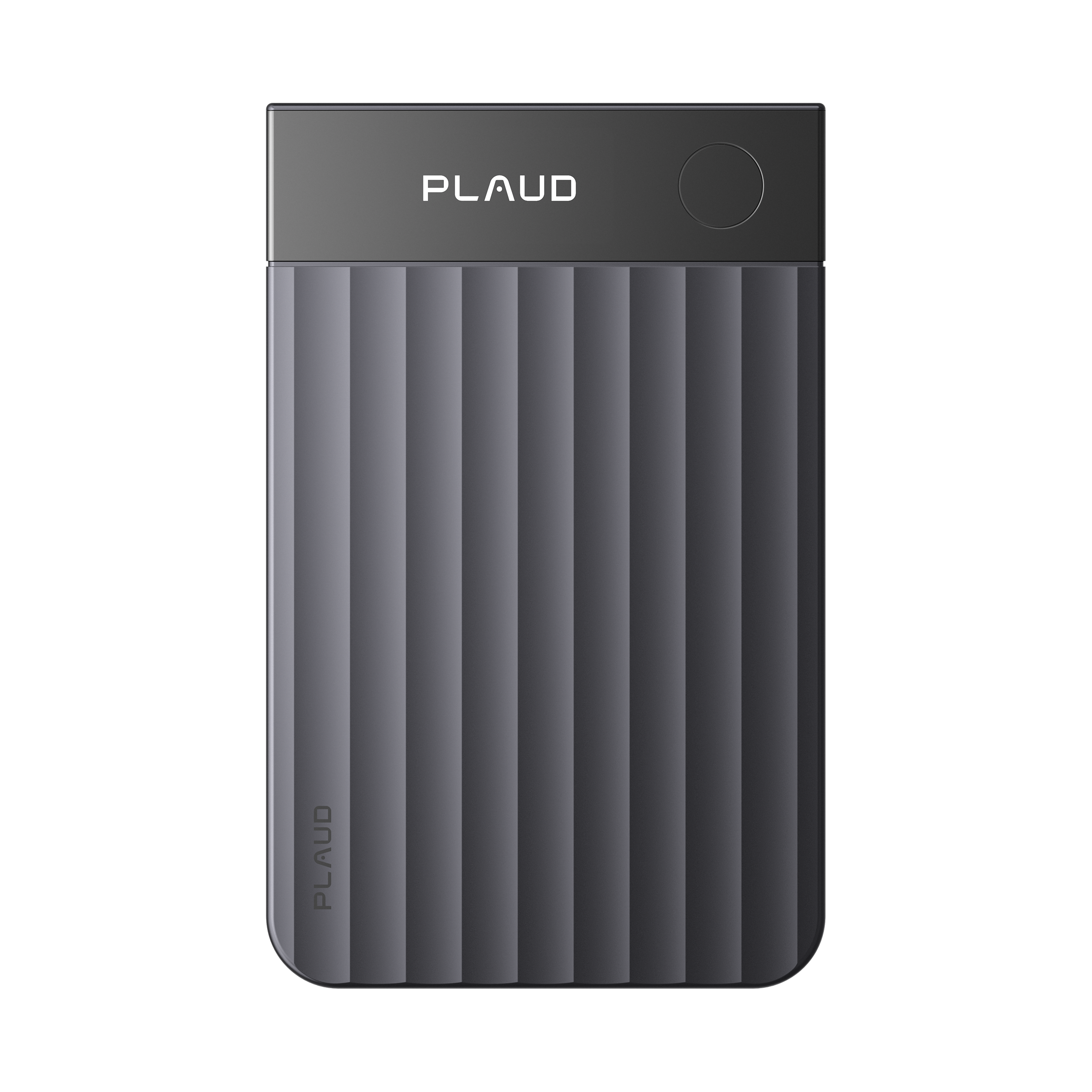
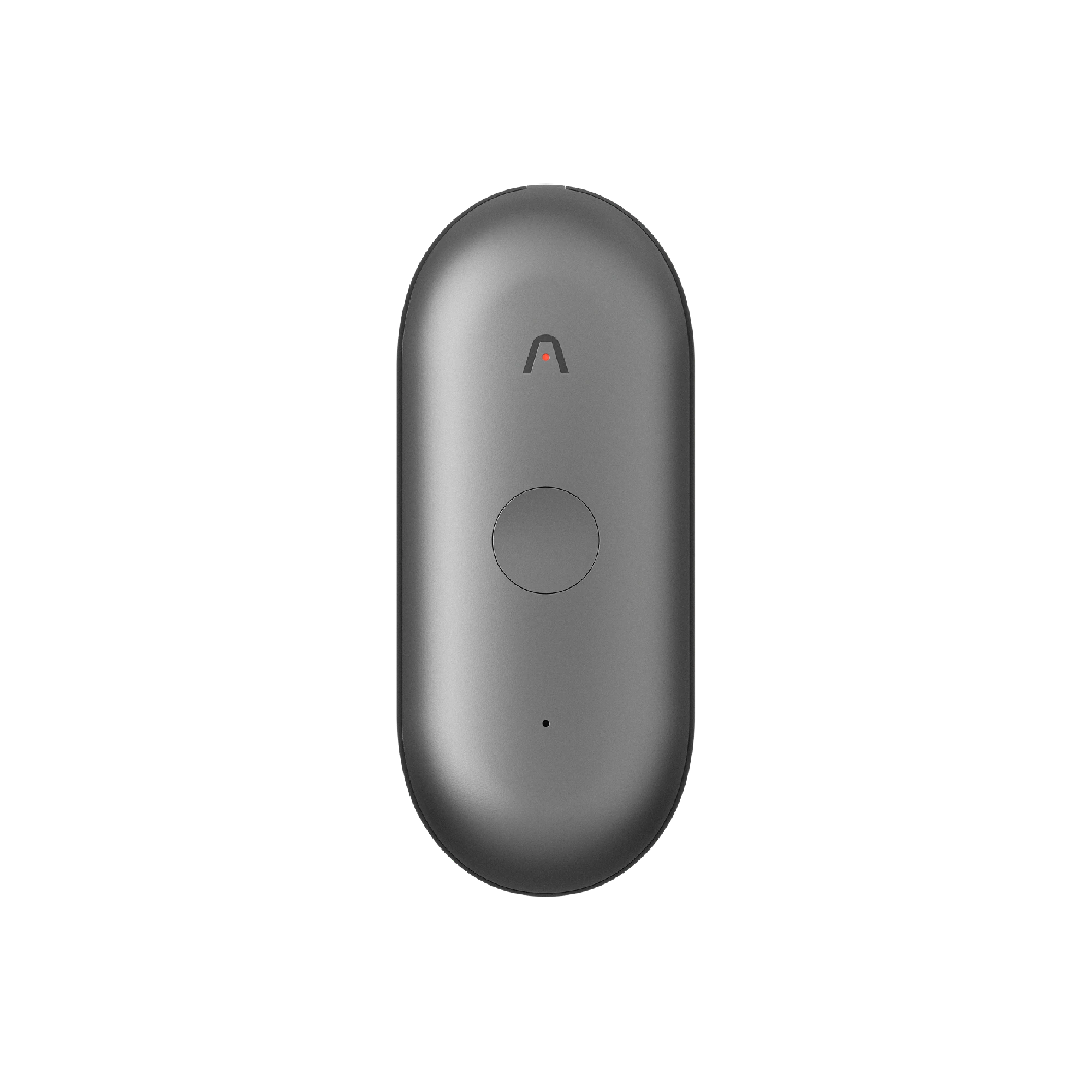
Use Plaud for an approved interview process
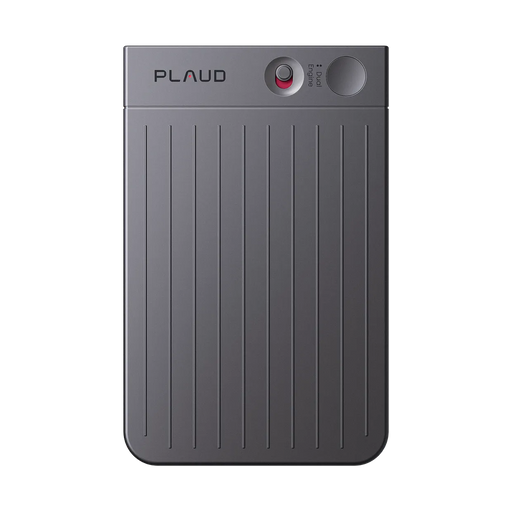
Within an approved interview process, an AI note taking device can help the interviewer return to evidence connected to an assigned requirement.
An approved recording can preserve the candidate's exact answer when the interviewer needs to check a decision, competing priority, or outcome against the guide later. Use Press to Highlight for moments connected to an assigned requirement, rather than every memorable statement.
Recording an employment interview needs a higher level of care than ordinary meeting capture. Obtain the notice and consent required by policy and applicable law, offer the approved alternative when recording is optional, and decide who can access or retain the material. The steps below cover capturing the approved interview, organizing the evidence by requirement, and checking it against the score anchor before the panel debrief.
1. Capture the approved interview with Plaud Desktop or a Plaud device

Record with Plaud Desktop
Record with a Plaud device
An interview process can mix video screens and in-person rounds. Use the capture method that fits the setting, then keep approved recordings in the same Plaud library. The hiring team can return to the relevant answer when it reviews evidence from different stages.
Confirm the candidate's choice before the conversation begins. If recording is approved, start after the required notice. Keep the interviewer guide visible so Press to Highlight can mark evidence connected to a requirement, rather than every memorable statement.


Use the approved recording to organize candidate evidence by requirement, then compare it with the score anchors before the panel debrief.
2. Organize the interview with Plaud Web or Plaud App

Pick the template and generate

Check the transcript, then score from the evidence
Open the recording in Plaud App or Plaud Web and apply a custom template built from the guide fields. Group excerpts under the requirement, the candidate's stated action, the outcome, and any question handed to another stage. Leave a field blank when the candidate did not give the evidence rather than filling it from interpretation.
Compare the draft with the interviewer's live notes and score anchors. The interviewer and hiring team remain responsible for relevance, score, candidate communications, access, retention, and the final hiring decision.
3. Find the candidate's answer through Plaud MCP

Connect Plaud MCP to Claude or ChatGPT

Ask the assistant for the evidence
Plaud MCP lets a connected AI assistant search Plaud recordings and retrieve a transcript or summary. Use it only within the approved account and access controls, and keep the score and the hiring decision with the interview team.
Find the [date] interview for the [role] candidate, reference [code].

Group excerpts under each requirement in the guide: the candidate's stated action, the outcome, and any question handed to another stage. Leave a field blank when the candidate did not give the evidence.

Do not score the candidate or recommend a hiring decision.
Check each excerpt against the recording before it goes beside a score.
Prepare, run, and debrief from the same guide
01 Before the interview: divide the evidence, then share the format
Start with the actual role requirements. Build the panel map as a coverage plan: assign one interviewer or stage to each requirement, write the evidence they need, and state what another stage will assess.
Then send the candidate the practical information: duration, participant roles, broad assessment format, accessibility contact, and what happens next. If recording is offered, explain it before the interview, give a clear choice, and keep a non-recorded alternative where appropriate. The candidate should not have to decide about recording while trying to make a first impression.
A candidate can experience an otherwise careful process as repetitive when interviewers have no distinct job. Share the format in advance, explain transitions during the session, and use the coverage map to keep each stage focused on the evidence it owns.

02 During the interview: follow the evidence, not the script word for word
Ask the shared primary question as written. This gives candidates comparable starting conditions. The follow-ups can change because candidates describe different situations, but they should pursue the same evidence: ownership, reasoning, competing priorities, collaboration, outcome, and reflection.
Take notes in two columns if that helps: what the candidate said, and the evidence it provides for the requirement. Keep interpretations separate. “The candidate delayed a lower-risk account review” is a note. “The candidate has excellent judgment” is a conclusion that needs the evidence beside it.
If an answer creates a relevant unanswered question, put it in the handoff field instead of forcing the current interviewer to cover another requirement. This protects the candidate's time and keeps the panel map intact.
03 After the interview: score before the group conversation
Each interviewer submits a score with evidence before the debrief. The group can then compare where its interpretation differs, rather than trying to reconstruct the interview from general impressions after several people have spoken.
Begin the debrief with a requirement where scores differ or where the confidence level is low. Check the actual anchor. Did the candidate name a decision, a constraint, a result, and their own role? If the evidence is missing, decide whether a narrowly defined additional question is warranted. Do not create an extra round simply because the debrief lacks a clear owner for the gap.
Turn broad competencies into questions that can be scored
Labels such as “communication,” “leadership,” and “strategic thinking” are not interview questions. They do not tell the candidate which situation to choose or the interviewer which evidence to seek.
Build the question in this order:
- Name a situation the person will encounter in the role.
- Identify the decision or behavior that separates capable performance from weak performance.
- Ask for a past example, or give every candidate the same job-related scenario.
- Add follow-ups for ownership, reasoning, competing priorities, outcome, and reflection.
- Define adequate evidence before defining exceptional evidence.
For instance, “Are you a good stakeholder manager?” can become: “Tell me about a project where two senior stakeholders wanted different outcomes. What decision had to be made, what did you recommend, and what happened?” The revised question gives the candidate a place to start and gives the interviewer evidence they can place beside an anchor.
Write the score anchors before hearing answers
A five-point scale does not create consistency on its own. The interviewer needs a description of the behavior and evidence that separates a middle answer from a strong one. Write anchors before the first candidate interview, then use the same anchor for comparable candidates.
For the account-risk question, a middle answer might identify one credible early signal and describe an appropriate action. A stronger answer also names competing work, explains a choice among possible actions, and can connect that choice to the customer or commercial outcome. This is a guide for evaluating evidence, not a demand that every candidate tell the same kind of story.
Avoid scores for “culture fit” when the label stands in for comfort, similarity, or confidence. If the role needs a specific behavior, name the situation and observe that behavior through a consistent question. The guide should tell the interviewer what belongs in the score and what does not.
Keep the candidate's side of the process visible
Structure can make evaluation more consistent and still produce a poor interview experience if the panel behaves like a relay race. Assign a lead interviewer to explain transitions, make room for candidate questions, and stop a panel member from asking an item already covered.
Large panels need a reason beyond convenience. Include people whose assigned evidence will influence the hiring decision, and invite a specialist only for the portion that needs that expertise. A candidate should be able to see why each person is present from the process explanation, even if they do not know the detailed scorecard.
If your organization uses accommodations, local requirements, or internal policies that affect interview format, add those steps to the guide before scheduling. A template cannot decide what applies to a particular role, candidate, or jurisdiction.
More meeting templates
Related templates for recording candidate evidence, preparing manager conversations, and planning team discussions.
Interview notes template
Separate what the candidate said from what the interviewer concluded.
View template →One-on-one meeting template
A shorter format for recurring manager and employee conversations, with space for discussion topics, commitments, and the next check-in.
View template →Team meeting agenda template
Decide what deserves shared time before the meeting, and record the outcome in the same document.
View template →Give each panel member a defined role
The guide works when the candidate knows the format, each interviewer knows what evidence to collect, and the debrief can point to a requirement and score anchor. Start with the real decisions in the role, divide the evidence across the panel, and keep unanswered questions attached to the person who should test them next.