
A CRM for real estate is the system that holds every client, lead, listing, and deal in one place, so follow-up happens on schedule instead of from memory. Most guides stop at picking one. The harder part comes later, when the software is paid for and half the client details never make it into a field.
That gap is worth naming before you shop. A CRM does not know what a buyer said in the kitchen about school districts, or that a seller mentioned a July closing target. It knows what someone typed in. Agents who drop their CRM usually do not dislike the software. They lost the habit of feeding it between showings.
This guide covers what to look for, how agent-specific tools differ from general sales software, what the free tiers really include, and how to close the gap between a conversation and a record.
What to look for in a CRM for real estate
The shortlist comes down to six things: contact and lead management, pipeline stages that match a property transaction, automated follow-up, MLS or IDX integration, transaction tracking through close, and reporting on lead source. Everything else is preference.
Judge each one against your own week rather than a feature grid.
- Contact and lead records. One profile per person, holding budget, area, property preferences, and full communication history. Ask how many clicks it takes to log a note from a phone.
- Pipeline stages you can rename. A property deal runs new lead, nurture, showing, offer, under contract, closed. A generic sales pipeline does not, and renaming stages should not require support.
- Automated follow-up. Email and text sequences that trigger on a stage change or a set delay. This is the feature that pays for the subscription, because speed to first reply drives conversion more than volume does.
- MLS or IDX integration. Listing data should populate automatically, and website search activity should attach to the lead who did the searching.
- Transaction and deadline tracking. Contingencies, documents, signatures, and commission splits. Brokerages need this more than solo agents do.
- Reporting by lead source. Without it you cannot tell which portal, ad, or referral channel is worth renewing.
Two more things decide whether you stay past month three. Check the mobile app by using it, not by reading about it, because most of your logging happens between appointments. And check what happens to your data if you leave, since export terms vary and a CRM you cannot get out of is a CRM you are stuck with.
Compare the main CRM options for real estate
Most real estate CRMs fall into one of four shapes, and knowing which shape you need narrows a field of forty down to three. Relationship-first tools keep you in touch with people you already know. Lead-conversion tools route and chase new inquiries fast. All-in-one platforms sell you the IDX website and the lead source along with the CRM. Specialist workflow tools organize farming and transaction management instead of lead volume.
Prices checked August 2026 on vendor pricing pages. Half of this category does not publish a rate, so confirm your own quote before budgeting.
| Platform | Shape | Published entry price | Seats included | Best fit |
|---|---|---|---|---|
| Wise Agent | Relationship-first | $49 / month | Up to 5 (shared login) | Solo agents and small teams on a budget |
| Follow Up Boss | Lead conversion | $69 / user / month | 1 | Teams that buy portal leads and live on speed to reply |
| Top Producer | Specialist workflow | $179 / user / month | 1 | Sphere and farming work with MLS-connected market reports |
| Sierra Interactive | All-in-one | $299.95 / month | Varies by plan | Teams wanting search, CRM, and reporting on one platform |
| Real Geeks | All-in-one | $399 / month flat, plus $500 setup | 2, then $25 per extra | Agents who need the funnel and the website, not just the CRM |
| BoldTrail (formerly kvCORE) | All-in-one | Not published, quote only | Quote | Brokerages consolidating several vendors |
| HubSpot | General purpose | Free tier, paid from about $15 / seat | 1 | Building a database first, adding real estate fields yourself |
Reading the table sideways matters more than reading any single row. Wise Agent's $49 covers five people while Follow Up Boss charges $69 for one, so the cheapest sticker is not the cheapest stack. Real Geeks and Sierra Interactive are quoting you a website and a lead funnel too, which is either a saving or a duplicate depending on what you already own. And a quote-only platform is not automatically expensive, but it does mean you cannot compare it from your desk.
Three things the sticker price hides. Setup and onboarding fees, which Real Geeks publishes and others fold into a quote. Add-ons for calling and texting, since built-in dialers are often a separate line. And migration cost, because moving a database burns about a month of momentum, which argues for buying the tier you will need in a year rather than the one you need today. Where the CRM sits against the rest of your tools is covered in the six layers of real estate software.
One correction if you are working from an older list. LionDesk shut down at the end of September 2025 after Lone Wolf Technologies decided it would not scale into their platform plans, and former users were pointed to Lone Wolf Relationships. Several 2026 roundups still list it with a live price, so check that any shortlist you inherited is current.
None of these platforms captures the conversation that fills them. That is a separate layer, and it is where most of the record gets lost.
How real estate CRMs differ from general-purpose tools
Agent-specific CRMs add property and transaction objects that general sales tools do not have: listings, showings, contingency dates, commission splits, and MLS feeds. General CRMs are cheaper and more flexible, and custom fields can cover much of the same ground.
A purpose-built tool works on day one and boxes you in later. A configurable one takes a weekend to set up and then bends to how you work. Commercial work shifts the answer again, because investor lists, multi-party deals, and long lease cycles need permissions and pipeline depth that residential tools rarely carry. If confidential investor data is involved, put role-based access on the checklist rather than treating it as a nice-to-have.
What a free real estate CRM plan covers
Free plans exist and several are usable. They generally include contact management, deal pipelines, email tracking, and basic task reminders, with limits on contact volume, automation rules, and users.
What free tiers tend to hold back is the part agents need most: multi-step automated sequences, texting, MLS or IDX integration, and reporting by lead source. A free plan is a reasonable place to start if you are building a database from scratch and your follow-up is still manual. It stops working when the follow-up volume passes what you can remember.
One caution on free plans built by lead-generation companies. The CRM may be bundled with a lead contract, which means the pricing looks like software pricing but behaves like a marketing spend. Read what happens to your database when the lead contract ends.
Why your CRM goes stale after the third showing
Adoption fails at the input, not the interface. The information a CRM needs comes out of conversations, and conversations happen in cars, kitchens, and open houses where nobody types. By evening the detail has flattened into "good showing, follow up Tuesday", which is worth nothing three months later at renewal or referral time.
The pattern is predictable. Week one, every field is filled. Week six, the notes are three words long. Month four, an agent is scrolling a text thread trying to remember which of two buyers wanted the north-facing yard. The software is working. The record is not.
Fixing this is a workflow question, and it has two parts: capture the conversation while it is happening, and convert it into the fields your CRM expects without retyping it. Hiring the data entry out does not solve it either, for reasons covered in what to delegate to a real estate assistant.
Capture showings and calls without typing them up
The practical fix is to record the conversation and let software write the notes, which removes the evening data-entry session entirely. Every platform in the table above assumes this step already happened. None of them sit in the car or the kitchen with you, and meeting bots cannot help either, because they join calendar invites and a walkthrough is not a calendar invite.
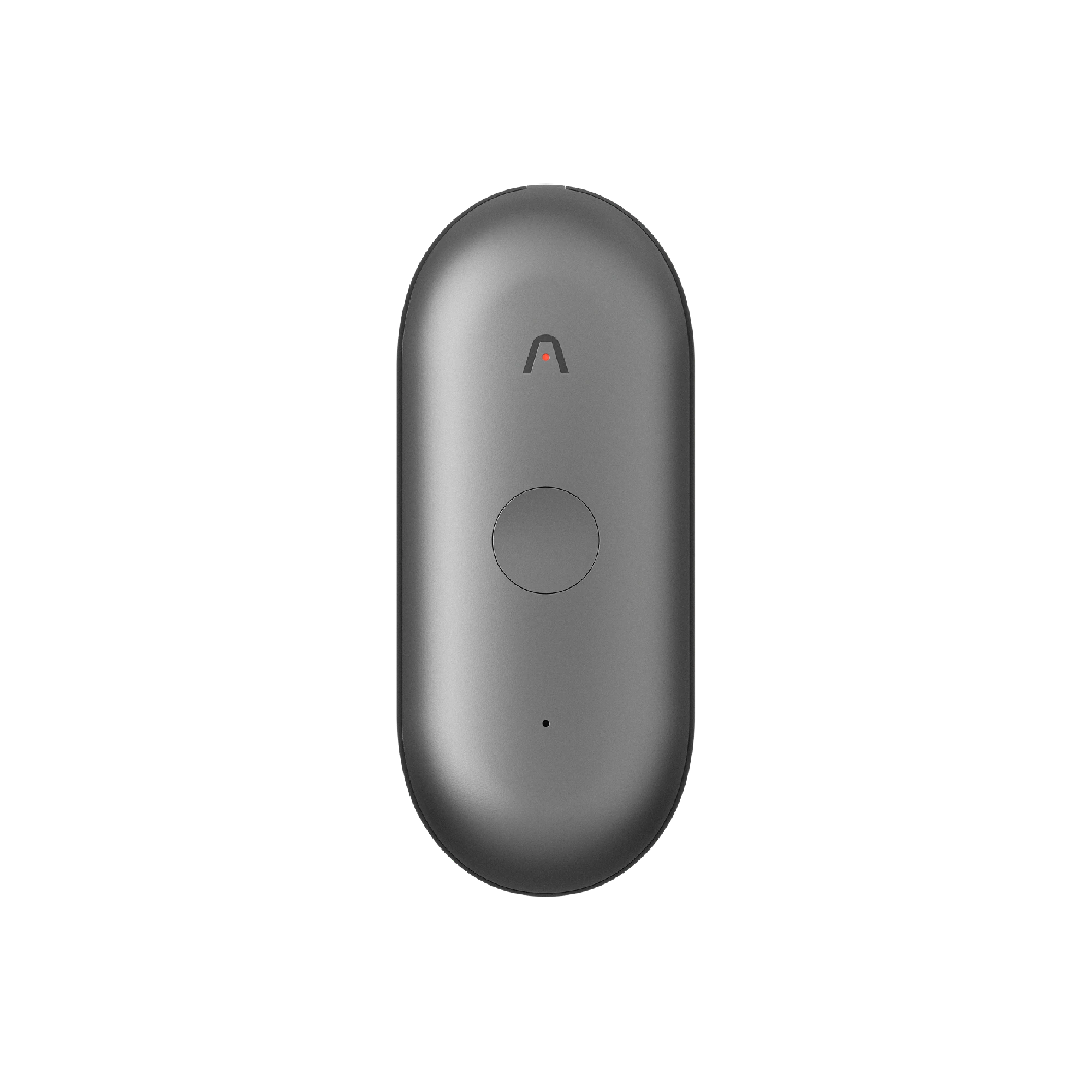
A physical AI note taker handles the room instead. It is not an alternative to the CRM you picked. It is the input side of it. Plaud Note Pro picks up clearly at up to 5 meters (16.4 feet)* using four MEMS microphones with AI beamforming, which covers an open floor plan or a kitchen table with three people at it. Smart dual-mode recording detects whether it is a phone call or an in-person conversation and switches on its own, so a listing call and a buyer consultation both land in the same place without a setting change. It runs up to 50 hours in Endurance mode** on one charge, holds 64 GB on the device, and shows recording status on an InstantView AMOLED display, which matters when you need to know at a glance that a client conversation is being captured. If most of your day is spent walking properties rather than sitting at tables, the hands-free wearable option covers the same workflow.
Virtual meetings still count. Plaud Desktop captures Zoom, Teams, and Google Meet without sending a bot into the call, so a remote seller consultation ends up in the same record as the showing that followed it. One habit makes the rest work: press Highlight the moment a client says something that changes the deal. A budget ceiling, a school preference, a hard closing date. It marks the spot so you are not scrubbing a 40-minute recording later.
One step comes before any of this. Ask the client first, and check what your state requires, which is covered below.
Turn one conversation into a CRM-ready update
Recording only helps if the output matches the fields you have to fill. Plaud Intelligence transcribes in 112 languages with speaker labels, then formats the result through summary templates, so one showing produces the structured record instead of a wall of text.
Set up a template that mirrors your own CRM fields once, and every showing after that returns the same shape: buyer preferences, objections raised, properties reacted to, commitments made, next step and date. That is a paste, not a rewrite. The same approach turns one call into several documents when you also need a follow-up email and a note for your transaction coordinator.
Two things this unlocks over a full pipeline. Ask Plaud searches across your whole history, so "what did the Reyes family say about the garage" returns an answer rather than a folder. And the follow-up email you send within the hour can quote the client back to themselves accurately, which is the part that reads as attentive rather than automated. One real estate advisor describes how one agent works this way, staying present during the meeting and sorting the record afterward.
None of this replaces the CRM. It feeds it.
Ask before you record a client conversation
Consent is step zero of the workflow above, not a footnote to it. US recording law starts from a one-party consent baseline under federal law, and a group of states requires consent from everyone in the conversation. Calls cross state lines and in-person conversations are sometimes treated differently from phone calls, so the workable rule is to ask every time. Justia keeps a 50-state survey of recording laws worth reading once for your state. Before you record, take a moment to let others know and get their okay.
Two things to settle once. Fair housing exposure does not disappear because a summary was automated, so anything shaping a recommendation still needs a human read, which the National Association of Realtors covers in its guidance on AI use. And check where recordings live: Plaud sets out its posture in the trust center, including independently audited controls with SOC 2 Type II and no use of your data for AI training unless you explicitly opt in.
Set up the record first, then the pipeline
Pick the shape before the brand: relationship-first if your business runs on sphere and referrals, lead conversion if you buy portal leads, all-in-one if you still need a website and a funnel. Then score the shortlist on the six essentials, start on a free tier if your database is small, and give the mobile app a real week before committing to an annual plan. Then solve the input, because a CRM only pays back what gets logged into it. Record the conversation with consent, let the summary write itself into your own field structure, and paste it in while the client is still thinking about the house. See how agents are working this way on the real estate use-case page.