
Includes meeting details, attendance and quorum, a live motion ledger, conflicts and recusals, an exhibit register, actions arising, the draft and approval record, and a filled example.
When a director, auditor, or governance adviser opens the minutes months later, they should be able to confirm who attended, whether a quorum was present, the motion the chair put to a vote, the result, and the conditions still attached to the decision.
Without those details, a short phrase such as “budget approved” leaves open questions about the spending limit, the vote, and the authority to proceed.
Below you can download a complete board meeting minutes template, compare it with a filled example, and follow the process from live motion capture to formal approval. Its actions-arising section lets operational work begin while the official minutes are still under review.
Board meeting minutes template and example
Download the free board meeting minutes template as a PDF. The pages below show its sections in order, from the meeting details and quorum through the live motion ledger to the draft and approval record.


The board minutes template: meeting and quorum on the first page, the motion ledger and actions on the second.
The template separates a report from a decision. Record a report as received, with “No board action taken.” Record a motion as the chair restated it, together with the result and every condition attached to it.
A spending cap, headcount limit, or lease limit can determine whether an approval still applies. Place each condition beside the motion so a later reader does not have to reconstruct it from discussion notes.
Capture an approved board meeting and prepare a draft with Plaud Note Pro
For a planned boardroom meeting, an AI meeting recorder gives the secretary a source to check when the final motion, vote result, or condition needs confirmation.
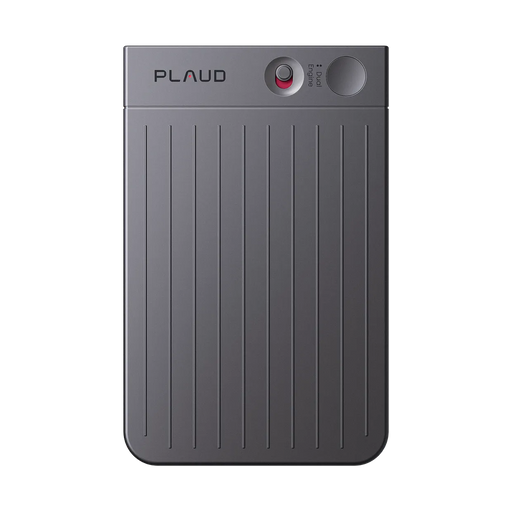
When the board permits recording, Plaud Note Pro is a physical AI note taker for planned boardroom meetings. Use it to preserve a source for the motion wording, vote result, conditions, and follow-up that the secretary will check after the meeting. Press to Highlight can mark the moment the chair restates a motion, announces a vote, or adds a condition to approval.
Begin only after the required notice or consent step, and stop recording for a closed or privileged session when policy requires it. The steps below cover recording the approved meeting, preparing a structured draft, and checking that draft against the motion ledger and official board materials before circulation.
1. Capture the approved board meeting with Plaud Note Pro

Record with Plaud Note Pro

Long press to record, short press to highlight
Start the recording after the chair completes the required notice or consent step. Press to Highlight when the chair restates a motion, announces a vote result, or attaches a condition to approval.


2. Generate a board-minutes draft with Plaud Web or Plaud App

Pick the template and generate

Ask Plaud any question to modify the template
Open the recording in Plaud App or Plaud Web and apply a custom board-minutes template. Keep missing owners, dates, and vote details marked for confirmation rather than guessing.
Compare the generated draft with the chair's wording, attendance changes, vote count, conflicts, conditions, and exhibit versions. The secretary and board remain responsible for correcting and approving the final record.
3. Prepare a board-minutes draft through Plaud MCP

Connect Plaud MCP to Claude or ChatGPT

Ask the assistant for the minutes
Plaud MCP lets a connected AI assistant search Plaud recordings and retrieve a transcript or summary. Use it only with recordings that board policy permits, and only through an account with the right access controls.
Give the assistant the meeting date and the fields that need restraint, so a proposed option stays separate from an adopted motion:
Find the approved board meeting from [date].

Draft minutes that separate motions, vote results, conditions, conflicts or recusals, exhibits, and actions.

If an owner, date, or vote detail is missing, mark it as “to confirm.” Do not infer a motion, vote, or condition from discussion.
Check the result against the chair's wording and the official record before it goes to the secretary.
Capture the approved meeting, generate a transcript, and review a structured draft before the secretary prepares the official minutes.
What is a board meeting minutes template?
A board meeting minutes template is a repeatable structure for the official record of a board meeting. It captures the meeting details, attendance and quorum, each motion as the chair restated it, who moved and seconded it, the vote result, any conflicts or recusals, the exhibits reviewed, and the actions the board authorized.
Board minutes record the board's formal acts: what it approved, declined, deferred, and the conditions attached to each decision. They do not need to reproduce the discussion word for word. A short committee meeting may need one page, while a meeting with several resolutions, a recusal, or a closed session needs every relevant field in the template.
The template includes fields that some boards may not use. Remove optional fields only after checking the organization's bylaws, governance policy, established minute style, and any applicable legal requirements.
How to use the template before, during, and after the meeting
01 Before the meeting
Start with the approved agenda and prior minutes. Add the meeting details, expected attendees, quorum requirement, agenda-item titles, and known exhibits. If an item is expected to produce a resolution, ask the chair or governance lead whether draft wording is available.
Review likely conflicts before the meeting where policy permits. Also confirm who will track attendance changes, especially in a remote or hybrid meeting. A director joining late or leaving early can change who was eligible and present for a vote.
If the meeting will be recorded, obtain the approvals and participant consent required by board policy and applicable law. Decide who can access the recording, how long it will be kept, and whether privileged or closed-session items require recording to stop.
02 During the meeting
Write by agenda item rather than by speaker. Use the live motion ledger as soon as a motion appears, and update the wording when the chair accepts an amendment. If the final wording remains unclear, ask the chair to restate the motion before the vote.
Record the result announced by the chair. For a counted or roll-call vote, capture the level of detail required by the board's rules. Mark arrivals, departures, conflicts, and recusals at the point they occur so the later attendance record agrees with each vote.
Add one neutral line of context when it helps identify why the board reached an outcome. Keep the full report or presentation in the exhibit register rather than repeating it in the minutes.
03 After the meeting
Draft while the motion wording and attendance changes can still be checked. Compare names, vote counts, dates, conditions, and exhibit versions with the motion ledger and board materials. Label the document as a draft until it completes the required review and approval process.
When operational work cannot wait for approval of the minutes, send a separate action sheet on the next business day. Keep it distinct from the formal record so recipients know which document remains subject to review.
Use a clear label such as “Actions arising from the meeting, subject to approval of the minutes.” Then track the work in the system the owner already uses.
| Action | Owner | Due date | Board authority or condition | Status location |
|---|---|---|---|---|
| Confirm FY2027 hiring budget | Chief financial officer | October 2, 2026 | Recruiting starts after written confirmation | Finance action register |
| Return audit finalists to board | Audit committee chair | October 29, 2026 | Include fee and independence information | Board portal |
Adapt the template to the meeting
The core record stays recognizable, but the fields change with the board's procedure and the type of meeting.
| Meeting situation | Keep | Add or confirm |
|---|---|---|
| Regular meeting | Attendance, quorum, prior minutes, agenda items, votes, actions | Committee reports and items carried forward |
| Special meeting | Attendance, quorum, stated purpose, decisions, adjournment | Notice requirement and limits on business outside the stated purpose |
| Remote or hybrid meeting | Attendance, quorum, motions, votes | Approved meeting method, connection changes, and how votes were confirmed |
| Unanimous written consent | Exact resolution, participating directors, date | Procedure and signatures required by the organization's rules |
| Closed or executive session | Time entered and exited, attendance, permitted action | Separate record, access, and confidentiality steps required by policy or law |
Do not import a field simply because it appears in another organization's minutes. Keep the record aligned with the procedure that applied to this meeting.
Decide what belongs in the minutes
Minutes should show what the board did with the information. Financial decks, committee reports, and legal memoranda belong in the exhibit register with their title, date, and version. Repeating them in prose creates another version that can drift from the source.
Include the decision, material condition, vote, declared conflict, and formal direction. Add enough neutral context to identify the matter. Leave out conversational back-and-forth, adjectives about directors, guesses about motive, and legal conclusions supplied by the minute-taker.
If privilege, confidentiality, a statutory requirement, or a potential dispute is involved, follow counsel and the organization's governance policy. The right amount of detail depends on the board and the matter before it.
More meeting templates
Related templates for planning, group decisions, and evidence-based follow-up.
Meeting minutes template
Record decisions, owners, due dates, and open questions from a group meeting.
View template →Team meeting agenda template
Decide what deserves shared time before the meeting, and record the outcome in the same document.
View template →Consulting report template
Trace every recommendation back to its evidence, cost, owner, and next test.
View template →Use the template at the next board meeting
Prepare the header, agenda items, exhibits, and quorum fields in advance. During the meeting, keep the motion ledger open and confirm unclear wording before the vote. After adjournment, send the action sheet promptly and keep the formal record labeled as a draft until approval is complete.