Wearable AI is artificial intelligence built into something you wear on your body.
You’ve probably seen wearable AI devices every day and don’t realize it. Common examples include fitness tracking wristbands and smartwatches. These devices use AI algorithms to process data and help with tasks like note-taking, health tracking, and audio capture.
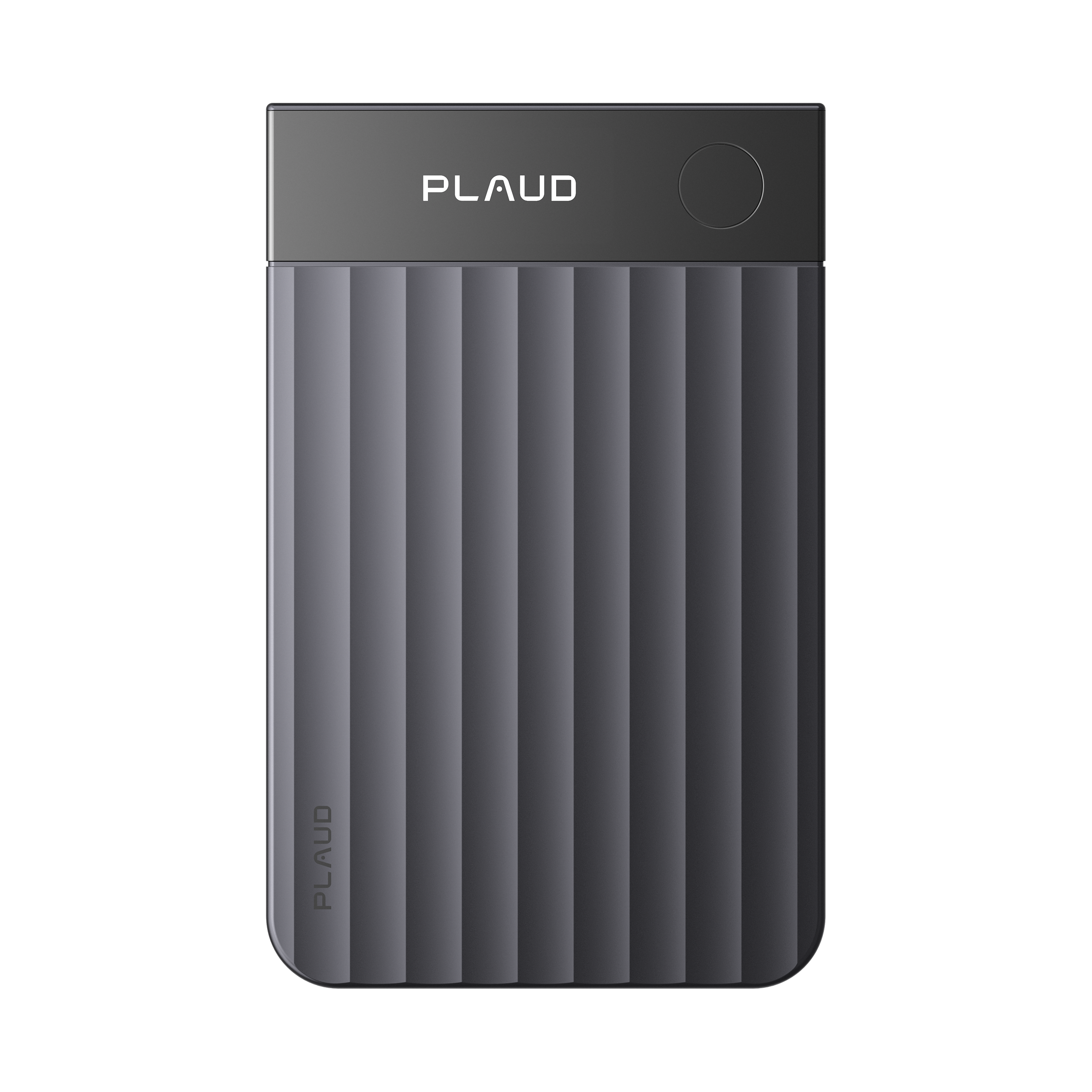
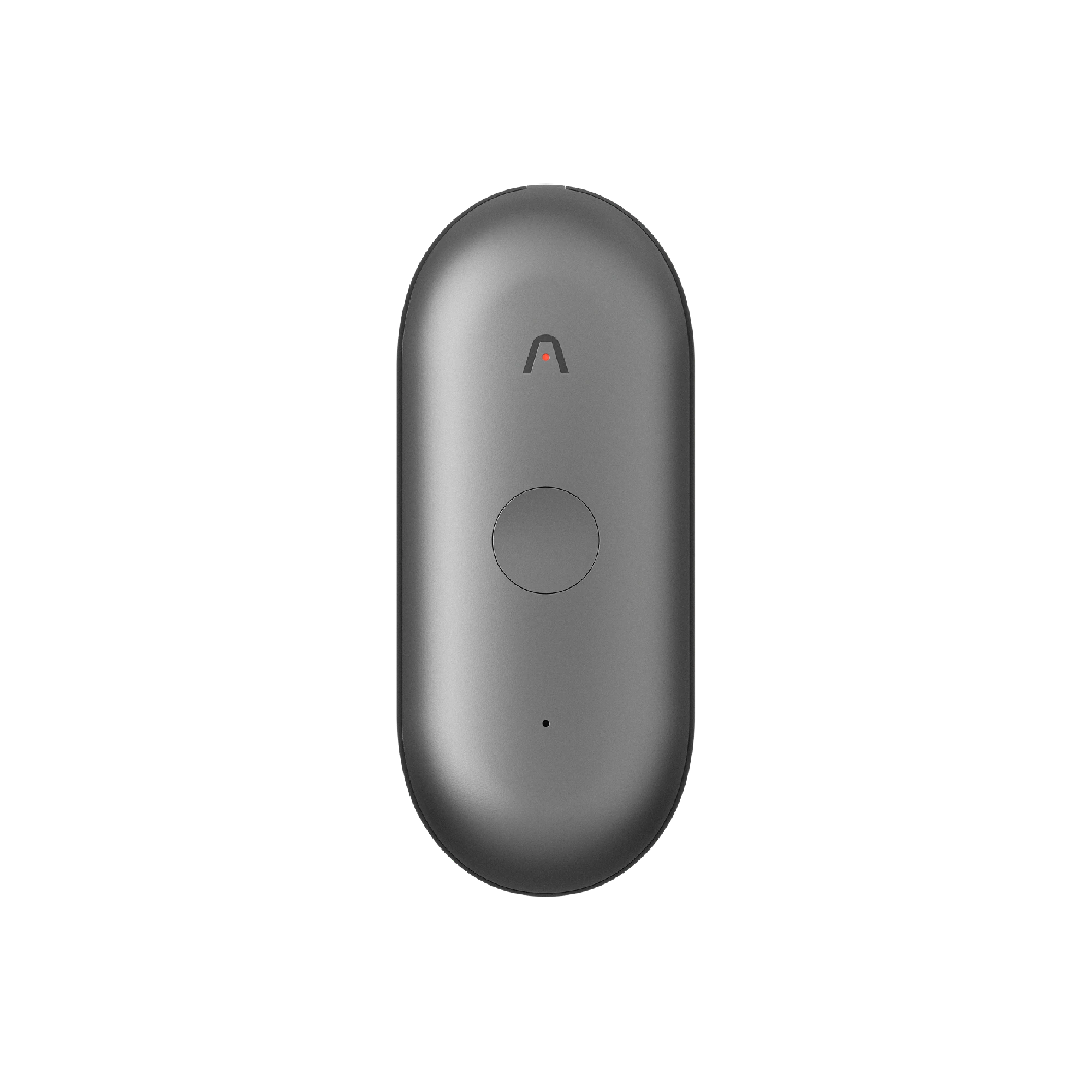
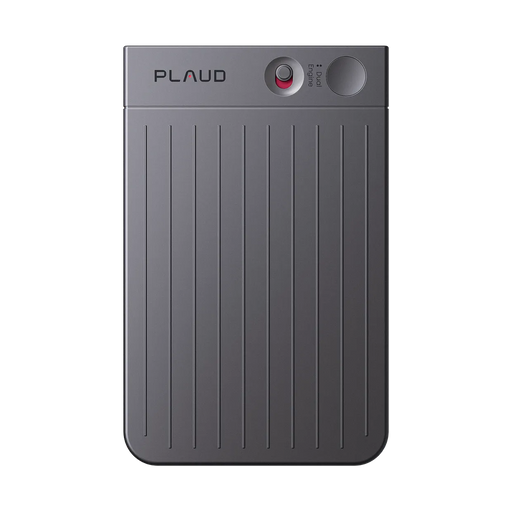
They’re getting popular because they solve a lot of problems for businesses and individuals. One of the most popular AI wearables for business is our Plaud NotePin. It records meetings and phone calls and turns them into searchable transcripts and structured notes.
Personal AI wearables are also popular. They measure your sleep patterns, give health advice, and help jog your memory with reminders.
There are many different types of AI wearables, including smart glasses, AI pins, smart jewelry, smart rings, and smart clothing. According to ZDNET on their page, “Why the AI wearable market is set to grow by 10x—and it's not just new gadgets,” the market for these AI tools is expected to grow by 10 times in the next few years.
In this article, we’ll give a clear explanation of what wearable AI is. Then, we’ll cover the main types of AI wearable devices and their benefits, use cases, and some potential legal issues.
What is Wearable AI?

Wearable AI is a physical device you wear on your body that uses AI to capture, process, or respond to information in real time. They are usually hands-free and automated, so you don’t have to pull out your phone every five seconds.
Common wearable AI devices include pins, pendants, watches, rings, and glasses.
Some do just one task, like summarizing audio recordings. Others have lots of functions, such as biometric tracking, contactless payments, and memory support.
There isn’t a firm definition of what an AI wearable can do. It’s basically any AI that you wear and use hands-free. But most of them collect and process data to offer some kind of automated, real-time assistance.
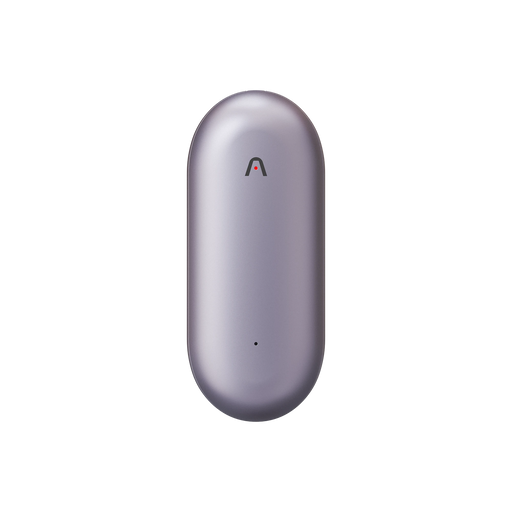
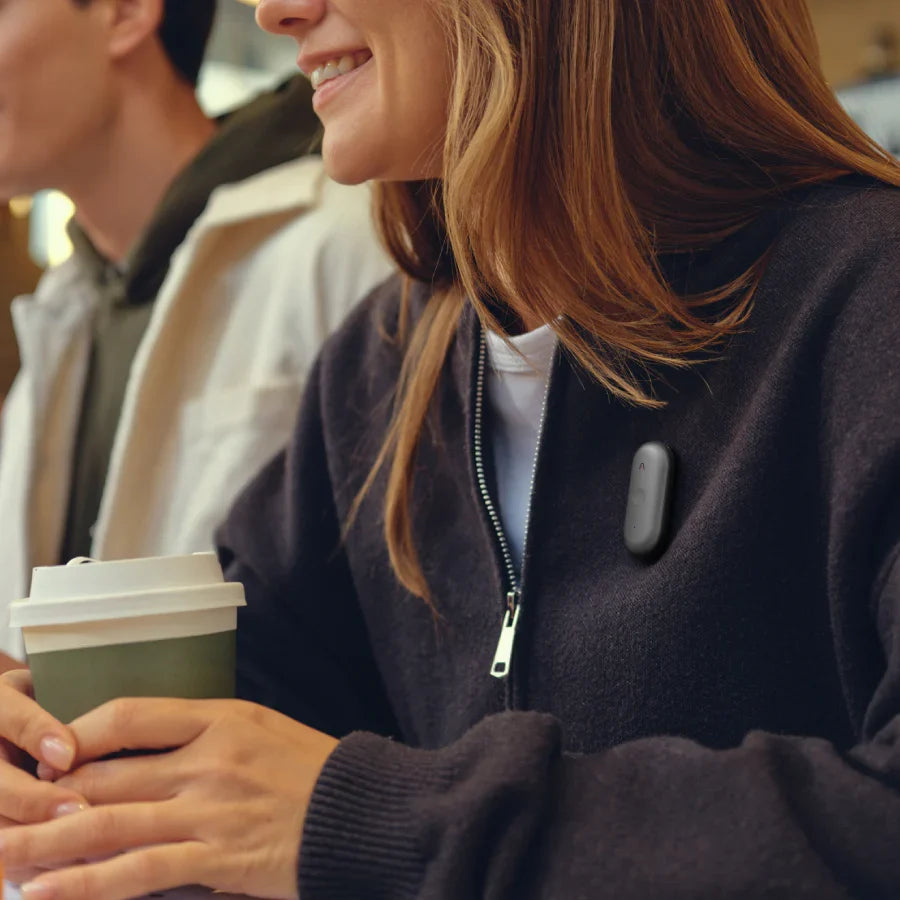
A good example is Plaud NotePin, a wearable AI that pins to your shirt and records audio for meetings and lectures. After recording, the Plaud app creates automatic transcripts, summaries, and structured notes of your audio files.
Further Reading: If you're looking to purchase a wearable AI device, check out our ranking of the best wearable devices for 2026. It includes some amazing gadgets, like AI note-takers, AI shoes, and health tech.
What Are the Different Types of Wearable AI Devices?
Wearable AI tech includes AI pins, AI rings, smartwatches, smart jewelry, and smart glasses.
In the following sections, we’ll cover more about the different types of wearable AI devices in more depth.
Pins
AI pins are super convenient because they can clip onto a shirt, jacket, lanyard, or wristband. They’re usually built for hands-free recording, quick voice-activated recording, and passive capture during meetings or conversations.
Smart Jewelry/Necklaces
Necklace-style wearables hang around your neck and look like jewelry. You might have noticed some people using these for ambient audio recording or making POV-style videos for social media. These devices are usually always on for all-day use without thinking about it.
Pendants
Pendants are basically the same as necklaces, but the term is more gender-neutral and appealing to all users. If you’re looking for a new AI friend, some pendants act like personal AI companions that listen, summarize, or give advice.
Watches
AI watches are AI tech you can wear on your wrist (ok, you probably knew what a watch was…). They tell the time like normal watches and also include AI tools like biometrics, voice input, and AI insights.
Glasses
Smart glasses are often used as hands-free AI assistants. They use built-in cameras and microphones to see what you see and hear what you hear. You can use them to capture content, access your phone, and give voice commands (e.g., “Remind me to walk the dog at 5:00…”).
Rings
AI rings are tiny AI wearables that you wear on your finger. Most of them measure biometric data to help you improve sleep, fitness, and general well-being.
Meeting Assistants/Note-takers
These AI wearables for business are built to record conversations, transcribe speech, and generate summaries. They’re useful in meetings, interviews, therapy sessions, and school lectures.
What are the Benefits of Wearable AI?

Wearable AI devices have some big advantages, especially when it comes to saving time. They automate tedious or time-consuming tasks, boosting your productivity or just giving you more free time. Here are the main benefits of wearable AI.
- Convenient: There’s no need to pull out your phone just to make a short recording or take a note when AI can do it automatically. Wearable devices are also hard to forget, because they’re always on you.
- Hands-free: Many AI wearables work passively or with a single tap or voice command. You don’t need to hold them while you use them. This frees up your hands for other activities.
- Discreet: AI wearables like pins and rings draw far less attention than a phone or laptop. This is ideal in situations where it’s important to interact naturally, such as therapy sessions and journalist interviews. For more on listening devices, see this guide.
- Affordable: You shouldn’t have to pay much for a quality AI wearable. Many, like Plaud NotePin, include loads of AI features without a subscription.
- Improved productivity: Wearable AI is like having a personal assistant. It does tasks for you, such as recording meetings and taking notes, so you can use your time for more productive work.
- Personalized output: AI creates personalized output according to your needs. For example, when you use Plaud, you can customize how the AI structures your notes and summaries.
What Are the Use Cases for Wearable Technology?
AI wearables are used across industries to boost efficiency and automate tasks. Here are a few of the top use cases of wearable AI.
Healthcare
Wearable AI can support clinical notes, patient interactions, and medical dictation. They help medical professionals remember all the details clearly and spend a lot less time on paperwork. For example, doctors can use AI note takers to record patient interactions and generate post-visit summaries. However, it’s important to use a device that’s HIPAA compliant, such as Plaud NotePin.
Meetings
Recording meetings is one of the most common uses of wearable AI. AI meeting assistants allow you to stay fully focused on the meeting instead of scribbling notes. They record conversations, transcribe speech, and generate summaries or action items without distracting others.
Therapy
Some therapists use wearable AI to capture sessions for review, supervision, or documentation. Some patients feel intimidated by non-discreet recording devices, so wearables help put everyone at ease. They require strict consent and secure data handling, especially with sensitive patient information.
Education
Students and educators use wearable AI for lectures, discussions, and research interviews. It helps turn spoken content into searchable notes instead of raw audio files (that take hours to dig through).
Journalism
Reporters need to record on a whim and search notes quickly to develop stories as they happen. Wearable AI helps them do this with hands-free recording, searchable transcripts, and automated notes. Pins and pendants are especially useful, as they are much faster to turn on (and much more discreet) than sticking a phone or mic in someone’s face. Read our complete guide on transcribing interviews with AI here.
Music
In creative work like music, wearable AI can capture spontaneous ideas, lyrics, or melodies the moment they happen. Some AI tools, like AI glasses, also function as music players, so you can listen on the go without wireless earbuds (that always fall out).
Dentists
Dental professionals don’t usually have their hands-free during procedures. Wearable AI helps them with clinical dictation and treatment notes.
Sales Teams
Wearable AI can record sales calls, demos, and in-person meetings without interrupting the conversation. Later, transcripts and summaries can help address objections, pricing questions, and follow-up tasks that would normally get lost in handwritten notes or CRM scraps.
Lawyers
Legal professionals need to record just about everything. Many are using wearable AI for internal meetings, client consultations, and case preparation. They choose professional AI wearables, like Plaud AI, because accuracy and privacy are really important in these cases.
Legal Issues With Wearable Technology

Wearable AI devices can raise legal concerns when they’re used to record others without their consent. Always-listening microphones, continuous biometric tracking, and background data collection can cross a line between helpful assistance and unwanted monitoring.
This is a particularly big issue in healthcare, where patient privacy is strictly enforced. AI tools are being used in medicine to record notes and biometric data. But according to an April 2025 study in the medical journal Social Science & Medicine, they pose some risks. The study noted “concerns about surveillance” and that awareness of health metrics could “exacerbate stress” for patients.
Everyday users also need to be careful when using AI to record others, as legal responsibility usually falls on the person wearing the device.
Many AI devices record passively, so you might end up violating someone’s privacy without realizing it. Tools with speaker identification can add to your risk. When devices label or separate speakers, they’re creating identifiable records of who said what.
Laws on consent vary by country and by state. Some regions allow one-party consent (only one person in a conversation needs to consent to recording). Others require everyone involved to give consent. A wearable pin or pendant with ambient recording can easily violate the law if you aren’t careful.
AI wearables used for surveillance can be even riskier. Let’s say you turn on a recording device to observe conversations that you’re not involved in. In most states, that violates wiretapping laws.
Remember to read the company's privacy policy and check your state’s recording consent laws before using any AI device to record others.
Wearable AI Stats
Here are some key numbers and facts on AI wearables.
- According to Grand View Research, the AI wearables market is expected to grow at a rate of over 27% per year, from around $43 billion in 2025 to over $300 billion by 2033
- Plaud AI is the #1 US-based wearable AI brand in RankMyAI’s data-driven AI wearables rankings
- A study in the journal Sensors found that nearly half of Americans have used a wearable health tracker
- According to Fortune Business Insights, smartwatches and fitness bands are the most popular wearable AI devices
- The number of AI wearables is growing. New products include AI shoes, pajamas, and pet collars
Top Wearable AI Devices
Interested in trying a wearable AI device? These are some of the most popular AI assistants, meeting assistants, and hands free note takers.
- Plaud: Plaud NotePin is a wearable AI voice recorder and note taker that clips to your clothes or lanyard. At under 0.6 oz, it’s seriously tiny and discreet. Plaud records meetings, lectures, interviews, and other multispeaker situations. Then, it automatically turns audio into transcripts, summaries, and structured notes.
- Bee: This budget-friendly personal AI wearable is an always-on ambient recorder. It listens to everything throughout your day and summarizes it to help you remember.
- Limitless: Limitless is an AI pendant that records conversations and builds a searchable personal knowledge base from your interactions. It was recently bought by Meta and is no longer available for purchase. Read our full comparison between Plaud and Limitless here.
- Muse One Ring: Muse measures biometric tracking to give you customized health insights for better sleep, fitness, and recovery. It also does contactless payments.
- Omi: Omi captures quick thoughts and conversations by listening all the time. It turns those into tasks and reminders to help you stay productive and not forget things.