Sales call recording means saving your sales conversations as audio or video so you can go back to them later. That covers phone calls, video meetings on Zoom or Teams, and face-to-face client meetings. Most teams already hit record. Far fewer turn those recordings into anything they can act on.
This guide walks through how to record sales calls the right way, what consent rules apply, how to turn audio into transcripts and summaries with AI, and how managers use recordings to coach reps and win more deals.
Why record your sales calls
A recording fixes a simple problem. People forget what was said. They write notes after the call that miss half the detail. They argue later about what was promised on price or scope.
Here is what a good library of recordings lets a team do:
-
Coach reps with real examples instead of vague memory
-
Ramp new hires faster by sharing your strongest calls
-
Spot the objections that keep stalling deals
-
Keep accurate notes and next steps in the CRM
-
Settle questions about what was agreed on pricing or timing
The pattern is consistent. Teams that review their calls find specific things to fix. Teams that only log outcomes repeat the same mistakes.
Is it legal to record sales calls?
Before you record anything, know the rules where you and the buyer sit. They change by location.
In the US, recording consent laws vary by state. One-party consent states need only one person on the call to agree, and that person can be you. All-party consent states, such as California and Florida, need everyone on the call to agree. If your reps and prospects are spread across states, follow the stricter rule and get consent from everyone.
Calls with people in the UK or EU fall under GDPR. That means a clear notice that the call is recorded and a lawful reason for keeping it. When you are not sure, ask first.
The practical move is to say it at the start and wait for a yes. Something like this works on a live call:
"I record my calls so I can stay focused on our conversation instead of writing everything down. Is that okay with you?"
For dialers and call centers, use an automated notice at the start of the call. Keep a record of the consent with the recording.
Consent builds trust. Before you record, take a moment to let others know and get their okay. If required by law, get consent from all participants before recording, and comply with applicable law.
This section is general information, not legal advice. Check your local rules or your legal team before you set a policy.
How to record sales calls
Pick the method that matches where the call happens. Most teams need more than one.
Phone and dialer calls
If your reps sell over the phone, the recorder usually lives in the tool they already use. Most CRM dialers and VoIP systems (RingCentral, Aircall, and similar) have a recording setting you can switch on per call or for everyone. A standalone recorder works too when you want recordings that are not tied to one phone system.
Video calls on Zoom, Teams, and Google Meet
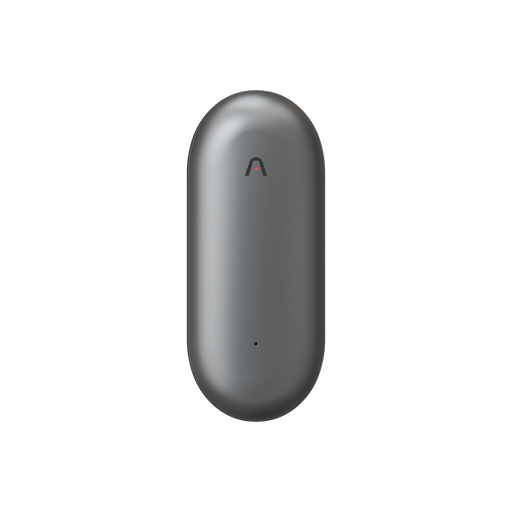
Each of these has a native record button that saves the meeting to the cloud or your computer. The catch is that a rep has to remember to press it, and the file often lands somewhere nobody looks again. A capture tool that pulls the audio automatically solves the second half of that problem. Plaud Desktop, for example, captures every online meeting without putting a bot in the call.
In-person client meetings
This is the gap most software cannot cover. Phone and video tools do nothing for a meeting across a table at the client's office. For that you need hardware that records the room.
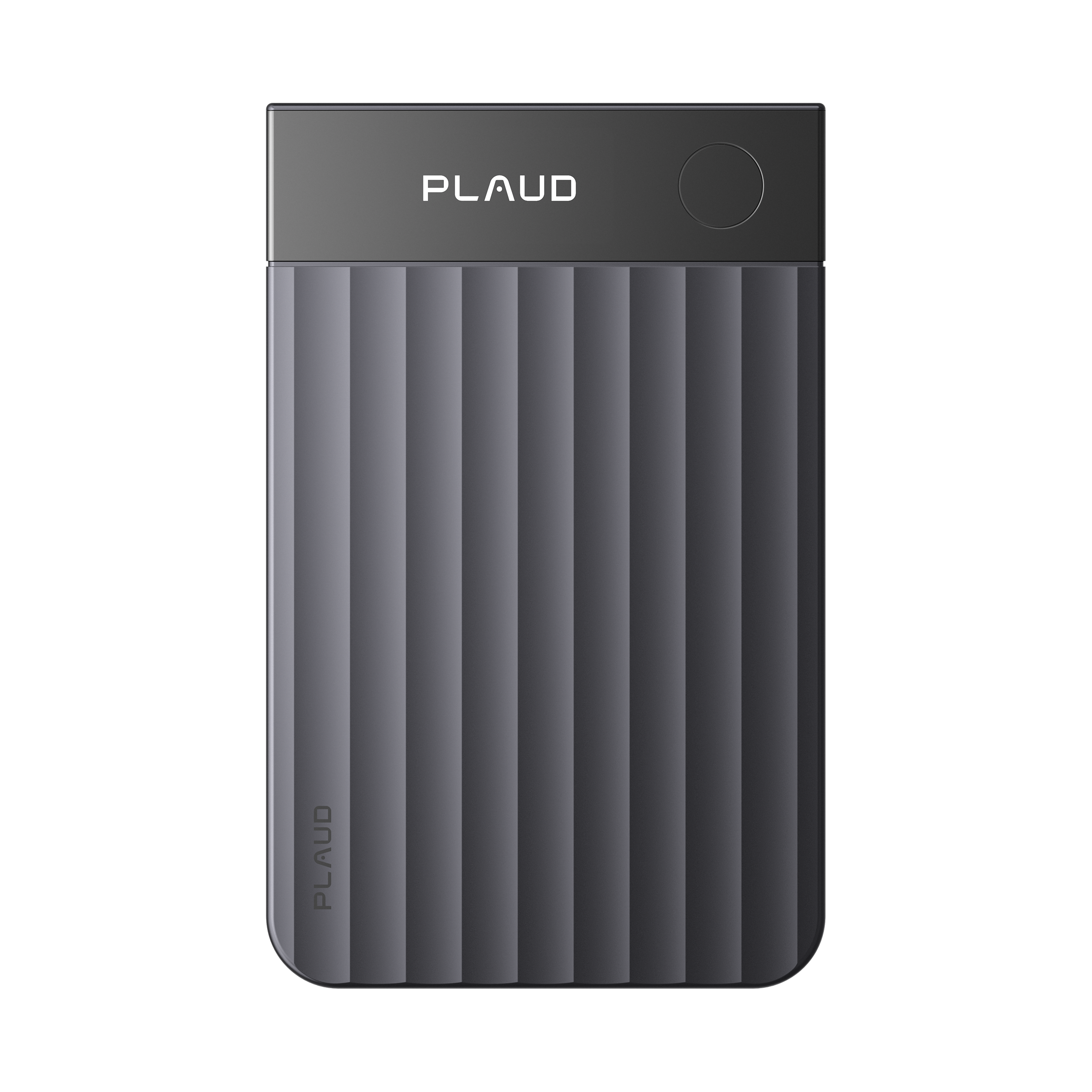
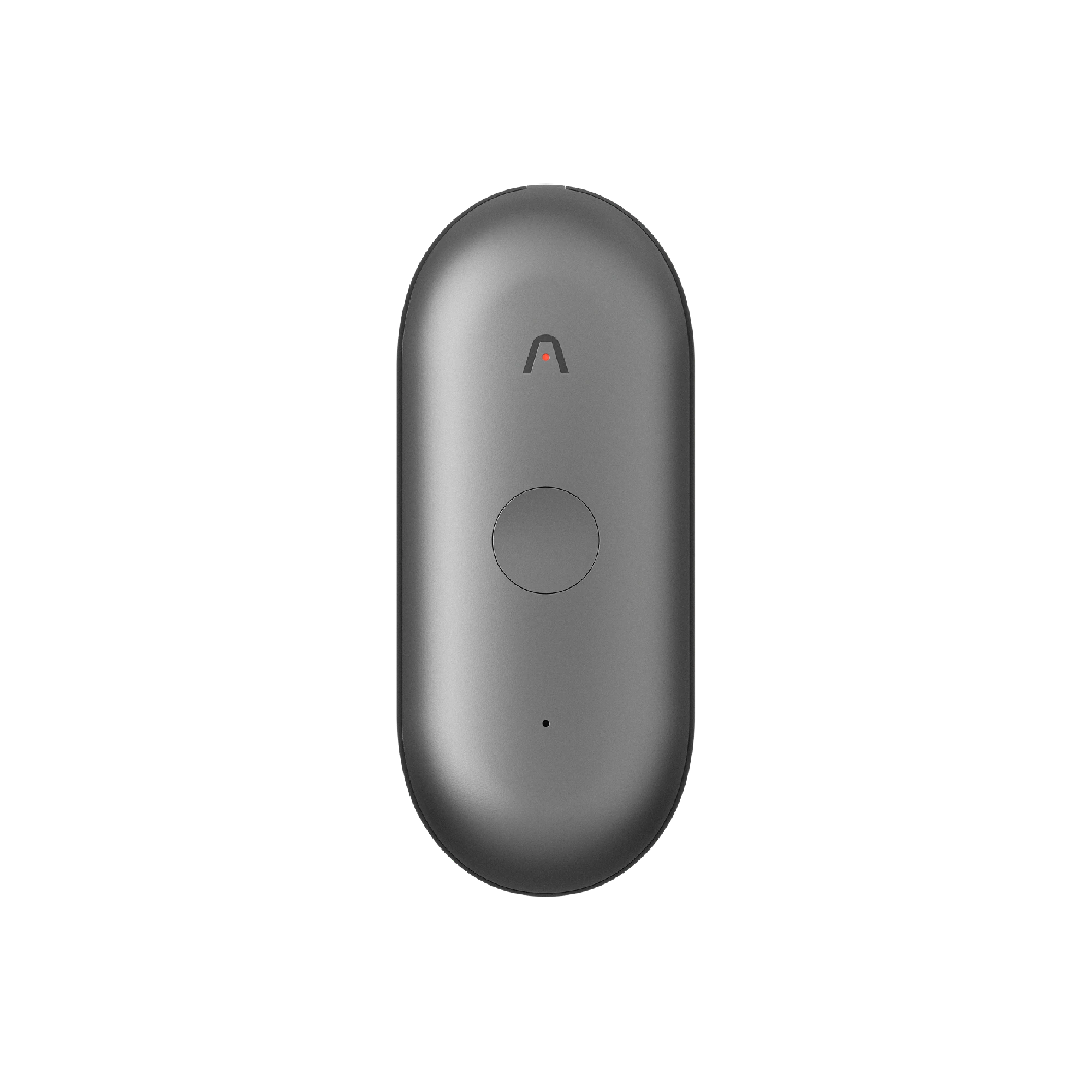
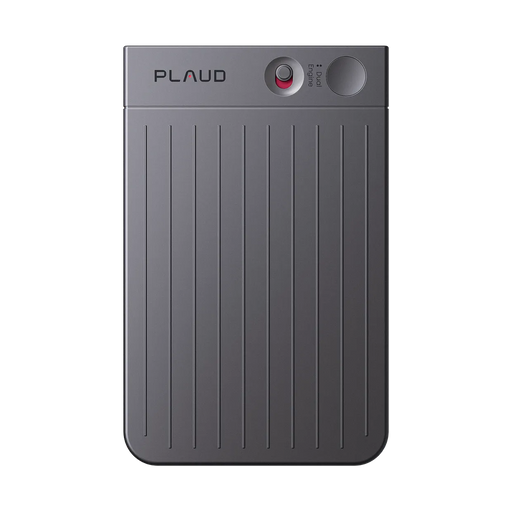
A physical AI note taker like Plaud Note Pro is built for this. It uses 4 MEMS microphones with AI beamforming to pick up voices clearly from up to 5 meters (16.4 feet) away, so it captures everyone in a conference room, not just the person nearest the phone. It runs up to 50 hours on a single charge in Endurance mode, and the InstantView AMOLED display shows you at a glance that it is recording. Smart dual-mode recording detects whether you are on a phone call or in a face-to-face conversation and adjusts on its own. Set it on the table, get consent, and let it capture while you stay in the conversation.

Logging recordings in your CRM
Wherever the audio comes from, it belongs against the deal. Salesforce and HubSpot can attach call recordings to the contact or opportunity, so the next rep who picks up the account has the history. If your recorder lives outside the CRM, import the file or paste the transcript into the activity log.
How to turn recordings into transcripts and summaries
Audio on its own is hard to use. Nobody re-listens to a 40-minute call. The value shows up once the recording becomes text you can read and search.
A modern AI workflow does three things to every recording: it transcribes the audio, summarizes the conversation, and pulls out the action items. With Plaud Note Pro, that work runs through Plaud Intelligence. You get transcripts in 112 languages with speaker labels, so you can see who said what. Custom vocabulary handles the product names and sales terms generic transcribers get wrong. The summary returns the key points, the questions the buyer asked, and the next steps, instead of a wall of text. Ask Plaud lets you query a single call, for example "what pricing objection came up and how did the rep answer it." Everything syncs across the Plaud App, Web, and Plaud Desktop, so the recording is ready wherever you review it.
Reps who sell for a living tend to notice the same thing first. The summary filters out the small talk and surfaces the parts that decide the deal. That is the difference between a recording you keep and a recording you use.
How to use recordings to coach your sales team
Recording and transcribing get you raw material. Coaching is where it pays off. This is the part most teams skip, and it is the part that moves win rates.
Build a simple review routine
Pick one or two calls per rep each week. Score them against a short rubric the whole team knows: opening, discovery questions, how objections were handled, and whether the rep set a clear next step. Keep the rubric to four or five lines so reviews stay fast and consistent.
Find and repeat your winning pitch
Put your won-deal calls next to your lost-deal calls. Read how your top reps open, the questions they ask, and the exact words they use to handle price. Those phrases are your playbook. Clip the best moments and share them so the rest of the team can hear what good sounds like.
Ramp new hires with real calls
A new rep learns faster from ten strong recorded calls than from a week of shadowing. Give them a short playlist of your best discovery and closing calls, plus the transcripts so they can study the language. They can review on their own time and come to you with questions.
A 30-day coaching plan from recordings
|
Week |
Focus |
What to review |
|---|---|---|
|
1 |
Openings and discovery |
First five minutes of three calls per rep |
|
2 |
Objection handling |
Calls where price or timing came up |
|
3 |
Setting next steps |
The closing minutes of recent calls |
|
4 |
Full-call review |
One complete won call and one lost call per rep |
Run it once and you have a repeatable rhythm. Run it every month and coaching stops being a guess.
What to look for in recording software
You do not need a long comparison to choose well. Match the tool to how your team actually sells. A short checklist:
-
Captures the calls you run: phone, video, and in-person
-
Accurate transcription with speaker labels and custom vocabulary
-
AI summaries with action items and next steps, not just raw text
-
Syncs with your CRM so recordings sit against the deal
-
Security and compliance you can show a customer (ISO 27001, GDPR, SOC 2)
-
Search across past calls so coaching material is easy to find
For a side-by-side look at named tools, see our dedicated guide to sales call recording software.
Best practices for sales call recording
-
Ask for consent at the start of every call, every time
-
Record consistently, but review selectively. You cannot watch everything
-
Store recordings in one place with clear, searchable names
-
Tie every review to one specific coaching action
-
Keep customer conversations on a platform built for privacy and compliance
Turn your calls into your best coaching tool
Recording is the easy part. The teams that pull ahead treat every call as material to learn from. Start small. Record consistently, get a transcript and summary of each call, and review one call per rep each week.
If you want one workflow for phone calls, online meetings, and in-person conversations, Plaud Note Pro records the room with clear audio and Plaud Intelligence turns each call into transcripts, summaries, and clear next steps. It is built for discovery calls, client meetings, and the deal conversations where clean capture and a fast recap make the difference.
Plaud is compliant with ISO 27001, ISO 27701, GDPR, SOC 2, HIPAA, and EN 18031. See the Plaud trust center for details. Before you record, let participants know and get their consent, and follow the laws that apply where you and the customer are located.