
You've probably wondered at some point whether it's legal to record a phone call, and the answer isn't as simple as yes or no. Voice recording laws in the United States create a patchwork of regulations that change depending on where you live and where the other person is calling from.
While federal law provides some guidance, individual states can set stricter rules about phone call recording, leaving many people confused about what's actually allowed. The stakes are real, too. Violating these laws can result in fines or even criminal charges.
In this article, we will cover audio recording laws by state and answer some important questions on the legality of recording phone calls, meetings, and in-person conversations.
- Why do phone recording laws vary so much?
- What do consent laws mean for phone recording?
- How do federal and state laws interact?
- What are the best practices for phone recording?
- What tools can help with recording and transcription?
- Stay safe when recording phone calls
- Frequently asked questions about phone call recording laws
Is it Legal to Record a Phone Call Without Consent?
Whether or not it's legal to record a phone call without the other party's consent depends on your location. If you live in a state with one party consent laws, it is legal to record a phone call without the other person's consent. In other words, only one of the parties involved in a conversation needs to give prior consent.
Under federal law, specifically the Electronic Communications Privacy Act (ECPA), it is legal to intercept or record oral or electronic communication so long as at least one party to the conversation has given prior consent
One-party consent states include:
- Arizona
- Colorado
- Washington, D.C. (District of Columbia, the national capital)
- New Jersey
- New York
- North Dakota
- Rhode Island
- South Carolina
- South Dakota
- Texas
- West Virginia
In these states, only one person involved in the phone call needs to agree to the recording.
However, if you are in a two-party consent state, you must obtain consent from all parties to the communication before recording. If not, you may be subject to legal penalties.
Two-party consent states include:
- California
- Connecticut (applies only to electronic communication; in-person conversations require only one party's consent)
- Florida
- Illinois
- Massachusetts
- Pennsylvania
- Washington (the state)
We will cover more on audio recording laws by state further down in the article.
Note: Call recording laws can be nuanced. Some single party consent states have different requirements. You also need to be aware of other factors, such as when participants have a reasonable expectation of privacy. In some states, it may be illegal to record in a private place even if you've consented. We recommend that you always consult with state and local laws before making a decision.
Further Reading: Now that you understand the legality of recording calls in your state, you may be interested in learning how to record a call on iPhone or Android.
Why do phone recording laws vary so much?

Phone call recording laws across the United States create confusion because there's no single rule that applies everywhere. The complexity comes from our federal system, where states can create stricter regulations than federal requirements.
Some of the factors that create confusion when recording telephone conversations include:
- Federal law sets the minimum: The federal Wiretap Act allows recording if at least one person consents, which can be you (the person recording). However, this is just the minimum standard. States can create stricter laws.
- States make their own rules: States can impose stricter laws than federal requirements. Some follow the federal one-party rule, while others require everyone on the call to consent.
- Interstate calls get complicated: When calls cross state lines, you typically need to follow the more restrictive law. If you're in a lenient state but calling someone in a strict state, their rules may apply to your call.
- Penalties and definitions differ: States also vary in what they consider "private conversations" and their penalties for violations. Breaking these laws can result in anything from lawsuits to criminal charges, depending on your location.
What do consent laws mean for phone recording?
Phone recording laws in the United States always come down to consent. Consent laws determine whether you can legally record a phone call and what steps you need to take beforehand.
One-party consent states
One-party consent means that only one person involved in the conversation needs to know it's being recorded, and that person can be you, the recording party. In these cases, you automatically provide the required consent under these laws, which allows you to record your own phone calls without notifying the other person.
The vast majority of U.S. states are one-party states. 38 states plus the District of Columbia require fall into this category. Here is a table with some of the key states that require only one side to agree to the recording:
| State examples | Key details |
| Texas | Can record any conversation you're part of under state law |
| New York | Allows recording with just one party's knowledge |
| Georgia | Law specifically permits recording when you're a participant |
| Ohio | One-party consent applies to phone and electronic communications |
Two-party (all-party) consent states
Two-party consent requires all parties to agree to the recording, no matter how many are involved. If there are five callers, you must have the consent of all five.
Only 11 states mandate that all parties must give their permission before a conversation can be recorded:
- California: Penal Code Section 632 forbids recording confidential conversations without the consent of all parties, with penalties of up to one year in prison
- Florida: Everyone on the call must give explicit consent, with charges for violations being third-degree felonies punishable by up to five years in prison
- Pennsylvania: PA has strict two-party consent laws with possible felony charges for offenses
- Illinois: This state requires consent from all parties for private conversations, with first violations being Class 4 felonies
- Massachusetts: MA makes it unlawful to record without previous authorization from all parties, with up to five years imprisonment
These states generally need active notification, which means you have to specifically inform all the participants that recording will be done and get their clear consent prior to initiating the recording.

How do federal and state laws interact?
Federal law creates a baseline standard, but individual states have the authority to create more restrictive rules that override federal requirements.
This means that the state's consent law applies when it's stricter than the baseline federal law. An example of this is, if you're in the State of California, you need to follow its rules rather than the federal rules.
Let's cover a bit more about the relationship between federal and state laws before proceeding.
The federal standard
The federal Wiretap Act, codified in 18 U.S. Code Section 2511, establishes the baseline rule for recording communications across the United States.
Key aspects of federal recording law include these important provisions:
- The basic rule follows one-party consent. Only one person must agree to recording the conversation.
- You can automatically record your own conversations since you provide consent as a participant in the call.
- Violations carry serious penalties, with up to 5 years imprisonment for intentionally intercepting communications without proper consent.
- Federal law is the "floor". Not the "ceiling". This means states can create stricter requirements, but cannot go below the initial requirements set by federal law.
When state laws matter more
State laws matter more when they set a higher standard. This is most important for interstate calls where multiple state laws may apply.
The hierarchy of law enforcement follows these key principles:
- State supremacy applies when stricter standards exist: When state law requires more than federal law (like all-party consent vs. one-party), the state requirement controls the situation.
- Interstate calls create legal uncertainty: Courts in different states have reached different conclusions about which law applies when calls cross state lines.
- The safe-harbor approach recommends following the strictest laws: Legal experts recommend following the strictest applicable law to avoid potential violations.
- Enforcement typically occurs under state law: State violations are often prosecuted under state law rather than federal law when state requirements are stricter.
- Practical application requires careful consideration: If you're in Texas (one-party) calling California (two-party), California's stricter all-party consent requirement would likely apply to your call. This state-over-federal principle means you must understand your state's laws to maintain legal compliance.
Here's how federal and state laws compare in practice:
| Scenario | Federal law | State law | Which applies |
| Recording in one-party state | One-party consent allowed | One-party consent allowed | Either (same standard) |
| Recording in two-party state | One-party consent allowed | All-party consent required | State law (stricter) |
| Interstate call (lenient to strict state) | One-party consent allowed | Strictest state law applies | State law (stricter) |
| Interstate call (strict to lenient state) | One-party consent allowed | Strictest state law applies | State law (stricter) |
| No state law exists | One-party consent allowed | Federal law applies | Federal law |
What are the best practices for phone recording?
No matter what state laws permit, we recommend following some best practices for phone recording to ensure compliance with the law. This also establishes trust with the participants in the conversation and keeps you out of legal trouble in the future.
Here are a few best practices to follow when recording telephone conversations or even business meetings.
Always seek explicit consent
The safest approach is to inform all parties about recording and obtain their clear agreement before starting any recording, whether you are in a one-party or two-party consent state. In this way, you avoid any legal uncertainty and show consideration for all individuals' privacy rights.
The safest approach is to inform all parties and get clear consent before starting any recording. This applies whether you are in a one-party or two-party consent state. Doing this helps you avoid any legal uncertainty and shows you value everyone's privacy.
Make your recording intentions clear at the beginning of the call by saying something like, "I'd like to record this conversation for my records - is that okay with everyone?".
Here are effective ways to obtain proper consent:
- Wait for a clear verbal acknowledgment from each participant prior to continuing with the recording.
- If somebody protests being recorded, honor their request and either forego the recording or request that the individual leave the call.
- For business calls, state recording intentions when setting up the meeting, if possible.
- Add recording notices in calendar invitations and follow up with email confirmations that state the recording intention.
Being open about recording at the beginning makes everyone at ease and creates confidence in conducting future discussions.
Document consent when possible
Written documentation of consent provides the strongest legal protection if questions about recording permission arise later. Keep records of who gave consent, when they gave it, and the specific conversation it covers to create a clear paper trail.
Effective documentation methods include:
- Sending confirmation emails that explicitly state the recording plan and ask for written confirmation for formal business meetings
- Saving email responses where participants agree to recording as part of your documentation
- Sending brief follow-up emails summarizing that the recording consent was given and received for phone calls
- Taking advantage of built-in consent features in recording software that automatically document permissions
- Keeping a simple log noting the date, participants, and how consent was obtained for each recorded conversation
Think of documentation as insurance: You hope you'll never need it, but you'll be glad you have it if questions come up later.
Know your state's laws
You must understand your state's recording requirements because laws vary across jurisdictions, and ignorance isn't a legal defense. Research both your state's laws and the laws where other participants are located, since interstate calls may be subject to the strictest applicable standard.
Here are a few other items to keep in mind:
- Periodically check your state's existing recording laws because statutes may evolve due to legislative revisions or court interpretations.
- Consult a lawyer if you routinely record calls for business purposes to make sure your practices meet current legal requirements.
- Maintain reference documents that detail the major requirements in states where you regularly make recorded calls
- When in doubt about legal requirements, err on the side of caution by following the most restrictive practices
- If you're unsure whether a particular situation requires consent, assume it does and seek permission from all parties
Do a little homework now and avoid major headaches later.
What tools can help with recording and transcription?
Modern technology has made phone recording more accessible and legally compliant than ever before. Choosing the right tools helps ensure high-quality recordings and also helps to make the transcription process easier for everyone. It also helps maximize productivity, which is always a good thing.
Choosing the right recording tool
Selecting a reliable recording device or application ensures both excellent audio quality and legal compliance with recording laws. The quality of your recording directly impacts the accuracy of transcriptions and the usefulness of your recorded conversations.
Here are a few things to keep in mind when evaluating recording tools:
- Audio quality and clarity: Look for devices with high-fidelity microphones and noise reduction capabilities to ensure clear recordings even in challenging environments.
- Legal compliance features: Choose tools that include built-in consent notifications, automatic announcements, and documentation features to help you follow recording laws.
- Storage capacity and battery life: Ensure your device can handle long conversations without interruption. We also recommend a recording device with sufficient local storage and extended battery performance.
- Compatibility with your devices: Select tools that work seamlessly with your smartphone, computer, or existing communication platforms.
- Ease of use: The best recording tool is one you use consistently, so prioritize intuitive interfaces and simple operation.
Here's something we've learned over the years: A good recording tool makes everything else much easier. They're worth every penny.
Plaud: Smart recording and efficient transcription
Plaud.ai offers innovative recording solutions that combine high-quality audio capture with advanced AI-powered transcription and analysis capabilities. Our devices support 112+ languages for versatile transcription, which makes them ideal for international business calls and multilingual conversations.

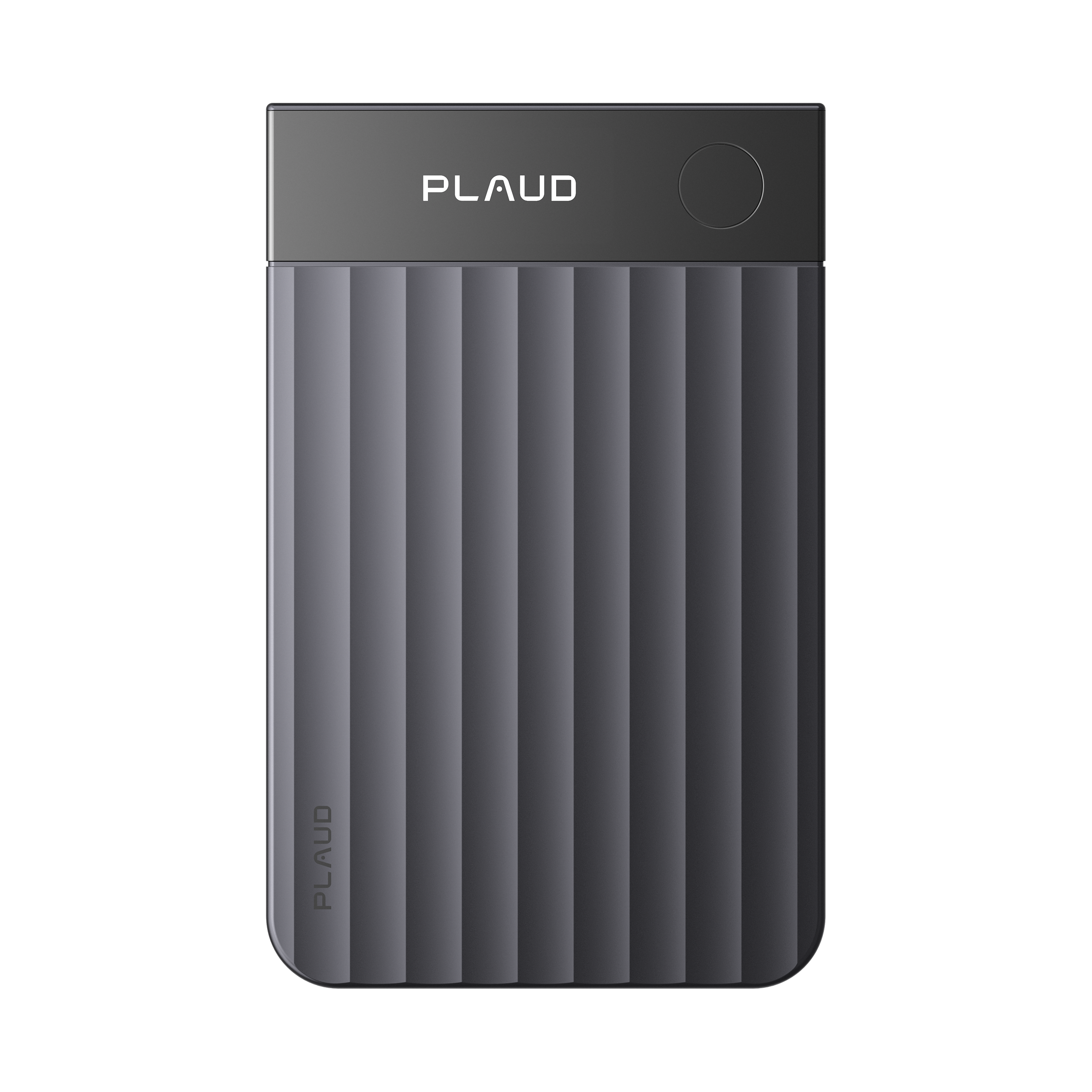
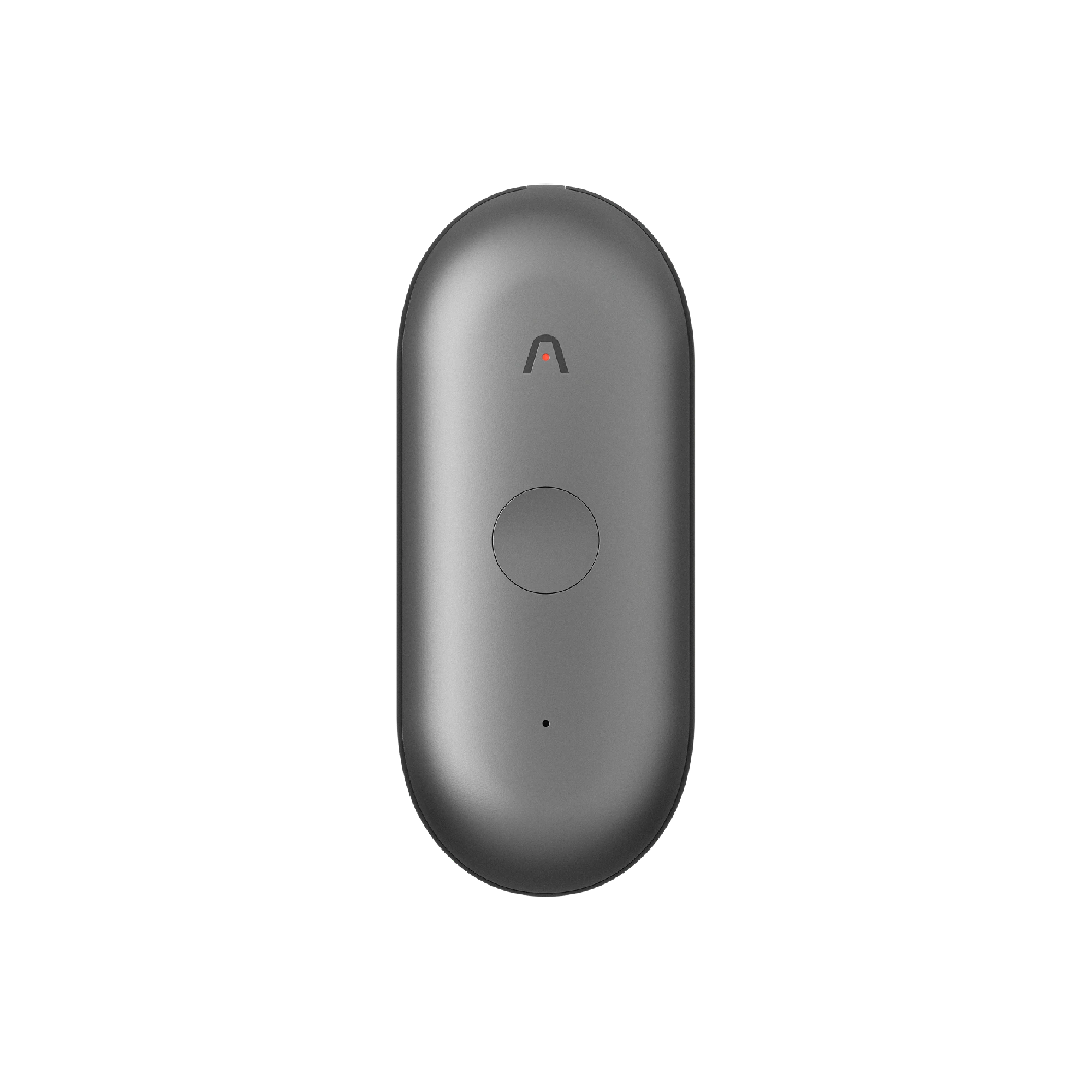
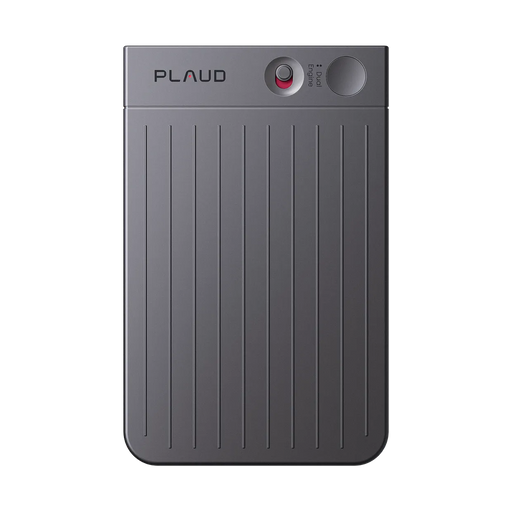
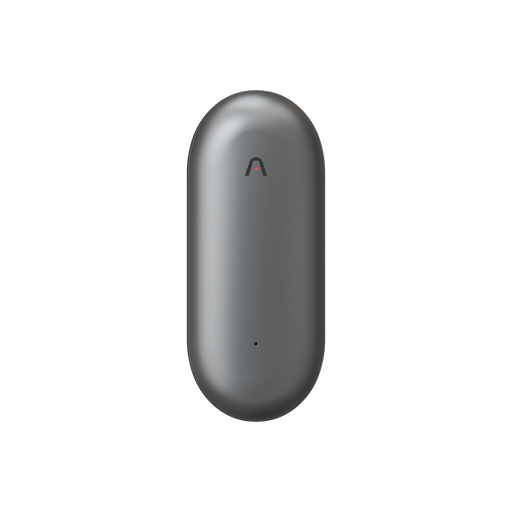
The Plaud ecosystem includes two main products designed for different recording needs: the Plaud Note and the Plaud NotePin
| Device | Best For | Key Features |
| Plaud Note | Phone calls and meetings | MagSafe smartphone attachment, 30-hour recording, dual recording modes |
| Plaud NotePin | Wearable all-day recording | Four wearing styles, 20-hour recording, ultra-lightweight at 16g |
Both devices provide professional summary templates that help users quickly extract key information and action items from long recordings. These templates are built for various use cases, including business meetings, interviews, lectures, and client calls. This allows you to focus on the conversation while the AI handles note-taking and summarization.

Additional advantages of Plaud.ai devices include:
- Advanced AI transcription powered by GPT-5, Claude Sonnet 4, and Gemini 2.5 Pro for highly accurate results.
- Speaker identification and auto-paragraphing to create well-organized transcripts that are easy to review and reference.
- Unlimited cloud storage with advanced encryption to keep your recordings secure and accessible across devices.
- Crystal-clear audio quality with built-in noise reduction and speech enhancement technology.
- Extended battery life with up to 60-day standby for the Plaud Note and 40-day standby for the Plaud NotePin.
These tools take the hassle out of recording and turn your conversations into actionable insights without the usual headaches.
Next up, we’ll provide a bit of guidance on staying safe while recording phone calls.
Stay safe when recording phone calls
Recording phone calls can be incredibly useful for work or personal reasons, but you need to know the rules first. Some states only require your own consent to record, while others need everyone's permission, and if you guess wrong, you could face serious legal trouble. The smartest approach is simple: just ask everyone if it's okay to record before you hit that button. It keeps you out of legal trouble and shows respect for the people you're talking to.
If you're recording your conversations for work, school, or other LEGAL personal reasons, you'll love our AI voice recorder. The device is very affordable, and there's a free plan to get your started. Give it a try today.
Plaud.ai is a pioneering AI-native hardware and software company that turns conversations into actionable insights with AI devices like Plaud Note and Plaud NotePin. By recording, transcribing, and summarizing real-life conversations, our solutions boost productivity and save time. Designed for precision and flexibility, whether in meetings or on the go, our products empower you to focus on creative, high-value work while AI handles the details.