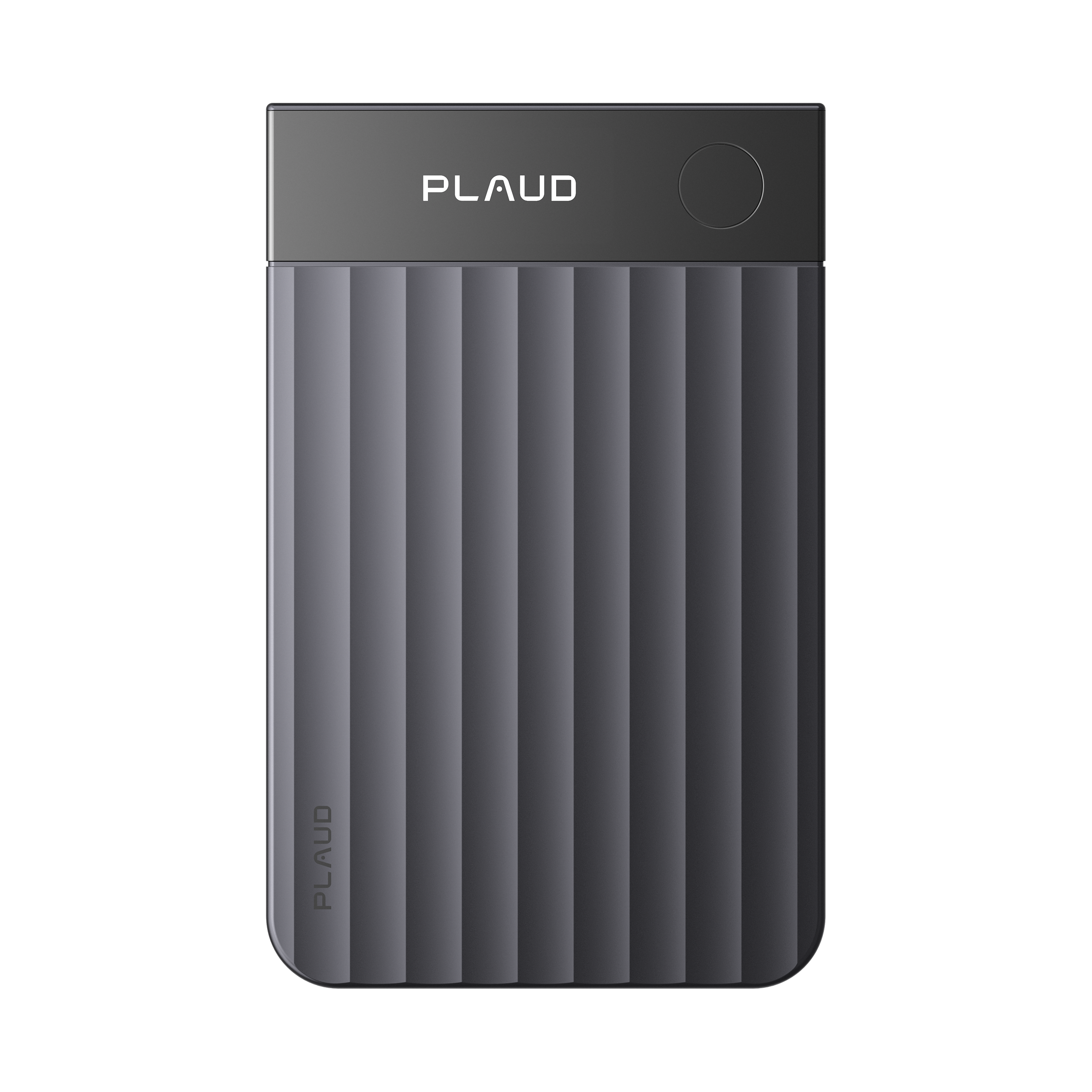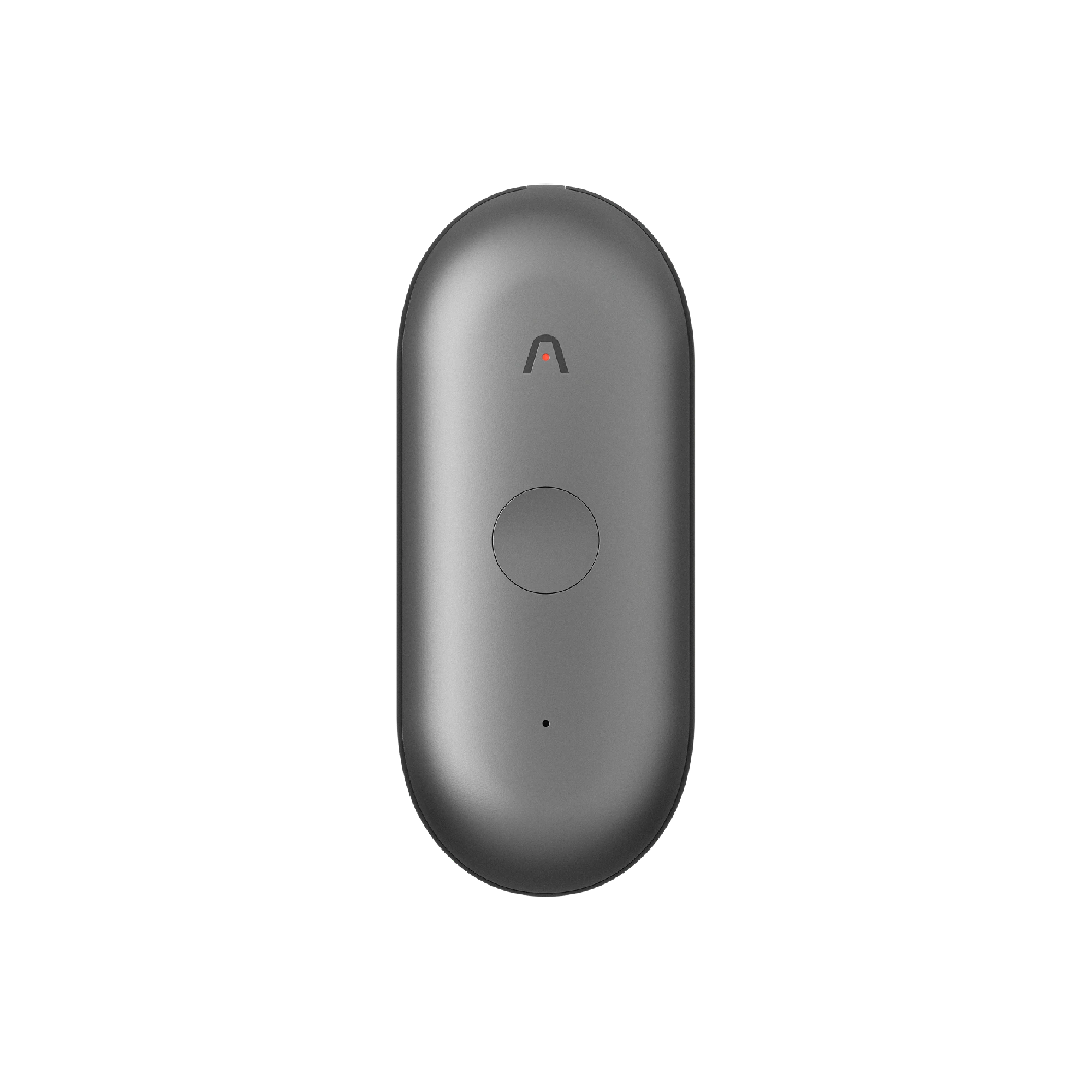
If you’re trying to decide between Chimenote vs Plaud for your next AI voice recorder, you’re in the right place.
Both products can help you record, transcribe, and summarize audio recordings from meetings, calls, lectures, and more. But they start to look a lot different when you consider their reputations.
Chimenote is fine for basic recording and summaries when only one person is talking, while Plaud is better for business recordings and professional use cases that prioritize accuracy and security.
Chime Note was a Kickstarter project, and backers have made a lot of complaints about fulfillment and customer service. Its app is reportedly clunky, and key features (like summarization) randomly stop working, according to some reviews. It’s also more expensive than Plaud.
We believe that Plaud is a much more reliable and useful AI voice recorder. We know we’re slightly biased…but the numbers don’t lie. Plaud is trusted by over 1.5 million professionals worldwide, and it has a 4.6-star rating on the independent review site, TrustPilot.
Reputation and reliability matter when using AI tools, especially those that record potentially sensitive data. According to most users and reviewers, Plaud is the AI note taker you can trust.
In this article, we’ll compare Chime Note vs. Plaud side by side so you can understand which is the right tool for you. We’ll cover their features, accuracy, reviews, and price to give you the complete picture.
Chime Note or Plaud?: Which AI Voice Recorder Should You Get?
When it comes down to Chime Note vs. Plaud, we recommend buying our Plaud Note AI voice recorder.
We might be biased, but we’re going to show you the facts so you can decide for yourself. Here are a few reasons why we think Plaud is the smarter choice:
- Plaud works better: Plaud’s devices and app have been well-reviewed by tech outlets for reliable recording, transcription, and summaries.
- We are a transparent company: We are a team of real people who are available to help our 1.5M+ customers. We are fully transparent and committed to constantly improving our tools and services.
- Plaud is more affordable: Numbers don’t lie. Plaud is about $30 cheaper than Chime Note, and it includes 100% of Plaud’s AI features + 300 transcription minutes per month on our Starter Plan.
- Chime has many poor reviews: During our research, we found some unfavorable reviews of Chimenote on the web. We of course cannot verify if each review is true, but we did find many. We believe that Plaud is the better choice if you count on your recorder for important work.
Plaud is the best voice recorder because we offer accurate, reliable features and have the service to back it up. We’re trusted by over 1.5 million users across 170+ countries.
It’s true that Chime Note offers unlimited transcription for free. But we think they can do that because they are using older AI models. Chime Note’s transcriptions can also be slow, according to some reviews online. One reviewer on Reddit noted:

Chime Note may be alright if you need basic voice notes and transcription in situations that aren’t very important. But if you need an AI note taker you can rely on for work, productivity, or just convenience, we think Plaud is the better choice.
Chimenote vs. Plaud: Side-by-Side Comparison
Let’s compare each product in more depth to better understand what makes them different.
What is Plaud?

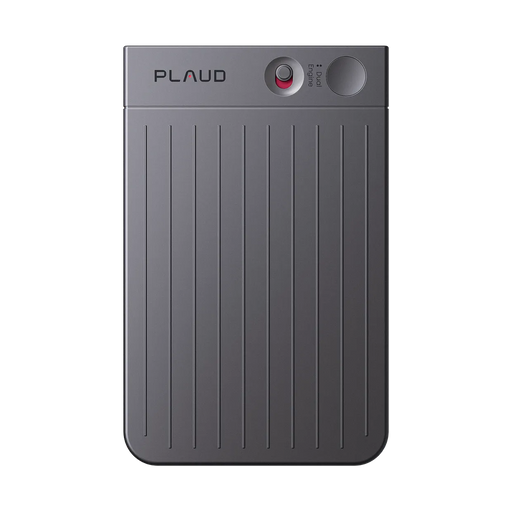
Plaud is a physical AI voice recorder and note taker that records audio from online meetings, phone calls, and in-person conversations. It then automatically transcribes audio in the Plaud App, adding speaker labels and timestamps. Plaud AI can also create AI summaries, structured notes, and action items based on your transcripts.
All of your transcripts and notes are fully searchable in the Plaud app, which has free unlimited storage. You can also create custom templates (or choose from Plaud’s 10,000+ template library) to organize your notes according to your needs. For example, if you’re a medical professional, you could create a template that displays a patient’s symptoms and current medications first.
That’s something you can’t do on Chime Note. You also can’t add images to your notes, like slides or photos. On Plaud, that’s easy.
Plaud is best for professionals, students, and teams who record frequently and don’t want to manually clean up notes later. If you’ve ever finished a meeting and thought, “I’ll listen to this later” (and never did), Plaud is built for you.
Plaud Pros
- High transcription accuracy (up to 98%)
- Language support for 112+ languages
- 64 GB on-device storage and unlimited cloud storage
- Long battery life (30 hours continuous recording, 60 days standby)
- Clean, fast mobile app (plus web and desktop access)
- 10,000+ templates for meetings, interviews, lectures, and more
- Multimodal notes (audio + text + visuals in one place)
- Generous free starter plan includes all AI tools + 300 minutes of transcription
- Strong data security certifications (ISO 27001, ISO 27701, GDPR, HIPAA, EN 18031)
- 24-hour customer support
Plaud Cons
- Free transcription minutes limited to 300/month
- No real time transcription or translation
What is Chime Note?

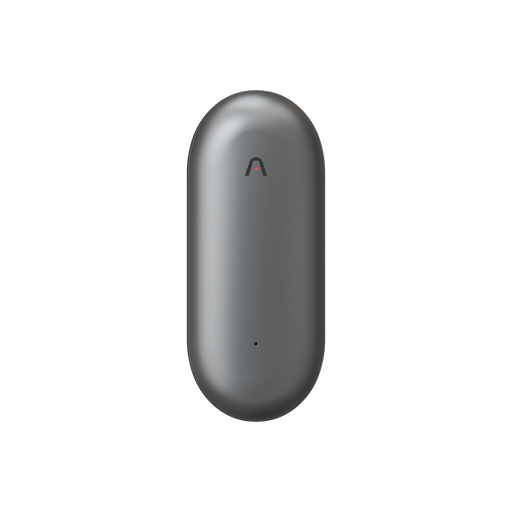
Chime Note is also an AI voice recorder that records audio, transcribes in the app, and generates summaries using AI. It doesn’t have many core features, but the main benefit is that you can transcribe unlimited minutes without a monthly subscription.
Unfortunately, these transcriptions are allegedly quite slow, and they don’t include speaker separation or labeling. For lectures, this might be ok. But for meetings with multiple speakers, your transcripts will turn into a headache of “who-said-what” editing.
Chime Note also has paid features, including real time transcription and translation.
Chime Note is a good option if you need non-critical single-speaker transcriptions and basic AI summaries. If you need advanced tools like seamless transcript editing, speaker separation, multimodal inputs, and templates, we don’t think it’s the best choice.
Chime Note Pros
- Unlimited basic transcription with no monthly fee
- OLED screen displays battery info and recording status
- Offers real-time transcription and translation features (paid)
- 3000 mAh Magnetic wireless charging
Chime Note Cons
- Transcription speed often reported as slow, lacks speaker separation and labels
- App quality issues reported by users, including bugs and poor English
- No advanced workflows, templates, or note organization features
- No multimodal inputs
- Little info on storage limits or searchable notes/transcripts
- Many users report unresponsive customer support
Why Are There So Many Complaints About Chime Note?
There aren’t many Chime Note reviews online, but there are some customer complaints. These go back to its early days on Kickstarter. We found in our research that Chime Note had some fulfillment issues that left many backers waiting for long periods with no word on their orders. This is all recording to the reviews we found online. We cannot verify these claims.

This user sums up the common complaints:

To be fair, not all Chime Note feedback is negative.
You’ll also find happy customers who say their device works fine. We also want to say that everything here is based purely on public comments and user experiences shared online.
That said, perception matters. Especially for a product that records important conversations.
One thing that stands out to us is Chime Note’s homepage. In our opinion, it focuses heavily on features and promises, but shows very few real-world success stories. There are no clear customer case studies or user examples.
We’ll come back to reputation and trust later. But this context helps explain why Chime Note raises more questions than some of its competitors.
Features Comparison
Let’s take a deeper look at the features of Plaud Note and Chime Note. We’re basing this on what’s visible on Chime Note’s website (which isn’t very detailed) and customer reviews. Chime Note may have some additional features we aren’t aware of.
Voice Recording
Winner: Plaud
Both Plaud AI and Chime Note handle basic voice recording well. Each has a separate recording mode for phone call recording, which doesn’t require you to be on speaker phone.
We know Plaud uses 2 MEMS mics and a VPU sensor for crystal clear audio recording in multiple environments. It’s designed for in person meetings, calls, field recordings, and multi-speaker situations.
We’re not sure about Chime Note’s mics, because there’s not much info about them on the website. Reviewers have said the recording quality is good enough for transcription, so that’s a plus.
Transcription

Winner: Tie
Chime Note offers unlimited transcription for free, which is hard to beat. If you need basic, single-speaker transcription and lots of it, then Chime Note is right for you.
Reviewers sometimes say that Chime Note’s transcription can be slow, especially for longer recordings. But the biggest issue is the lack of speaker separation and labels. Your transcripts are going to be very confusing if you never know who said what.
Plaud’s transcriptions are highly accurate and speedy because it uses the latest AI models (GPT 5.2, Claude Sonnet 4.5, and Gemini 3 Pro). It also has speaker separation, labeling, and time stamps included in the free plan.
Yes, you have to pay for transcription with Plaud if you go over the 300 free monthly minutes, but upgrading to 20 hours is only about $8. And the quality is worth it.
Further Reading: If you often transcribe meetings, we suggest you read our guide on transcribing audio from long meetings using AI.
AI Note-taking features
Winner: Plaud
Plaud has way more AI note taking tools than Chime Note. Chime is just fine as a note-taker, but we designed Plaud specifically to be the best AI note-taking device for business on the market..
Chime Note provides summaries and mind maps, but no organization tools, searchable notes, or templates. If you have a bunch of files, how are you going to find your notes without being able to search for key terms? Reviewers have also noted that editing transcripts is awkward and buggy.
Plaud gives you all the tools you need to organize notes in a way that’s productive to you. It automatically creates structured notes, pulls out action items, and identifies speakers. If you use a template, it gives you notes exactly how you want them. This means the AI can deliver your notes according to your company policies, compliance regulations, or any other standard of quality you need.
You can also add images to your notes, easily search your notes and transcripts, and store unlimited notes on the app.
Plaud was built to turn your recordings into notes you can actually use. And we think nobody does it better.
AI Summaries
Winner: Plaud
Plaud Note and Chime Note are both good at generating summaries based on audio transcripts. Several reviewers have said that Chime Note’s summaries feature goes down at times, but when it’s working, it works well.
Plaud wins this one because it offers multidimensional summaries, which go far beyond Chime Note’s basic summaries.
What are multidimensional summaries? Plaud will generate multiple summaries, going beyond a general overview. This can prioritize specific info (like sales action items, leadership overviews, or product feedback) based on professional summary templates.
Basically, it delivers the info you need instead of just giving a basic AI summary.
Pricing
Winner: Tie
When it comes to hardware, Plaud ($159) is cheaper than Chime Note ($189).
Chime Note claims transcription is free, but users around the web seem unsure where the limits actually are. Some report unexpected restrictions or unclear rules. This may be related to Chime Note’s real time transcription, which requires payments and top-ups. Pricing transparency appears to be a common issue.
However, if you only need simple transcriptions with one speaker, Chime Note will save you money.
Plaud’s pricing is more straightforward. You get 100% of our AI features + 300 minutes of transcription on the free plan. You only pay more if you need more transcription minutes, and an unlimited plan is available at $19.99 a month.
In many cases, Plaud ends up cheaper than Chime Note in the long term, as one Redditor explained in their review*:
*Transcription rates have changed slightly since this review was posted.
Reputation
Winner: Plaud
Plaud has a strong, visible reputation. We have over 1.5 million users worldwide, coverage from major outlets like Forbes, public leadership, and clear product specs. You can see us inside and out on our website, and you can visit independent reviewer sites like TrustPilot for an unbiased look.
Chime Note’s reputation online comes mainly from user reviews. Some are from satisfied customers, but many express frustration. On its site, we couldn’t find much about Chime Note’s team or any success stories. Feel free to visit their site and have a look and see if you can find something. As of writing this (January, 2026), we couldn’t.
If reputation, transparency, and long-term trust matter to you, Plaud clearly has the stronger footing.
The Verdict: Plaud vs Chime Note
We’ll be upfront. We’re biased. We think Plaud Note is much better than Chime Note. But that’s not only because we built it.
Plaud is the best AI voice recorder you can actually rely on.
Plaud works when you need it to, whether you’re recording phone calls, virtual meetings, or an interview at a busy cafe. The transcription is fast and accurate, your notes are structured the way you need them, and the phone app is extremely easy to use.
Plaud also has a lot more features for people who need to turn recordings into productive, searchable data.
Chime Note is solid, and it’s sold a ton of devices for good reasons.
Unlimited transcription is a huge perk, and the real-time translation feature is really cool. But Plaud offers a lot more and has a great reputation around the web.
Overall, if you’re serious about note taking and need an AI voice recorder you can count on, Plaud is the better choice.
Are There Any Plaud or Chime Note Alternatives?
We think Plaud is the best AI note taker and voice recorder for most situations, but it’s not the only option. Here are some Plaud and Chime Note alternatives to explore before making your decision.
- Limitless: Limitless is a wearable AI device that records everything you do and can generate summaries to help you remember things. Read our limitless vs. Plaud comparison here.
- Otter: This AI transcription software joins online meetings (Google Meet, Zoom, Teams, etc.) and records what people say. Read our full comparison here.
- Notta: Another AI meeting assistant, Notta is software that records, transcribes, summarizes, and makes notes based on your virtual meetings.