
Recording in-person meetings is harder than it should be. Apps need WiFi and die at the worst moments; free recorders capture audio but can't summarize anything; and the smart tools that actually work cost too much and were clearly built for Zoom—not real meeting rooms. What you actually want is simple: press a button, get accurate transcripts, and let AI pull out the decisions and action items automatically.
Best AI meeting recorder for physical meetings
"I just want to record a real meeting and get a smart summary, not pay for corporate features I'll never use." If that sounds familiar, you're not alone.
Most AI note-taking tools weren't built for actual, in-person meetings. They're designed for Zoom and Teams calls, which creates real problems when you try to use them in the real world.
1. Most tools are built for virtual meetings, not real ones
Apps like Otter.ai, Fireflies.ai, and Fathom revolve around screen sharing, meeting bots, and calendar syncing. Great for video calls—but what good are those features when you're sitting across from someone in a conference room or grabbing coffee with a client? You end up paying for features you'll never use, while the basics you actually need (like recording without WiFi) either don't work well or aren't available at all.
2. Free recorders give you audio with no intelligence
Sure, Google Recorder and your phone's voice memo can capture audio. But then what? You get a raw file sitting there with no transcription, no summary, no way to search it. If you want to know what was discussed, you're manually replaying hours of recordings and typing up notes yourself. That completely defeats the purpose of recording in the first place.
3. Paid tools charge too much and cap your usage
Most premium transcription services come with hefty monthly fees, yet they still cap how much you can record. The limitations add up fast:
- You might get a set number of hours per month before hitting a wall.
- A few long meetings or one all-day workshop can burn through your entire allowance.
- Once you're out of minutes, you're stuck choosing between upgrading to a pricier tier or rationing your recordings for the rest of the month.
It's a frustrating trade-off—paying more while constantly worrying about whether this meeting is worth using your limited quota.
4. Transcription falls apart in real meeting spaces
Transcription that sounds great on clean Zoom audio tends to fall apart in actual rooms. Real-world acoustics create challenges that phone apps can't handle:
- Background noise from HVAC systems and chatter bleeds into recordings.
- Multiple people talking at once confuses single-microphone setups.
- Echo from hard walls and large spaces muddies voices.
- Someone sitting far from the device becomes nearly inaudible.
The result is error-filled transcripts that require tons of manual cleanup—assuming they're even usable at all.
5. What you actually need is simpler than you'd think
You're not looking for some massive enterprise platform or virtual meeting bots. You want something that captures clear audio no matter where you are, transcribes and organizes everything automatically, lets you ask questions about your recordings later, and does all this without bugs, surprise limits, or corporate pricing. That combination is weirdly hard to find—which is exactly why purpose-built hardware like the Plaud Note Pro, an AI meeting recorder and note-taking device, makes such a difference for face-to-face meetings.
What's the best AI meeting recorder for face-to-face meetings
Trying to record in-person meetings with apps is frustrating. You need WiFi, everyone huddles around one phone, and you're constantly checking if it's still working. If you've ever lost an important recording because your connection dropped, you know how painful that is.
For physical meetings, you need something that actually works when you need it.
What is Plaud Note Pro
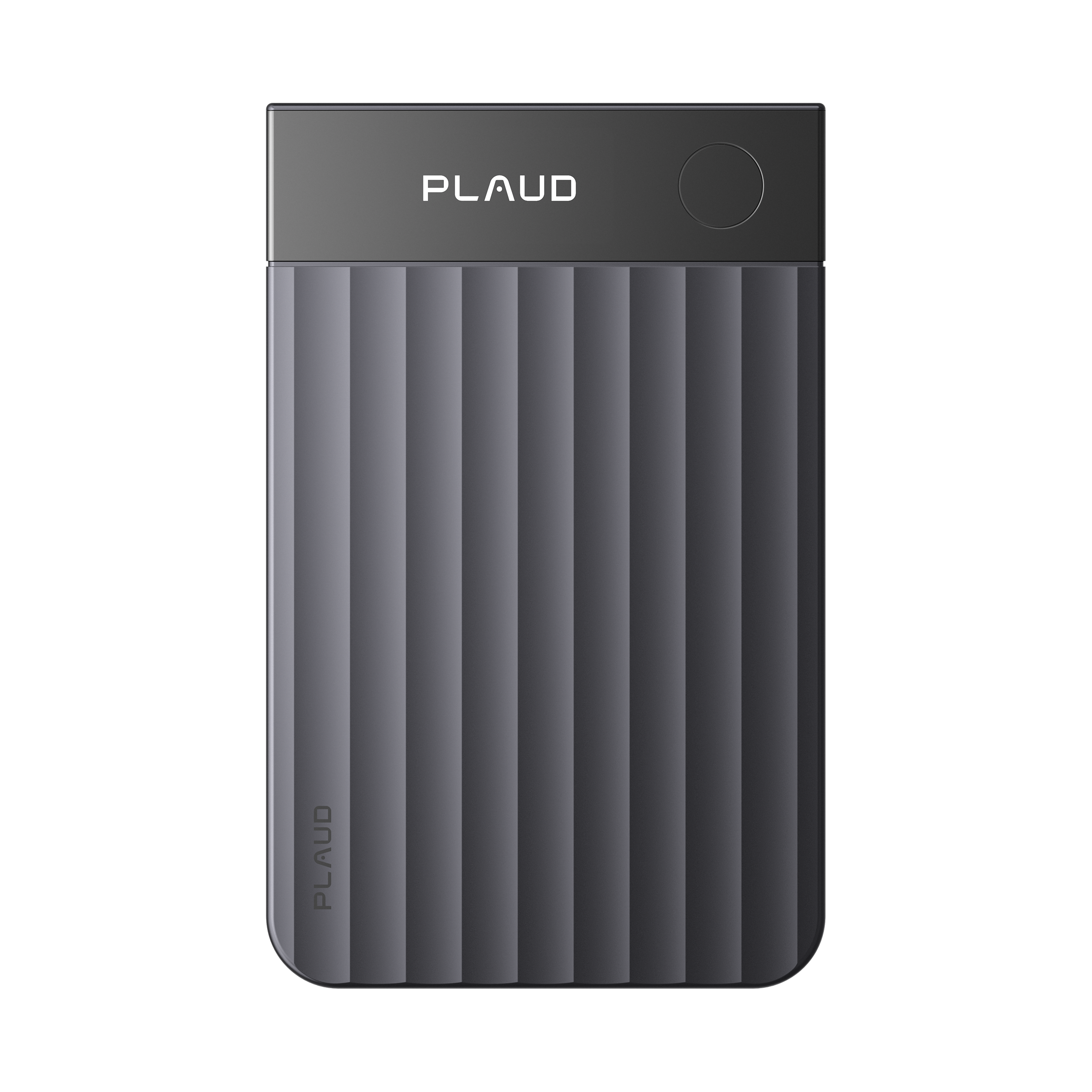
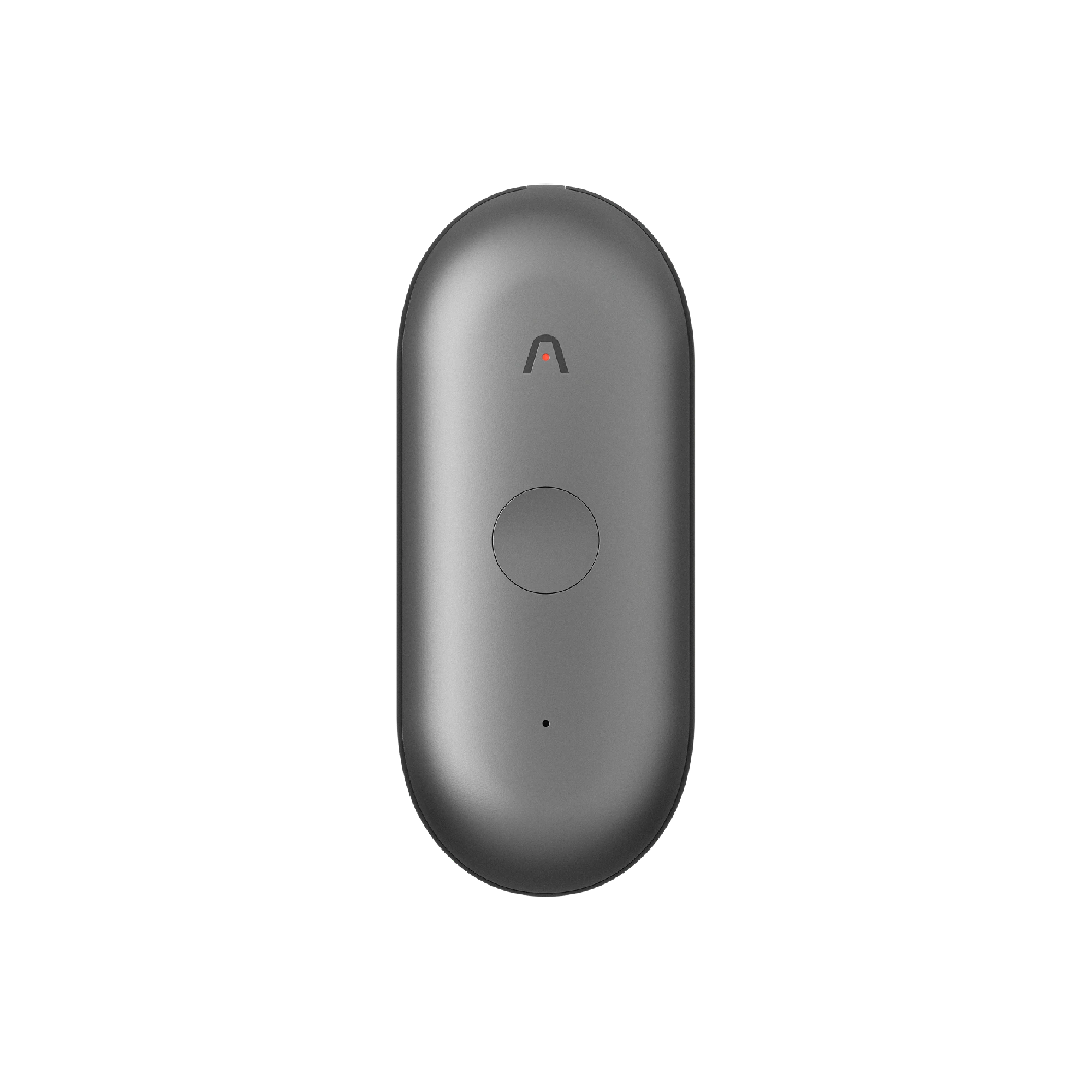
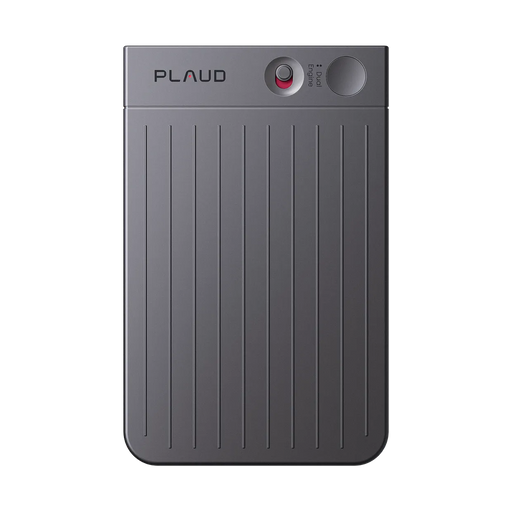
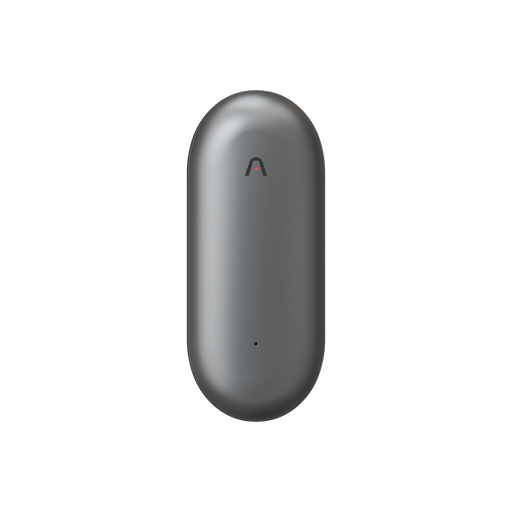
Plaud Note Pro is an AI meeting note-taking device that sticks magnetically to your phone. It has four professional microphones and a compact AMOLED status display for at-a-glance info like recording state and battery. For detailed interaction, transcripts, and organization, you use the companion app. The AI transcribes in 112 languages and keeps everything structured.
The key specs: captures audio up to 5 meters away, records for 50 hours straight, and works as both a recorder and an intelligent assistant. Ask it questions about meetings, generate mind maps, and automatically send notes to Notion, Slack, Gmail, or Google Drive.
Why Plaud Note Pro works best for in-person meetings
1. Offline recording
For in-person use, the big plus is Plaud Note Pro's offline capability and reliability. Because it's a standalone device, you don't need an internet connection or even a phone on hand while recording. It can record offline anywhere, anytime.
Here's how offline recording works in practice:
- Press once to start recording - The device immediately captures audio and stores it locally on internal memory. No app to open, no connection to verify.
- Check the AMOLED screen anytime - See your recording status, elapsed time, and live audio waveform. No more wondering "wait, is this thing still recording?"
- Record for up to 50 hours continuously - The robust battery supports all-day workshops, multi-day conferences, or back-to-back meetings without draining your phone or hunting for power outlets.
- Automatic transfer when you reconnect - Once you're back in WiFi range, Plaud automatically transfers your offline recordings to the app for transcription using dual-band 5 GHz WiFi. Files appear almost instantly.

Some users emphasized this "offline flexibility" as the deciding factor over apps like Otter.ai. "I can't use Otter reliably without a WiFi or cell connection. By contrast, the Plaud Note Pro can be used anywhere at any time, and I only need connectivity when I'm uploading the files for processing."
This means no worries about finding a network during a meeting, which is ideal for on-site client meetings, basement conference rooms, remote locations, conferences, or travel. The device's battery life is robust as well, so you can record lengthy sessions without draining your phone or needing a power outlet.
2. Simple, hands-free operation vs. app-based tools
Plaud Note Pro's simplicity is frequently praised in user discussions – it's essentially one button to operate with intelligent automatic switching.
Your complete workflow from start to finish:
- Attach and position - Snap the magnetic device onto your phone or place it centrally on the conference table for optimal 5-meter pickup range.
- Press once to start - That's it. No app to launch, no session to create, no settings to configure.
- Automatic mode detection - The device intelligently detects whether you're in an in-person meeting (engaging the four-microphone array) or on a phone call (using vibration conduction technology to capture audio directly from your phone).
- Quick-tap to highlight key moments - During the meeting, one short press marks a 30-second highlight of critical moments without interrupting the recording. Perfect for capturing decisions or action items.
- Press once more to stop - The screen confirms your recording has ended.
- Automatic file sync - When WiFi is available, recordings transfer instantly to your app without you doing anything.

There's no complex setup each time: "The button starts recording, and it automatically switches between recording phone calls or your surroundings."
In a meeting, you literally press one button to start, and you're done – the device handles recording and later auto-formats the notes without manual intervention. This stands in contrast to software solutions like Otter, Fireflies, or Notta, where you might have to launch an app, create a session, invite a bot, or ensure everyone speaks into a single phone's mic, manage permissions, then handle uploads, etc.
For people who don't need the complexity of enterprise meeting software, this is refreshingly straightforward. In fact, Plaud Note Pro is often recommended to those who ask for an easy in-person note taker.
Plaud Note Pro requires very little effort or tech know-how to use, so you can focus on the discussion instead of fiddling with your phone or laptop. This ease of use makes it especially suited for in-person contexts where you want to be an active participant (or appear more present, with no laptop or phone in the way).
3. High-quality AI summaries and notes
A standout benefit is the AI-powered summarization and note formatting it provides after transcription. It doesn't just give you raw text – it automatically formats, summarizes, and organizes the meeting notes for you.
What the AI processing delivers:
- Automatic transcription in 112 languages - Starts immediately once files are transferred, with enhanced recognition of specialist terms, including legal, medical, and technical terminology that generic services often butcher.
- Over 10,000 summary templates - Format your notes exactly how you need them: meeting secretary documentation, lawyer-style records, client review summaries, investment advisory reports, action item extraction, teaching notes, Q&A sessions, and dozens more specialized formats.
- Mind maps generated automatically - The AI creates visual mind maps from your recordings, organizing concepts and relationships so complex discussions become easier to understand at a glance.
- Multimodal summaries - If you captured photos during the meeting (whiteboards, slides, diagrams), the AI generates comprehensive summaries incorporating both what was said and what was shown.

Ask Plaud AI Assistant questions about your meetings:
Type natural language queries like "What were the action items?", "Summarize this file", "What did they decide about the budget?", or "Make me a mind map," and get contextual answers even for meetings you didn't attend. The AI learns from your usage patterns and delivers increasingly personalized responses over time.

For example, you can use AI to generate mind maps and super detailed notes—you don't even need to listen back to the conversation, that's how good the notes are. Several users with heavy workloads or ADHD have found this feature transformative, finally giving them a reliable way to capture and process information without the cognitive overhead of manual note-taking.
How to get the most out of your Plaud Note Pro
- Make highlighting a habit. Tap when you hear decisions, action items, or key insights. After a few meetings, this becomes automatic and saves hours of review time.
- Capture visuals immediately. Photograph whiteboards and slides during recording, not after when they're erased. The AI references both spoken and visual content in summaries.
- Position for optimal audio. Place the device centrally within 5 meters of speakers for the best capture quality from all participants.
- Enable WiFi transfer. Set this up once, so files appear instantly after meetings while everything's fresh.
- Train your glossary before important meetings. Spend 10 minutes adding specialized terms for technical accuracy from the first transcript.
- Share links as meetings end. Make it routine to send Plaud links immediately, eliminating follow-up meetings.
- Review highlights first. Jump to 30-second clips to extract value in minutes. Expand for more context only if needed.
- Use Ask Plaud AI for missed meetings. Type "What action items were assigned to me?" instead of listening to full recordings.
- Configure Flow once, benefit forever. Spend 30 minutes setting up integrations, then never think about meeting documentation again.
Plaud Note Pro transforms how you handle physical meetings—from frantically taking notes while barely listening to confidently capturing everything and having AI organize it automatically. For in-person meetings needing reliability without internet, simplicity without complexity, and comprehensive documentation without manual work, it's the most effective solution available. It just works, consistently, every time.
How to use Plaud Note Pro for your in-person meeting workflow
Recording a meeting is easy. Turning it into actual follow-through? That's where things usually fall apart. Plaud Note Pro bridges that gap, taking you from pressing record all the way to organized notes landing exactly where you need them.
Step 1: During meetings — record without distraction
Walk into your meetings and stop worrying about note-taking. Since you can be totally involved in any conversation with Plaud Note Pro by pushing one button, you will not be capturing notes at the same time and missing half of what is being communicated.
Setting up for optimal capture
Setup only takes five seconds. Attach your Plaud Note Pro magnetically to the back of your smartphone or, if you are in a meeting room, set it in the middle of your table so that all can be heard simultaneously. The four microphones enable it to record conversations from 5 meters, so there's no need to consider speaker positioning, as long as your device isn't hiding under notes and behind laptops. Please press the button once, glance at the AMOLED screen to confirm it's recording, and you're good to go.

Recording in challenging environments
Here's how to set up for clean audio in different situations:
- Coffee shops or coworking spaces: Place the device on the table between you and the other person, not in your pocket.
- Large conference rooms: Position the device centrally on the table, within 5 meters of all speakers.
- When people talk over each other: No adjustments needed—review the transcript afterward.
Marking key moments as they happen
Train yourself to tap the button whenever something important comes up. Hear a decision being made? Tap. Someone gets assigned a task? Tap. A critical insight drops? Tap. Each tap bookmarks 30 seconds of audio around that moment, creating shortcuts you'll use later.
Capturing visual content in real time
When visual information matters, capture it in the moment—not after. Here's the workflow:
- Someone starts filling up a whiteboard? Open the Plaud app and snap a photo before they erase anything.
- A slide goes up with key data or a useful diagram? Photograph it right then.
- Someone sketches something on a napkin or notepad? Get that too.

Each photo syncs directly to the exact timestamp in your recording, so when you review later, visuals and audio are linked together. Don't wait until after the meeting, hoping you'll remember—boards get erased, slides get closed, and moments disappear.
By the time the meeting ends and you press the button once more, you've captured everything—audio, highlights, and visuals—without missing a single point of discussion or appearing disengaged from the conversation.
Step 2: After meetings — let AI turn audio into organized notes
The meeting is over, but your work isn't—except now, the heavy lifting happens automatically. While you move on to your next task, Plaud Note Pro's AI transforms raw audio into structured, actionable documentation without you typing a single word.

Transferring files seamlessly
You don't need to do anything here—make sure your phone connects to WiFi at some point. The moment it does, your recordings transfer automatically via high-speed 5 GHz connection. No buttons to press, no uploads to manage, no folders to organize. Files appear in your app, ready for processing. Recorded somewhere without internet? No problem. Everything syncs the moment you're back in range, whether that's five minutes later or five hours.
Getting accurate transcriptions
Once your file transfers, transcription starts automatically. The AI handles 112 languages and actually recognizes specialist terminology—legal terms, medical vocabulary, technical jargon—that generic transcription services usually butcher. But if your field uses very specific language, take five minutes to set up your custom glossary before important meetings:
- Open settings and find the custom terminology section (available on Pro or Unlimited plans).
- Add your industry jargon, product names, client names, and technical terms.
- The transcription engine learns these and captures them accurately going forward.

Generating intelligent summaries
You deserve better than transcripts, so take advantage of formatted and actionable notes. After transcript generation, pick your favorite template according to your requirement. The meeting minutes format is perfect if you need professional transcripts for record-keeping. Pick action item extraction if you need only tasks to be extracted.
For notes you need to give to your clients, pick the client review summary. Go with Q&A if you are recording interview sessions. You get more than 10,000 different templates to pick from, and you can pick your favorites and store them. The AI assistant can automatically produce mind maps, perfect if you need to visualize connections between ideas and decisions.
Creating multimodal documentation
And if you’d taken photos at the session, well, far from ignoring what you’ve captured, it takes all of that information into account, including visual and audio information, and creates your summary based on what was heard and what was seen. Take that whiteboard diagram you snapped? It’s mentioned in context. The slide with all the key figures? It appears right where you need it.

What started as a two-hour conversation is now organized, searchable, and ready to share—and you haven't spent a minute on manual note-taking or document formatting.
Step 3: During review — ask questions, get instant insights
You don't have hours to re-listen to recordings, and you shouldn't need them. Plaud Note Pro gives you multiple pathways to extract exactly what you need from any meeting—whether you attended or not.
Jumping to highlighted moments
Remember those taps you made during the meeting? Here's where they pay off. Open the Plaud app, navigate to your recording, and you'll see your highlights marked in the timeline. Click any one to jump directly to that 30-second clip—the decision being made, the task being assigned, the insight worth remembering.

Instead of scrubbing through two hours of audio, you're reviewing just the moments you flagged. Five minutes of highlight review can replace an hour of playback, so make highlighting a habit during every meeting.
Asking natural language questions
When you need something specific, ask for it. Open the Ask Plaud feature and type your question in plain language:
- "What were the action items from this meeting?"
- "What did we decide about the budget?"
- "Summarize what Sarah said about the timeline."
- "Were there any concerns raised about the proposal?"

The AI searches your recording and delivers contextual answers instantly. Treat it like a colleague who attended and took perfect notes—one who's ready to answer any question about what happened without making you listen to the whole thing.
Catching up on meetings you missed
Couldn't attend? You don't need a recap meeting or a lengthy email summary. When a colleague shares a Plaud link with you, click it, and you'll get everything: full audio, complete transcript, AI-generated summary, any photos they captured, and all highlighted moments.

Better yet, use Ask Plaud to get exactly what you need. Type "What action items were assigned to me?" or "What decisions were made about the launch date?" and get answers without listening to a single minute of audio. You're informed and aligned without wasting anyone's time on catch-up calls.
Refining audio quality when needed
Sometimes recordings happen in tough acoustic environments, and the default settings don't quite cut it. If a transcript came out muddier than you'd like, open the file in the app and look for the noise isolation settings. Adjust the level of noise reduction—dial it up to clarify voices further. This post-processing can rescue recordings from echoey conference rooms or noisy venues that would otherwise be frustrating to review.
The more you use Ask Plaud, the smarter it gets—learning your patterns, understanding your context, and delivering increasingly relevant responses. Review becomes faster each time.
Step 4: Before follow-ups — turn notes into action
Meetings without follow-through are wasted time. Plaud Note Pro bridges the gap between discussion and execution, getting the right information to the right people and tools so action actually happens.
Sharing complete meeting records instantly
When teammates miss a meeting, or stakeholders need context, don't write a summary email—send a link. Here's how:
- Open the meeting in your Plaud app.
- Tap the share button to generate a link.
- Send that link via email, Slack, text, or wherever your team communicates.
One click gives recipients everything: full audio, complete transcript, AI-generated summary, any photos you captured, and all highlighted moments. They can catch up on their own time, dig into whatever details they need, and even ask the AI questions about the meeting. No recap meetings required, no lengthy emails to write.
Automating workflow with Flow integrations
Stop manually copying notes into other apps. Set up Flow integrations once, and your meeting content routes automatically to wherever it needs to go:
- Client meeting transcripts land directly in your CRM.
- Team standup summaries post to your Slack channel.
- Board meeting documentation is saved to secure Google Drive folders.
- Stakeholder updates are sent via Gmail with proper formatting.

Spend 30 minutes configuring Flow for your different meeting types, then never think about post-meeting documentation again. Different meetings flow to different destinations without you copying, pasting, exporting, or remembering to share anything.
Moving directly to execution
With action items extracted, decisions documented, and notes already routed to your workflow tools, you skip straight to doing. Draft your follow-up email using the AI summary as a starting point—or let the summary be the email. Check that tasks appear in whatever system your team uses to track work. Confirm decisions are recorded where they'll be referenced later. Nothing gets lost in the gap between "we discussed this" and "this is getting done."
That's the complete Plaud Note Pro workflow—from pressing record to completing follow-ups, with AI handling the tedious parts so you can focus on the work that actually matters.
AI meeting recorder built for real-world conversations
In-person meetings are messy—multiple voices, background noise, whiteboards that get erased. Plaud Note Pro captures it all and lets AI sort it out. No more frantic scribbling or post-meeting panic. Try Plaud Note Pro and turn every conversation into clear next steps.