
Leaders today sit in constant noise: dashboards, AI summaries, Slack threads, customer feedback, and board pressure. Most managers already spend over half their day listening, so the bottleneck is no longer information but how you use active listening and judgment. This guide focuses on simple, practical moves to help you think more clearly and make better calls.
If you manage people, you might be asking:
- How do I practice active listening in 1:1 s and project check-ins?
- What simple active listening skills and phrases work in feedback or review talks?
- What are realistic active listening examples I can copy in day-to-day team conversations?
- How can I stay present while someone talks and still capture notes and next steps?
With that said, let’s break it down.
What does active listening at work actually mean for team leads?
Put simply, active listening at work means giving your full attention to the speaker, noticing tone and body language, and reflecting back what you understood before you respond. It is different from passive listening, where you hear the words but miss concerns, emotions, or early warning signs.
For team leads, the main idea here is:
- You spot problems and risks earlier in 1:1s and project updates.
- You make feedback and conflict conversations feel safer and more respectful.
How to improve active listening? 6 tips for team leads (with workplace examples)
Active listening is a skill you build through practice, not a personality trait you either have or don’t. The tips below break it down into simple actions you can apply in real conversations with your team.
- Commit and make space to listen
- Use nonverbal communication so people can see you are listening
- Guide conversations with questions and small verbal cues
- Reflect on what you heard before you respond
- Keep the focus on them long enough to understand
- Turn listening into clear next steps
1. Commit and make space to listen
You get better information when people can tell you’re doing active listening, not just hearing them while you multitask.
If your attention stays split between the person and your inbox, they quickly learn to keep real concerns to themselves.
Here’s what you can do next:
- Decide before a 1:1, “For the first 10 minutes, I’ll just listen and ask questions.”
- Avoid back-to-back meetings so your attention is not still on the last call.
- Start with, “Let’s begin with what’s on your mind; I’ll mostly listen first.”
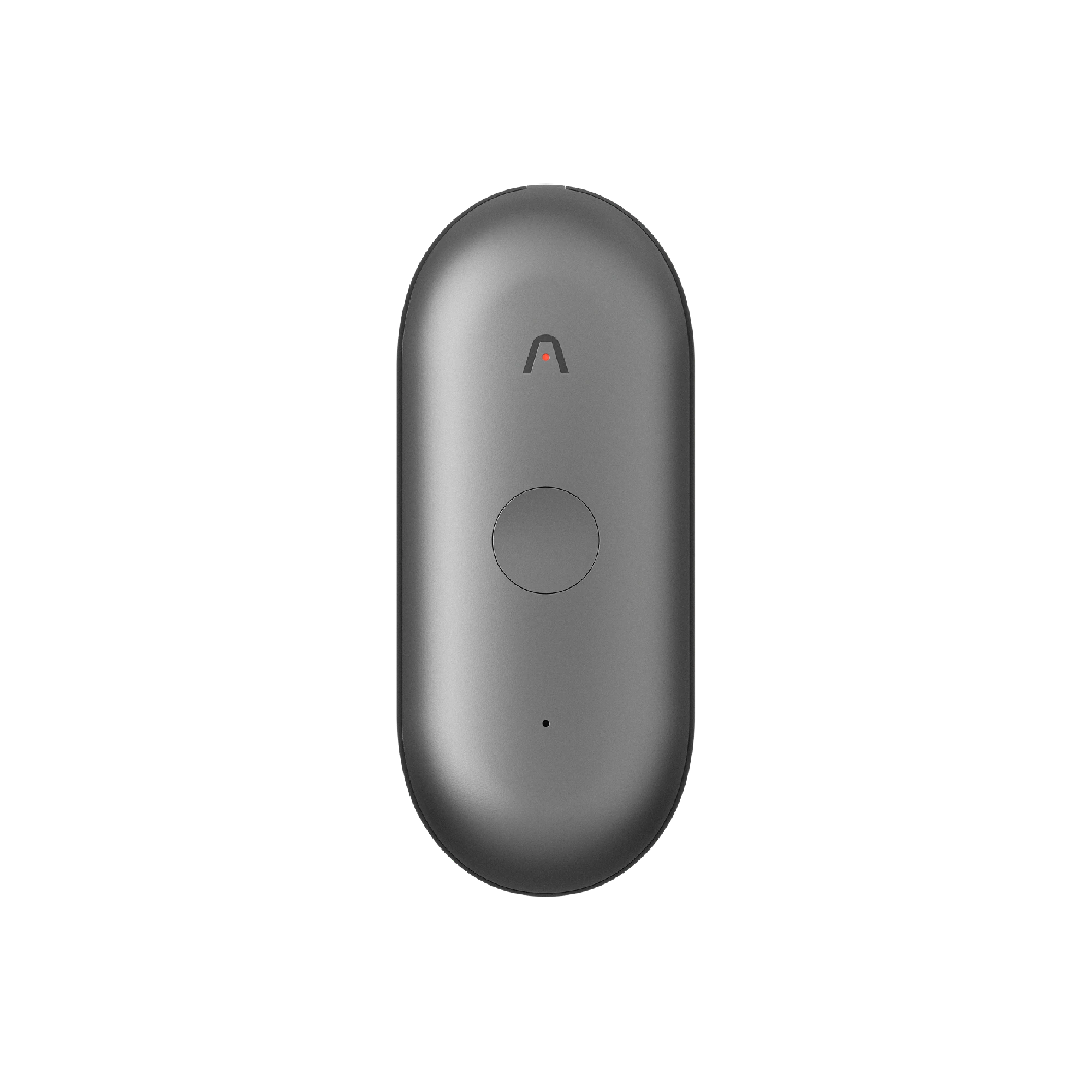
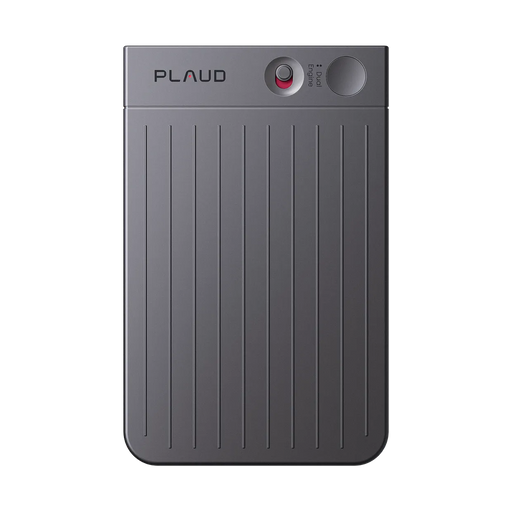
- Let a small recorder handle the notes. For example, you can use an AI note-taking device like Plaud Note Pro to record and transcribe the conversation so you keep your hands off the keyboard and your eyes on the person instead of your screen.
Here’s a quick example:
In a 1:1 about burnout, instead of “Yeah, everyone’s tired,” try: “This sounds important. Walk me through what has been most draining lately.”
2. Use nonverbal communication so people can see you are listening
Active listening shows up in your body as much as in your words. People usually decide whether you’re really listening before you say anything back. Nonverbal listening means using posture, eye contact, and body orientation to show “I am here with you,” and watching the other person’s signals.
You can show nonverbal attention by:
- Putting your phone away and moving your laptop aside during sensitive topics.
- Turning your body toward them, with relaxed shoulders and uncrossed arms.
- Keeping natural eye contact and nodding occasionally.
- Noticing fidgeting, a tight jaw, long pauses, or forced smiles as possible stress signals.
Here’s an example to make it clearer:
In a project review, if a teammate looks tense and says they are “uneasy” about the release, instead of staying half-turned to your screen and saying “We’ll be fine,” try turning fully toward them and asking, “I can tell you’re worried. What are you most concerned about?”

3. Guide conversations with questions and small verbal cues
To make this easier to understand, think of active listening here as: ask better questions, then stay quiet long enough to hear the answers. Small verbal cues help the other person feel you are following, not zoning out.
You can guide the conversation by:
- Asking “What” and “How” questions, “What’s the hardest part of this?” or “How is this affecting the rest of your work?”
- Asking one question at a time and letting them finish, even if there is a short silence.
- Adding an emotion check: “What part of this is most frustrating or most important for you?”
- Using brief cues such as “I see,” “Got it,” or “That makes sense” while they talk.
- Marking key moments without breaking the flow. Let’s say you are in a longer 1:1 and using an AI note taker like Plaud Note Pro: you can tap its highlight button when you hear a key concern, then revisit those points later in the AI summary instead of stopping to type.

Here’s what you should do next when you disagree:
- Instead of: “You’re not seriously suggesting we rewrite this, right?”
- Try: “What problem are you trying to solve with this change?”
4. Reflect on what you heard before you respond
The key takeaway here is simple: repeat back what you heard before you react.
Reflecting means you restate the core of what they said and how they feel, in your own words, before you give your view. This shows you were actually listening and reduces the risk of acting on the wrong picture.
You can build this habit by:
- Starting with “What I’m hearing is…” or “It sounds like you’re feeling…”.
- Including facts, impact, and emotion in one or two sentences.
- Checking with, “Did I get that right?” or “What did I miss?” before you respond.
Here’s a quick example:
- Instead of: “Okay, I’ll talk to them,” after a long story about shifting requirements.
- Try: “Let me check I’ve got this: you own the UX, decisions keep changing late, and you feel your input comes in too late to matter. Is that right?”

5. Keep the focus on them long enough to understand
Active listening gets harder when your mind starts drafting your reply too early. Now that you know how to reflect, it is worth looking at who holds the spotlight.
You learn more when you let their story stay in the center for a while instead of quickly switching to your own. Jumping in too early with “This is just like when I…” can make them feel you are more interested in your experience than theirs.
You can keep the focus on them by:
- Planning for the first part of a 30-minute 1:1 to be mostly their talking time.
- Holding your own story until they finish and you have asked a couple of clarifying questions.
- Using prompts like “Tell me more about that part,” or “What happened next?” when something sounds important.
This might look something like this:
- Instead of: “This reminds me of when I had the same issue with another team…,” in the first minute.
- Try: “How do you think the other team sees this?” and “What would ‘fixed’ look like from your side?”
6. Turn listening into clear next steps
Here’s why this matters: listening only builds trust if people see that what they shared leads to clear action or a clear “no, and here is why.” If every conversation ends with vague intentions, they stop believing that your listening changes anything.
You can turn listening into action by:
- Ending with, “Here’s what I’m taking away and what we’ll each do next.”
- Naming clear actions with owners and time frames: “You’ll do A by Tuesday; I’ll do B by Friday.”
- Call out what is still undecided and when you will revisit it.
- Starting the next 1:1 with, “Last time we agreed on X and Y. How did that go?”
- Using tools to keep follow-through aligned with what people said. For example, after a long meeting, you can skim the AI summary from a recorder like Plaud Note Pro, pull the decisions and action items into your 1:1 doc or project tracker, and avoid relying only on memory.

For example:
- Instead of: “Let’s all communicate better,” at the end of a conflict discussion.
- Try: “Here’s what we agreed: you’ll share decisions in the channel, you’ll check with Sam before changing scope, and I’ll talk to the other lead. We’ll check in next Wednesday. Did I miss anything important?”
Common active listening mistakes for team leads
To wrap things up, remember these patterns many leads fall into:
Over-fixing instead of listening
You jump to fixes so fast that people hide messy problems. Ask what they need first (“Ideas, a decision, or just a listener?”), Then reflect on their view once before you give advice.
Performing listening without curiosity
You nod and repeat phrases, but your questions are generic, so people stay on the surface. Please bring at least one real question you do not know the answer to, and leave a short pause after they finish.
Confusing “I understand” with “I agree.”
You avoid naming feelings because you worry it means saying yes. Separate the two instead: “I can see why this feels X; I still need to do Y because…”. This keeps empathy and decisions clear at the same time.
FAQ
Can active listening really make me a better leader or manager?
Yes, it improves trust, the quality of information you get, and how willing people are to follow your decisions.
What are the most common barriers to active listening?
Multitasking, jumping too fast to solutions, time pressure, emotional triggers, and assuming you already know what they will say.
How can I encourage a culture of active listening across my team?
Model it yourself, set simple norms (no multitasking, paraphrase before disagreeing), and regularly link what people say to clear actions and follow-ups.