Looking for wearable AI devices that track your health, improve productivity, and make life easier?
Maybe you need better notes from meetings, or maybe you just want an AI assistant to give you important notifications without being glued to your phone. Whatever you need, this AI gadget guide will help.
Wearable AI devices are all the rage these days, and companies are producing new mind-blowing devices almost every week (like AI shoes? What?).
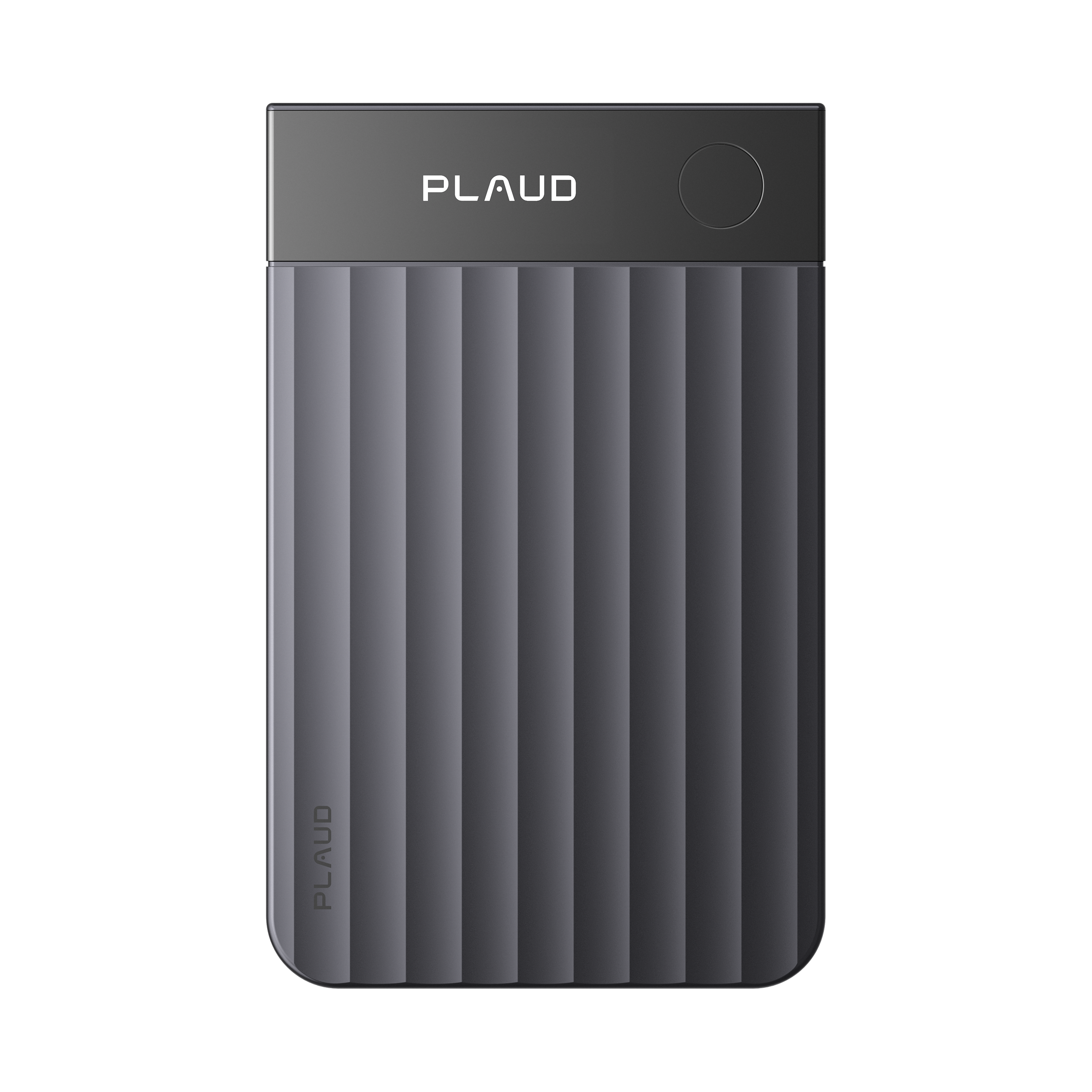
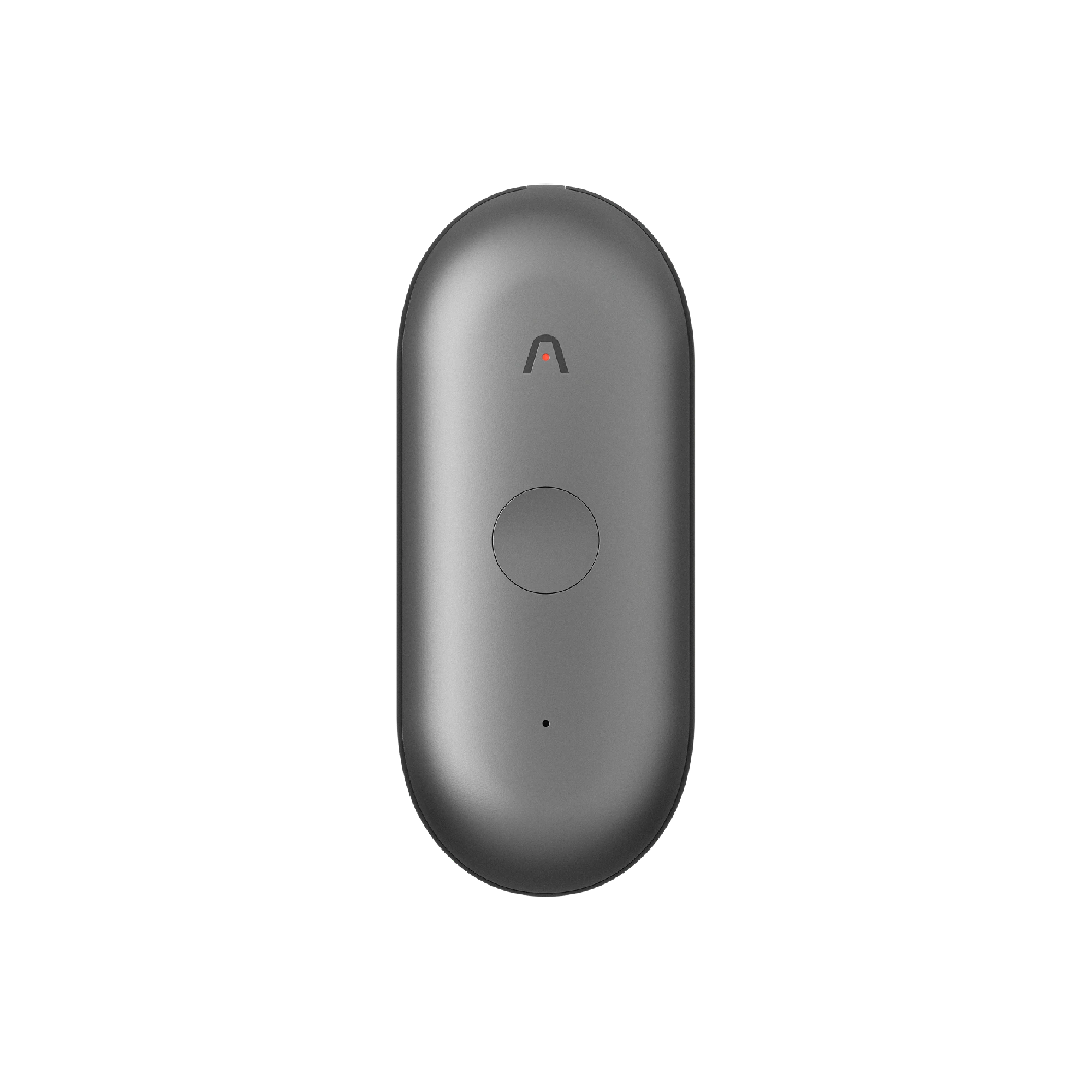
We’re Plaud AI, and we know a lot about wearables. We’ve built one of the best AI wearables ever called the Plaud NotePin (ok, we’re a bit biased). Over 1.5 million people use our AI voice recorder and note taker to automatically transcribe recordings and turn them into structured notes, summaries, and action items.
Part of our job is studying lots of AI wearables, talking to users, and finding out what works best. We know a ton about the tech on the market now, so we decided to share our knowledge with you.
In the guide below, we cover the best wearable AI devices you can buy in 2026 across different use cases. We’ve also included a buying guide to help you determine which wearable tech can benefit you the most.
The Best AI Wearables Overview

AI wearables are now available from head to toe, and they are capable of doing some mind-blowing things. There’s even a robotic exoskeleton that helps you walk and smart nappies for kids. Neither of those made this best wearable tech list, though.
Here are the top AI products of the year:
- Plaud AI Voice Recorder & Note-Taker: A wearable AI note-taker that records conversations and automatically creates transcriptions, summaries, and insights for meetings, lectures, and clinical use cases. Our free plan gives you 300 minutes of advanced transcription to get you started. That’s right, you don’t even need a subscription to start transcribing your most important business meetings.
- Bee: A screenless, always-on AI wearable that listens to your day and builds personal summaries, reminders, and insights.
- Limitless: A pendant-style always-on wearable that records and transcribes live conversations to improve memory (it’s currently unavailable after acquisition by Meta).
- Omi: Another always-on wearable AI assistant designed to listen and offer summaries, reminders, and task support based on what it hears. We don’t like it as much as Bee, but that’s just our opinion.
- Ray-Ban Meta AI Glasses (Gen 2): These are so cool! They are AI-enabled smart glasses with built-in microphones, speakers, and cameras for hands-free information capture and real-world AI interactions.
- Muse One Ring: A super popular smart ring that combines health and biometric tracking with contactless payments.
- Evie Ring: A smart ring with a focus on women’s health tracking.
- Moonwalkers AI Shoes: AI-enhanced footwear that adjusts to the terrain and the way you move to improve your motor skills.
- Garmin smartwatch with Garmin Connect+: A Garmin watch paired with the Connect+ subscription gives you AI-style summaries and deeper insights into your fitness and daily routines.
Discover more


|
Wearable AI Device |
Best For |
Ecosystem |
Hands-Free Controls? |
Privacy |
Price |
What to Know |
|
Plaud AI Voice Recorder & Note-Taker |
Professional use cases: recording meetings, lectures, interviews, phone calls, etc. |
Mobile, desktop, and web app support |
No (button control) |
Strong compliance (GDPR, HIPAA, ISO) |
$159 |
Long battery, flexible wear, local storage |
|
Bee |
Daily memory, summaries, and simple AI logs |
iOS app now; future integrations planned |
Yes (and button control) |
“Always-on” device raises issues |
~$49 |
Battery lasts up to 7 days |
|
Limitless |
Conversation recall & transcripts |
Companion app (Mac/Win) |
Yes |
“Always-on” device raises issues |
Discontinued |
Discontinued as of sale to Meta |
|
Omi |
Summaries, tasks, and reminders |
Phone/desktop/other wearable sync |
Yes |
SOC 2 and HIPAA compliant |
$89 |
Focus on summaries, action items, and memory support |
|
Ray-Ban Meta AI Glasses (Gen 2) |
Hands-free AI info and image capture |
Syncs with Meta ecosystem |
Yes (voice & gestures) |
Meta may collect user data |
~$329–$799 |
Cameras, voice AI, and translation |
|
Muse One Ring |
Measuring health, contactless payments |
Muse App and Muse Wallet (iOS/Android) |
No |
CDCVM and EMVCo certifications |
~$300–$350 |
Up to 7-day battery life and charging case included |
|
Evie Ring (AI smart ring) |
Women’s health monitoring |
Evie app (iOS/Android) |
Yes |
Claims to use “industry-leading protocols” |
$269 |
Focus on women’s health |
|
Moonwalkers AI Shoes |
Improving your commute and posture |
Shift app (iOS/Android) |
No |
No personal data collection |
$1,400 |
AI adapts to movement and terrain |
|
Garmin smartwatch with Garmin Connect+ |
Fitness, health, and AI summaries |
Garmin Connect App (iOS/Android) |
Yes |
Strong |
~$70/year for subscription to AI features |
Health + productivity blend |
Plaud - AI Voice Recorder & Note-Taker for Meetings, Students, and Clinical Settings

Price: $159
Key Features:
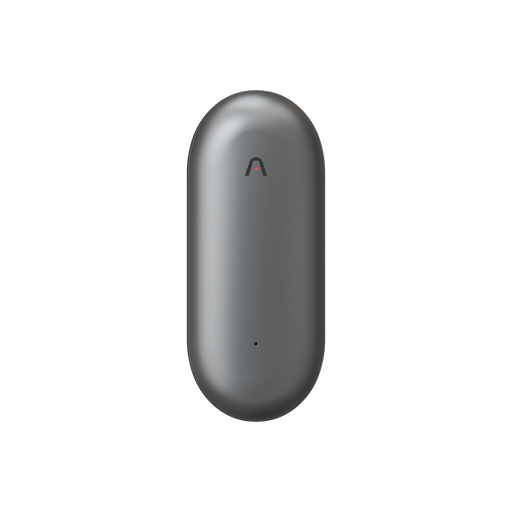
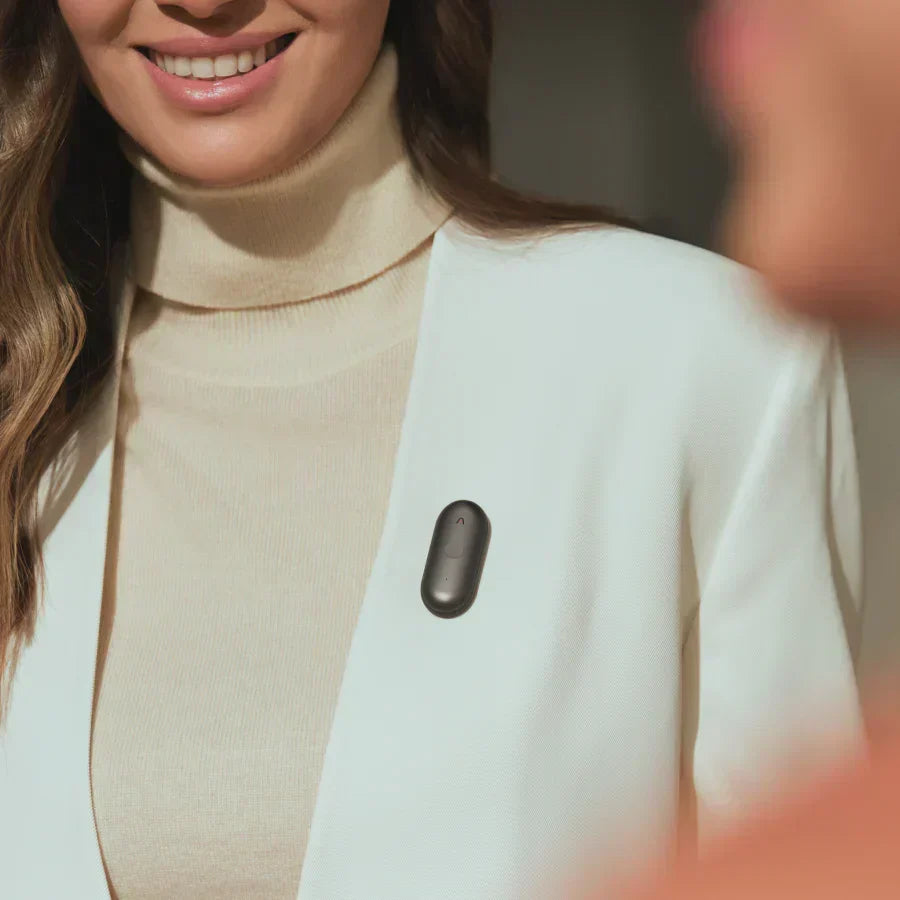
- Plaud NotePin clips to your shirt, wrist, or lanyard for hands-free recording
- Dual mode recording for phone calls, in-person meetings, virtual meetings, and field recordings
- Two microphones (MEMS) and noise reduction for clear audio capture
- Automatic transcription with high accuracy (up to 98%)
- Automatic summaries, action items, and structured notes
- Searchable notes and transcripts
- 64 GB local storage and unlimited cloud history
- Strong privacy and compliance certifications (GDPR, HIPAA, ISO 27001, ISO 27701, EN18031)
Pros
- Ultra lightweight and discreet (Plaud NotePin weighs 0.59 oz)
- Long battery life (up to 20 hours continuous recording and 40 days standby)
- Generous free plan includes all AI tools and 300 minutes of transcription/month
- Responsive customer support (4.6 stars on TrustPilot)
Cons
- No voice-activated controls
- Must connect to Plaud app to use AI features
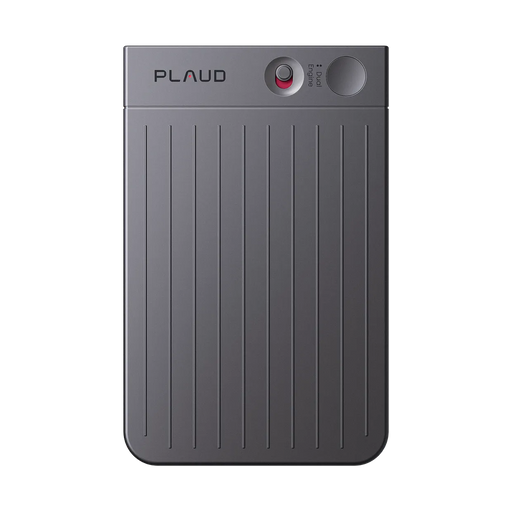
Plaud NotePin is a wearable AI recorder built for people who actually need their recordings later. It’s built specifically for business meetings, clinical work, face-to-face interviews, and lecture recording.
You press a button, record the moment, and Plaud turns it into usable notes. Later, you can edit your notes and even add images, which is helpful for meetings or lectures with slides or diagrams.
All of your notes and transcripts are fully searchable in the Plaud app, which includes unlimited storage for free.
Plaud devices have super long battery life, so you can wear them for days or even weeks without a recharge. Other AI wearables don’t last nearly as long, sometimes just a day before you need to recharge.
Maybe the best thing about Plaud is that you get all of its AI features plus 300 minutes of transcription per month without a subscription. That’s an incredible amount of value!
That’s why over 1.5 million students, professionals, and clinicians use Plaud to help them become more organized and productive.
We highly recommend the Plaud NotePin for a wearable that easily clips to your clothing or accessories. Our flagship Plaud Note is a pocket-friendly version that travels anywhere.
Bee: Ambient Wearable AI for Memory and Summaries

Price: $49
Key features
- Always-on ambient listening
- Automatic daily summaries and reminders
- Screenless, lightweight wearable
- Companion mobile app for review and search
Pros
- Completely hands-free
- Very easy to use
- Long battery life (up to 7 days)
- Seamless integration with Google services, such as Google Calendar
Cons
- Privacy concerns, especially now that it’s been acquired by Amazon
- Less control over what gets recorded
- Not designed for structured notes or work-related output
Bee is our top pick for ambient wearable devices because it’s affordable and easy to use.
Instead of pressing a button to actively start a recording, the Bee AI wearable listens to everything that happens to you throughout the day and turns it into summaries, reminders, and memory prompts.
It’s more of an AI memory companion than a productivity tool.
Bee works best for people who want help remembering conversations, ideas, or patterns, without stopping to “take notes.” It’s not ideal for meetings, classes, or clinical use where accuracy and structure matter.
Most reviews claim that Bee’s summaries and reminders are genuinely helpful. And, objectively, it’s one of the most affordable AI wearables. But it’s best for personal reflection and light memory support, not serious documentation or productivity work.
Limitless: AI Pendant for Memory & Conversation Capture

Price: $99 (discontinued)
Key features
- Wearable pendant that clips to clothing or a lanyard
- Records and transcribes real-world conversations with AI
- Searchable summaries and transcripts via companion app
- Speaker recognition and summary organization
Pros
- Useful for reviewing transcripts of conversations
- Lightweight and discreet
- Focus on memory capture and recall
Cons
- No longer sold to new users
- Privacy concerns, especially now that it’s been acquired by Meta
The Limitless pendant was one of the more talked-about wearable AI pendants in the early AI hardware wave. It was a tiny device that would record what you said and summarize it for later review.
It’s a lot like Bee in that it’s an AI assistant focused on memory and recall. Like Bee, it’s got privacy issues around the legality of constant recording. In many states, recording someone without their consent is illegal, so you need to be careful. Always read up on the laws in your state.
In late 2025, Meta acquired Limitless and stopped selling new units. We just want to keep it here because it could make a comback. It was a very popular device, and we suspect that Meta has plans to reintroduce it.
Omi - Wearable AI Assistant for Custom Summaries and Tasks

Price: $89
Key features
- Always-listening audio capture and real-time transcription
- Automatic summaries, action items, and reminders
- App ecosystem with third-party integrations (Google Drive, calendar apps, etc.)
- Open-source platform enabling community apps
-
Worn as a pendant, necklace, or clip-on wearable
Pros
- Compact and low-cost compared with many AI wearables
- Summarizes conversations into useful takeaways
-
Open app marketplace expands capabilities
Cons
- Always-on audio capture raises privacy questions
- Accuracy and usefulness depend on the recording environment
-
Dependent on smartphone connectivity
Omi is an always-on wearable AI assistant that turns your life experiences into helpful notes and tips. It records and transcribes what it hears throughout the day, then turns those conversations into summaries, reminders, and tasks you can review in the app.
One cool thing about Omi is its open-source app ecosystem, which lets developers build integrations and plugins that extend what the wearable AI can do. For example, if you want Omi to help you get better sleep, you can download a community app, and Omi will use the info it gathers throughout your day to help you achieve your goal.
We like Omi, but it’s more for self-help than professional recording and transcription. It doesn’t have key features that professionals need, like transcript editing and multimodal inputs.
Ray-Ban Meta (Gen 2) - AI-Enabled Smart Glasses with Camera & Voice AI

Price: ~$350–$500, depending on style and retailer
Key features
- 12 MP ultra-wide camera with photo/video capture up to 3K resolution
- Meta AI voice assistant answers questions, takes commands, translates, etc.
- Up to 8-hour battery life on a single charge
- Open-ear speakers and microphones for music, calls, and voice AI
-
Bluetooth plus app support for syncing with your phone
Pros
- True hands-free AI interactions using voice assistant and camera
- Available in several styles
- High-quality audio from 5 built-in mics
Cons
- Not a productivity device for work notes or structured tasks
- Camera plus mic raise many privacy concerns
- Not built for summaries and data organization
- Expensive
Ray-Ban Meta (Gen 2) smart glasses integrate Meta AI, cameras, open-ear audio, and
hands-free voice controls to turn your eyewear into a multimedia device.
You can ask the AI questions aloud, capture photos and videos from your point of view, and handle calls or music without pulling out a phone.
We really enjoyed this AI wearable for capturing content and listening to music. If you post a lot on social media, you’ll probably get a lot of use out of the image and video capture tools.
But when it came to audio recordings, it was really only useful for very basic voice memos and reminders. For example, you can tell it to take a note like, “Remember to make dinner reservations for Friday evening.” But it won’t summarize your conversations, create notes, and help you achieve your goals. For that, you need an AI recording device like Plaud.
Muse Ring One: The AI Ring for Advanced Health Insights & Payments

Price: $300–$350
Key features
- Continuous biometric tracking (heart rate, oxygen, sleep, activity)
- Blood pressure estimation and advanced health metrics (including respiratory rate and HRV)
- NFC-enabled contactless payments and secure tokenization
- 7-day typical battery life with smart charging case
-
App support with custom insights and goal tracking
Pros
- Tracks more advanced health metrics than most wearables
- Payments only work when wearing the ring
- Long battery life
-
Durable titanium and ceramic design
Cons
- Payments often fail, especially in certain regions like the U.S.
- Health insight accuracy can vary
-
High price for what is primarily health-centric data
The Muse Ring One is a health-centric smart ring that made a big splash on Indiegogo for its promise of advanced health tracking. In the end, it allegedly has a few bugs, but it pushes AI wearables forward by measuring vitals like blood pressure and offering continuous biometric insights.
Ring One also handles contactless NFC payments, so you can buy stuff without a phone or wallet. According to reviewers, these payments don’t always work. But the team at Muse is busy working the kinks out.
Ring One is not a listening device, so don’t expect voice activation or any note-taking tools. But if your priority is health tracking, this has the potential to be one of the best.
Evie Ring: The Only Smart Ring Designed for Women’s Health

Price: $269
Key features
- Tracks heart rate, SpO2, temperature, respiration, and sleep quality
- Monitors menstrual health and related symptoms with daily summaries
- EvieAI app provides personalized insights and daily overviews
-
Water and scratch resistance
Pros
- No subscription fees
- 4+ day battery life
-
Comfortable open-design ring that adapts with finger changes
Cons
- Some users report inconsistent data accuracy
-
Limited Android support and less integration with broader ecosystems
The Evie Ring is a health-centric smart ring designed for women. It’s designed to track and connect biometrics like sleep patterns, menstrual cycles, heart rate, and oxygen levels into one daily summary that’s easy to check in an app.
Users can ask EvieAI questions and gain insights regarding their health. Just be careful, as no AI is qualified to give medical advice.
We like Evie because you get 100% of its features out of the box. There’s no subscription, so you only pay once. That’s how we do things at Plaud, too (you get 100% of our AI features and only pay if you need more transcription minutes). It’s rare to find an AI wearable without ongoing fees.
Moonwalkers AI Shoes: Adaptive Robotic Walking Shoes

Price: $1,000 - $1,400
Key features
- AI-driven gait controller that adapts to your natural stride and speed
- Electric motors and multiple wheels underfoot boost your walking speed up to around 7 mph (~11 km/h)
- Straps on over your existing shoes, so you don’t need new footwear
- Quick charging (about 30–90 min for a full or quick charge)
-
Shift app monitors battery, modes, and settings
Pros
- Makes long walks a lot faster and less tiring
- Uses AI to adjust performance based on your gait and pace
-
Strap-on design works with most shoes
Cons
- Heavy, bulky, and not very subtle
- Not a wearable AI assistant
- Very expensive
We’ll be honest, we haven’t tried Moonwalkers AI shoes. They’re too expensive, and while we trust AI to take excellent notes, we don’t yet trust it enough to strap robotic wheels to our shoes.
We also suspect this would be a workplace dress code violation for most companies…
Having said that, these are very cool gadgets. If you need to get somewhere fast, Moonwalkers will do the trick. They use adaptive AI to boost your walking speed, turning regular steps into powered pushes without increasing your effort.
They can also sense when you’re going up and down steps and adapt to terrain so you won’t fall (apparently). But for most, these aren’t essential AI wearables.
Garmin Smartwatches and Garmin Connect+: AI-powered Fitness Tracking, Health Tracking, and Social Features

Price:
Garmin Smartwatch: $100 - $800 (depending on the model)
Garmin Connect+: $6.99/month or $69.99/year
Key features
- AI-powered personalized insights based on your activity and health data
- Nutrition tracking with AI analysis of how diet impacts training and sleep
- Real-time activity sharing and tracking from your phone and watch
- Customizable charts, graphs, and analytics for deeper health and training insights
-
Social and motivational features for training goals
Pros
- Adds AI-powered summaries and guidance to Garmin’s already strong health tracking ecosystem
- AI nutrition feedback and barcode scanner are really useful for determining how meals affect recovery and performance
-
The app works with Garmin watch hardware you may already own
Cons
- Not a hardware wearable AI assistant (you must subscribe to the Garmin Connect+ app to use AI features)
- Some users feel early AI insights are basic
- Features are useful for health and nutrition data but don’t replace true AI wearables
Garmin Connect+ is an AI subscription tier and not a standalone hardware product. With it, you can essentially turn your Garmin smartwatch into an AI wearable. It takes Garmin’s top-notch health and fitness tracking to the next level with more personalized health and activity insights, diet and training assistance with Active Intelligence, and perks like LiveTrack and performance dashboards.
If you already own a Garmin watch, subscribing to Garmin Connect+ may be a cheaper and more reliable way to access AI wearable features without buying a new device. However, Garmin’s tools are all heavily fitness-focused, so if your body isn’t your focus, it’s not the right choice.
Honorable mentions
Here are a few more AI wearable devices you might find interesting. They didn’t make our list, but they’re still worth exploring.
- Rabbit R1: A handheld AI device that feels like a tiny assistant rather than a wearable. It’s got voice interactions, touchscreen, translation, and task automation capabilities.
- Nirva AI Jewelry: A wearable pendant/bracelet that journals your day and tracks your emotional state.
- Mudra Link: This neural wristband allows you to control your other smart devices with wrist movements and gestures. It’s not exactly an AI (yet), but it is cool.
- Friend: A personal AI companion that listens to everything you say and interacts with you via text.
AI Wearables Buying Guide
We know it’s not easy to figure out which wearable AI gadget to buy, so we want to give you some insights based on our experience. This AI wearables buying guide will walk you through the things you should think about before you make a purchase.
What Are the Key Features of Wearable AI Devices?
Most AI wearables are focused on a core benefit, like health-based smart tracking or AI note-taking. They may not have all of the following features, but they should have some.
- Real-time transcription & summaries: AI agents and tools turn recorded audio into text and notes.
- Contextual memory & reminders: The AI can record and remind you of what you said before.
- Voice-activated assistant features: Use your voice to control the device (ask questions, record audio, translate, etc.), for hands-free simplicity.
- Biometric health tracking: Track your sleep, heart rate, stress levels, and more to learn about your health.
- Emotion or behavior analysis: These tools measure your voice and other patterns to give insights into your mood.
- Wearable form factor: All of these devices should be wearable, keeping your hands free (rings, glasses, clips, pendants).
- App integrations: Connect to apps and turn what you capture into actionable insights, calendar items, or searchable logs.
Use Case
Not all AI wearables are made for the same job. Here are some of the most common AI use cases.
- Productivity-focused: Tools like Plaud AI recorders capture lectures or meetings and turn them into actionable data you can use later. They're one of the best ways to be more productive at work school.
- Health-centric: With a focus on wellness and fitness, these AI devices analyze biometric data and give tips on how to achieve your goals.
- Hands-free assistants: People on the go can record, make calls, and give commands without lifting a finger.
- Memory Assistants: Wearables like Bee and Limitless summarize your life based on your daily interactions and highlight the important points.
- AI companions: Need a friend? AI companions are for socializing, advice, and sometimes even romance.
Before focusing on specs, think hard about what you want your AI wearable to do for you. They all have impressive features, but if they don’t make your life easier, they’ll probably wind up in your junk drawer.
Comfort
AI wearables are meant to be worn often, sometimes constantly. So, we recommend prioritizing comfort.
If wearable technology chafes your skin, you won’t wear it. Look at the size, weight, materials, and style to determine if you’ll find it comfortable and stylish. Bulky hardware with lots of features might perform well, but it may not be practical for all-day wear.
Privacy
Wearable devices collect an enormous amount of data from your daily life, and that data may travel to cloud servers or be transferred to third parties. That creates obvious risks, especially with always-listening microphones or cameras.
We recommend checking how a company handles encryption, local processing, and user consent. If you use your AI wearable for work or sensitive purposes, check that the company has strong data security certifications, such as ISO 27001, HIPAA, and GDPR.
Also, keep in mind that you may violate others’ privacy rights (and the law) by recording them without their consent. This is something you have to consider constantly when wearing an always-on AI recording device.
Plaud prides itself on its data privacy standards.
Reputation
AI is a massive buzzword, and some companies are trying to cash in on the hype without delivering quality.
Some products are real, tested hardware from known brands, and others are concepts or crowd-funded hype that may never ship or won’t hold up long term.
Before making a purchase, check YouTube reviews, Reddit posts, TrustPilot reviews, and other trusted sources. A crowdfunding page is not enough to determine a product’s reputation. Also, check customer support policies and return policies to make sure you’re not getting scammed.
Practicality
Lastly, think about practicality. Are you really going to use this tool? Do you have any real use for it? For example, do you really need a $1400 pair of AI roller skates if you rarely commute by foot?
AI wearables are still a new space, and it’s easy to get swept up in features that sound great but only matter in specific scenarios. Always ask: “Will this save me time or effort daily?” If you’re not sure, try a more focused tool first.
The Best Wearable AI Devices of 2026: The Verdict
Wearable AI can be powerful when the features match your use case, and the device is comfortable, private, and backed by a reputable company. We believe that the tools above are (or were) useful and well-made.
Are they all perfect? No. But AI wearables are new tech that sometimes needs a helping hand.
Luckily, some AI wearable devices have achieved a high level of accuracy and reliability, even in professional settings. We’re talking about Plaud Note and Plaud NotePin (of course).
Plaud devices are built for recording clear audio, accurate transcription, and turning your recordings into knowledge you can actually use. Plaud is simple enough to use every day, and it’s powerful enough to reduce hours of tedious tasks to minutes.
It’s made for students, businesspeople, medical professionals, journalists, researchers, and anyone who needs reliable AI-powered transcription and notes.
The bottom line is, Plaud is an AI wearable that works the way it’s supposed to, so you can too.