Welcome to Plaud’s guide to wearable tech in healthcare. We’ve got some exciting developments in the healthcare industry to share with you today.
In this guide, you’ll learn what wearable health tech is and how it’s used today by consumers and healthcare professionals.
At Plaud, we design HIPAA-compliant AI note takers used by healthcare workers all over the world for patient interviews, clinical trial documentation, medical dictation, and more. We understand how wearable AI devices can improve the lives of consumers and healthcare professionals.
We also know that there are lots of different medical wearables, which can be a bit confusing. For example, some are consumer grade devices available to anyone, such as fitness trackers. Others may require a prescription, such as Continuous Glucose Monitors (CGM), which help diabetics monitor their blood glucose levels.
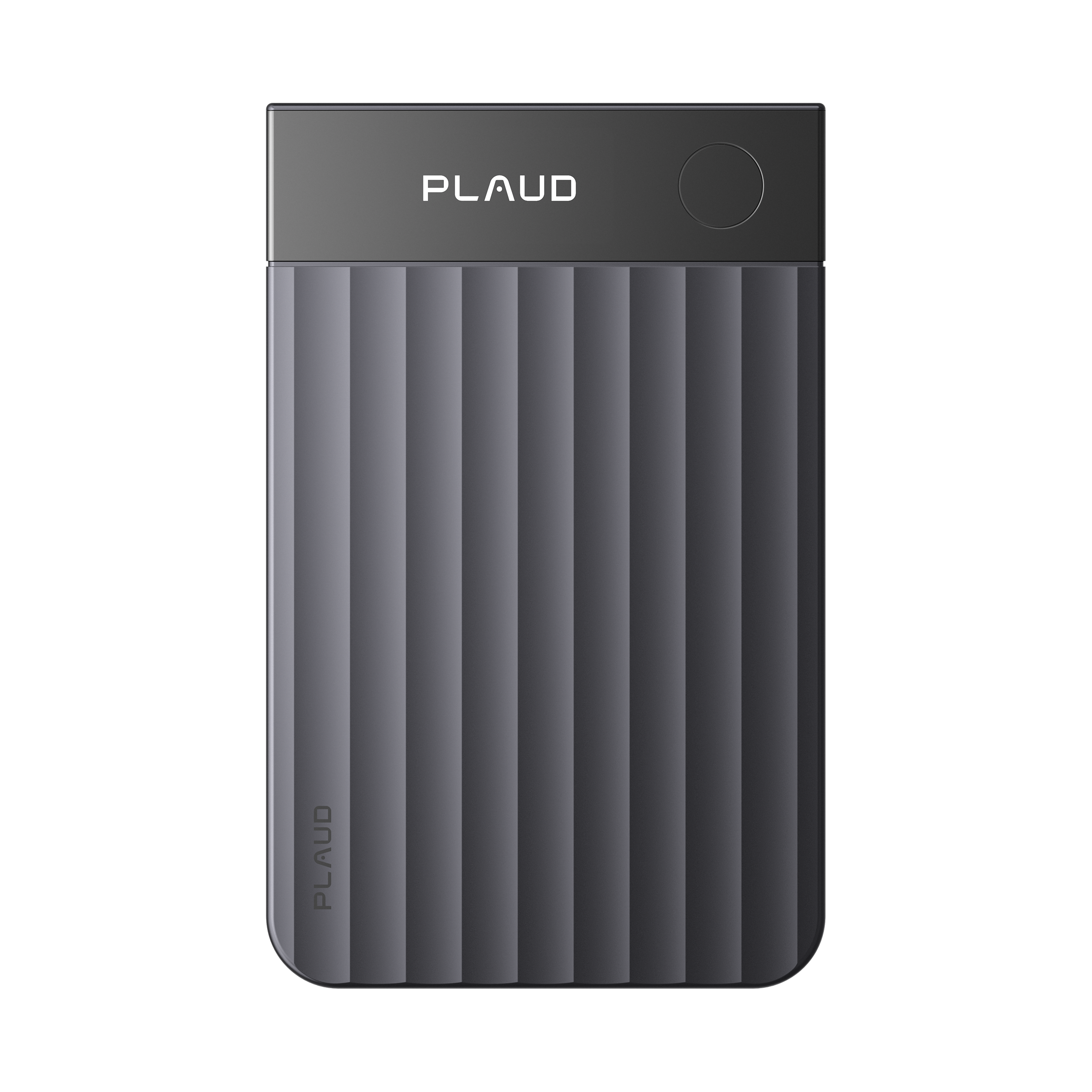
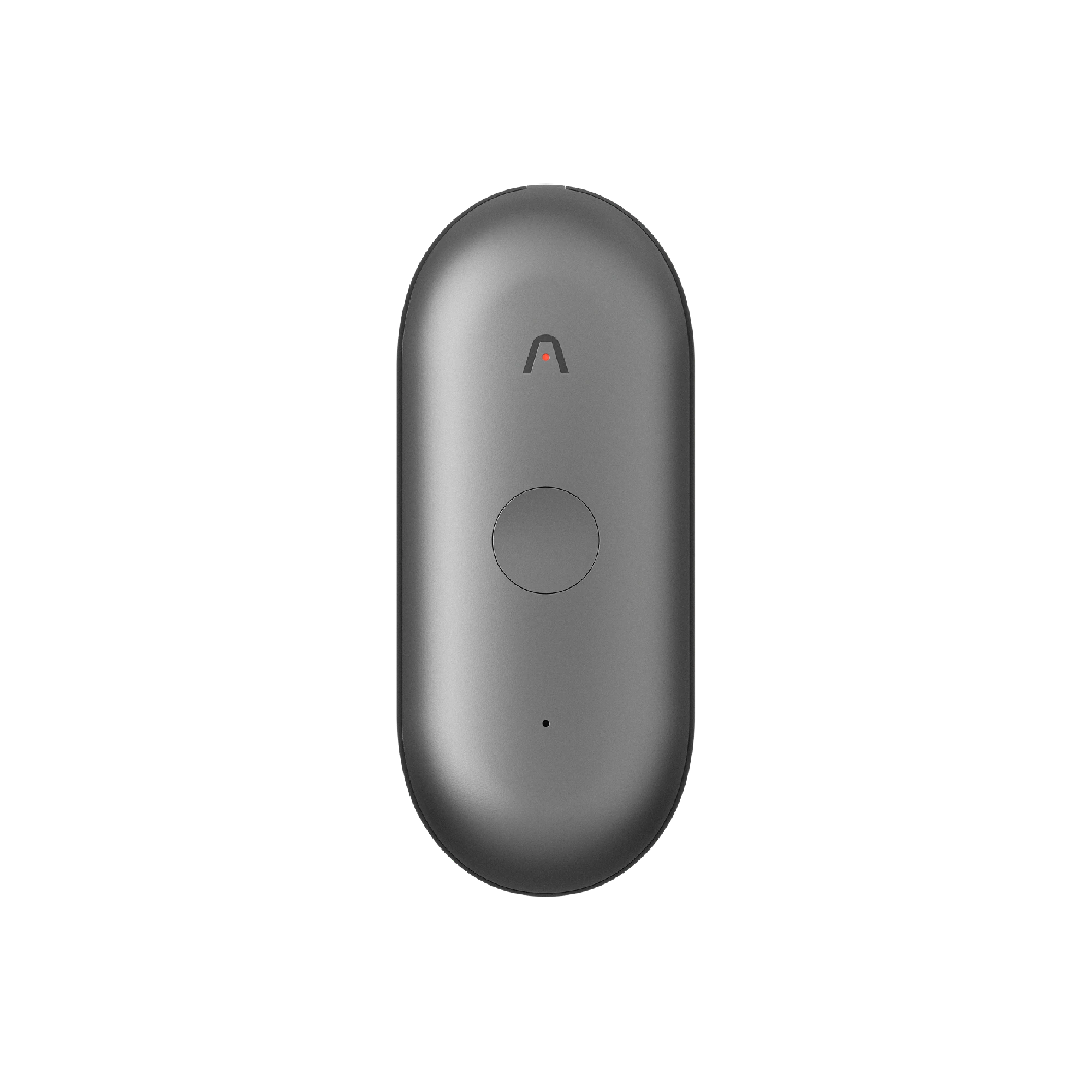
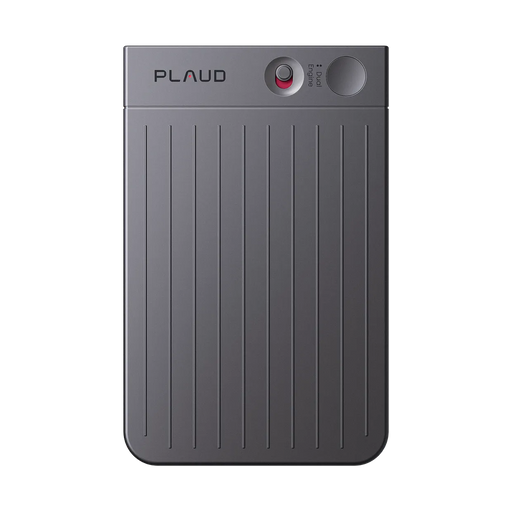
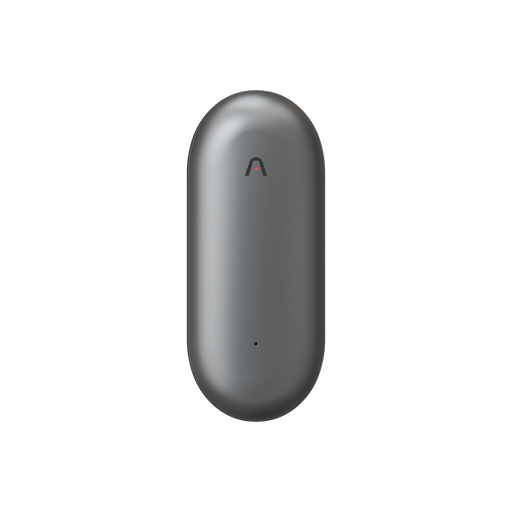
Others, like Plaud NotePin, don’t track health data at all. This clip-on voice recorder helps healthcare professionals do their jobs more effectively by automatically transcribing voice recordings and generating detailed notes.
Below, we’ll give you a clear explanation of what wearable tech is and how it’s used in healthcare today. You’ll also learn the most common device types, practical use cases, and the limitations you should know before trying one.
What is Wearable Healthcare Tech?

Wearable healthcare tech is any AI you wear on your body that collects health-related information in real time. It includes AI pendants, AI rings, smart patches, and other compact tools that work in the background while you go about your daily routine.
Some of the most popular include fitness trackers and smartwatches. Millions of people use these for tracking heart rate (HRM), sleep patterns, activity levels, ECG readings, and general wellness.
Other wearable AI health devices are used in professional healthcare settings to support documentation and monitoring. For example, researchers may use patches or biosensors to monitor patient data without the need for constant check-ups.
Overview of the Wearable Healthcare Tech Industry
The wearable healthcare tech industry has grown quickly over the last few years, thanks to new technology like generative AI.
A study published in JAMA Network Open that was cited on the National Heart, Lung, and Blood Institute's website found that around 1 in 3 Americans use a wearable device to track their health or fitness. Wearable health tech in clinical trials is also on the rise across research categories by as much as 52%, according to the study, RWD138 Rising Adoption of Healthcare Wearables in Clinical Study Design, in the medical journal Value in Health.
New devices can do a lot more than the basic heart-rate monitors of the past. They combine advanced sensors, artificial intelligence, and wireless connectivity to make the data far more useful in the real world.
For example, a wearable with ECG and blood oxygen sensors can collect data continuously and sync to an app or healthcare platform. Patients and care teams can receive alerts and intervene sooner if data patterns suggest an issue. Or, if everything appears stable, they can reduce unnecessary in-person appointments.
All this information can sync securely with apps, EHR systems, or existing healthcare platforms without manual transfers.
Here are more ways wearable health tech is used today:
- Continuous or remote patient monitoring
- Long-term trend tracking between visits
- Post-procedure and recovery observation
- Mobility and activity tracking
- Support for preventative care programs and disease monitoring
- Wellness and risk awareness initiatives
Common Types of Wearable Tech for Health

There are many types of wearable tech for health, including smartwatches, glucose monitors, biosensors, and AI note takers. Here are a few of the most common gadgets used by consumers and healthcare professionals today.
- Smartwatches: Smartwatches are the most widely used health wearables (you might be wearing an Apple Watch right now). They commonly track heart rate trends, movement, sleep patterns, and activity levels.
- AI Note takers: Medical professionals use AI-powered note-taking devices to support documentation and improve care. They allow clinicians to capture spoken information word-for-word during patient interactions and review or organize it later.
- Glucose monitors: Continuous glucose monitors are often worn by diabetics to track glucose levels throughout the day. Some OTC options are available for non-diabetic consumers too. These devices take frequent readings and present trends over time.
- Smart rings: Smart rings are convenient to wear all the time, so they’re ideal for collecting data on sleep, movement, and certain physiological signals over long periods.
- Pendants and necklaces: Wearable pendants and AI jewelry are commonly used for monitoring and alerts, particularly in elderly care and assisted living settings. They can alert users of fall risks or remind them of activities like taking medication.
- Patches/biosensors: Often used in clinical trials and hospital monitoring, wearable patches and biosensors stick directly to the skin and collect continuous physiological data. For example, they might monitor changes in the levels of a certain hormone. They are usually intended for short-term use.
What Are the Use Cases of AI Wearables for Doctors, Nurses, and Patients?
Doctors, nurses, and patients use AI wearables for a variety of activities. Patients wear them for biometric monitoring, while doctors and nurses use them to improve productivity and communication.
Here are the most common use cases:
Note-Taking
Healthcare workers need to document patient interactions accurately and exhaustively. Wearable AI note-taker tools help them record audio during consultations, therapy sessions, or rounds and turn it into structured notes later.
This way, healthcare workers can give their full attention to patients and colleagues without having to divide their attention by taking notes.
The medical field has many standardized formats for note taking, including progress notes, therapy notes, and general clinical documentation. AI tools like Plaud allow healthcare professionals to customize how notes are generated according to compliance standards. This can save lots of time and headaches for busy workers.
Training Material
Wearables are sometimes used to capture real-world scenarios for education and training purposes. Staff or trainees can review recorded sessions, demonstrations, or walkthroughs to support learning or improve the quality of services.
Patient Monitoring
Another amazing application of healthcare wearables is the monitoring of patients outside of scheduled appointments. These devices can track activity patterns, biometric signals, and basic vitals over time as part of remote monitoring programs.
These devices are very popular in care environments (such as nursing homes), where they are used for fall detection and observing changes in blood oxygen saturation.
This provides doctors with a lot more data, and may lead to improved diagnosis and care. A recent study in The Journal of Personalized Medicine, titled Empowering Patients and Transforming Healthcare in the Post-COVID-19 Era: The Role of Digital and Wearable Technologies, suggests that AI health wearables can also empower patients to improve their health. It mentions advantages like early detection, improved remote monitoring, and reduced risk of medical error.
Overall Health Monitoring
Patients and general consumers use wearables for day-to-day health awareness. This includes tracking sleep, activity levels, and general wellness trends.
By using a wearable, you might discover over time that having a glass of wine before bed causes you to wake up more often during the night. Or that going for a jog in the morning lowers your blood pressure throughout the day.
When someone goes to a medical appointment, these devices may also provide useful background info without being treated as diagnostic data.
Post-Op Communication & Care
After procedures like surgeries, wearable devices can help support follow-up appointments and recovery. They measure data continuously between visits, allowing healthcare professionals to get a more complete context of the recovery process.
Patients may use wearables to track recovery-related activity or share trends during check-ins, while care teams use that information to guide conversations and next steps.
What Are the Benefits of AI Devices in Healthcare?

The benefits of AI wearables in healthcare include boosting the efficiency of medical staff, improving data collection, and reducing friction between healthcare providers and patients.
Wearable tech can help doctors and patients communicate more effectively. This may actually lead to better treatment results, according to the study, Good Communication between Doctor-Patient Improves Health Outcome in the European Journal of Medical and Health Sciences.
Here are more benefits of AI devices in healthcare:
-
Continuous monitoring: Wearable devices can collect data over long periods instead of relying on brief measurements during appointments. This allows healthcare teams to review trends over time rather than single snapshots.
-
Accurate and fast note-taking: For healthcare workers, AI-assisted documentation means less time spent writing or typing notes. Healthcare workers can also customize how their AI device generates notes and summaries to help maintain consistent records.
-
Time savings: Automating routine tasks such as data collection and documentation frees up time for direct patient interaction. For patients, they may have to show up for appointments at the hospital far less often.
-
Cost savings: AI tools generally perform tasks more cheaply than their human counterparts, especially when those humans have advanced medical training. Remote monitoring also reduces administrative costs and helps healthcare organizations operate more efficiently.
-
Patient insights: Wearable AI can provide extra health info and measurements that patients might not remember or report accurately. This information can support more informed conversations and help guide personalized treatment discussions.
-
Better patient engagement: When patients can see their own trends and activity summaries, they may engage more in follow-up discussions and care planning.
How to Integrate and Use Wearable Tech in Your Practice
Integrating wearable healthcare tech into your practice may be easier than you think. It usually doesn’t involve major changes to your processes. Think of it as an upgrade to what you already do.
Hospitals, clinics, and private practices typically start small, then expand the use of these devices to support the Internet of Medical Things (IoMT).
IoMT is a network of connected medical and health-related devices that securely share data across systems. Wearable tech works as a part of that network. Data moves from the device to an app or platform, then into internal systems where medical staff can review it.
This all happens in real time. It’s a much faster way to process information than the traditional method of meeting patients face-to-face, filling out forms, and inputting data into disconnected electronic databases.
Here are a few practical factors to consider when incorporating wearable devices into your practice:
- Develop clear policies around when and how wearable data is reviewed
- Define ownership for monitoring and follow-up
- Train staff on interpretation and documentation, not device management
- Create strong data security and access controls
Privacy and Data Security Challenges

Wearable healthcare tech raises real privacy and data security questions, especially when devices collect sensitive health-related information over long periods of time. These concerns relate to patient privacy, AI bias, and the reliability of data.
Here are some of the biggest challenges:
-
Data storage and access: When data moves across devices and systems, it becomes more exposed to potential leaks.
-
Patient consent and transparency: Patients, especially the elderly, can have a hard time understanding difficult tech-related concepts about how data is collected, used, and retained.
-
Device security: If a device is lost or stolen, patient data can be put at risk.
-
AI bias: AI algorithms may develop bias against minority or marginalized groups. This happens when training data sets are incomplete.
-
Data reliability: Patients are usually not under surveillance when using medical devices. They’re living their day-to-day lives. This makes it harder to understand the factors influencing the collected data.
-
Regulatory compliance: Compliance standards are still adjusting to the modern IoMT, and that can create hurdles when using wearable health gadgets.
The medical community is aware of these risks and is taking steps to reduce them.
Which Practices Benefit the Most From Wearable AI Tech?
The practices that benefit most from wearable AI tech are those that need to capture, process, and share data consistently.
Remote monitoring and telehealth practices may seem like the most obvious to benefit from wearable AI devices, but organizations across the board are adopting this tech for a number of reasons.
Doctors/Nurses
In clinics, wearable tech is used to support monitoring, documentation, and continuity of care. Devices can help measure trends between visits, reduce gaps during shift changes, and support more consistent records without increasing manual workload.
For example, wearable tech may reduce the necessity of in-person appointments. This may improve wait times for patients and reduce the workload for staff.
Therapists
Wearable AI tools like note takers help therapists document sessions in a discreet way, which may encourage a more relaxed environment for patients. They also allow therapists to devote their attention to patients during sessions instead of writing notes.
Dentists
Wearables like AI recording devices can help dentists with documentation during consultations, treatment planning discussions, and post-visit follow-ups. They’re especially useful for dentists, who often have their hands full during patient care.
Physical Therapists
Wearable devices are commonly used to track activity patterns and recovery progress in physical therapy. They can also help therapists understand patients' physical activity between sessions. This gives therapists data-based context during check-ups so they don’t have to rely solely on patient self-assessment.
Further Reading: Read this guide on using AI to monitor chronic conditions to learn how ai tools like Plaud are aiding patient recovery.
Retirement Homes and Hospice
In long-term and assisted care settings, wearables can give patients more agency by allowing staff to monitor them remotely. They’re often used for fall detection, activity awareness, and tracking trends such as heart rate or sleep. These tools also support staff coordination by helping maintain consistency across shifts.
Corporate Wellness
Wearable tech is becoming more common in corporate wellness initiatives. Employers may invite staff to take part in wellness-related activities and offer incentives by paying for fitness trackers, gym memberships, or mindfulness apps. Personal wearable devices can help promote general well-being in the workplace without exposing anyone’s medical records.
Further Reading: If you're interested in corporate wellness and productivity, you'll love this guide on effective time management with ADHD.
Plaud AI: The Wearable AI Note Taker for Healthcare Workers
Plaud AI is a wearable AI note-taker that records audio for interviews, medical dictation, field research, and therapy sessions. It then automatically transcribes spoken audio and generates summaries, structured notes, and action items.
Plaud is designed to help healthcare professionals capture and organize spoken audio more effectively. Clinicians can record discussions and review them later. Researchers can transcribe interviews and generate compliance-ready summaries in minutes. And doctors can save hours re-listening to dictation with AI that transcribes and highlights key points.
Medical staff trust Plaud because it’s highly accurate and secure. It achieves up to 98% transcription accuracy, and it’s HIPAA compliant for use in healthcare environments.
Here are a few more reasons healthcare workers choose Plaud:
- Captures phone calls, online meetings, in-person conversations, and field recordings
- Long-lasting battery (30 hours of continuous recording and 60 days on standby)
- Dual mics and noise reduction for clear voice recording in many environments
- Large on-device storage (64 GB) and unlimited cloud storage
- Custom templates for compliance-ready notes and summaries
- Lightweight and discreet
- Strong data security (HIPAA compliant)
- Free plan includes all AI tools + 300 minutes of transcription per month
Plaud AI takes care of tedious tasks like transcription and note taking so medical professionals can spend more time helping patients (or getting the rest they deserve). If you’re a healthcare worker who spends way too much time poring over notes and forms, Plaud may be the solution.