La mayoría de los sistemas de segundo cerebro fallan en el paso de Captura: la información oral de reuniones y llamadas nunca entra en el sistema, independientemente de lo bien que esté organizado el resto. Este artículo cubre qué información se pierde, por qué la capa de captura falla y cómo la captura de voz cierra la brecha.
Qué es realmente un segundo cerebro (la versión que importa)
Nota: en neurociencia, "segundo cerebro" se refiere al sistema nervioso entérico en el intestino. Este artículo usa el término para el marco de gestión del conocimiento BASB de Tiago Forte.
Un segundo cerebro es un sistema externo para capturar, organizar y recuperar información que de otro modo olvidarías. El concepto proviene del GTD de David Allen y fue formalizado como "Building a Second Brain" (BASB) por Tiago Forte (Forte, 2022).
El marco opera en cuatro pasos: Capturar, Organizar, Destilar, Expresar (el modelo CODE). El sistema falla más a menudo en el primero.
Sistema de segundo cerebro vs. memoria de trabajo humana
El modelo de Baddeley sitúa la capacidad de la memoria de trabajo en aproximadamente cuatro fragmentos de información retenidos simultáneamente en el búfer episódico, vinculando entradas verbales y visuales brevemente antes de que se desvanezcan. Las aplicaciones que la mayoría de las personas usan para los sistemas de segundo cerebro (Notion, Obsidian, Roam) manejan bien Organizar, Destilar y Expresar. Ninguna de ellas resuelve la Captura de información oral.
Para una comparación de diferentes enfoques de captura, la comparación de métodos de toma de notas cubre el rango en detalle.
Por qué la mayoría de los sistemas de segundo cerebro dejan de funcionar después de 30 días
Los sistemas de segundo cerebro fallan en el paso de Captura, no porque la aplicación sea incorrecta, sino porque la mayor parte de la información en el día de un trabajador del conocimiento es oral, no escrita.
Cuatro tipos de información que los trabajadores del conocimiento pierden cada día:
- Ideas y decisiones de reuniones y llamadas
- Observaciones de conversaciones en persona
- Pensamientos durante los trayectos, paseos o antes de dormir
- Comentarios verbales dados en revisiones, recorridos y reuniones individuales
La escala es significativa. Los trabajadores del conocimiento asisten a un promedio de 27.9 reuniones por mes, y el 47% considera que la mayoría de esas reuniones son improductivas (Atlassian, State of Teams 2023). Ese volumen de entrada oral genera decisiones, elementos de acción e ideas, la mayoría de los cuales nunca llegan a ningún sistema.
La memoria no aguanta el ritmo. Una hora después de encontrar nueva información por primera vez, las personas olvidan un promedio del 56% de ella sin una codificación activa, y más del 76% al final del día (Murre & Dros, 2015). El plan de "añadirlo a Notion más tarde" falla antes de la tarde.
La base de datos de Notion se llena con artículos guardados y recortes web porque son escritos, digitales y fáciles de capturar en el momento de la lectura. Las reuniones, llamadas y conversaciones requieren una transcripción manual, realizada después de que la memoria de trabajo ya se haya degradado. Así que se quedan fuera.
La causa raíz no es la disciplina de curación. Es que no hay una ruta directa para la entrada oral en el sistema.
Qué información le falta a tu segundo cerebro ahora mismo
La brecha de información en la mayoría de los sistemas de segundo cerebro no son artículos o páginas web. Es la capa oral: reuniones, llamadas, conversaciones e ideas que ocurren en voz alta.
| Tipo de información | Cómo la captura la mayoría de la gente | ¿Llega al segundo cerebro? |
|---|---|---|
| Notas de reuniones | Escritura manual después de la llamada | Normalmente no |
| Información de llamadas de clientes | Memoria | Raramente |
| Brainstorming en persona | Foto de la pizarra | A veces |
| Ideas en el trayecto o en la ducha | Nota mental | Casi nunca |
| Webinar o podcast | Enlace guardado | Sí |
| Artículo o correo electrónico | Copiar y pegar o extensión del navegador | Sí |
El patrón es claro: el contenido digital se captura de forma fiable porque ya está en un formato pegable. Las ideas más valiosas en el trabajo del conocimiento, las que surgen en la conversación en lugar de la lectura, son las que consistentemente faltan en el sistema.

Cómo la captura de voz llena el vacío en tu segundo cerebro
Añadir un dispositivo de captura de voz a tu sistema de segundo cerebro cierra la brecha entre lo que sucede en la conversación y lo que llega a tus notas.
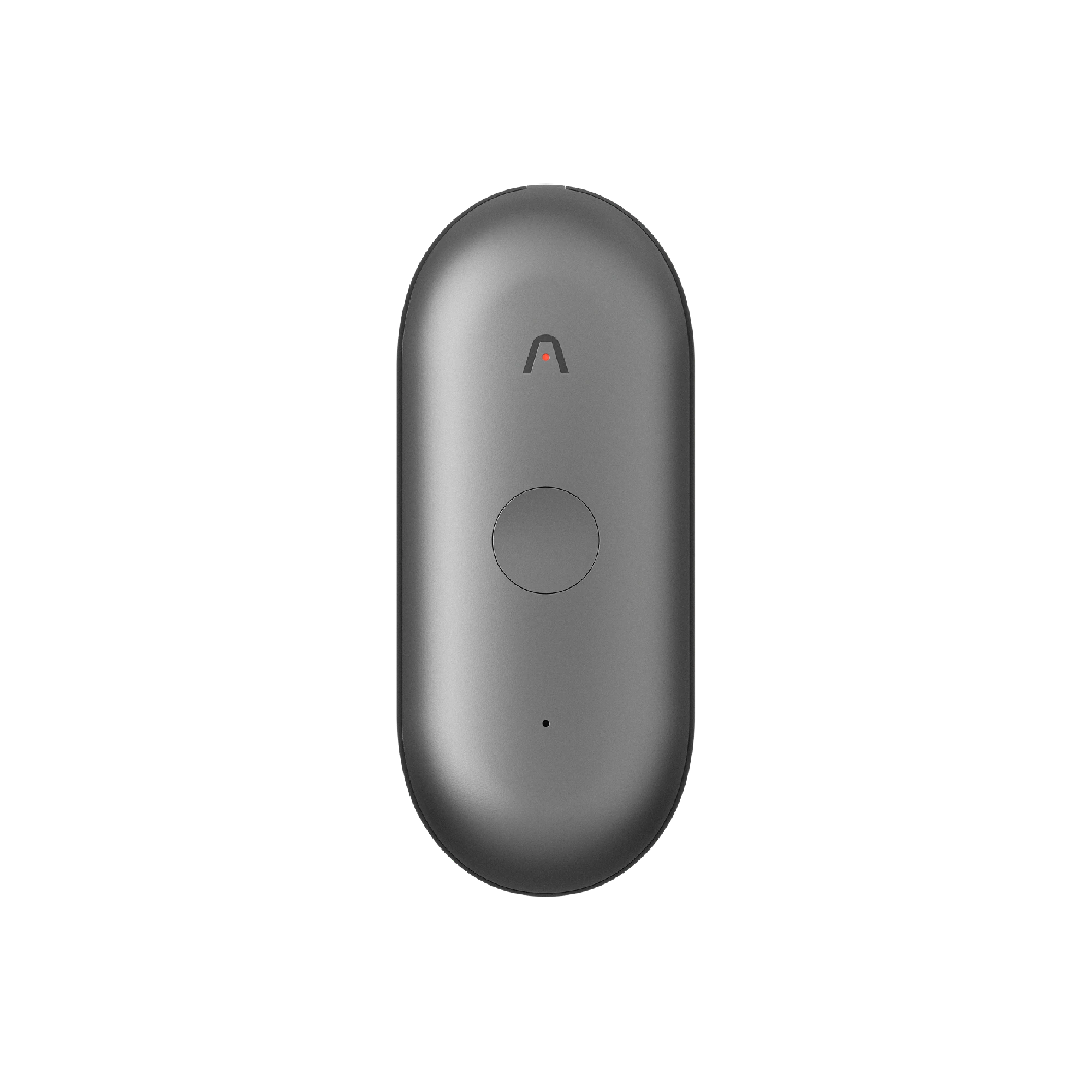
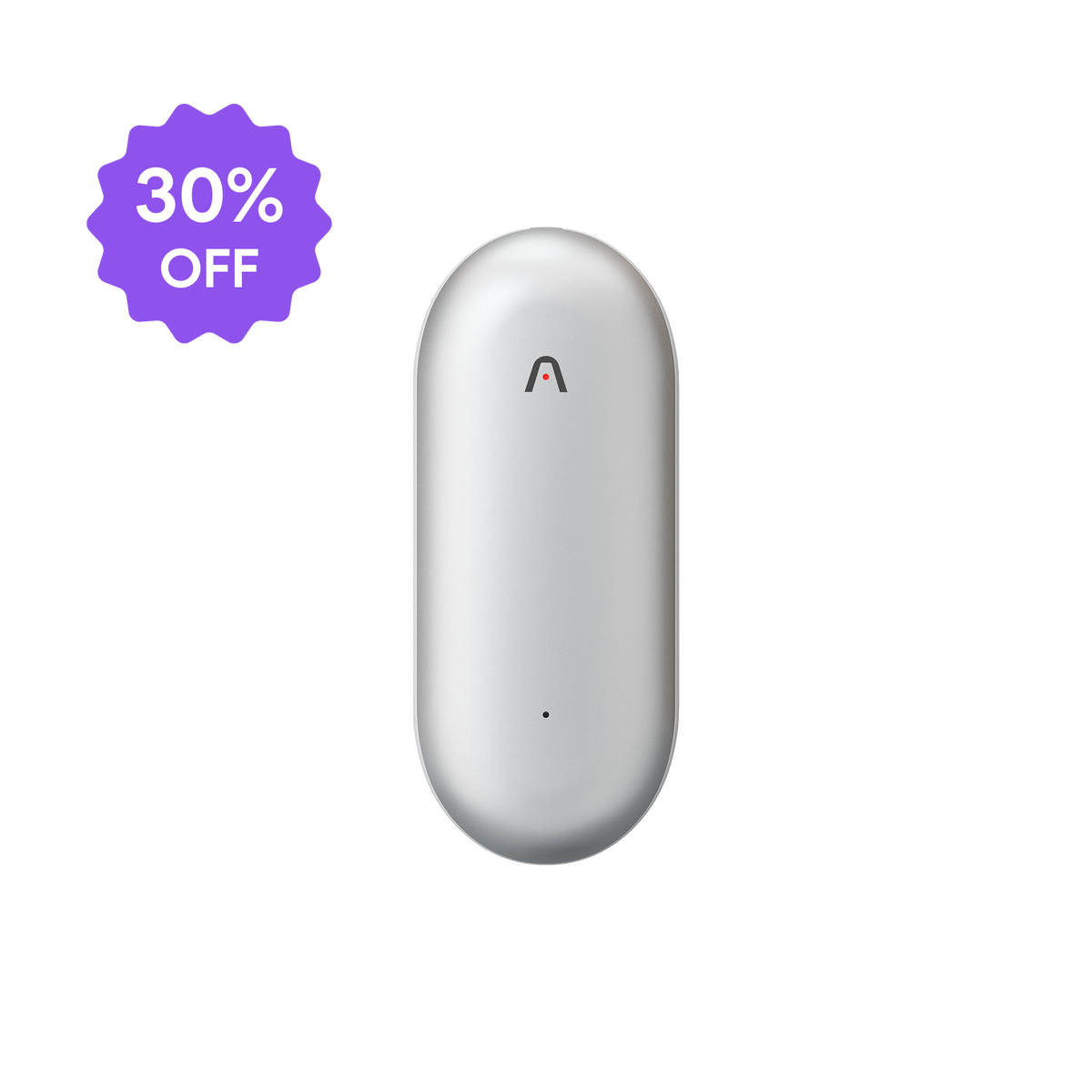
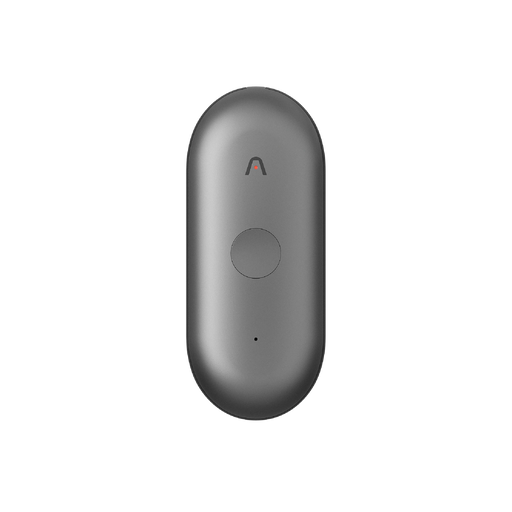
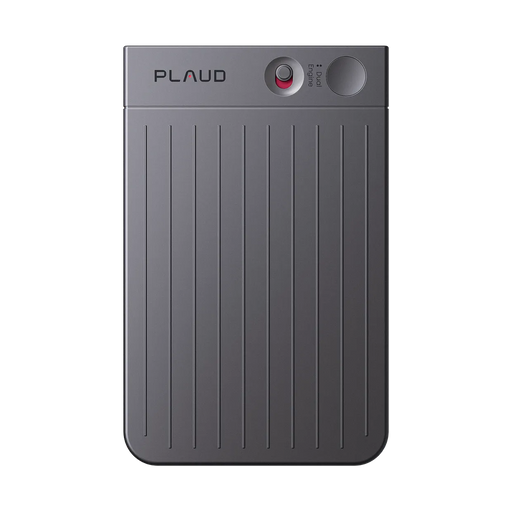
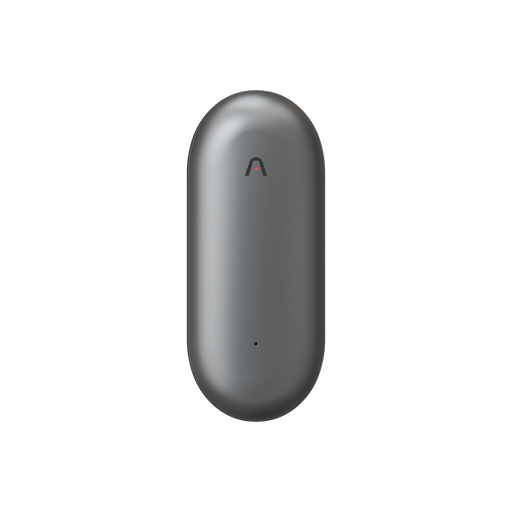
Plaud NotePin S es un grabador de notas de IA físico portátil que se lleva como un pin, clip o cordón. Presiona una vez para empezar a grabar, y la transcripción llega a la aplicación Plaud cuando termina la sesión. Un hilo de r/productivity capturó el instinto exactamente: "Tengo una libreta de bolsillo física que llevaría a todas partes". Plaud NotePin S es ese instinto, habilitado por voz.
- Reuniones de clientes y reuniones de equipo en persona
- Llamadas telefónicas y videollamadas
- Conversaciones en el lugar de trabajo y observaciones de campo
- Diario de voz individual entre reuniones
- Brainstorming durante el trayecto
Para una mirada más profunda al flujo de trabajo completo, la guía completa de los grabadores de notas de IA cubre las opciones en diferentes casos de uso.
La captura de voz cierra la brecha de entrada oral en la capa de Captura, pero no reemplaza el hábito de revisión. La información grabada pero nunca revisada tampoco llega al segundo cerebro en un formato utilizable. Los mismos pasos de Organizar, Destilar y Expresar aún se aplican una vez que llega la transcripción.
Cómo conectar la captura de voz a tu segundo cerebro (paso a paso)
Aquí tienes una configuración funcional que conecta Plaud NotePin S a Notion, de modo que cada conversación grabada termina como una entrada etiquetada en tu segundo cerebro.
- Sujeta el NotePin S y presiona el botón para empezar a grabar.
- Después de la sesión, abre la aplicación Plaud. La transcripción aparece automáticamente.
- Revisa la transcripción y resalta las secciones clave que vale la pena conservar.
- Usa la función Ask Plaud de la aplicación Plaud para extraer elementos de acción y decisiones clave como texto estructurado.
- Copia la salida formateada en tu base de datos de Notion de tu segundo cerebro con las etiquetas apropiadas.
Ask Plaud te permite consultar grabaciones anteriores: "¿qué decidí sobre el modelo de precios el mes pasado?" muestra la respuesta de tu historial de transcripciones sin búsqueda manual.

Para más información sobre el flujo de trabajo completo de exportación y resumen, el flujo de trabajo de transcripción y resumen de IA cubre el proceso en detalle.