
Interview notes are the written record of what a candidate said and how they performed against the role's requirements. Good notes turn a gut feeling into evidence you can compare across candidates, defend if a decision is questioned, and hand off to the next interviewer without losing detail.
Most interviewers write too little, too late, or without any structure. That gap shows up weeks later, when two candidates blur together and the debrief runs on memory instead of what happened in the room.
Why interview notes matter
A standardized interview process, backed by structured notes, gives every interviewer the same evaluation criteria and the same format to record answers in. Research from Brandon Hall Group and Glassdoor found that organizations without a standardized interview process are far more likely to end up with a bad hire than organizations that have one. The Society for Human Resource Management points out that a single bad hire, once you add recruiting, onboarding, lost productivity, and team disruption, can cost well into six figures.
Notes also protect fairness. When every interviewer scores against the same questions and writes down specific examples instead of vague impressions, it is easier to show that a hiring decision was based on job-related criteria rather than gut feel or bias.
What the law says about interview notes
Answer this before you worry about format: in the United States, the Equal Employment Opportunity Commission requires covered employers to retain personnel and employment records, including interview notes, for at least one year from when the record was made or the related employment decision was taken. This applies whether or not the candidate was hired. If a discrimination charge is filed, you must keep the records related to that charge until the case is fully resolved, even if that takes years.
A few practical rules follow from this:
- Store interview notes somewhere they will not accidentally get deleted with a candidate's profile, since the retention duty outlives most ATS auto-purge settings.
- Write about behavior and qualifications, not appearance, age, family status, or anything unrelated to the job. Notes are discoverable, and a stray comment can undermine an otherwise sound decision.
- Keep the same notes format for every candidate interviewed for a role. Consistency is what lets you show the process was fair.
- If you record the interview audio or video, tell the candidate first. If required by law, get consent from everyone on the call, and follow the rules in your state or country.

How to take interview notes during the interview
Good notes come from a consistent method, not from writing faster.
- Prepare the scorecard before the candidate joins. List the two or three questions you will ask for each competency, with space to note the answer and a rating.
- Use the STAR framework to structure what you write. For behavioral questions, jot down the Situation, the Task, the Action the candidate took, and the Result. This keeps notes comparable across candidates even when the stories are different.
- Write in shorthand. Fragments and abbreviations are fine as long as you can read them back an hour later. Full sentences slow you down and pull your attention off the candidate.
- Score right after each answer, not at the end. Waiting until the interview wraps up means your rating of the first answer gets colored by everything that came after it.
- Finish your notes within 30 minutes of the interview ending. Memory fades fast. Turn shorthand into a few complete sentences while the conversation is still fresh, before you move to the next call.
Interview notes templates and examples
Different interview formats call for different note structures. Pick the one that matches your stage of hiring.
Screening template (phone or first-round calls): candidate name, role, date, interviewer. Fields for years of relevant experience, key skills confirmed, salary and availability, and one open field for overall impression and any red flags.
Behavioral or STAR template (mid-to-senior roles): one row per competency being assessed. Each row has the question asked, a note on Situation and Task, a note on Action and Result, and a 1-to-5 rating with a short justification for the score.
Panel or calibration template (final rounds, multiple interviewers): the same rubric shared across every interviewer, each competency rated on a defined scale with a written anchor for what a 3 versus a 5 looks like. Sharing one rubric ahead of the debrief is what keeps a panel from arguing opinions instead of evidence.
Whichever template you use, build it before the interview, not during it. A blank page in the middle of a conversation is how notes turn into a scramble.
Common mistakes that weaken interview notes
A few patterns show up again and again in weak interview notes, and each one is easy to fix once you notice it.
- Writing verdicts instead of evidence. "Good communicator" tells the next reader nothing. "Explained a complex pricing change to a non-technical client in two sentences" tells them what happened.
- Different notes for different candidates. If one candidate gets three paragraphs and another gets one line, the comparison is not fair, and it will not hold up if a hiring decision is ever questioned.
- Recording tone instead of content. Notes on how nervous or confident someone seemed say more about interviewer bias than about job fit. Stick to what the candidate said and did.
- Losing the notes in someone's inbox. Interview notes need to live somewhere the whole hiring team can find them, not in a single interviewer's personal folder that gets cleaned out six months later.
- Skipping the write-up because the interview "went fine." An unremarkable interview is exactly the kind of interview that gets confused with another one two weeks later. Write it down anyway.
What to do with interview notes after the interview
Notes only help if they make it into the decision. After each interview, enter the notes into a shared evaluation form or your applicant tracking system, using the same categories every interviewer uses. Before the debrief, read back through each candidate's notes rather than relying on your memory of how the conversation felt. When the panel compares candidates, work from the written scores and examples first, and only then discuss overall impressions. This order keeps the loudest opinion in the room from outweighing what the notes show.
What to look for in an AI note-taking tool
If typing while interviewing pulls too much of your attention off the candidate, an AI note taker can pick up the transcription and structuring work. When comparing options, look for:
- In-person capture, not just call recording. Many tools only handle video calls. On-site interviews, career fairs, and walk-in conversations need a device that works without a laptop or a meeting link.
- Speaker labels and searchable transcripts, so you can pull up exactly what a candidate said about a specific project weeks later.

- Summary templates that map to your evaluation criteria, rather than a generic meeting recap that leaves you rewriting the summary anyway.

- Clear data handling. Ask where recordings are processed and stored, and whether the vendor holds recognized certifications such as SOC 2, ISO 27001, or HIPAA if you interview candidates for regulated roles.
- A visible way to get consent from the candidate before recording, since disclosure has to happen before the interview starts, not as a footnote afterward.
How Plaud fits into an interview note-taking workflow
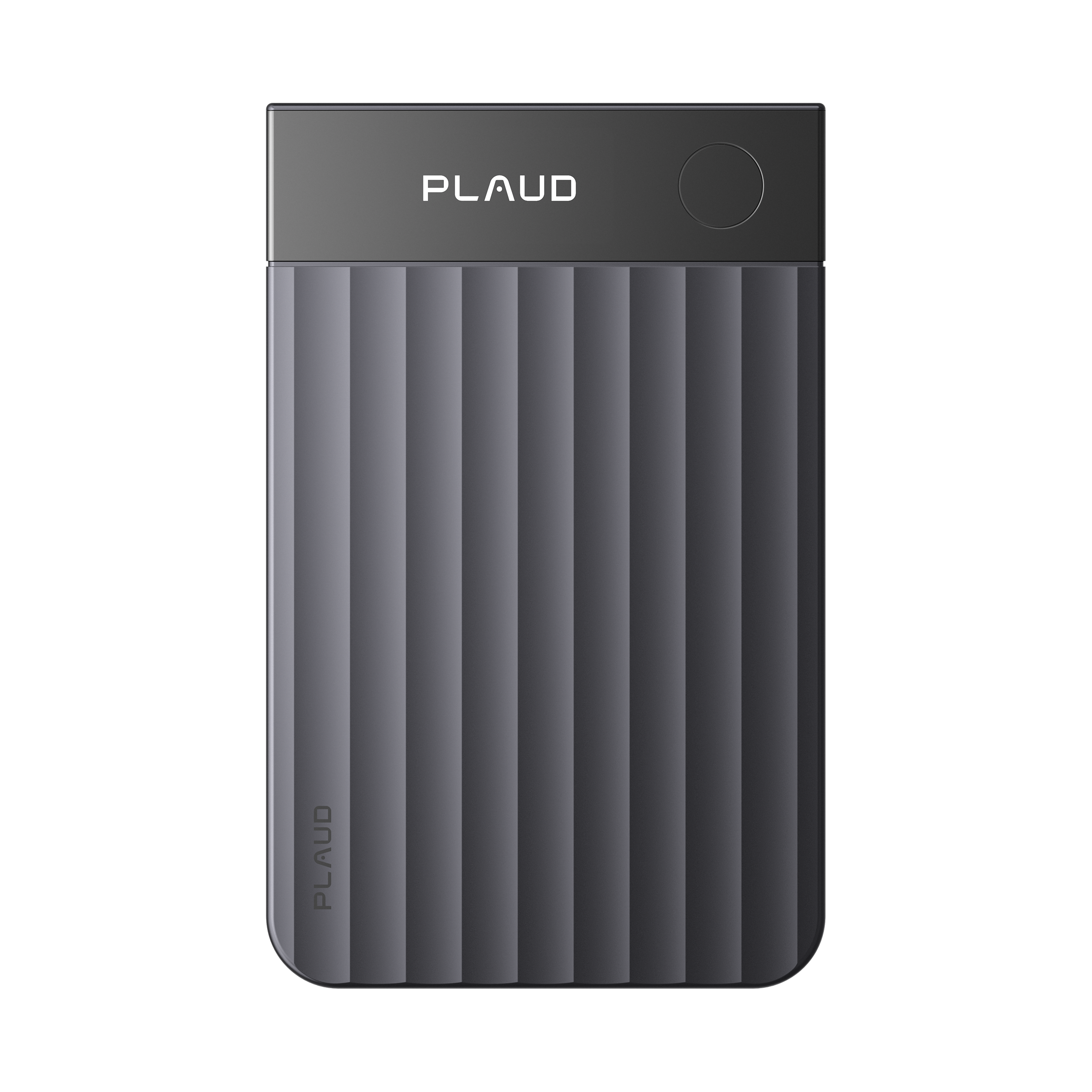
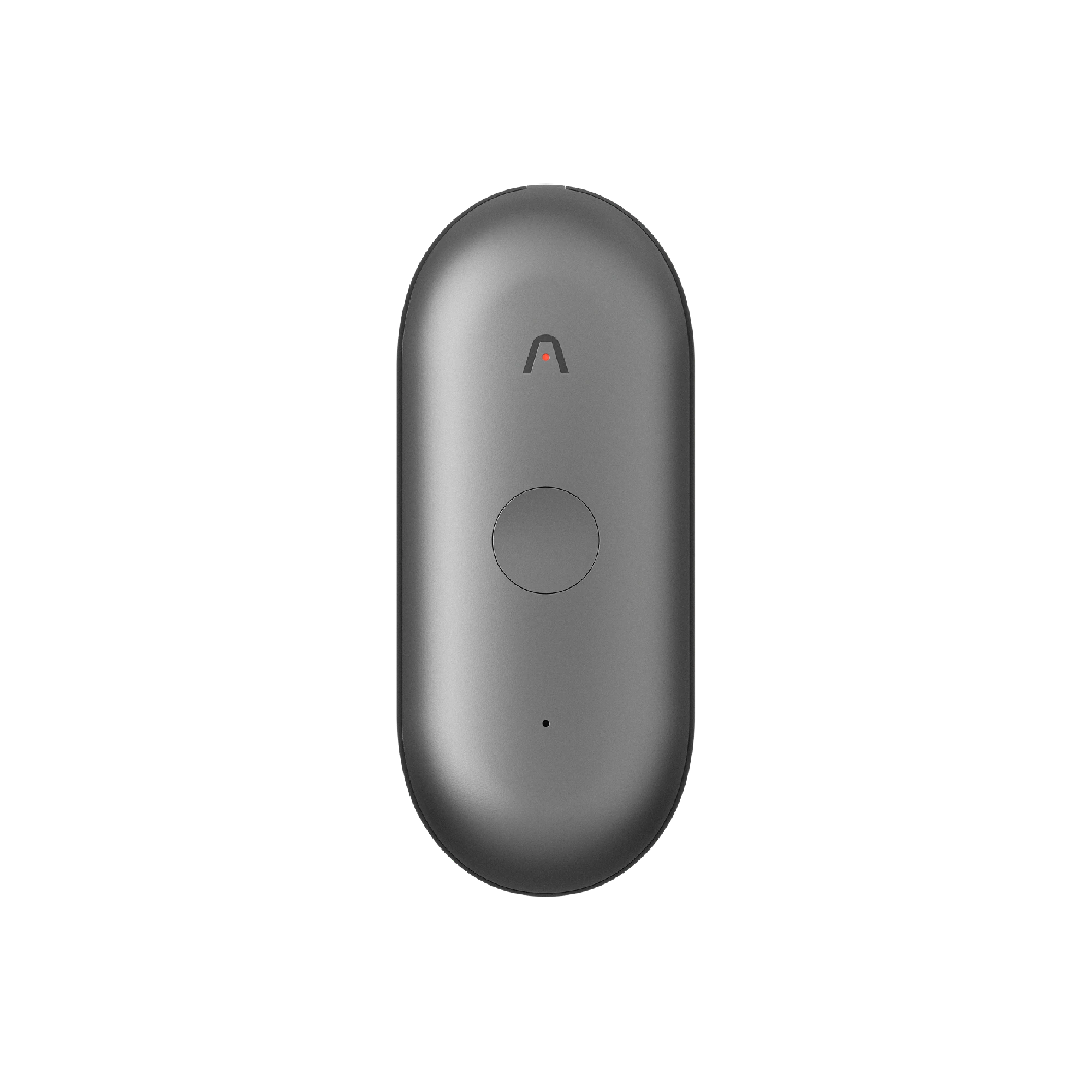
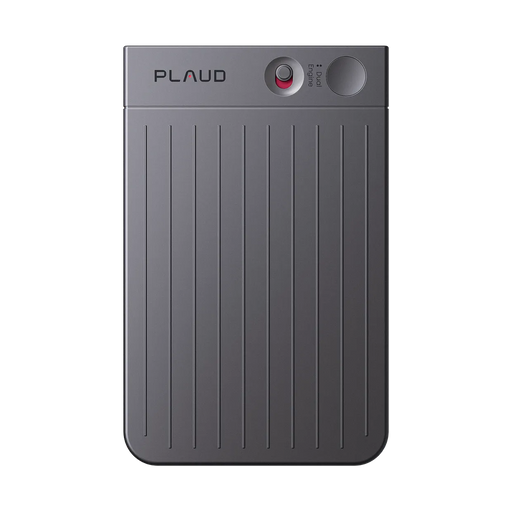
For structured, in-room interviews, Plaud Note Pro sits on the table and picks up voices clearly across a conference room, useful for panel interviews where multiple people are speaking from different distances. It runs Plaud Intelligence to turn the recording into a transcript and a structured summary, with interview templates built for capturing candidate strengths, concerns, and fit against the role.
Both devices sync recordings and summaries to the Plaud App, Plaud Web, and Plaud Desktop, so a hiring team can review a transcript together instead of relying on one person's handwritten notes. Data handling is covered under Plaud's trust and security program, including SOC 2, ISO 27001, and HIPAA compliance. Before you record any interview, take a moment to let the candidate know and get their okay.
Start with one shared template
Pick one notes template, share it with everyone on the hiring panel before the next round of interviews, and use it consistently. That single change, more than any tool, is what turns interview notes from scattered impressions into a record you can compare and defend.
Before you record an interview, let the candidate know and get their okay. If required by law, obtain consent from all participants and comply with applicable recording laws in your state or country.