Are you a student looking for a better way to take notes? Then this guide is for you.
This article will introduce you to 9 different note taking strategies that make it easier to record ideas and remember them later. To help you choose the right one, we’ll recommend note taking methods based on personality, learning style, and use case (the note taking methods you used in school are NOT the best for work meetings).
Read on to find the best method for your personality and needs. We’ll even throw in a few tips to help hone your note taking skills.
Ready? Here are the different types of note taking.
Method #1: The Outline Note Taking Method

What is the Outline Method?
The outline method may be the most efficient method of note taking. You’ve probably used it a bunch of times without even realizing it. It organizes information in a structured hierarchy using bullet points and indentation.
Who should use it?
This is an effective note taking format that takes zero prep, so it’s great for impromptu notes. It’s also super easy to outline on any word processor. All you need is the tab key (more or less) for effortless digital note taking. Those who need quick and relevant notes, like journalists, often prefer this note taking technique.
Pros
-
Extremely simple
-
Keeps ideas organized by importance
-
No setup required
Cons
-
Not great for visual learners
-
Hard to use if the speaker jumps around
-
Doesn’t highlight relationships between ideas well
How to use it
If you haven’t used the outlining method, it’s easy to start.
Align the main ideas to the left margin, and add any supporting ideas indented underneath. Sub-points go even further to the right and might have bullets or numbers.
This eventually forms several blocks of topics, indents, and bullets.
The clear structure mirrors how information is delivered in real life. When done well, you can glance at your notes and instantly see the big picture and the supporting details without rereading everything.
Method #2: The Cornell Method

What is the Cornell Method?
The Cornell note taking method divides your page into three sections: two columns and a summary section. There’s a section for notes, cues, and a summary. It’s best for lectures or making sense out of large dumps of information from textbooks, videos, or meetings.
Who Should Use it?
If you love (or need) structure, the Cornell method will whip your notes into shape. It breaks down topics in a way that makes sense visually, so you can easily recall them later. It’s not ideal for creative note taking or brainstorming, though.
Pros
-
Built-in system for reviewing
-
Encourages active recall (not just rereading)
-
Keeps notes organized and clean
Cons
-
Takes a little setup before you start
-
Can feel rigid during fast, messy discussions
-
Not ideal for brainstorming or creativity
How to use it
To master the Cornell method, divide your page into three sections: a large right-hand column for the most critical points, a narrow left column for cues or questions, and a summary section at the bottom.
During a lecture or meeting, focus on writing detailed notes on the right. Later, you add keywords or questions in the left column that relate to those notes. These are called cues, and they train your brain to recall info faster.
At the bottom, write a short summary in your own words. It’s that easy.
When it’s time to review, cover the main points and quiz yourself using the cue column. It forces you to think actively rather than just mindlessly scanning your notes.
Method #3: The Charting Method

What is the Charting Method?
The charting method of note taking organizes information into columns and rows. Use it to list factual material where categories repeat, like in science, law, or accounting.
Who should use it?
This is a great method for comparisons, so it’s useful for decision making in business meetings. Analytical thinkers like this one too, like researchers, scientists, and lawyers.
Pros
-
Makes comparisons easy
-
Great for memorizing data heavy content
-
Forces organized thinking
Cons
-
Requires some setup
-
Doesn’t work well for unpredictable discussions
-
Not ideal for big-picture or creative topics
How to Use it
The charting method of note taking organizes information into charts. You set up columns based on categories and fill in each row across the chart. This might seem rigid, but it can actually work in a lot of situations.
In a business setting, columns might be “Channel,” “Cost,” “Audience,” and “Expected ROI.”
The goal is to identify repeating patterns. That’s great for memory but also for discovering new connections between ideas.
When you review later, you can instantly compare major points without having to hunt through pages of notes.
Method #4: The Flow Method

What is the Flow Method?
If you’ve ever heard of a flow chart, then you already know the flow method of note taking. This method works by connecting ideas in real time. We recommend it for brainstorming sessions and big-picture discussions.
Who Should Use it?
Flow note taking is popular with visual learners and those who despise bullet points. If you don’t like writing notes word-for-word, building flow charts can free your mind up for more creative thinking. It’s recommended for designers, authors, advertisers, and other creative roles.
Pros
-
Encourages active thinking
-
Helps identify relationships between ideas
-
Great for complex concepts
Cons
-
Can look messy
-
Harder to review
-
Not ideal for memorizing facts
How to use it
Instead of writing in neat bullets, the flow note taking method organizes ideas as they come. Topics and ideas are put into boxes and connected with arrows.
If a speaker explains a cause-and-effect relationship, you visually link those ideas. It’s not hard. All you have to do is draw a line and you’re done. If a topic branches into subtopics, you branch your notes too.
This is sometimes called the mapping method, because you’re essentially mapping how the information flows instead of just writing it down. At Plaud, we call them mind maps. Our AI note taker, Plaud Note can generate those too.
For visual thinkers, the flow method is often the best note taking method because it adds spatial context to ideas.
Method #5: AVID Note Taking

What is the AVID Method?
Also known as the focused note taking process, the AVID method has five phases that guide you from capturing notes to reviewing and reflecting on them. The phases are:
-
Take notes
-
Process notes
-
Connect thinking
-
Summarize learning
-
Reflect
AVID is commonly used in schools, but it works for basically anything.
Who Should Use it?
AVID is a study process and not a strict note taking structure. This makes it helpful for learning rather than just putting info on paper. Students, researchers, and trainees can use it to process info faster.
Further Reading: Check out our article on the best AI note-takers for students.
Pros
-
Built-in review system
-
Encourages deeper thinking
-
Helps improve study habits
Cons
-
More time-intensive
-
A bit structured and rigid
-
Requires follow-through after class
How to use it
The AVID note taking method follows five phases: take notes, process notes, connect thinking, summarize learning, and reflect.
First, you capture information during a lecture or meeting. Soon after, you go back and highlight key ideas, clarify confusing parts, and add questions. Then you connect concepts across lessons or topics (you can make a flow chart for this, if you want).
Next, you write a summary in your own words. And then, you reflect on what you learned and what still needs work.
This system is less about structuring notes on paper and more about reinforcing ideas in your mind.
Method #6: The Boxing Method of Note Taking

What is the Boxing Method?
The boxing method of note taking is another good option for visual learners. It separates each idea into its own box. It’s a personal favorite of ours here. This is helpful if you’re only covering a few topics. Otherwise, too many boxes can be overwhelming.
Who Should Use it?
Boxes keep notes organized and looking pretty, so this method is useful for people who can’t stand messy notes. It’s also common in apps like Notion or GoodNotes, where moving and resizing content is easy.
Pros
-
Visually clean and easy to scan
-
Works well for digital note taking
-
Makes review faster because ideas are chunked
Cons
-
Can take extra time to draw
-
Hard to manage if topics overlap
-
Not ideal for fast discussions
How to use it
This note taking method is pretty easy. Instead of writing in bullets or columns, you draw a box around each main concept.
Inside that box, you put definitions, examples, and key points related only to that topic. When a new idea begins, you start a new box. That’s about it.
Over time, your page fills with clearly separated sections, almost like mini note cards arranged on one sheet.
We really like this method for meeting notes, because you can box different clients, projects, teams, and tasks. It makes your notes visually pleasing to review later.
Method #7: Shorthand Note Taking

What is the Shorthand Method?
Shorthand note taking involves using symbols, abbreviations, or an entire compressed writing system to capture information faster. You can use it to take handwritten notes fast, but it has a steep learning curve.
Who Should Use it?
Are you always trying to keep up with the speaker when you’re actively taking notes? Learning shorthand for note taking can fix that. It’s especially useful for journalists, legal professionals, and students in dense lectures.
Pros
-
Massively increases writing speed
-
Helps capture more detail in real time
-
Useful for handwriting notes
Cons
-
Takes time to learn and practice
-
Notes can be hard to read later
-
Not ideal for visual learners
How to use it
There are two main approaches to shorthand for note taking. The first is learning a formal shorthand system like Gregg or Pitman, which replaces common sounds and words with symbols. In this case, your notes won’t be readable to anyone who doesn’t understand the system (this might include you, if you forget the “translation” over time).
The second is creating your own system of abbreviations, symbols, and shortened words. Instead of writing “marketing strategy,” you might write “mktg strat.” This helps you write faster, and you can always come back later to expand or rewrite your notes into something cleaner.
Method #8: Matrix Note Taking

What is the Matrix Method?
Matrix note taking is basically the same as charting. It organizes information into a grid where rows and columns compare themes across sources. It’s a visual, structured method for comparing related topics.
Who Should Use it?
Matrix note taking works well for fact-based research, comparisons, and writing research papers. We recommend it for people who want to visualize their ideas or identify patterns. It’s not ideal for unstructured note taking, such as brainstorming.
Pros
-
Good for comparing multiple sources
-
Helps with research and writing
-
Keeps complex information organized
Cons
-
Requires setup
-
Not ideal for live lectures
-
Too rigid for brainstorming
How to use it
To take matrix-style notes, start by creating a table.
Rows usually represent sources that you’re researching (articles, books, interviews, case studies). Columns represent themes or info you’re tracking.
As you study, you fill in the grid instead of writing separate summaries. Why do it this way? Because it forces you to extract only the info you need.
When reviewing notes, you can scan across rows and columns to see trends, contradictions, and supporting evidence instantly.
Method #9: Quadrant Note Taking

What is the Quadrant Method?
Our last method is quadrant note taking. As you might have guessed from its name, it divides your page into four sections, each with a specific purpose. It works best in situations where you already know what information you want to walk away with (decisions, risks, next steps, etc.)
Who should use it?
We recommend this note taking method to working professionals to use during meetings. In meetings and strategy sessions, you’re usually listening for specific things you can put into quadrants. It’s not as helpful for studying and brainstorming.
Read More: Check out our article on the best AI tools for studying.
Pros
-
Great for meetings and planning
-
Makes action items easy to spot
-
Simple setup
Cons
-
Limited space per section
-
Not ideal for lectures
-
Can feel restrictive
How to Use it
Setting up quadrant notes is simple. Just draw a line down the middle of your page, then another across, so you’ve got four boxes. Give each one a job, like “Key Points,” “Questions,” “Decisions,” or “Action Items.”
As information comes in, you sort it into quadrants in real time.
If something doesn’t fit into a quadrant, it’s probably not important. This cuts down on clutter and prevents unnecessary work for your poor hands.
When it’s time to review your notes, they’re already organized based on the info you knew you were going to need.
What is the Best Method of Note-Taking?
There is no single best method of note taking. It depends on how your brain processes information, the pace of the content you're working with, and what you actually do with your notes afterwards. There's no universal winner here. Some are good for certain people and other note taking methods are good for other types of people.
The most common note taking methods worth knowing are:
-
Cornell: Great for structured thinkers who like to review and summarize.
-
Mapping: Ideal for visual learners who think in connections and diagrams.
-
Outlining: Works well when content has a clear hierarchy.
-
Sentence: Best for fast-paced situations where you just need to capture everything quickly.
-
Quadrant: Useful for prioritizing and categorizing information.
The best thing you can do is match the note taking system to your learning style and the situation you're in. A lecture moves differently than a business meeting, and a visual thinker needs something different than someone who processes information linearly. We recommend that you test a couple out and stick with whatever helps the information stick in your head.
Our Top Tips for Effective Note Taking
Choosing the right note taking method is important, but it’s not everything. These note taking tips will help you improve your notes, boost recall, and save time.
1. Get an AI Note Taker (like Plaud)
Ok, we’re a little biased here. But if you’re looking for a way to take notes easily and actually use the information you learn, Plaud is going to blow your mind.
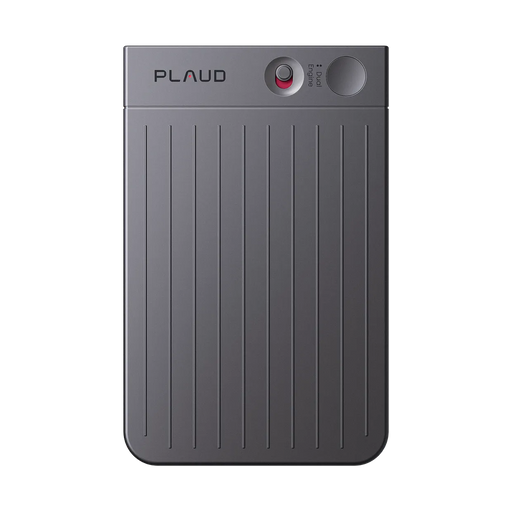
Plaud is an AI note taker that records audio, transcribes it into text, and generates digital notes based on anything you record. It’s like having someone take notes for you in any situation, whether it’s online, in person, or over the phone.
You can review your notes anytime on the Plaud app, search them by keyword, or grab info from them by asking questions to Ask Plaud, a personal AI built from your notes. You can also edit them and add images afterward, if needed.
If you hate scribbling notes, searching through old notes, or missing important chances to participate because you’re too busy writing, you need to try Plaud.
2. Don’t Try to Write Everything
Note taking isn’t the same as transcription. Good notes capture the basic info needed to trigger your memory. If you copy every word, you miss the point. And you’re going to burn out before lunch.
Structured note taking methods like the quadrant method or charting note taking method can help keep your notes under control if you tend to write nonstop.
3. Review Your Notes Within 24 Hours
Your memory decays quickly unless you revisit information soon after you record it. Make it a habit to spend 5–10 minutes reviewing notes right after the session and then again at the end of the day. If you do this, you may remember enough so that you don’t need to waste time searching through the same notes weeks later.
4. Use Visuals Whenever Possible
Visuals help you understand ideas a lot faster than words. Use diagrams, arrows, boxes, or charts whenever possible.
Another underrated benefit of visuals is that they distinguish one page of notes from another. When you’re searching through notes later, visuals may help you recall which notes came from what meeting.
5. Use Color
Using color in your notes makes them look pretty to your eyes and your brain.
When you highlight or write in different colors, your brain creates visual hooks that make information easier to find and remember. This works best if you match colors and categories consistently. For example, use one color for definitions, another for decisions, and another for follow-up questions.
F.A.Q
Q: What Are the 5 Note Taking Methods?
A: The five note taking methods are Cornell, Mapping, Quadrant, Outlining, and Sentence methods. Each one works differently, but all five are effective. It really comes down to which one fits your learning style and the type of content you're working with.
Q: What Is the Sentence Method of Note Taking?
A: The sentence method is a note taking approach where every new piece of information gets written as its own numbered sentence. You write each idea line by line as it comes at you. No hierarchy, no symbols, no mapping. It works best for fast-paced lectures or meetings where information moves quickly and you don't have time to organize it on the fly.
Q: What Are the 5 Cs of Note Taking?
A: The 5 Cs of note taking are Capture, Concentrate, Compile, Compare, and Check.
-
Capture: Get the key information down as it comes
-
Concentrate: Stay focused and don't write everything word for word
-
Compile: Organize your notes after the fact into something usable
-
Compare: Review your notes against the source material to check for gaps
-
Check: Go back through everything to make sure it's accurate and complete
Together, they give you a repeatable system that makes your notes useful after the lecture or meeting ends.
Q: Which Note Taking Method Is Best for Students?
A: There's no single best method. It depends entirely on how you learn. The Cornell method works well for students who like structure, since it forces you to summarize and review as you go. Outlining suits students who need to see hierarchy and relationships between ideas. Mapping is great if you're a visual thinker who connects concepts better through diagrams than lists. The sentence method works for anyone who needs to capture information fast without overthinking the format. Try a couple and see what sticks.
Q: Which Method of Note Taking Is Best for Visual Learners?
A: The mapping method is the best fit for visual learners. Instead of writing information in lines or lists, you build a diagram that connects ideas together using branches, shapes, and links. It mirrors the way visual learners naturally process information. By seeing relationships rather than reading through them. If a wall of text makes your brain switch off, mapping is the method that'll keep you engaged and help information actually stick.