Keeping up with lectures while actually understanding what's being taught feels challenging sometimes. You're frantically scribbling notes, and by the time you look up, the professor has moved on to three more concepts.
Or you spend hours reviewing your notes later, only to realize half of what you wrote doesn't make sense anymore.
In such cases, you need tools that can handle busy work so you can focus on actually learning. AI note-taking tools have gotten good enough to transcribe lectures, pull out the important notes, and help you organize everything when exam time rolls around.
The question is: which ones actually work? We have tested the top options to help you figure out what'll make your study life easier. Here's what you need to know.
How I figured out which tools are actually worth your time
Before you download another app that'll sit unused on your phone, think about what you actually need from it. Here are the things I looked at:
- Handles your actual study tasks: Tools that can record lectures, transcribe audio, summarize content, and organize notes. If it can't do the stuff you actually spend time on, it's useless.
- Gives accurate, usable summaries: You want something that understands context and gives you information you can actually study from, not summaries that miss important concepts or don't make sense.
- Easy to use across devices: The interface should be simple enough that you don't waste study time figuring it out. Check if it works on your phone, laptop, and tablet, and connects with apps you already use.
- Protects your privacy: Look for tools that follow privacy standards like GDPR or FERPA. Make sure you know what they're doing with your academic work and personal information.
The best AI tools you should actually use for note-taking
Here's what each tool can do for you:
| Tool | What you'll use it for | Free version | What makes it useful | Paid version starts at |
| Notion AI | Keeping everything organized in one place | Yes (limited AI) | Works inside your existing workspace | $10/month |
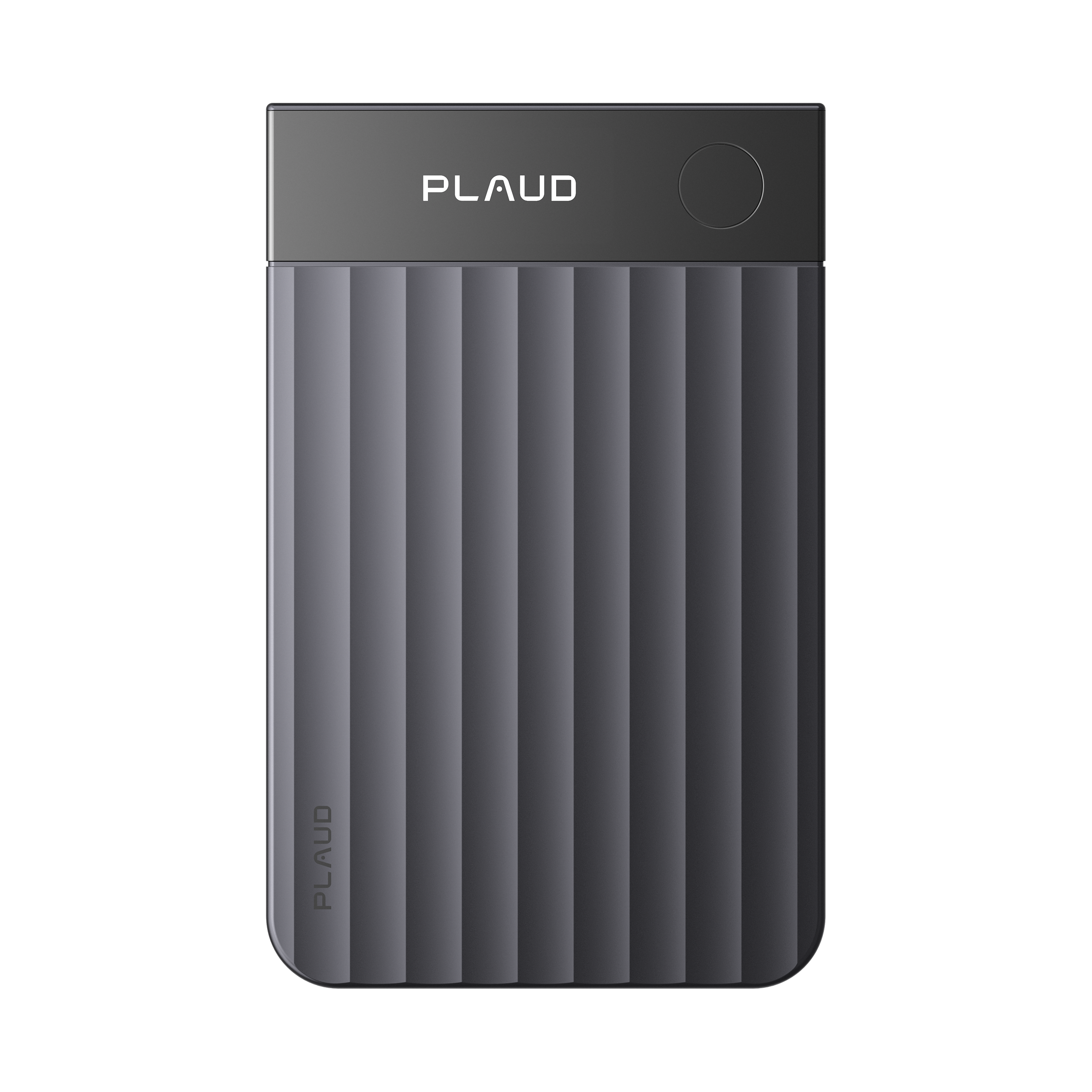
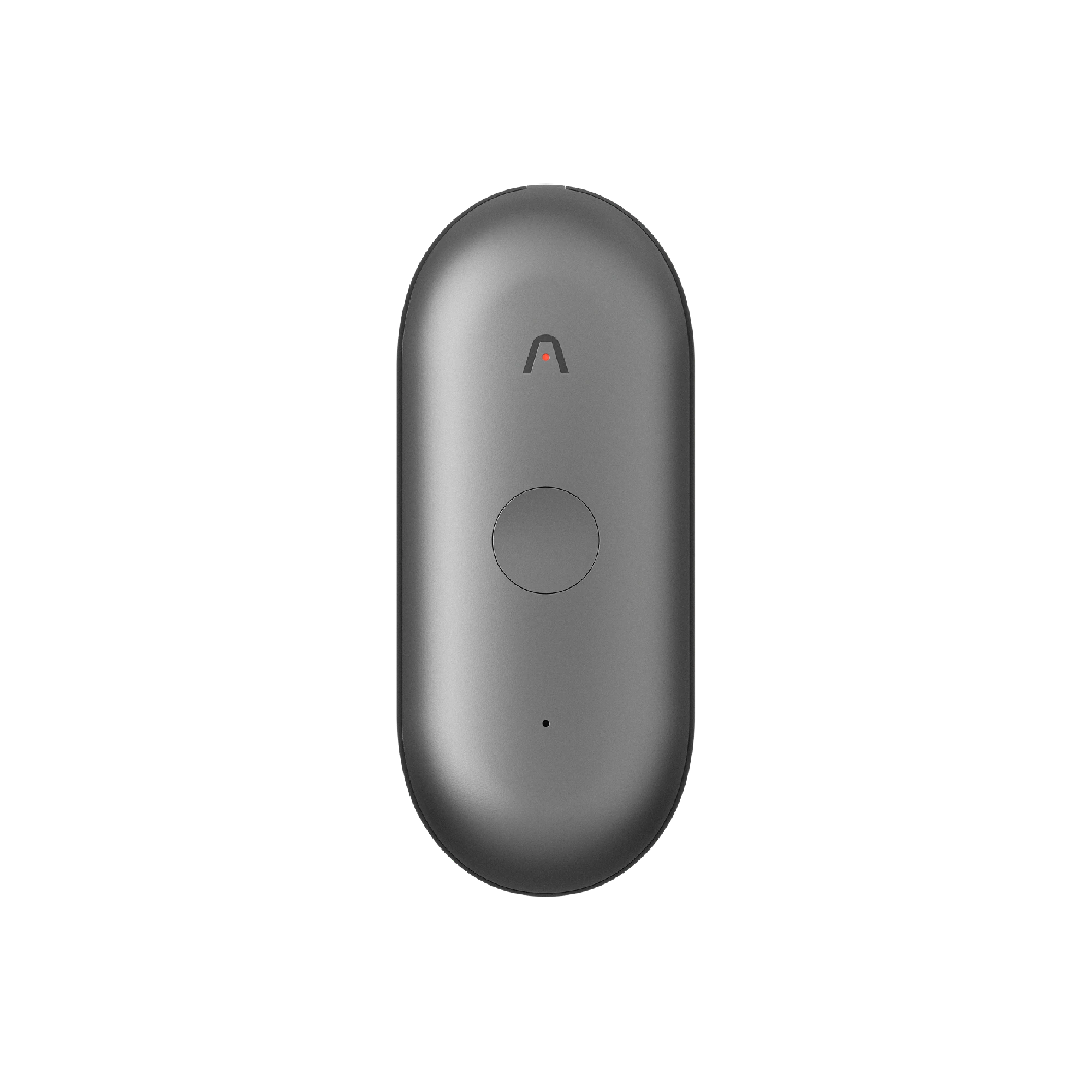
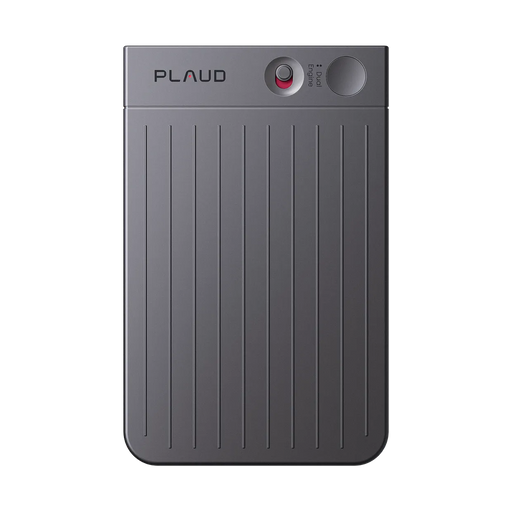
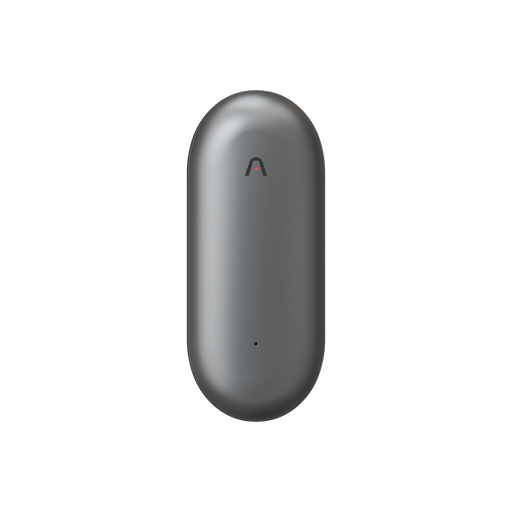
| Plaud NotePin | Recording and transcribing lectures | 300 min/month | A wearable device that captures audio automatically | Varies |
| Google Gemini | Getting quick explanations | Yes | Answers questions instantly | Free |
| NotebookLM | Processing research materials | Yes | Analyzes your sources and finds connections | Free |
| ChatGPT | Understanding difficult concepts | Yes | Explains things in different ways until you get it | $20/month (Plus) |
Here's what you'll actually get from each one:
Notion AI – keep all your study materials in one place

1. Set up your workspace by class
Start by setting up a database in Notion for each of your classes. Drop in your lecture notes, readings, and assignment details. When you need to review, select any chunk of text and ask Notion AI to summarize it for you. Before an exam, highlight all your notes from a unit and have it generate a study guide. When you're stuck on a paper topic, describe what you're thinking about and ask yourself to brainstorm angles you haven't considered.
2. Link concepts across all your notes
This is the feature that makes the biggest difference. Create a page for a concept like "supply and demand," then link it wherever it shows up across different weeks or classes. When exam time hits, click on that concept, and you'll see every place you've encountered it. Ask the AI to pull out the key points from all those linked notes, and you've got instant review material.
3. What to expect with setup and cost
Just remember you'll need to type or paste your lecture content in first—this won't record audio for you. If you're already organizing everything in Notion anyway, adding AI makes that information way more useful. If Notion feels overwhelming at first, start simple with just one class and build from there.
Your notes sync automatically, so you can add stuff on your laptop during class and review on your phone later. The free version works fine for organizing, but you'll hit the $10/month paywall when you want AI features. No student discount, unfortunately, but if you're using Notion as your main study hub, it's worth it.
Plaud NotePin – Record lectures without thinking about it

1. Wear it and forget it during class
Clip the NotePin to your collar before class starts, or wear it as a necklace if that's more your style. Hit record and forget about it—the 20-hour battery means you can go through a full day of classes without worrying. The device is so light (0.59 ounces) that you'll honestly forget you're wearing it.

2. Get transcripts that actually understand academic terms
After class, open the app, and you'll see your lecture already transcribed. Scroll through, and you'll notice it labels who's speaking, which is super helpful in seminars where multiple people contribute. Academic terms that usually confuse voice-to-text? It handles that way better than your phone's recorder.

3. Create different summaries for different needs
Here's where it gets useful: tell the app what kind of summary you need. Studying for an exam? Ask for key concepts and definitions. Working on a group project? Get action items from your discussion. Writing a paper? Pull out the main arguments and supporting evidence. You can get multiple summaries from the same recording depending on what you need.

4. Add context to your recordings
Add your own notes, screenshots from slides, or photos of the whiteboard right alongside the transcription. When you're reviewing later, everything from that lecture is in one place instead of scattered across notebooks and photo libraries.

5. Make the free plan work for you
The free plan gives you 300 minutes per month (5 hours of recorded audio). Most students can stay within that if they're selective about what they record. Save it for classes where you really need it, like fast-paced lectures or discussion-heavy seminars.
One heads up: check your syllabus or ask your professor if recording is okay. Most are fine with it, but some aren't, and you don't want to deal with that awkwardness.
NotebookLM – Make sense of all your research materials

1. Upload all your sources at once
Start a new notebook for your research paper or exam prep. Upload all your PDFs, article excerpts, and notes from class. NotebookLM reads everything and indexes it so you can ask questions across all your sources at once.
2. Ask questions across multiple sources
Ask it something like "what do these sources say about climate policy?" and it'll pull relevant sections from multiple papers, showing you exactly where each point comes from. Click the citations, and it jumps you straight to that spot in the original source.

3. Generate study guides from readings
Create study guides by uploading all your readings for a unit and asking it to summarize the main arguments, key terms, and important examples. Because it's pulling from your actual sources, you're getting exam-relevant material, not generic information.
ChatGPT – Get help understanding tough concepts

1. Treat it like a 24/7 tutor
Open ChatGPT when you're studying and treat it like a tutor who's available 24/7. Struggling with a concept?
Type "I'm trying to understand [concept], but I'm confused about [specific thing]."
It'll explain it in different ways until something clicks.
2. Ask for analogies that make sense to you
Ask it to use analogies. "Explain photosynthesis like I understand cooking" gives you something familiar to connect the new concept to. If the first analogy doesn't work, ask for a different one.
3. Get guidance without getting the answer
When you're stuck on a problem, don't just ask for the answer. Instead, say "I'm working on this problem, and I'm stuck at this step. What should I be thinking about here?" It'll guide you without doing the work for you, which actually helps you learn.
4. Generate flashcards and practice problems
Use it to create study materials. Feed it your notes and ask, "Make flashcards from this," or "Create practice problems about this topic." Then work through them yourself before checking answers.
5. Quiz yourself before exams
Before an exam, please describe what you'll be tested on and ask it to quiz you. When you get something wrong, ask for an explanation of why your answer was off and what you should focus on.
6. Know when to upgrade and when to verify
The free version works fine for this study. ChatGPT Plus ($20/month) gives you access to GPT-4, which gives better explanations for really complex stuff, and it remembers your earlier conversation so you can build on previous discussions. As of 2025, the models available to Plus users have evolved, often including access to newer versions beyond GPT-4. No student discounts, though.
One warning: ChatGPT sometimes sounds super confident about wrong information. Always double-check important facts, especially anything going into a paper or exam answers. Use it to understand concepts, not as your only source.
This is for solo studying and working through material. It won't organize your notes or record lectures—think of it as an always-available study buddy for when you're confused.
How to pick the right tool for how you actually study
You don't need every tool—just the ones that match how you actually study. Here's how to choose:
| What you need most | What you should try | Why it'll help you |
| Recording lectures | Plaud NotePin | Built specifically to capture and transcribe spoken content |
| Organizing everything | Notion AI | Keeps all your materials in one workspace with AI features |
| Understanding concepts | ChatGPT or Gemini | Explains things conversationally until you get it |
| Working with research | NotebookLM | Analyzes your sources and connects ideas |
| Staying on budget | Gemini + NotebookLM | Both are completely free |
- Start by thinking about what slows you down: Are you having trouble keeping up in class? Are you having trouble putting together what you already know? Are you having trouble with research papers? Are you getting ready for tests? Different tools work for different problems.
- Match tools to how you learn: If you learn best by listening to lectures, you should start with a wearable AI note taking tool like Plaud NotePin that lets you write down what you hear. NotebookLM is better for you if you mostly learn from reading. Notion AI or ChatGPT can help you write and edit if you have to write a lot of papers.
Start with what matches your biggest struggle
The right AI tool should solve a specific problem you're facing, not create more work. Test the free versions first to see what actually fits into your daily routine. Only upgrade when you've found something that genuinely saves you time and helps you learn better.
Questions you probably have
What is the best AI note-taking tool for students?
It depends on what you're using it most for. If you record lectures, there's no better transcription or AI summary than Plaud NotePin. If you need all your work in one place, Notion AI does the trick well. If you're focused on research, though, NotebookLM analyzes sources better than anything else out there-and it's free.
Are there any free AI note-taking tools for students?
Of course, Google Gemini and NotebookLM are entirely free and quite capable. ChatGPT's free version helps with studying overall. Notion has a free plan, though you'll have to pay for AI features. Plaud NotePin includes 300 free transcription minutes each month, which is plenty for most students if you use it selectively.
How can I use AI tools to improve my study efficiency?
Use AI for the time-consuming stuff that doesn't require deep thinking: transcribing lectures, summarizing long readings, organizing scattered notes, and generating practice questions. That will free up energy for actually learning concepts and thinking critically. Don't use AI in an attempt to avoid engaging with material; use it in such a way that you can engage more effectively with the important stuff.
Is it safe to use AI note-taking tools for academic purposes?
Usually, yes, but you have to be smart about it. Check your school's rules about recording lectures and using AI in general. For note-taking or note-organization assignments, AI tools are usually okay. Be more circumspect with writing assignments because many schools have specific policies about AI-generated content. To protect your privacy, use only those tools that adhere to the standards of GDPR or FERPA, and read what they do with your data. Never put sensitive personal information into any AI tool.