We here at Plaud love AI meeting stats (who doesn’t?!). Not because numbers are fun on their own, but they make it easier to change what’s broken without turning it into a debate.
If your calendar feels like it’s running your team, this page is for you.
I spent a whole week compiling and double-checking these stats, and I want to share the best ones with you.
Key takeaways: 12 data points team managers should know
- Weekly meeting time for the average Teams user is up 252% since 2020.[1]
- The number of weekly meetings is up 153% over the same period.[1]
- After-hours work is up 28%, and weekend work is up 14%.[2]
- 78% say they’re expected to attend so many meetings that it’s hard to get work done.[3]
- 51% report overtime due to meeting overload, rising to 67% for directors/executives.[3]
- For 54%, meetings dictate the structure of the day.[3]
- 71% of professionals lose time every week due to unnecessary or canceled meetings.[4]
- Doodle’s research also frames the issue bluntly: Two-thirds of meetings are seen as unnecessary or a waste of time.[4]
- About 40% say their least productive meetings lack follow-up notes or action items.[5]
- Knowledge workers spend about 60% of the day on “work about work.”[6]
- 43% of remote workers don’t feel included in meetings.[2]
- Only 27% of leaders say their company has established hybrid meeting etiquette.[2]
Meeting overload: too many meetings, not enough time
Meeting load rose fast during the shift to remote and hybrid work. The bigger issue is that calendars now behave like a capacity constraint.
- Weekly meeting time has surged 252% since 2020. The average Microsoft Teams user now spends 2.5 times more time in meetings each week than before the pandemic[1]. Similarly, the number of weekly meetings is up 153% over the same period[1].
- By 2023, three out of four workers had the same or more meetings than pre-pandemic. In a global survey, 46% of employees said their meeting count stayed the same, and 30% said it increased compared to before COVID, meaning 76% didn’t experience a decrease[7].
- 63% of people reported more meetings during the pandemic’s peak[8].
- Managers feel the burden: 78% of surveyed people say they’re asked to attend so many meetings that it’s hard to get work done[3]. Over half (51%) have to work overtime multiple days a week due to meeting overload, a figure that rises to 67% among directors and executives[3].
- Meetings are getting shorter but more frequent. Microsoft reports that unscheduled ad-hoc calls make up a majority of meetings, and short meetings increased year over year in Teams meeting telemetry[9].

Calendar load is now a capacity issue. When meeting hours climb, your team loses the quiet time needed to ship work.
Virtual meeting fatigue: the cost of back-to-back video calls
Video meetings are not “bad.” Back-to-back video meetings are. The fatigue shows up as attention loss, slower decisions, and more after-hours catch-up.
- Meeting overload causes fatigue for 64% of employees. In a survey of nearly 1,500 professionals, 64% said the top cause of their work fatigue is “meeting-related issues”[7].
- Virtual meetings leave people drained: 76% feel especially drained on days full of meetings[3].
- Stanford researchers identified why video calls are so tiring. Their work describes four contributors to video-call fatigue, including excessive close-up eye contact, seeing yourself on-screen, reduced mobility, and higher cognitive load[10].
- Technical frustrations add to fatigue: in Atlassian’s global survey, a large share of respondents said meetings block getting work done and contribute to overload, which is strongly associated with fatigue and disengagement[3].

Meeting quality & effectiveness: inefficient meetings waste time
More meetings do not automatically mean more coordination. A large share of meetings fail because they do not drive a decision, an action, or a clear handoff.
- Meetings are ineffective a majority of the time. Atlassian’s research reports that meetings are ineffective 72% of the time[3].
- Most professionals feel they lose time to unnecessary meetings: Doodle reports 71% of professionals believe they lose time every week due to unnecessary or canceled meetings[4].
- Many attendees aren’t contributing: Doodle’s research reports a substantial share of workers say they can’t contribute to most meetings they attend[8].
- Leaders acknowledge the problem: a Harvard Business Review survey found 65% said meetings keep them from completing their own work, and 71% said many meetings are unproductive and inefficient[11].
- Few meetings have a clear objective. In Calendly’s research, leaders point to weak preparation (including missing agendas and missing follow-up) as common patterns in the least productive meetings[5].

Most “bad meetings” fail for one reason: nobody can tell what question the meeting must answer.
Make meetings earn their time:
- Put the decision question in the invite title (not a topic, a question).
- Require a 3-line pre-read in the invite (context, options, recommendation). If it’s missing, the meeting gets rescheduled.
Productivity impact: the cost of wasted meeting time
The costs show up in payroll spend, delayed work, and extended workdays.
- Doodle estimated poorly organized or unnecessary meetings cost U.S. businesses $399 billion in 2019 (and $58 billion in the U.K.)[4].
- Hours of time lost mount quickly: Atlassian’s research reports meetings are ineffective most of the time, which translates into large blocks of paid time that do not move work forward[3].
- “Work about work” consumes most of the day. Asana’s Anatomy of Work Index reports knowledge workers spend almost two-thirds of their time on work about work[6].
- Too many meetings directly hurt focus time: in Atlassian’s research, many workers report meetings as the top barrier to getting work done[3].
- Meeting overload links to longer days. Microsoft reports that after-hours work and weekend work rose alongside meeting growth in Microsoft 365 telemetry[2].
Post-meeting follow-up inefficiencies: the after-meeting black hole
Meetings create work. If outputs are not captured and shared, the follow-up work expands, and decisions get reopened.
- Lack of follow-up is a hallmark of a bad meeting. In Calendly’s State of Meetings research, about 40% said their least productive meetings lack follow-up notes or action items after the meeting ends[5].
- Many meetings end without clarity on outcomes. When decisions and owners are not captured, work moves into extra messages, duplicated effort, and repeated meetings[5].
- Missing key people derail follow-through: Calendly highlights missing stakeholders as a common cause of low-value meetings[5].
- The cost of poor follow-up is often hidden: extra emails, duplicated work, and repeat meetings to restate decisions.
Follow-up breaks when outputs live in people’s inboxes. The fix is one shared action log.
Keep it simple:
- Within 2 hours after the meeting, publish one action list (owner, due date, status) in your team’s project tool.
- Review that list once a week in a 10-minute checkpoint, and cancel the meeting if there are no decisions to make.
Hybrid meeting trends: navigating in-person vs virtual mix
Hybrid meeting practices vary by region, role, and office policy. The inclusion gap is still one of the biggest failure points.
- Hybrid work is widespread: Microsoft’s Work Trend Index reports broad adoption, shifting preferences, and a growing need for explicit hybrid norms[1].
- Yet hybrid inclusivity is lagging: 43% of remote employees do not feel included in meetings, while only 27% of leaders say their company has developed hybrid meeting etiquette[2].

The rise of AI meeting tools: automating notes and reducing work
Managers adopt AI meeting tools for one main reason: fewer manual steps after the call. The highest-value outputs are consistent: transcript, decisions, action items, and owners.
- Leading AI meeting assistants report massive usage scale. Otter reports it has transcribed more than 1 billion meetings, and its AI assistant has summarized tens of millions of meetings[12].
- ROI claims are large: Otter has publicly claimed it has generated over $1 billion in customer ROI annually[13].
A tighter way to stop “meeting rework.”
After all the stats above, one pattern stays the same: teams lose time when meetings don’t leave a clean trail. A simple fix is to standardize outputs across online calls and in-person conversations:
- Capture, on purpose: Plaud Desktop can detect active meetings and record audio without adding a meeting bot. You can set it to auto-record, get a prompt when the meeting starts, or start and stop manually.
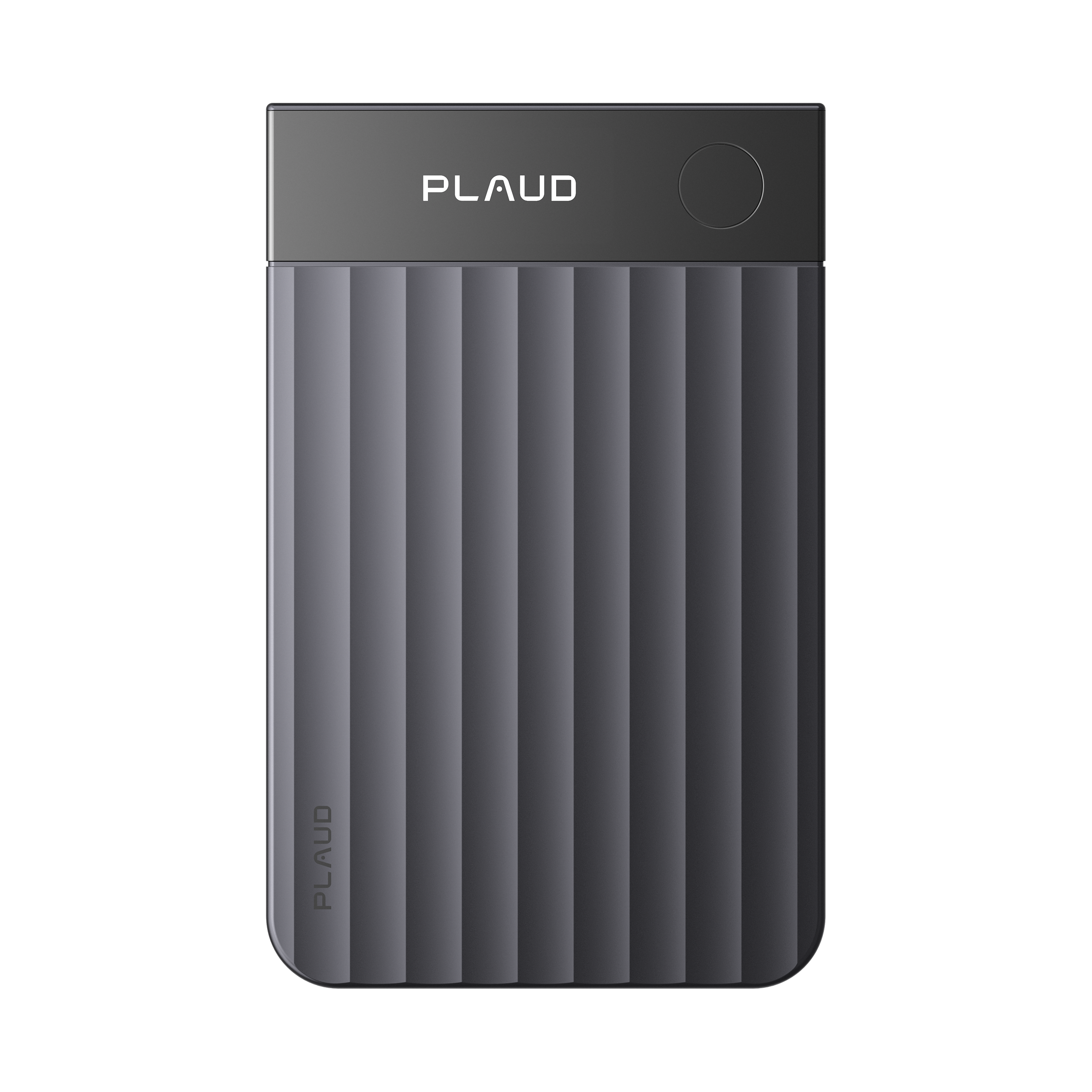
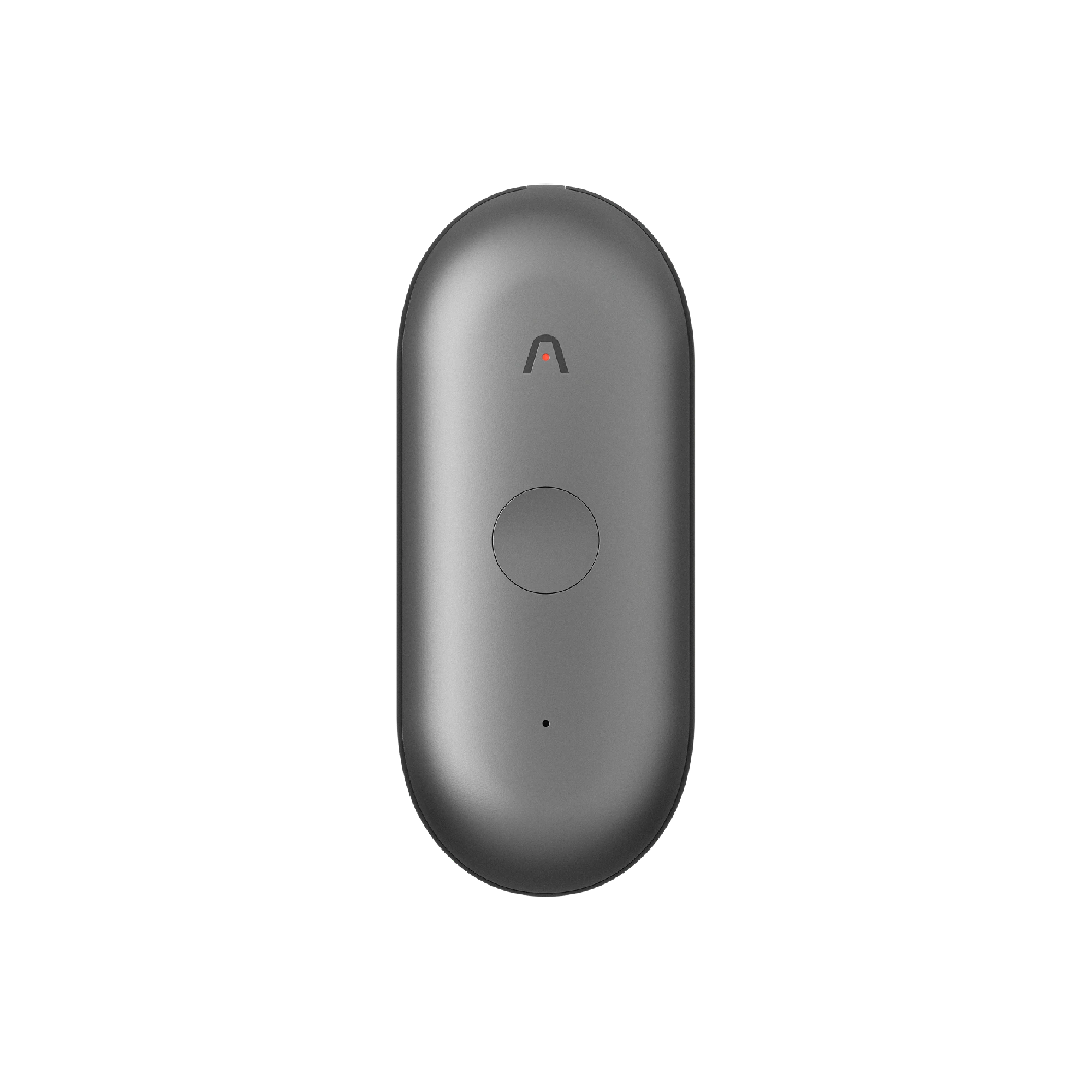
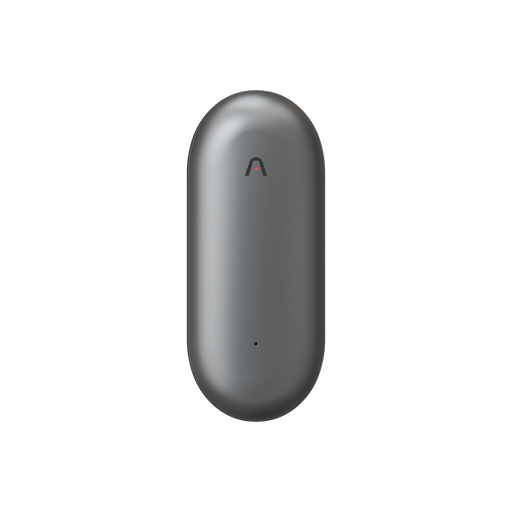
- Capture anywhere: Plaud’s hardware recorder covers the moments that never happen on Zoom, like hallway decisions and in-room discussions. It’s built for quick start and stop, then you sync the audio later.
- Turn it into the same output every time: transcript plus a structured recap that surfaces decisions and next steps, so the follow-up work starts from a draft instead of a blank page.
Before you record, say what will be captured and where the recap will be shared. Stop or pause the moment the conversation shifts to HR topics, pricing, customer personal data, or anything you would not paste into a shared doc.
References
- Microsoft (2022). Work Trend Index Annual Report: “Great Expectations: Making Hybrid Work Work” (PDF).
- Microsoft News Center (2022). Work Trend Index: hybrid work as a new cultural norm (meeting growth, after-hours, weekend work, inclusion, etiquette).
- Atlassian (2024). Workplace Woes: Meetings (survey of 5,000 knowledge workers; meeting overload, effectiveness, fatigue impacts).
- Doodle (2019). State of Meetings Report (unnecessary meetings, time loss, cost estimates, including U.K.).
- Calendly (2024). The State of Meetings 2024 (survey of 1,200 leaders; follow-up gaps and productivity impacts).
- Asana (2021). Anatomy of Work Index 2021 (PDF) (work about work share of time).
- Virtira (2023). From Zoom Fatigue to Meeting Fatigue (State of Meetings report; fatigue drivers and meeting load perceptions).
- Doodle (2020). State of Meetings (Q2-era findings referenced in Doodle’s report library).
- Microsoft WorkLab (2022). Great Expectations: Making Hybrid Work Work (web version; meeting telemetry highlights).
- Bailenson, J. (2021). Nonverbal Overload: A Theoretical Argument for the Causes of Zoom Fatigue (Technology, Mind, and Behavior).
- Harvard Business Review (2017). Stop the Meeting Madness (survey findings on senior managers and meeting inefficiency).
- Otter (2023). Otter is the leading AI Meeting Assistant, hitting the 50 million meeting summaries milestone (usage scale claims).
- Business Wire (2025). Otter enterprise release citing “$1B+ annual ROI” claim.