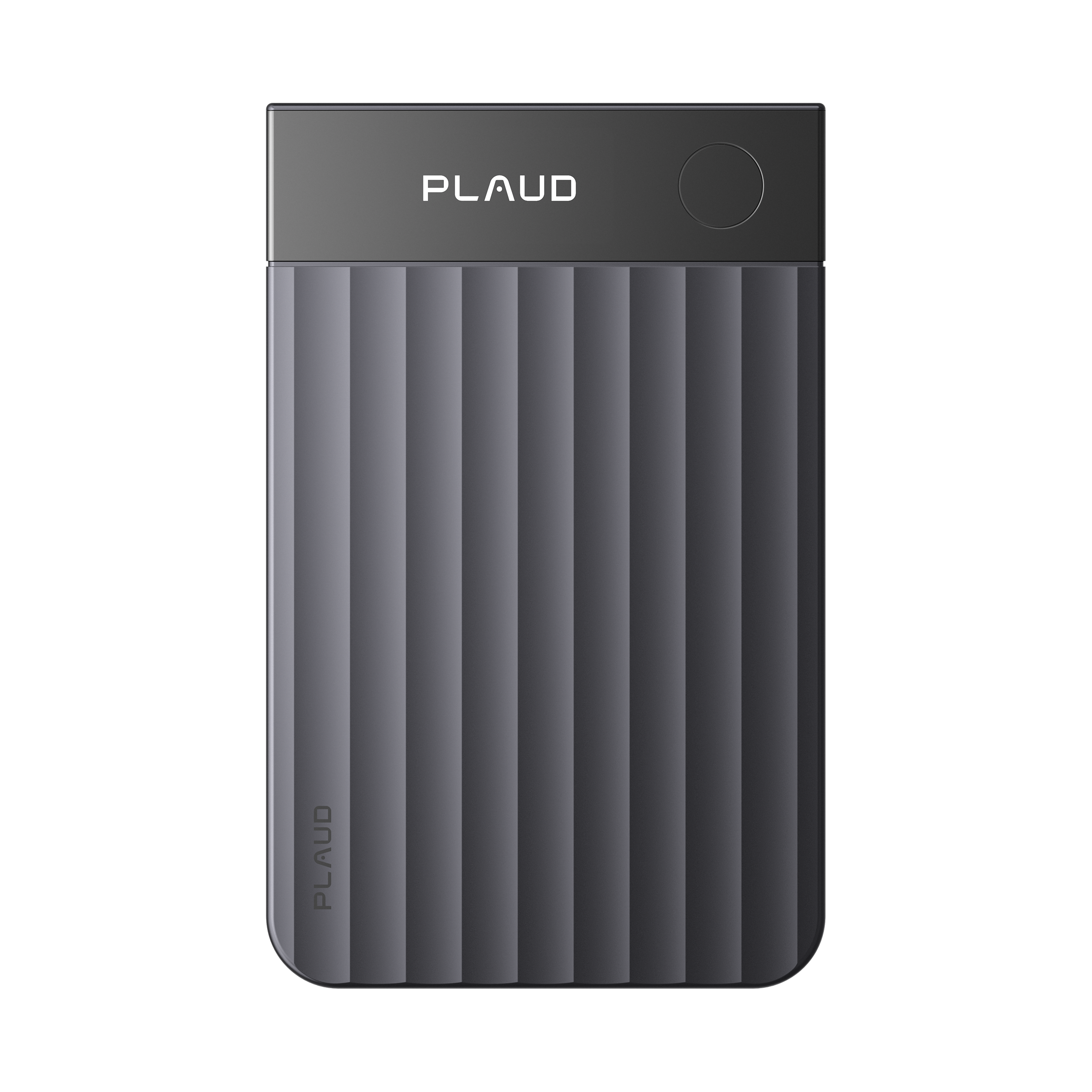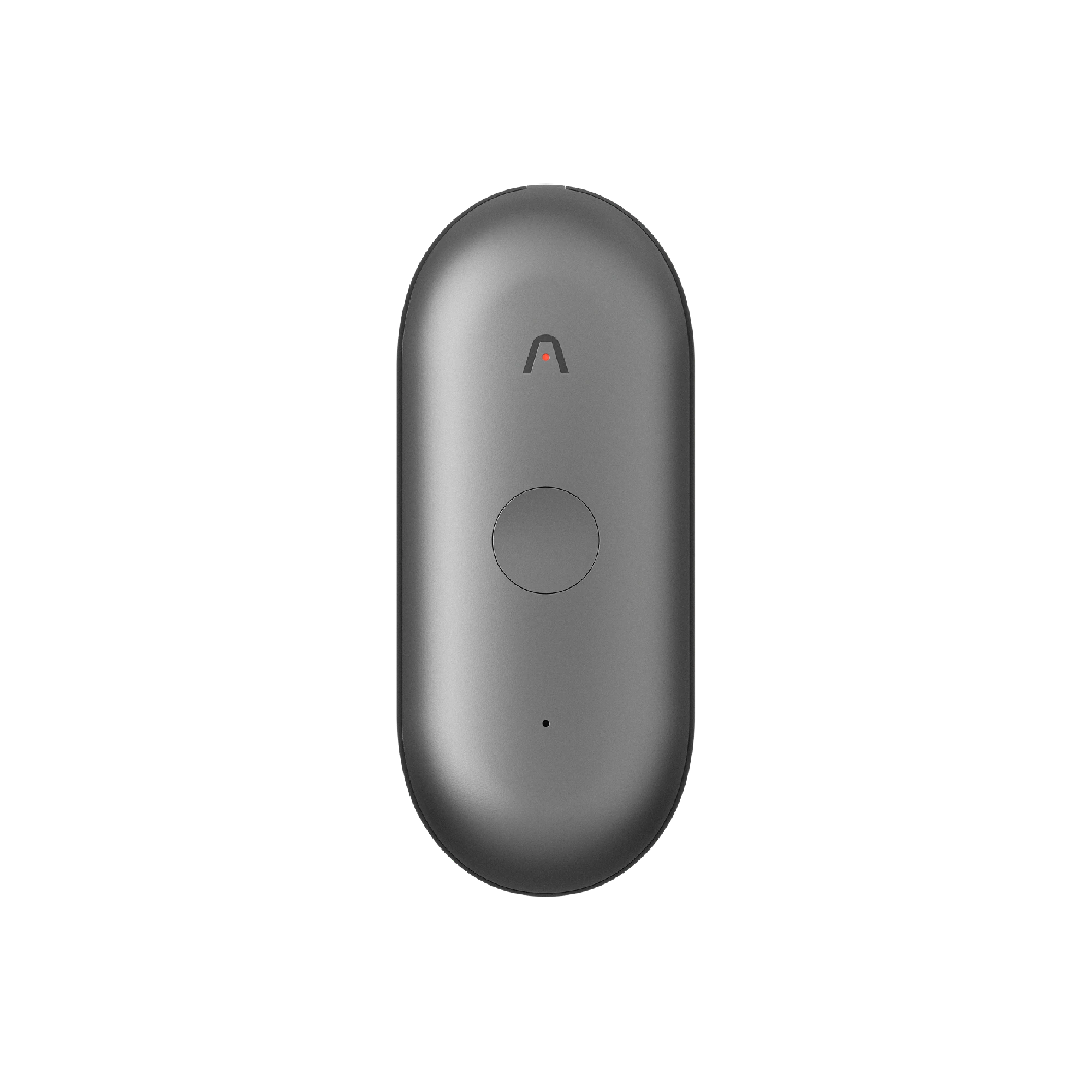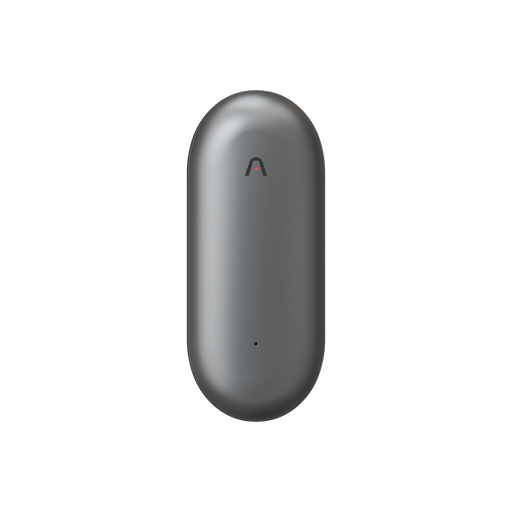

How about deciding whether to invest in an AI-powered note-taker (like Plaud NotePin S) for your college classes or stick to your own handwritten notes? We put Plaud NotePin S to the test in real lecture recordings, from a law/philosophy class to MIT Linear Algebra to a public policy talk, to see if it genuinely helps you study better.
Key takeaways
- AI notes only make sense if you reuse them, because 84% of students still default to rereading.
- The same lecture can produce very different “notes” depending on the student template you use
- Do not chase a perfect transcript. Across 61 experiments, testing beats restudying for long-term retention.
Quick verdict
AI note-takers are most helpful when you have at least one of these situations:
- Your lectures move fast, and your notes fall behind.
- You record lectures now, but you do not have time to rewatch them.
- You study better from structured guides than from raw bullet points.
If your professor posts great slides and your current system already works, an AI note-taker may feel like a nice extra, not a must-have.
Recording lectures in the U.S.
Before you pay for any lecture-recording setup, pause for one question: Is recording a lecture in the US legal? I don’t want you to buy a tool and then deal with a complaint or a conduct meeting. That does nothing for your grades.
In the U.S., there isn’t one universal answer. You’re usually dealing with three things at once: your state’s consent rules, your school’s policy, and whether your instructor and classmates are okay with it. State rules can vary a lot.
1. State law
The U.S. does not have one single rule for every state. Federal law allows recording when at least one party consents, and that can include you as a participant in the conversation.
But some states require everyone’s consent. If you are in one of those states and you record without permission, you can create real legal risk.
2. School policy
Even if your state law is friendly, your school can still say no. And this is usually where students get burned. Many universities explicitly ban unauthorized or secret recordings in class to protect privacy and participation.
3. Instructor and classmates
This part matters more than people think. Recording can chill the room fast.
Also, once other students’ voices are captured, sharing the file can trigger privacy problems. Many campus guidance pages explicitly say class recordings should stay inside the course and should not be distributed.
What we tested
All source material was public, free YouTube open course content. Think MIT OpenCourseWare-style lectures and public university lecture series. No private classroom recordings.
We used three well-known U.S. lecture videos and ran them through Plaud to generate transcripts and study notes. For the note outputs, we used three templates shared by users in the Plaud community. Students publish these templates so other students can reuse them.
The three lectures:
- MIT 18.06 Linear Algebra (Lecture 1)
- Harvard “Justice” (Episode 1, Sandel)
- UC Berkeley “Edible Education 101” (Course Overview)
How much the notes compressed the lecture (a real study benefit):
- Harvard Justice transcript: ~7,849 words; notes: ~1,955 words
- MIT 18.06 transcript: ~5,258 words; notes: ~1,839 words
- Edible Education transcript: ~13,389 words; notes: ~2,558 words
Those numbers matter because they translate to time. You can review 2,000 words. You cannot rewatch a full lecture every time you forget one definition.
What do “useful notes” mean in college
For this review, “useful” meant four things you can feel during exam week:
- Fast to scan: you can find the right section quickly.
- Study-ready: the notes create prompts, structure, or practice.
- Low cleanup: You do not need to rewrite half the document.
- Safe enough: the notes do not quietly add content that was never taught.
Now the cases.
Case 1: MIT Linear Algebra
This output looked like something a strong student would build after class. It was structured, labeled, and written in plain English without losing the mathematical meaning.

What made it genuinely useful for studying
- It pulled out the lecture’s backbone: Ax equals b, the row picture, the column picture, and what a solution means.
- It lists the key ideas first, then expands them in the same order so that you can review fast.
- It added a Q and A section you can use for self-quizzing. That matters because practice testing consistently beats rereading for long-term memory.
Where students can waste time
- A guide like this gets long if you read it like a chapter. Don’t.
- Treat each heading like a question. Cover the answer, say it out loud from memory, then check.
Best fit
- STEM lectures, problem-set courses, anything with exams where recall and application matter.
Case 2: Harvard Justice
We picked a discussion-style lecture as the second example. Discussions can be some of the best teaching you’ll get, because you’re forced to take a position and defend it, not just copy slides.
But discussion lectures are also where note-taking breaks. Usually, you run into three problems:
- You want to join the discussion and still capture the key points.
- You want to keep the “alive” parts, like the best objections and the turning-point questions, not just the storyline.
- You want to pull out what’s reusable after all the back-and-forth so that you can write about it later.
Plaud solves the first problem well. You record the class, and the short-press highlight lets you mark moments you’ll want to come back to.

Now the real question is whether a Plaud template can solve the other two: keeping the debate structure, and extracting the reusable argument map.

The output handled that well by organizing the lecture into frameworks and decision points.
What made it genuinely helpful in studying
- It kept the case-and-variant structure. That’s how this lecture teaches. You start with a choice, then a new version forces you to rethink your reason.
- It separated each scenario clearly. Driver Switch, Fat Man, Trap Door, ER, Transplant, Mignonette. No blending. That makes comparisons easy when you write.
- It saved the “reasons,” not just the story. Outcomes vs rights, means vs ends, consent, fair procedure. Those are the lines you reuse in essays.
- It gave you quick self-testing. Still, Q&A prompts beat rereading when you want durable recall.
The one risk you should take seriously
Discussion classes produce great quotes, but many come from students. If your notes don’t label who said what, you can quote a student line as if it were the professor’s view.
Best fit
- Philosophy, ethics, pre-law, political theory, classes where you write and argue.
Case 3: Edible Education (community “textbook handout” template)
For this kind of lecture, what you want is pretty simple. A clean handout you can reread later is enough.

So the “right” notes are not just a transcript. It should be a short, coherent story with labels: thesis, vocabulary, evidence, and what you’re supposed to do with it next.
What made it genuinely useful for studying
- It created narrative flow and context, which helps with essays and big-picture understanding.
- It turned scattered lecture content into a coherent “handout” you can reread.
Where students can get burned
Chapter-style notes often add connective tissue: extra explanation, extra framing, extra context. Sometimes that helps. Sometimes it blurs the line between “what was taught” and “what was added to make it read smoothly.”
If your course tests lecture-specific details, this style can feel comforting while still drifting away from what your instructor emphasized.
Best fit
- Essay exams, long-form writing, and classes where understanding the story matters more than rapid recall.
So, is it worth paying, based on these three cases?
Yes, if the output saves you real time during the week.
Here’s what the cases say:
- If you take STEM classes, it’s worth paying when the notes come out as a study guide you can drill. The Linear Algebra case did that. It reduced the rewatching problem because you get structure and practice prompts, not just text.
- If you take discussion and essay classes, it’s worth paying if the notes preserve frameworks and examples you can reuse in writing. The Justice case did that. The tradeoff is simple: any sentence that reads like a “perfect conclusion” deserves one quick audio check before you trust it.
- If you take reading-heavy classes, it’s worth paying only if you will reread a chapter-style handout. The Edible Education case produced the most readable output. The risk is that it can add extra framing that your professor never emphasized, so it is better for comprehension than for detail-based exams.
If none of the above sounds like your week, do not buy it. You will end up with nice files that you do not study from.
Conclusion
AI note-takers are worth paying for when they turn lecture audio into something you will actually study from. In these three public U.S. lectures, the practical win was speed and structure: shorter notes you can review quickly, clearer organization you can study from, and formats that fit different course types. Buy if your current notes regularly push you back into rewatching lectures. Skip if your notes already work and you rarely review them.