Key takeaways
- Major research firms put 2025 global estimates in the ~$3.1B–$3.5B range, with high growth assumed in the years after.
- Reports describe the product as meeting output software, not transcript software. Summaries, decisions, and action items sit at the center.
- Buyers expect a single bundle. Notes, transcript, summary, action items, and clean handoff into the work stack.
- A common split shows up in report segmentation: “meeting note-taker” vs “meeting organizer.”
- Reports separate personal and enterprise use. Enterprise use adds admin, controls, and rollout rules.
AI meeting assistants have become a standard layer in modern meeting workflows. Market research firms now publish regular sizing and growth estimates for the space, and it’s clear that the market is trending upward at breakneck speed. Public market estimates already frame 2025 as a key sizing year, with multi-year forecasts extending well beyond it.
Sources use different scopes and time windows, so figures vary. The shared signal stays consistent: strong growth assumptions and a shift toward meeting outputs and follow-through.

AI meeting assistant market size in 2025: a planning snapshot for 2026
Most figures come from market research firms, and the firm defines the market a bit differently. The 2025 level still lands in a tight band across the sources that state a 2025 number.
What usually moves the number is scope. Some reports count “meeting assistants” as software only, others also include services, and some even include hardware capture devices. TBRC explicitly segments by software, hardware, and services, so two firms can be “right” while counting different baskets.
Published 2025 estimates sit in the low-to-mid $3B range

The Business Research Company reports $3.14B for 2025. Market Research Future projects $3.503B for 2025. Research and Markets lists $3.16B for 2025 in its report summary.
Other reports frame 2025 through a 2024 base and a longer forecast window. Data Bridge uses a $2.44B 2024 base and projects to 2032 at 25.6% CAGR. Market.us uses a $2.68B 2024 base and projects to 2034 at 24.8% CAGR.
Here’s how I read it: when multiple firms cluster around $3.1B–$3.5B for 2025, that’s a “real category” signal, not a rounding error. It means buyers are already spending on meeting follow-up outcomes, not just testing transcription demos.
The practical takeaway is simple: if you’re budgeting or sizing a vendor shortlist, use the band, not a single point estimate, and focus your diligence on scope.
Growth expectations remain strong beyond 2025
Across major sources, CAGR assumptions sit at 24% to 28%: TBRC 24.0% (2024–2025), MRFR 25.62% (2025–2035), Data Bridge 25.6% (2024–2032), Market.us 24.8% (2025–2034), Technavio 28.2% (2024–2029).
That set of assumptions supports one 2026 takeaway: vendors and buyers still plan for rapid expansion, not a flat market.
I don’t read 24%–28% CAGR as “everyone will buy a note-taker.” I read it as “meeting data is becoming a system of record,” so vendors that plug into the workflow will compound faster than vendors that stop at transcripts.
That’s why you see Technavio explicitly calling out the shift from passive transcription to LLM-driven meeting intelligence.

The category is described as meeting workflow and outputs, not transcription alone
Many reports frame the product around meeting outputs and follow-up, not transcripts alone. Data Bridge points to note-taking, transcription, task management, and stack integrations as adoption drivers. Technavio highlights a shift toward LLM-driven meeting intelligence.
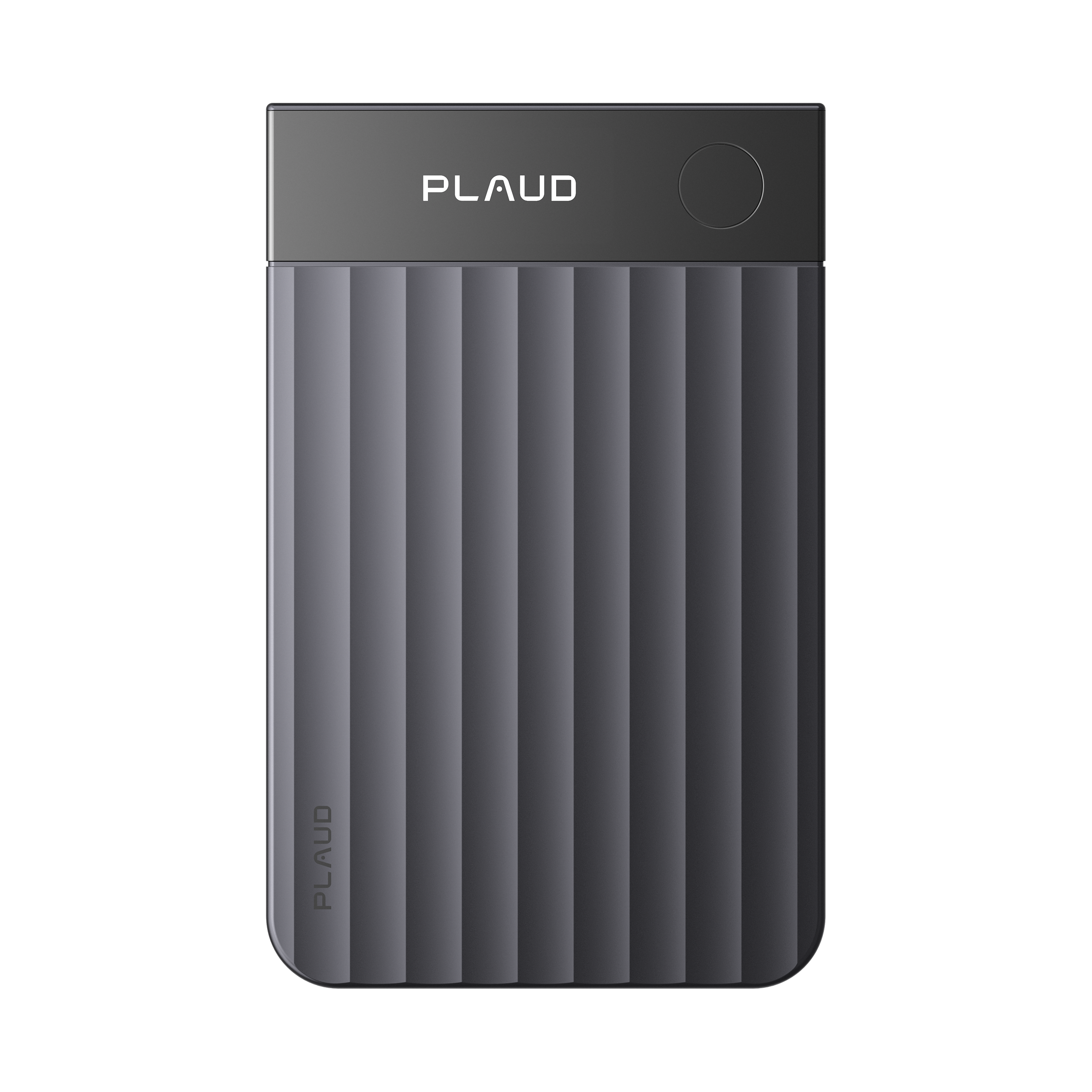
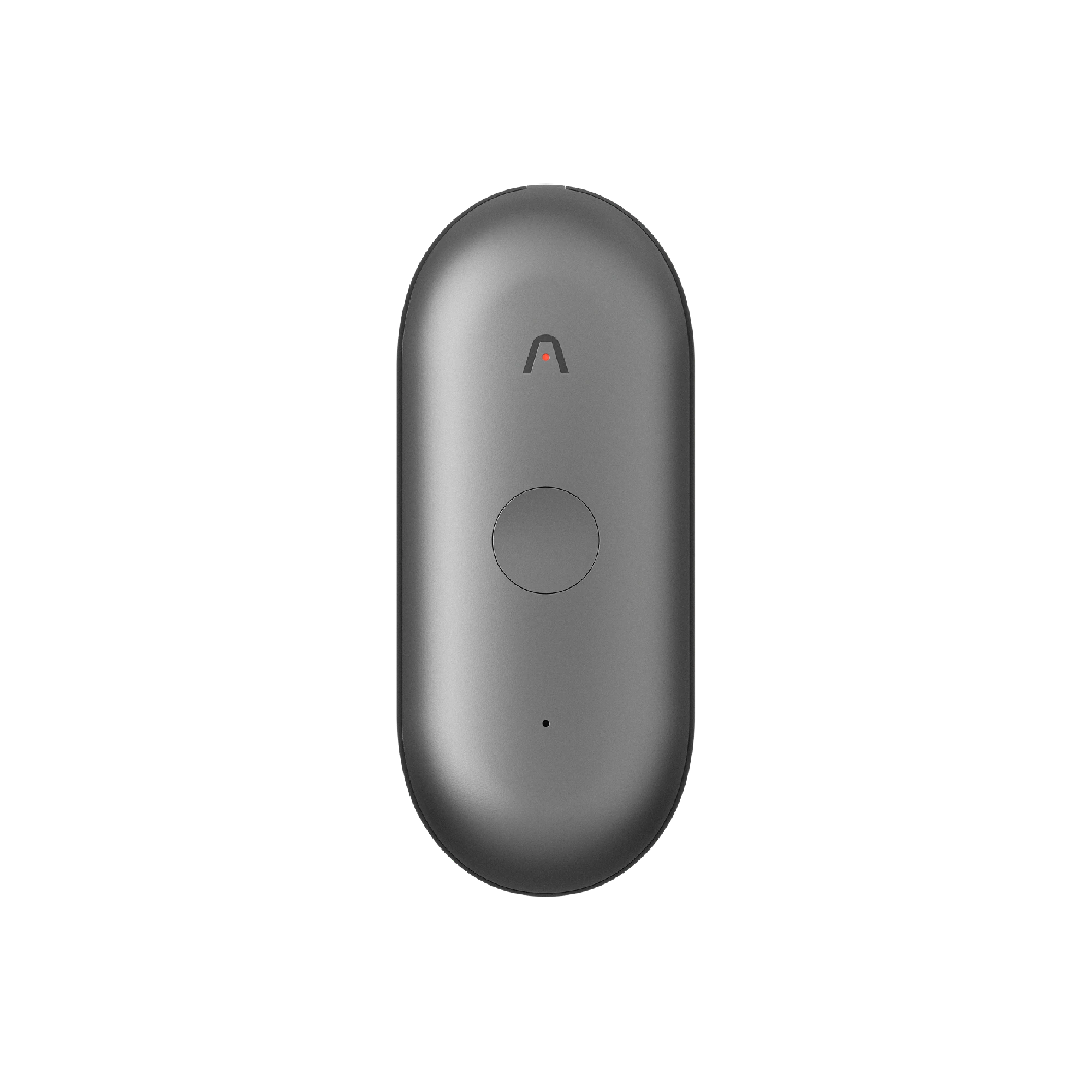
At Plaud, we think “notes” only become worth paying for when they land as next steps in the tools you already run work on, with capture you can trust and a clean handoff into tasks and docs. That’s the difference between a transcript feature and a meeting workflow product.
What buyers expect from an AI meeting assistant in 2025
In buyer terms, an AI meeting assistant means one thing: it turns meetings into usable work, then pushes that work into the tools the team uses.
Buyers want outputs they can act on
Teams still want a solid transcript, but buying decisions hinge on outputs: summary, decisions, and action items.
Common “must-have” outputs now include:
- Transcript with speakers
- Summary
- Decisions
- Action items with owners

Product design is converging on two roles: “note-taker” and “meeting organizer”
Some reports split products into two roles: Meeting Note-taker and Meeting Organizer. Data Bridge uses this split in its segmentation.
In buyer terms, that typically maps to:
- Note-taker: capture, transcript, summary, key points, action items
- Organizer: coordinate meeting workflows, assign follow-ups, route outputs into systems
This split is practical for planning because it matches how products are packaged and evaluated.

Enterprise adoption is a distinct buying motion, not a larger “personal plan”
Market segmentation also separates Personal and Enterprise use. In parallel, Market.us reports enterprise as the dominant application segment in its coverage, which aligns with how these tools spread through standardized stacks and compliance requirements.
Enterprise rollouts add admin, access controls, and rollout rules. That set of needs differs from individual use.
Integrations and follow-through now drive product choice
Integrations decide shortlists. Buyers want the assistant to write back into the systems where work gets tracked. Recent product moves in the category also reflect this direction, with meeting notes turning into assigned tasks and system updates rather than staying inside a transcript.
Trends shaping AI meeting assistants in 2026
In 2026, tools compete on speed, automation depth, and governance for team use.
Assistance is moving closer to real-time
The category is shifting from “after-meeting recap” toward interactive help during and immediately after meetings, powered by generative AI. This raises the bar on speed and accuracy because the output is used while decisions are still being made.
Meeting outputs are turning into system updates
The next step after summaries and action items is pushing the result into the systems where work is tracked. That includes tasks, docs, and structured updates that reduce manual follow-up. Platform roadmaps and vendor messaging increasingly frame value around removing that admin work, not producing a longer recap.
Governance is becoming a frontline requirement in team rollouts
As adoption moves from individuals to teams, buyers care more about admin controls, permissions, and consistency across the org. This changes evaluation from “is the summary good” to “can this run safely and predictably at scale?”
Coverage is expanding beyond scheduled video meetings
More products now target in-person conversations and ad hoc discussions, not only calendar-based calls. That expands the capture surface area and makes privacy controls and workflow consistency more visible in buying decisions.
What this means for 2026 planning
In 2026, the decision comes down to coverage and rollout risk.

For buyers
- Pick a tool that covers capture, outputs, and follow-up in one flow.
- Test integrations first: your video meeting app, CRM, and office suite. Do not scale before they work end-to-end.
- Choose the role: note-taker or organizer. Buy and measure against that role.
- If this is for teams, set clear rules for access, admin control, and usage before rollout.
For vendors
- Turn meeting outputs into tracked work, not longer notes.
- Invest in LLM-based meeting intelligence that supports active help, not only post-meeting transcription.
- Build a small set of deep integrations with video platforms, CRMs, and productivity suites. Depth beats breadth.
- Package and message for personal vs enterprise use as separate paths.
Try Plaud at your next meeting
Plaud helps you capture, summarize, and turn meeting outcomes into next steps.
It works for online calls and in-person conversations so that you can keep the same note format across both.
Start with one workflow, then scale it once the output matches your team’s standard.