
Exam week is coming up fast. You've got dozens of lecture recordings sitting unwatched, notes all over the place, and a pile of PDFs gathering digital dust. Sound familiar? Instead of the usual panic spiral, students are now letting AI personal assistants handle the boring stuff.
These AI tools transcribe your lectures in minutes, break down complex topics into simple explanations, and help you find what you need without scrolling for hours. Apps like Plaud Note basically turn your chaotic exam prep situation into an organized study system you can actually use.
Best AI tools to summarize lecture notes
When you're racing against the clock before exams, you need AI tools that actually deliver—not just buzzwords and empty promises. The best AI virtual assistants for students do more than record or scan your materials. They transcribe, organize, summarize, and make everything searchable so you can find what you need in seconds, not hours. Here are two AI assistant tools that genuinely help students go from zero prep to exam-ready fast.
1. Plaud Note (AI note taker & assistant)

Best for: Students who record lectures and want a complete note-taking + summarization workflow.
What it does:
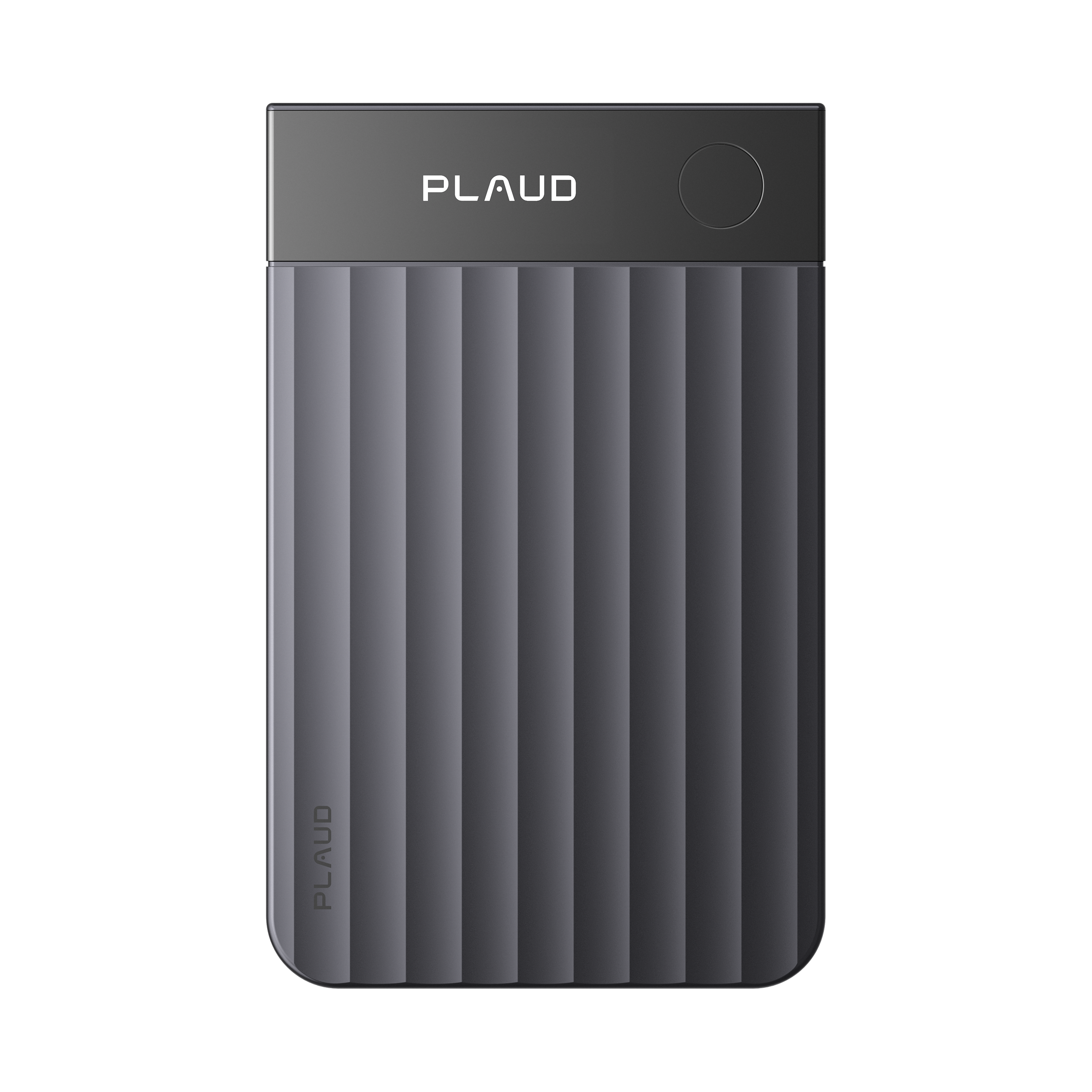
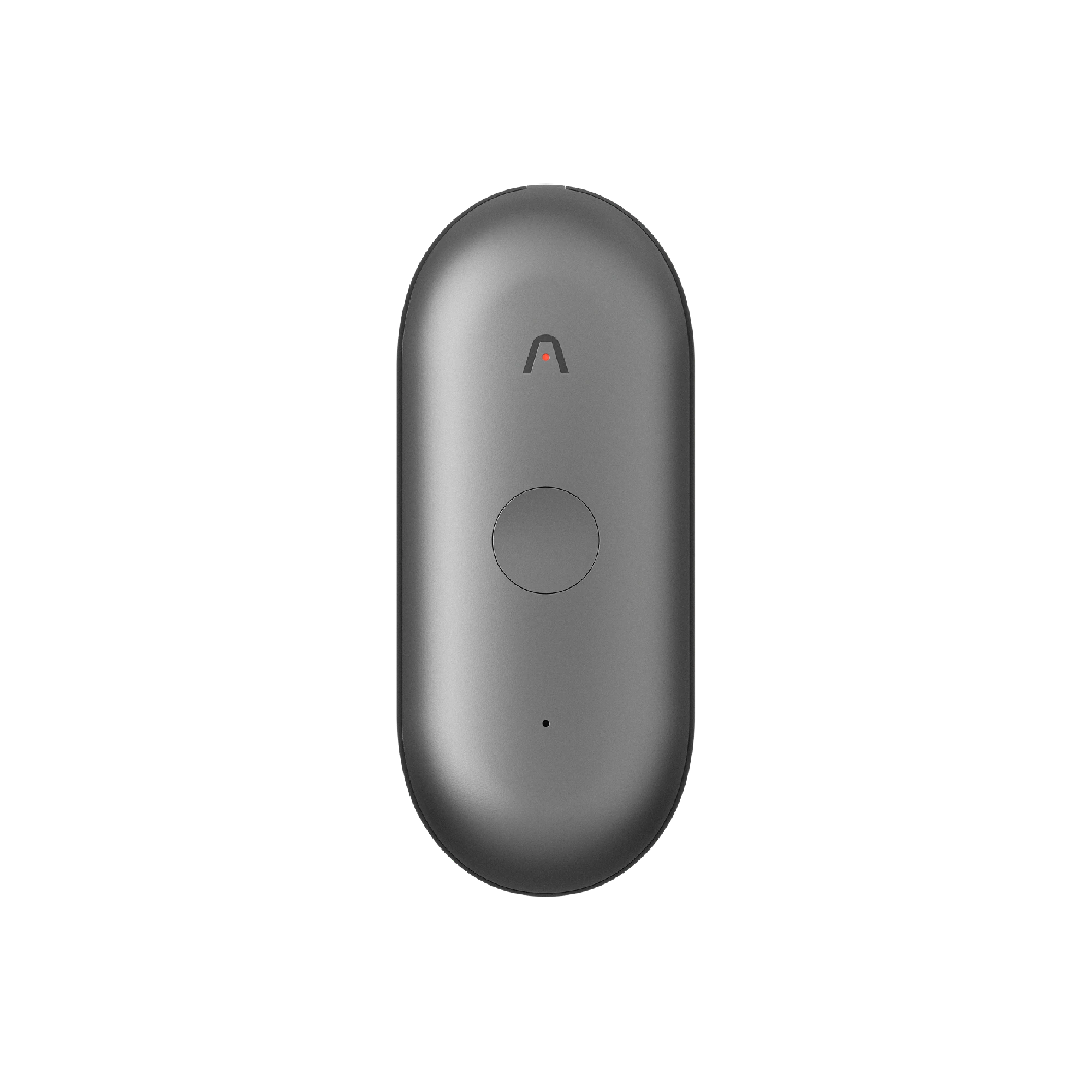
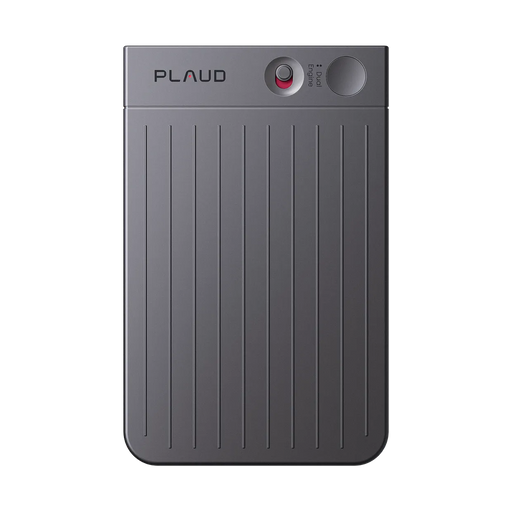
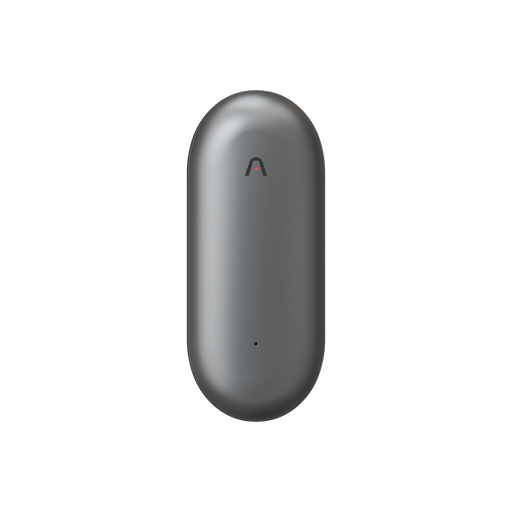
Plaud Note is a physical AI assistant that attaches to your phone via MagSafe and works with the Plaud app.
One press starts recording your lecture—whether it's a phone call with your study group or an in-person class.
How it actually works:
During lecture
You're in biology class learning about cellular respiration. Attach Plaud Note to your phone, press record, and just listen. When the professor says "this will be on the exam," tap the highlight button. Does she draw a diagram on the board? Snap a photo without stopping the recording.
After class
Your lecture is already transcribed. Want to find something specific? Search "ATP synthesis" and see every mention instantly. Or ask Plaud, "What did the professor say about oxidative phosphorylation?" and get a direct answer. No rewatching hours of recordings.
Days later
Your professor mentions last week's glycolysis lecture. Can you remember what she said? Just search "glycolysis" in your transcripts and find it in seconds. Turn those whiteboard photos into clean study guides using Photo-to-Template.
Exam week
You have a whole semester of searchable content ready. Everything you flagged as important? Already organized. No scrambling, no decoding messy notes. Just search and study.
Why it helps:
Plaud Note instantly converts raw lecture recordings into structured, searchable notes. Instead of scrubbing through hours of audio trying to find that one explanation, you can ask this personal AI assistant questions like "What did the professor say about the Fourier Transform?" or "Summarize all mentions of quantum states." This AI note taker pulls exactly what you need from your transcripts. With 30 hours of continuous recording time, 60 days of standby, and 64GB of local storage plus unlimited cloud storage, you'll never run out of space during exam season.
Advantages:
- Full workflow in one device: Record → Transcribe → Summarize → Revise
- Over 10,000 professional templates tailored for different use cases (lectures, meetings, interviews)
- Saves massive time for students who prefer listening over writing or typing
- Perfect for last-minute review—search by keyword or topic right before the exam
- Ultra-slim and ultra-light, so it won't add bulk to your phone
- Best use case: Use Plaud Note during every lecture or lab session. By exam week, you will have summarized, AI-ready notes organized and ready to review. No more scrambling to make sense of raw recordings—your AI project management for studying is already done.
2. NotebookLM (by Google)

Best for: Students who want structured, source-backed summaries from documents.
What it does:
NotebookLM is Google's free AI virtual assistant designed specifically for working with your own documents. Upload your lecture PDFs, class handouts, or textbook chapters, and the AI automatically analyzes them to highlight key concepts, important formulas, and core explanations. What makes NotebookLM different is that every summary it creates includes page numbers and direct references back to the source material, so you always know where each point came from.
Why it helps:
This AI assistant app makes it incredibly easy to cross-check answers and verify accuracy—crucial when you're studying complex material. It's perfect for research-heavy or theory-based subjects like computer organization and architecture, mechanics, thermodynamics, or organic chemistry, where you need to understand not just what something is, but where the information lives in your materials. The AI can generate study guides, create event timelines, and even explain complex concepts in simpler terms.
Limitations:
NotebookLM doesn't save your conversation history, so you can't continue from where you left off in a previous session. It works best with clearly formatted, text-based documents—messy handwritten scans or low-quality image PDFs won't give you great results. Also, there's currently no mobile app, so you're limited to using it on a computer.
Best use case: Upload your lecture slides or course notes PDF and get instant summaries with sources. Perfect for creating quick review sheets or finding specific information across multiple documents without reading everything cover to cover.
Both of these AI personal assistants address different aspects of the exam-prep problem. Plaud Note handles the recording and transcription side—ideal if your main study materials are lectures, discussions, or anything audio-based. NotebookLM excels at processing written materials you already have, like PDFs and documents. The smartest students use both: Plaud Note during class to capture everything, and NotebookLM after class to process readings and slides. Together, they create a complete AI-powered study system that saves you hours of manual work when you need it.
How to use AI assistant tools in your mid-semester study workflow
Having the right AI personal assistant is one thing. But knowing how to actually use it effectively? That's what makes the difference between passing and acing your exams. The key is building these tools into your routine from day one, not just when panic hits.
Step 1: During lectures
This is where most students lose the battle before it even starts. You're trying to write notes, listen to the professor, and actually understand the material all at the same time. And usually, you end up doing none of them well. Plaud Note solves this problem by handling the note-taking completely, so you can focus on what actually matters: understanding the lecture as it happens.
Just tap once and forget about it
Attach the Plaud Note to your phone via the included magnetic case and tap the button once to start recording. That's it. The ultra-slim device (barely 1/3 the thickness of your phone and lighter than 2 AA batteries) sits on your phone and captures everything with its dual recording mode. With 30 hours of continuous recording time and 60 days of standby, you can record multiple lectures without worrying about battery life or running out of space.
Mark what matters with Highlight
Ever been in a lecture when the professor suddenly says, "This will definitely be on the exam," and you scramble to write it down? With Plaud Note, just press the device button or tap the flag icon in the app to mark that exact moment. You can even snap photos of important slides, diagrams, or whiteboard notes right from the app while recording continues.

Capture visual information instantly
What about when your professor draws a complex diagram or puts up a formula on the board? Use Plaud's photo feature to snap it directly in the app while still recording. Here's where it gets really cool: later, you can use the Photo-to-Template feature to convert those handwritten notes or whiteboard shots into clean, editable digital templates.

Get organized notes automatically
The AI virtual assistant transcribes everything in real-time across 112 languages with speaker labels, so you know who said what during Q&A sessions or group discussions. It automatically breaks everything into paragraphs and timestamps key moments. By the time you walk out of the lecture hall, your notes are already processed, uploaded to unlimited cloud storage, and ready to review on any device.

Search your lectures like Google
You can search across all your transcripts by keyword or topic. Need to find every mention of "mitochondrial respiration"? Just type it in. The AI pulls up every relevant section instantly, so you're not wasting time scrubbing through hours of audio.
Start using Plaud Note from day one, and you're building a searchable knowledge base all semester long. By exam time, you have weeks of organized lecture content ready to review.
Step 2: After class
Lectures are only part of the picture. Most courses dump a pile of PDFs, textbook chapters, and slides on you that you're supposed to "review" but never actually read. This is where NotebookLM comes in as your free AI assistant for processing written materials.
Upload your course materials
Take those lecture slides, PDF handouts, textbook chapters, or any documents your professor posted and upload them to NotebookLM. You can upload multiple documents at once, which is perfect when your professor assigns readings from different chapters that connect to the same topic. The AI works best with clearly formatted PDFs. Got messy, scanned, handwritten notes? Those won't process well.

Get summaries with actual sources
What makes NotebookLM different? Every summary includes references to the original content. When the AI tells you something, you can instantly verify where it came from. This matters a lot for accuracy-dependent subjects like chemistry formulas. You're not just getting information, you're getting proof.
Understand complex topics faster
Need help with challenging concepts? The AI breaks them down into simpler terms, creates event timelines, or shows how different ideas connect across multiple documents. This is super useful for research-heavy subjects like organic chemistry, thermodynamics, or computer architecture, where you need to understand not just what something is, but how it fits into the bigger picture.
One thing to know: NotebookLM doesn't save your conversation history, so you start fresh each time. It's also desktop-only right now. But for processing written materials and creating focused summaries, it saves you hours of reading time.
Step 3: Before the exam
Exam week hits, and suddenly you're face-to-face with weeks of accumulated material. This is not the time to reread everything from scratch—that's how you end up cramming until 4 AM and retaining nothing. Instead, use your AI personal assistant tools strategically to review what actually matters.
Search specific topics in Plaud Note
Open the Plaud Note app and use its search function to find specific concepts across all your lecture transcripts. Type in whatever you're fuzzy on—"Nash equilibrium," "oxidation states," "binary search trees," whatever—and get instant results.
Even better, use the "Ask Plaud" feature powered by deep search to ask customized questions and extract precise insights from your recordings. Ask specific questions like "What are the key takeaways about thermodynamics?" or "What action items did the professor mention for the final project?" and get targeted answers pulled directly from hours of lecture content.

Review summaries in NotebookLM
Pull up NotebookLM and review the clean summaries it created from your readings and slides. Need to double-check a definition? Want to see how two concepts relate? The AI highlights the relevant sections with page references, so you don't have to hunt through endless PDFs. This is especially useful for verifying facts, formulas, and details you need to memorize accurately.
Create your own study materials
Both tools give you organized, processed information that's perfect for making flashcards, practice questions, or quick-reference sheets. You're not starting from messy raw notes—you're working with material that's already been transcribed, summarized, and clarified by AI. Use Plaud Note's 10,000+ templates to format your notes for different subjects, or copy key points from NotebookLM's summaries into your own study guide.
Focus on what actually matters
Don't try to memorize every single detail from every lecture and reading. Use the AI to identify patterns, connections, and recurring themes. What topics did the professor spend the most time on? What concepts appear in both the lectures and the readings? What examples did they keep coming back to? That's what exams actually test—your understanding of core ideas and how they connect, not whether you memorized page 247, paragraph 3.
The real advantage here is that you're reviewing material you've already processed throughout the semester, not trying to create organized notes from scratch under time pressure. You can spend your limited exam prep time actually learning, rather than just organizing information.
The real power of using AI assistant apps like Plaud Note and NotebookLM isn't just that they save time—it's that they change how you study from reactive to proactive. You're building a searchable, organized knowledge base throughout the semester instead of scrambling to create one right before exams. By the time midterms roll around, you're not starting from zero with a pile of unprocessed recordings and unread PDFs. You're reviewing material that's already been captured, transcribed, organized, and summarized by your personal AI assistant. That's the difference between panic-cramming and actually feeling prepared when you walk into the exam room.
Key takeaways
If you're still wondering which AI assistant app is right for your situation, here's the simple breakdown. The best tool depends on what kind of study materials you're working with and how much time you have before exams. Here's how to choose based on your specific needs.
If you need to record
Use Plaud Note to transcribe, summarize, and search key topics. This AI virtual assistant is built specifically for audio—it attaches to your phone, records up to 30 hours continuously, transcribes in 112 languages, and lets you search across all your lecture transcripts instantly. Perfect if your primary study materials come from class lectures, recorded discussions, or audio notes.
If you have PDFs or textbooks
Use NotebookLM to generate summaries with page references. This personal AI assistant excels at processing written documents—upload your lecture slides, textbook chapters, or course handouts and get structured summaries that highlight key concepts with source citations. Ideal if you're working with dense reading materials and need to extract the important information fast.
If you're short on time
Combine both tools to create a full AI-powered study loop. Use Plaud Note during lectures to capture everything, then use NotebookLM after class to process your readings and slides. By exam week, you have both audio and written materials already organized, summarized, and searchable—which means you can review in hours instead of days.
You can't create more time before midterms—but AI project management tools can help you use it way smarter. The goal isn't to work harder or stay up later cramming. It's to work more efficiently by letting AI handle the tedious parts (transcribing, organizing, summarizing). At the same time, you focus on what actually matters: understanding the material and preparing to ace the exam.
AI assistant apps that actually help when exams get real
midterms are stressful enough. Why add "organize months of notes" to your list? That's where Plaud Note and NotebookLM come in. Plaud Note makes your lecture recordings searchable in seconds. NotebookLM turns those PDFs you've been avoiding into quick summaries. Try them next exam cycle and see how much easier it is when your materials are actually organized.