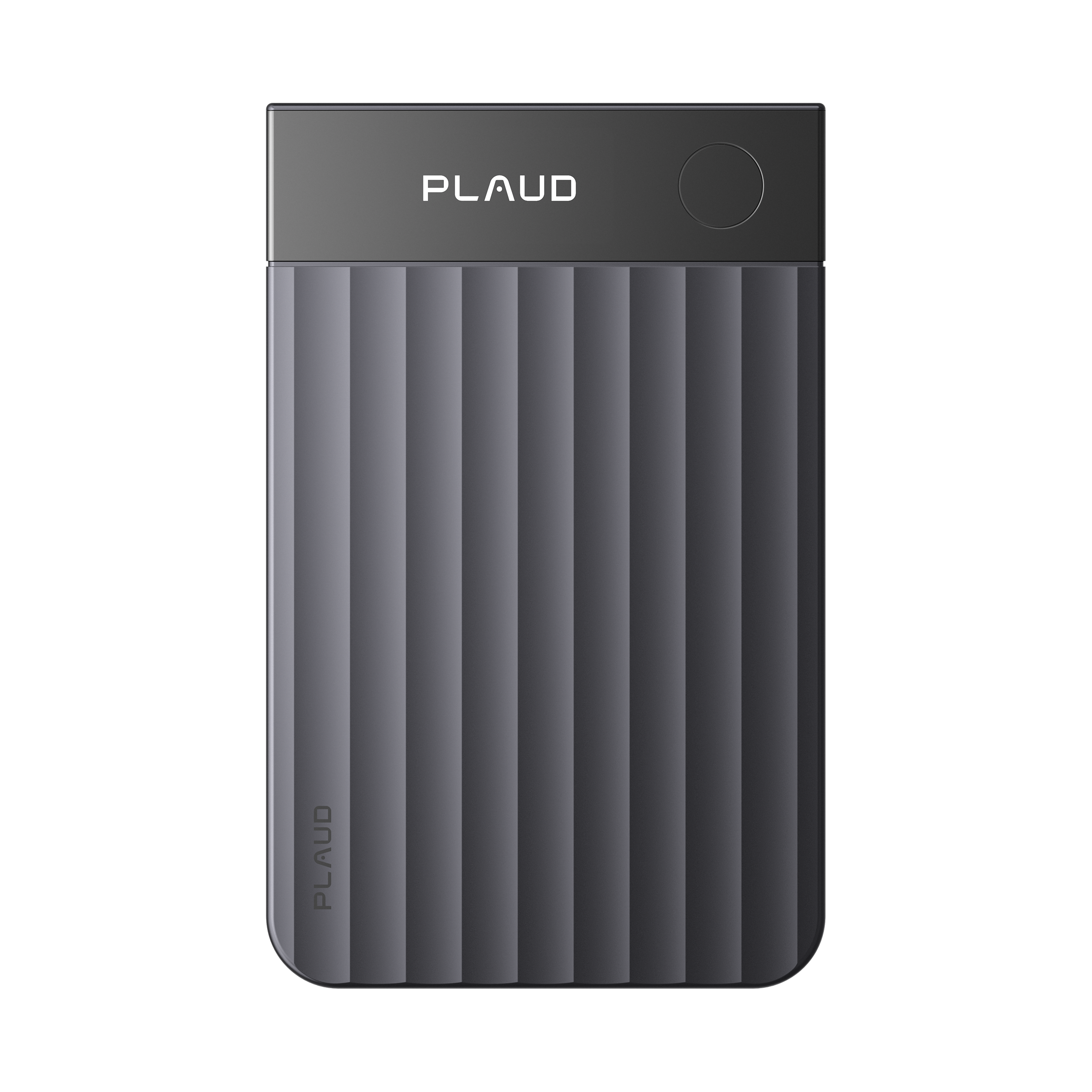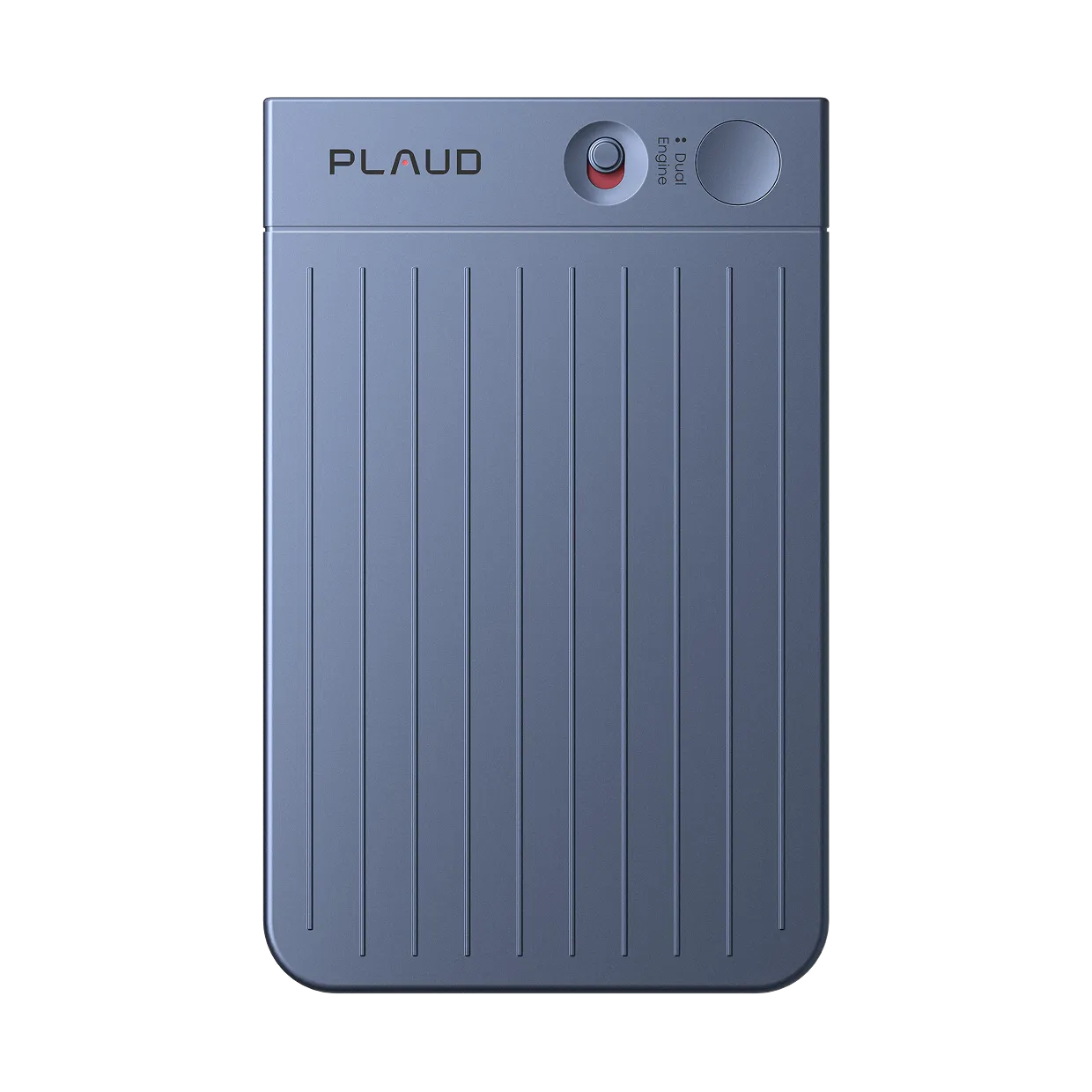
As an early adopter who's spent real money on AI hardware over the past two years, I need to set expectations upfront: wearable AI note-taking devices are still in their early innings. A few work well for specific tasks. Most are concepts that haven't shipped a reliable version yet, or have already been acquired and shut down.
If you're looking for a polished, "it just works" experience like AirPods or Apple Watch, this article isn't for you yet. Come back in a year or two.
My problem was simple. I kept losing details from in-person conversations, coffees with founders, quick hallway chats at conferences. I'd pull out my phone to record and the vibe would shift. I'd try to take notes and miss half of what was said. Then I'd spend the next day piecing together what happened from memory, getting things wrong, and sending follow-up messages that made me look like I wasn't paying attention.
So I started buying every wearable AI recorder I could find. Five devices later, here's what I actually learned.
How I picked these devices
What's actually out there right now
Here's the uncomfortable truth about wearable AI note-taking in 2026: the category is a mess. At CES 2026 alone, there were at least ten new AI-powered wearable recorders announced. But "announced" and "usable" are very different things.
I'm only covering devices that I could actually buy (or that were available before being acquired) and that real people have used in the wild. No vaporware, no pre-order-only Kickstarters.
How mature are these, really?
Before diving into specific devices, it helps to understand where each one sits in terms of real-world readiness. Not all "available" products are at the same stage.
| Device | Status | Ecosystem | Real-World use |
|---|---|---|---|
| Plaud NotePin S | Shipping, 2nd gen | Mature app, cloud + local | Daily driver for many users |
| Limitless Pendant | Acquired by Meta (Dec 2025), winding down | Support for ~1 year, no new sales | Early adopters only, sunset in progress |
| Humane AI Pin | Discontinued (Feb 2025), sold to HP | Servers shut down, device is a brick | Dead. Fully dead. |
| Soundcore Work | Shipping, 1st gen | App improving, Anker ecosystem | Solid for casual use |
| Omi | Shipping, open-source dev kit | Community-driven, rough around edges | Tinkerers and developers |
What I actually look for
After testing all five, my buying decisions come down to three things:
Maturity. Does the device reliably record, transcribe, and summarize without me babysitting it? A broken workflow is worse than no workflow.
Ecosystem. Where do my notes end up? Can I search them? Export them? If the company gets acquired tomorrow (and in this market, that's a real concern), can I get my data out?
Scene coverage. I need something that works in a conference room, at a coffee shop, and on a phone call. A device that only handles one of those isn't worth the pocket space.
Here's the quick version of how they compare:
| Device | Works well when | Falls when | Best for |
|---|---|---|---|
| Plaud NotePin S | In-person meetings, interviews, calls | Very large or noisy rooms | People who want something that works today |
| Limitless Pendant | Always-on ambient recording | You can't buy it anymore | Historical interest, existing owners |
| Humane AI Pin | Never, it's discontinued | Every scenario | Nobody (cautionary tale) |
| Soundcore Work | Quick recordings, casual note-taking | Long recording days, power users | Budget-conscious occasional users |
| Omi | Developer experimentation, custom workflows | Anyone wanting a polished experience | Tinkerers who like open-source |
5 best wearable devices for AI note taking (Reality check)
Plaud NotePin S: Why it's the safe bet right now
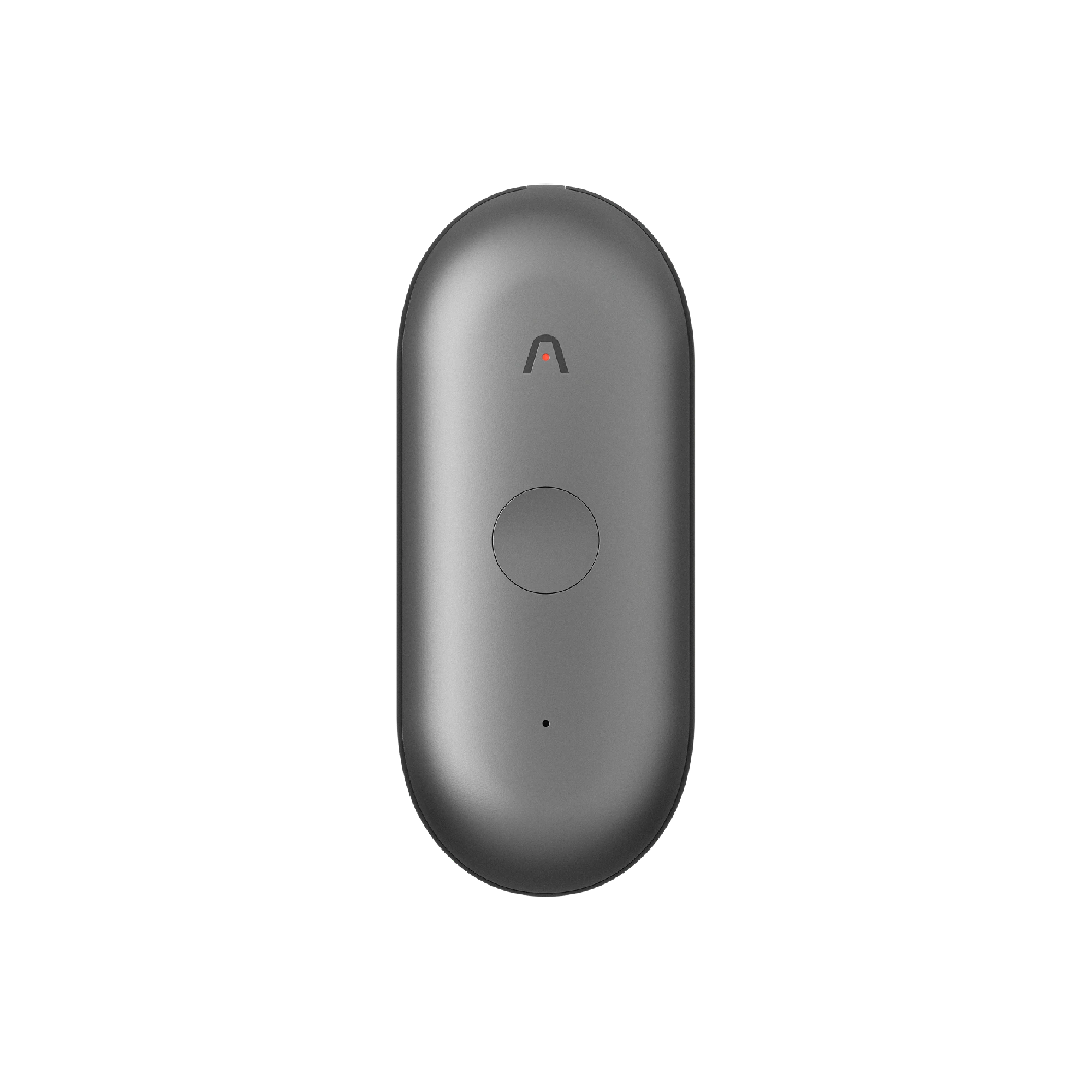
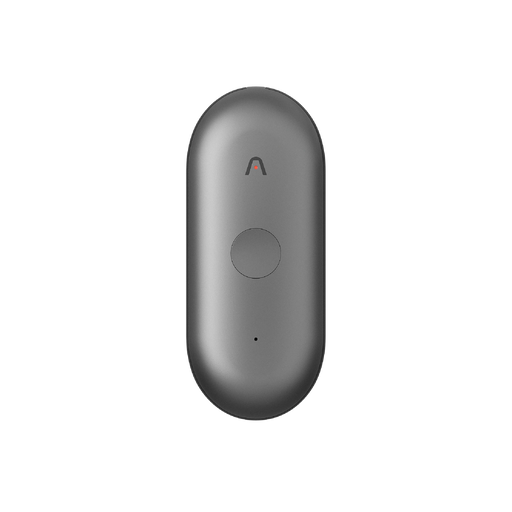
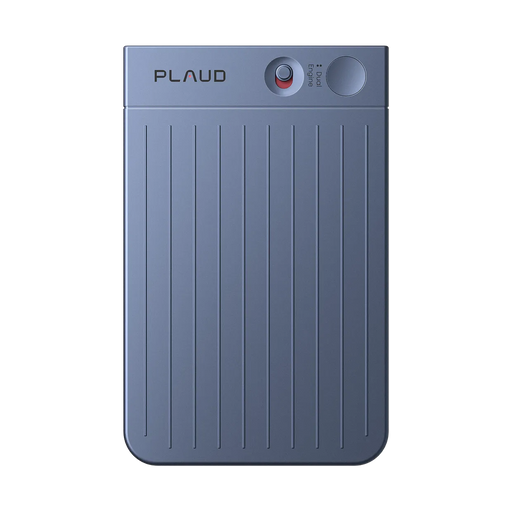
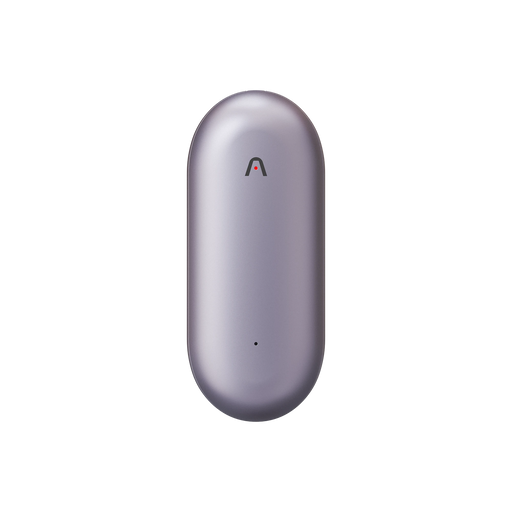
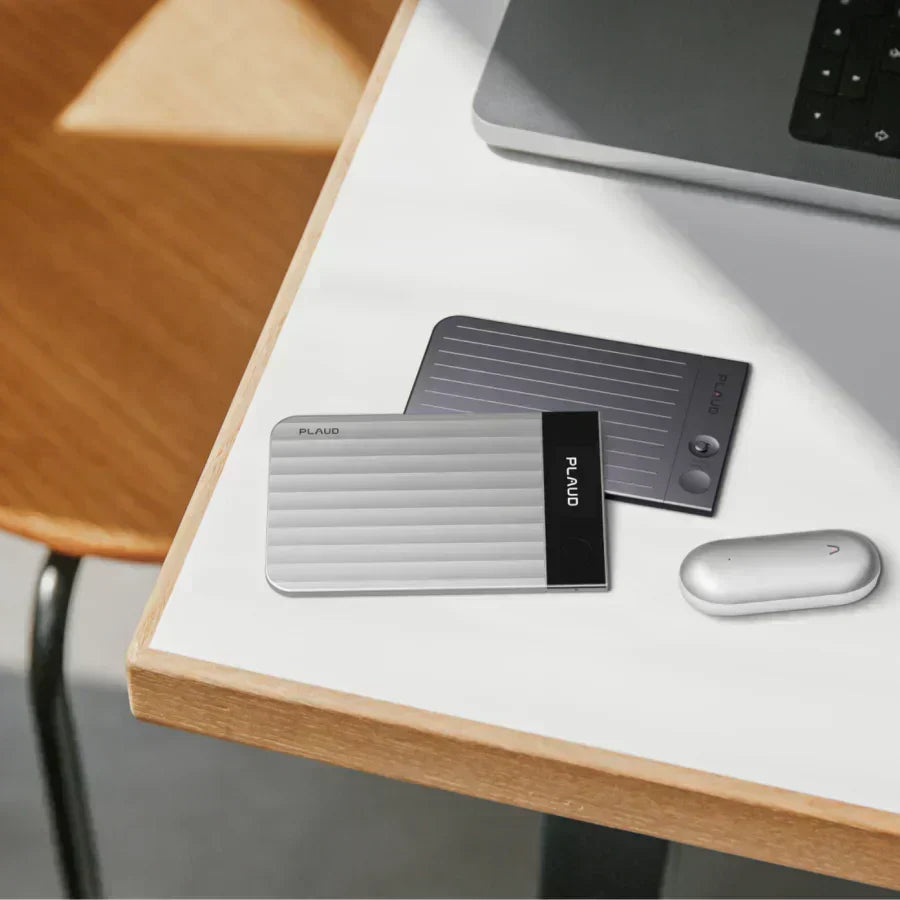
The NotePin S is basically a tiny pill-shaped recorder with a physical highlight button that lets me flag important moments while they're happening. That button turned out to matter more than I expected.

What It does well
I clip it to my shirt collar before meetings and forget about it. It picks up conversation clearly when I'm sitting across from someone or in a small group, maybe six to eight people around a table. After the meeting, the Plaud app generates a transcript and summary that's genuinely useful, not just a wall of text.
The highlight button is my favorite feature. When someone says something important in a meeting, I tap the button, and that moment gets flagged in the transcript. It means I don't have to scrub through a 45-minute recording to find the one decision that actually matters.
Battery life is one of those things I stopped thinking about. I charge it maybe once every week and a half, and that's with daily use. It supports over a hundred languages, which came in handy when I was at a multilingual event last month.
Where it comes up short
The pickup range has real limits. In a large conference room with fifteen-plus people, the folks at the far end of the table get fuzzy. I've had to move it to the center of the table for bigger meetings, which means taking it off my shirt and placing it there (a bit awkward).
It's also focused on recording and note-taking. If you're hoping for a general AI assistant that answers questions or sets reminders on your wrist, that's not what this is. It does one thing, captures and processes conversations, and does it well.
The subscription is something to factor in. The device itself costs $179, but you'll want the unlimited plan at $29.99/month (or $239.99/year, which works out to about $20/month. Over a year, that adds up.
Limitless pendant: The "Memory Necklace" that meta swallowed
This was the always-on "memory pendant" that promised to record your entire day and make it searchable. Interesting concept, genuinely useful for a specific type of person, and now effectively a dead product walking.
Why it was interesting
Limitless took a different approach from Plaud. Instead of pressing a button to start recording a specific meeting, you'd just wear it all day. It captured everything, conversations, phone calls (via desktop integration), even what was on your screen through the companion Rewind app. Then you could ask it things like "What did Sarah say about the budget in yesterday's standup?"
For the few months I used it, that ambient capture model felt genuinely futuristic. I didn't have to remember to start recording. The AI sorting through my day and surfacing relevant moments was a real taste of what this category could become.
What happened
Meta acquired Limitless in December 2025 and immediately stopped selling the pendant. Existing users got bumped to a free unlimited plan, which sounds nice until you realize the device is on a path to obsolescence by late 2026. No new features, no bug fixes, no future.
If you're in the EU or UK, you've already lost access entirely. The Rewind desktop app is shut down. And the HIPAA compliance that made it usable for some professionals? Gone under Meta's ownership.
I can't recommend buying something you can't buy. But the Limitless story matters because it highlights the biggest risk in this category: your device is only as stable as the company behind it.
Humane AI pin: The cautionary tale
The Humane AI Pin shipped in April 2024 at nearly $700, promised to replace your smartphone, and was fully bricked by February 28, 2025. That's less than a year from launch to landfill.
The gap between concept and reality
Humane's pitch was ambitious: a screenless, voice-first device with a laser projector that displayed information on your palm. AI-powered everything. Calls, messages, queries, translations, note-taking. The founders were ex-Apple designers. Investors included Sam Altman and Marc Benioff. The company raised $230 million.
The reality? Reviewers called it "bad at almost everything it does, basically all the time." The battery overheated. The charging case had fire hazard issues and got recalled. Returns outpaced sales. By October 2024, Humane had slashed the price from $699 to $499 in desperation.
In February 2025, HP bought Humane's patents and team for $116 million (a fraction of the $750 million to $1 billion price it had sought), shut down the servers, and told customers to recycle their devices through e-waste programs. Refunds were only available to people who bought within the last 90 days.
Should you wait for something like this?
Not unless you're comfortable throwing money away. The AI Pin proved that "doing everything" is a recipe for doing nothing well. The devices that actually work in 2026, like the NotePin S, succeed because they pick one job and execute it reliably. If you're the kind of person who wants to "observe the concept," just follow the news. Don't fund these experiments with your wallet unless you can afford to lose every dollar.
Soundcore work: Anker's coin-sized newcomer
Soundcore Work is a coin-sized recorder from Anker that clips to your shirt or hangs from a lanyard. At $159, it's the big brand's first serious attempt at an AI note-taker, and it shows: solid hardware, but software that's still catching up.
What it does well
The form factor is genuinely impressive. It's smaller than a quarter, weighs almost nothing, and the single-button operation is dead simple. Press to start, press to stop. Double-tap to mark a highlight. That's it.
Sound quality surprised me. In a normal-sized meeting room, it captured voices clearly from across the table. The AI transcription (powered by GPT) handles multiple languages and does a decent job separating speakers, though it gets confused with more than three or four people talking.
The charging case gives you about 32 hours total, which means I only need to charge it once a week for typical use. And Anker's build quality is what you'd expect: the thing feels solid and well-made.
Where it comes up short
The subscription model is frustrating. You get 300 free minutes of transcription per month (about an hour and 15 minutes per week). That's enough for very light use, but if you're in meetings daily, you'll need the Pro plan at $15.99/month. Over a year, the total cost rivals or exceeds the Plaud NotePin S.
The app is functional but not polished. It doesn't have the depth of Plaud's ecosystem: no mind maps, no chat-with-your-notes feature, no multi-recording summaries on the free plan. It feels like a first-generation product, which it is.
Battery life on the pin alone (without the case) is about eight hours. For a full day of conference sessions, that's cutting it close. I ran out during a day-long event and had to fish the case out of my bag to recharge mid-afternoon.
Omi: The open-source experiment
If the NotePin S is the Honda Civic of this category (reliable, gets the job done), Omi is the kit car. You can build something amazing with it, but you'll need to get your hands dirty.
What it does well
Omi is fully open-source, both hardware and software. For $89, you get a pendant-sized device that pairs with your phone and records conversations. The community has built plugins for everything: sales coaching, translation, sleep analysis, even a "Friend" persona that just chats with you.
The price point is the lowest in the category by far. And because it's open-source, there's no vendor lock-in. If the company disappears tomorrow, the community can keep the software alive (and in fact, after Meta acquired Limitless, many users migrated to Omi using open-source firmware).
Omi also offers HIPAA compliance and SOC 2 certification, which is surprisingly mature for an open-source project. You can store data locally on your phone if cloud storage makes you nervous.
Where it falls apart
The hardware-software connection is unreliable. I got "Your Omi Disconnected" notifications constantly. The battery indicator jumped between 100%, 41%, and 63% with no logic. The AI chat feature crashed regularly.
There's no onboard storage. Everything streams to your phone over Bluetooth, which means if your phone loses connection (walks out of Bluetooth range, phone dies, app crashes), you lose that audio. For something I'm relying on to capture important conversations, that's a dealbreaker.
The setup requires real technical comfort. This isn't a "download the app and go" experience. I'd only recommend it to people who genuinely enjoy tinkering with hardware and don't mind filing GitHub issues when things break.
So which one should you pick?
After testing all five, here's my decision framework:
If you need something that works today, no excuses: go with the Plaud NotePin S. It's the most mature product in the category. The hardware is solid, the app is polished, and the company has been shipping AI recorders since 2023. It's not flashy, but it does the job every single day.
If you want an affordable entry point from a big brand: the Soundcore Work makes sense. It's cheaper upfront and the Anker name provides some confidence the product won't disappear overnight. Just budget for the subscription.
If you're a developer who wants to build on an open platform: Omi is your playground. The price is right and the community is active. Just don't expect a smooth consumer experience.
If you're tempted by the "always-on memory" concept: wait. Limitless showed the idea has promise, but the category needs to mature. Meta, Amazon (which bought Bee), and others are absorbing these startups. The next generation of this concept will likely live inside smart glasses or earbuds from a major platform player, not a standalone pendant.
If you're still unsure: buy the device that solves your most pressing problem right now, and keep an eye on the rest. The category is moving fast, and last year's hot product is this year's acquisition target. Start with something that works, and upgrade when the next generation proves itself.
Conclusion
The wearable AI note-taking market in 2026 is a strange mix of genuinely useful tools and expensive cautionary tales. Two of the five devices I tested no longer exist as standalone products. That tells you something about where the industry is.
For now, the winning strategy is simple: buy for the job, not the concept. The Plaud NotePin S handles in-person recording and note-taking better than anything else I've tried. The Soundcore Work is a solid budget alternative. Everything else is either shutting down or still too rough for daily use.

Here's how I'd match the three most common use cases to a device:
Regular meetings (team syncs, client calls, 1-on-1s): Plaud NotePin S. Clip it on, tap to highlight key moments, review the summary after.
Occasional recordings (a doctor's appointment, a lecture, a quick idea): Soundcore Work. Simple, affordable (if you stay within the free tier), and backed by Anker.
Experimental or developer use: Omi. Cheap, open-source, and endlessly customizable if you're willing to put in the work.
The "wearable AI assistant that replaces your phone" isn't here yet. What is here are small, focused recorders that solve a real problem: capturing conversations so you can stay present in them. That's worth paying for.