
La revisión del sprint termina y tres personas en la llamada tienen tres recuerdos diferentes de quién es el responsable de la tarea de integración de la API. Las notas del gerente de producto están en tres lugares. Un bloc de notas con cinco líneas de taquigrafía. Un mensaje de Slack que se detiene a mitad de la frase. Un documento de Google que nunca se completó.
La mayoría de los enfoques para tomar notas fueron diseñados para las aulas. Las revisiones de sprint no funcionan como las aulas.
Por qué la mayoría de las notas de reuniones fallan antes de que termine la reunión
El problema principal es que escuchar y escribir utilizan los mismos recursos cognitivos. La investigación sobre el control ejecutivo muestra que el cambio entre tareas reduce tanto la precisión como el recuerdo (Rubinstein, Meyer y Evans, 2001). En una revisión de sprint, el gerente de producto anota la decisión y se pierde la restricción que la impulsó.

Aparecen tres modos de falla en las reuniones de equipo. El primero es el abandono a mitad de la frase. El tema cambia mientras el gerente de producto todavía está escribiendo el punto anterior. La línea incompleta es inútil para el martes. El segundo es la pérdida de contexto. Se escribe "Integración de API pospuesta para el tercer trimestre". La dependencia del servicio de autenticación que hizo que el tercer trimestre fuera la única opción no se anota. El tercero es la compensación de atención. Escribir más significa escuchar menos, y la tensión silenciosa entre ingeniería y diseño pasa desapercibida.
Lo que funciona es tratar las notas como un registro de decisiones en lugar de una transcripción. El objetivo es capturar lo acordado, quién es el responsable de cada acción y por qué se tomó la decisión. No reconstruir lo que se dijo.
Para la conexión entre la atención y lo que se captura en una sala, vea escucha activa en el trabajo.
Qué escribir y qué omitir
Cuatro cosas deben estar en cada nota de revisión de sprint: decisiones con la restricción que las impulsó, elementos de acción con propietario, equipo y fecha límite, contexto clave que explique una decisión que de otro modo parecería arbitraria, y preguntas abiertas con un propietario nombrado y un sprint objetivo.
Omita los diálogos textuales, las conversaciones secundarias y cualquier cosa que ya esté en el ticket o PRD.
La prueba de filtrado: si esta nota no genera un ticket, cambia una decisión de sprint o desbloquea a un miembro del equipo, omítala.

Métodos de toma de notas adaptados al tipo de reunión
Tres métodos cubren los tipos de reuniones que los gerentes de producto realizan con mayor frecuencia: formato de elementos de acción para revisiones de sprint, captura de preguntas para sesiones de descubrimiento y esquema con marcas de tiempo para revisiones de hojas de ruta.
Método 1: Formato de elementos de acción
Para revisiones de sprint, standups, comités directivos y sincronizaciones entre departamentos.
- Escriba un encabezado de una línea: fecha, número de sprint, asistentes con su equipo.
- Una línea por elemento de la agenda, anotando solo el resultado, no la discusión.
- Indente las decisiones debajo del elemento de la agenda, incluida la restricción que las impulsó.
- Marque los elementos de acción con cuatro campos: tarea, propietario, equipo, fecha límite.
Método 2: Captura de preguntas
Para sesiones de descubrimiento de productos, entrevistas de requisitos y retrospectivas.
- Dibuje dos columnas: requisitos y preguntas abiertas.
- Capture cualquier cosa que surja en la columna apropiada.
- Diez minutos antes del cierre, asigne cada pregunta abierta a un propietario de sprint con un sprint de resolución objetivo.
Método 3: Esquema con marcas de tiempo
Para revisiones trimestrales de la hoja de ruta, planificación anual y sesiones largas de intercambio de información.
- Use encabezados H2 para las secciones de la agenda a medida que avanza.

- Anote la hora en que cambia cada tema.
- Escriba una oración por sección: la decisión o dirección clave, expresada como un hecho simple.
Para los tres, la exhaustividad mejora cuando hay una grabación disponible. Consulte 9 métodos diferentes para tomar notas para una referencia más completa.
Cómo tomar notas de reuniones sin perder la conversación
Cada segundo dedicado a escribir es un segundo que no se dedica a observar la sala. En una revisión de sprint, perderse el momento en que ingeniería y diseño discrepan silenciosamente cuesta más que unas notas incompletas.
Un anotador dedicado o una grabación de audio pueden ayudar, pero ambos aún requieren trabajo manual después de la reunión y dependen de que alguien renuncie a su atención plena durante la misma. Un tomador de notas con IA captura, transcribe y resume la conversación por sí mismo, sin necesidad de una sesión de revisión posterior a la reunión.
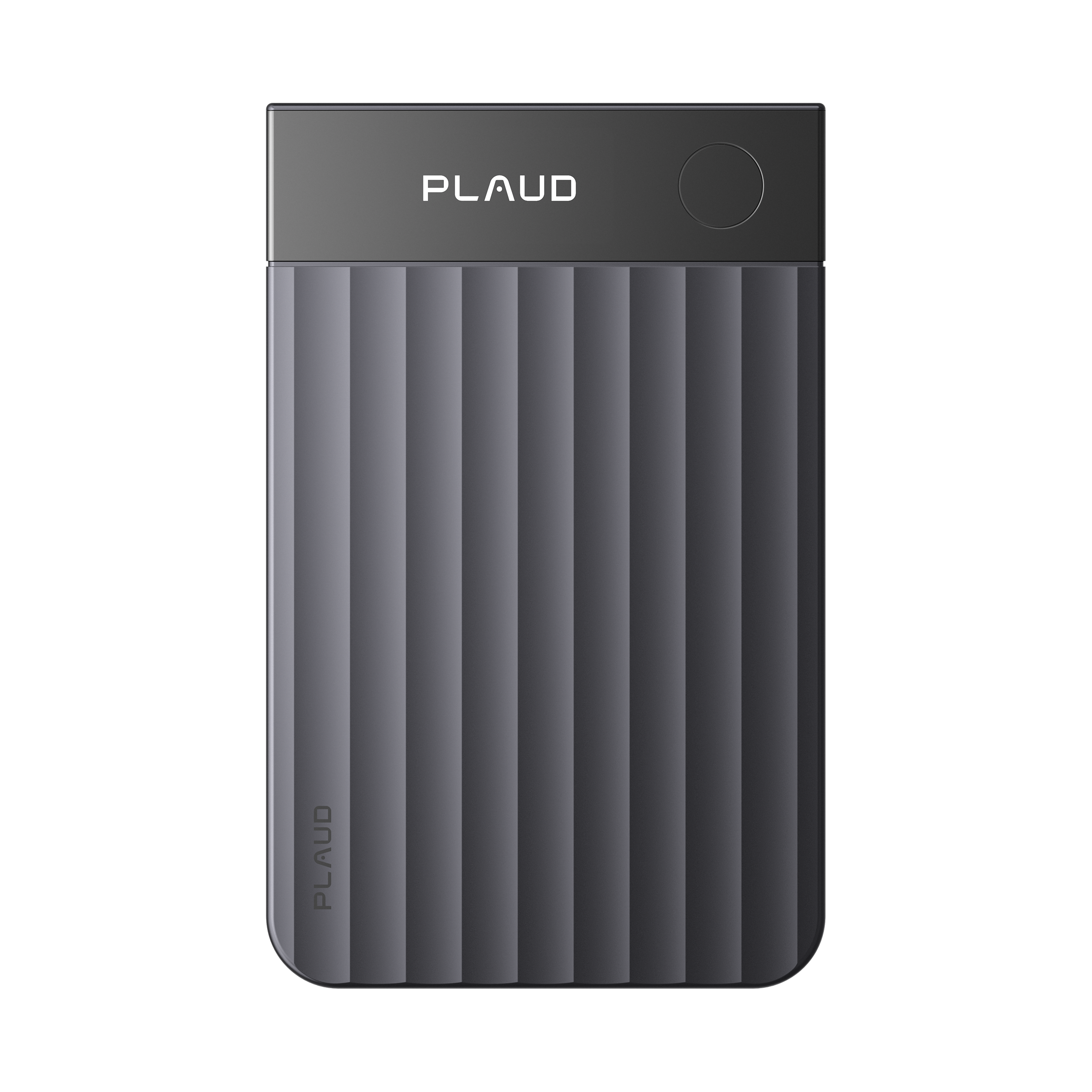
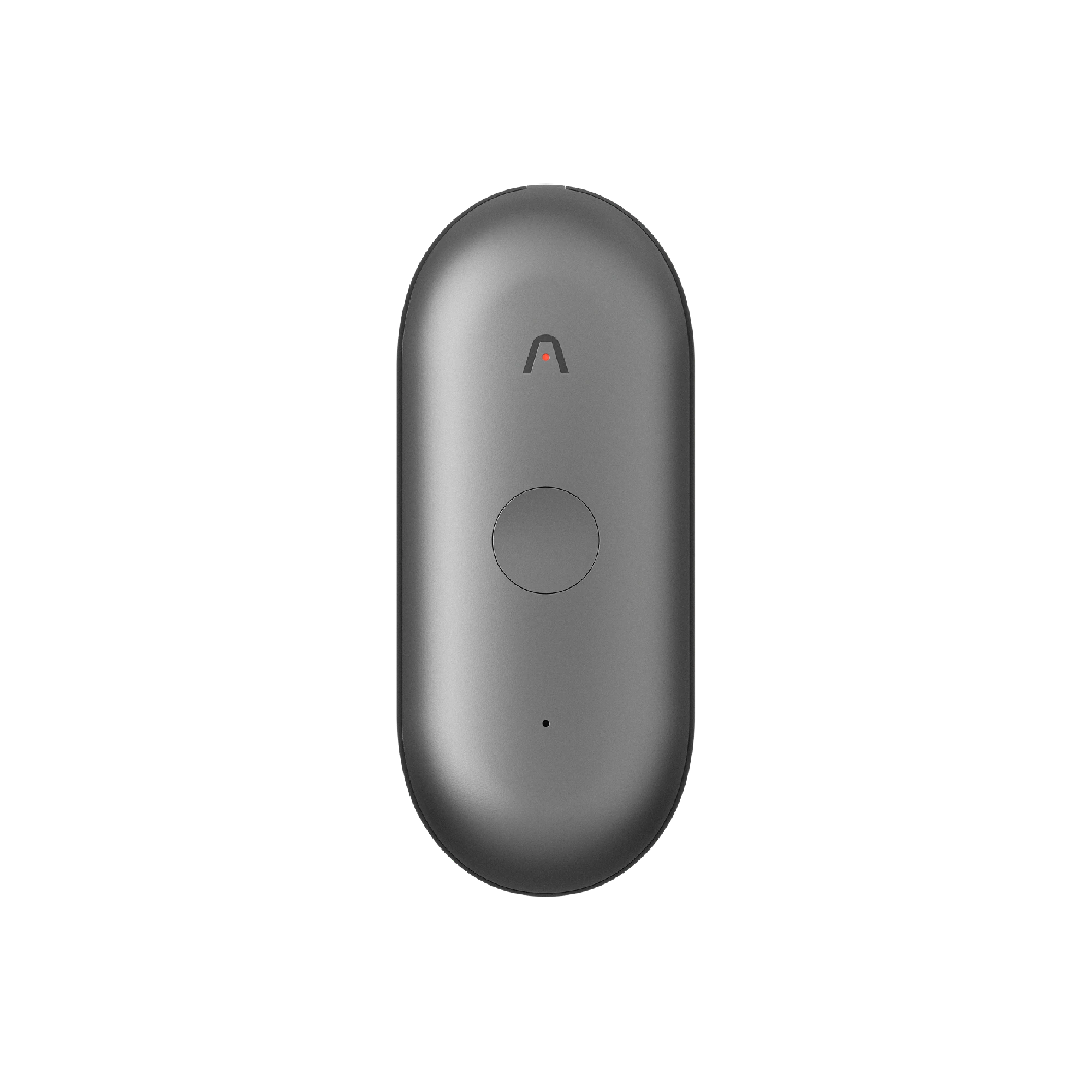
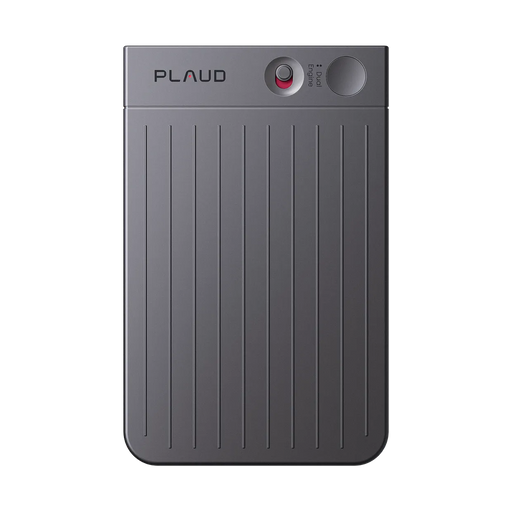
Plaud Note Pro es un tomador de notas físico con IA que capta las voces claramente hasta 5 metros con 4 micrófonos MEMS y formación de haces de IA. Cubre una sala de revisión de sprint estándar sin mover el dispositivo. Plaud Intelligence transcribe en 112 idiomas, lo cual es importante para equipos de productos distribuidos que trabajan en diferentes regiones. Para equipos con requisitos de cumplimiento de TI, Plaud Note Pro cumple con los estándares ISO 27001, ISO 27701, SOC 2 Tipo 2, GDPR y HIPAA.
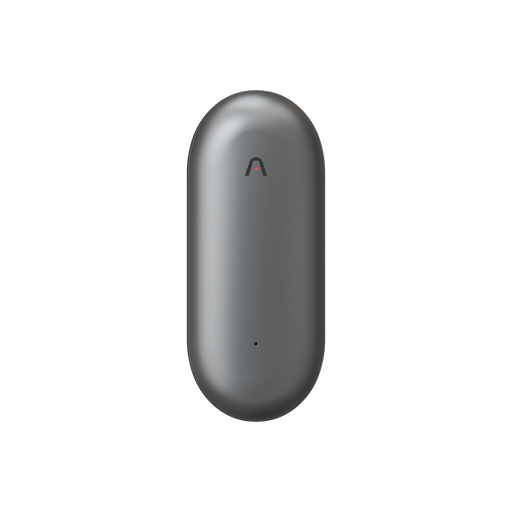
La compra de Plaud Note Pro da acceso a la plataforma completa de Plaud: dispositivo, aplicación Plaud y Plaud Desktop. Plaud Desktop captura reuniones en línea sin que un bot se una a la llamada, por lo que la transmisión de video del gerente de producto permanece limpia. Plaud Note Pro maneja la revisión de sprint en persona y las conversaciones de campo. Ambos se sincronizan y procesan a través de Plaud Intelligence en el mismo resultado estructurado. Para un gerente de producto que ejecuta standups remotos y sesiones de planificación en persona en la misma semana, una cuenta cubre ambos formatos.

“Esto me permitirá estar presente en las reuniones en lugar de concentrarme en las notas.” — comprador verificado
Para una comparación de opciones de hardware en escenarios de sprint consecutivos, consulte los mejores tomadores de notas con IA para reuniones consecutivas.
Plantilla de notas de reuniones gratuita
Copie esto directamente en Notion, Confluence o Google Docs. Si está utilizando Plaud Note Pro, consulte cómo usar un tomador de notas con IA para reuniones en persona antes de su primera sesión.
Punto del orden del día 1: [Tema]
Decisión: [Qué se acordó + la restricción o razón que lo impulsó]
Elementos de acción:
Preguntas abiertas:
Punto del orden del día 2: [Tema] — repetir la estructura anterior
Próxima reunión: [Fecha] | [Puntos del orden del día confirmados]
Si está utilizando Plaud Note Pro, tendrá acceso a más de 10,000 plantillas de resumen. Puede personalizar el formato de salida, los nombres de las secciones y los campos de elementos de acción para que coincidan con la estructura de revisión de sprint de su equipo, o crear una plantilla desde cero. Plaud Intelligence aplica la plantilla automáticamente después de cada grabación, por lo que la salida estructurada está lista sin formato manual. Explore y comparta plantillas creadas por otros usuarios de Plaud en la comunidad de plantillas de Plaud.

Cómo compartir notas para que realmente se lean
Envíe en un plazo de dos horas, organizado por equipo. Los elementos de acción de ingeniería van primero, luego los de diseño, luego las decisiones y luego el contexto. Pegue la tabla de elementos de acción directamente en Jira o Linear. Publique las decisiones en Confluence, no en Slack.
Si la limpieza antes de enviar es lo que causa demoras, Plaud Intelligence genera un resumen estructurado listo para compartir sin necesidad de editar.

Referencias
- Rubinstein, J. S., Meyer, D. E., & Evans, J. E. (2001). Executive control of cognitive processes in task switching. Journal of Experimental Psychology: Human Perception and Performance, 27(4), 763–797. https://doi.org/10.1037/0096-1523.27.4.763