
Heidi AI and Freed AI are two of the most-compared ambient AI medical scribes, and for good reason: both are genuinely capable products with real clinician adoption, but they are built on different philosophies. This comparison covers pricing, compliance, languages, and EHR integration, so you can match the tool to your practice rather than to whichever one's marketing you saw first.
Quick answer
Freed AI fits solo clinicians and small US practices who want simple, transparent, self-serve pricing and don't need multilingual support. Heidi AI fits practices that want a genuine free tier to test first, need broader language or specialty coverage, or operate outside the US. Neither offers native EHR write-back at the individual-clinician level, and both require a paid plan for real day-to-day use.
Heidi AI vs Freed AI at a glance
| Heidi AI | Freed AI | |
|---|---|---|
| Founded | 2021, Melbourne, Australia | 2023, United States |
| Pricing model | Free tier, then $40–$150+/user/month, custom above | Flat self-serve tiers, $39–$119/month |
| Free tier | Yes, ongoing, 10 Pro Actions/month cap | No, 7-day free trial only |
| Languages | 110+ | 90+ |
| Specialties | 200+ | Strongest in primary care and family medicine |
| BAA availability | Practice tier and above only | Included on all paid plans |
| EHR integration | Varies by tier and system, deeper on Practice+ | Chrome extension push on Premier tier only |
| Best known for | Breadth: languages, specialties, built-in clinical evidence | Simplicity: fast setup, transparent flat pricing |
Pricing compared
Freed AI keeps pricing simple: Starter at $39/month (capped at 40 notes), Core at $79/month (unlimited notes), and Premier at $104/month billed annually or $119/month billed monthly, which adds EHR push and ICD-10 coding. A custom Groups plan covers multi-clinician practices. What you see is close to what you pay, with the main catch being that most full-time clinicians outgrow the Starter cap within days and need Core or Premier for real use.
Heidi's pricing is more layered, and it changed significantly in February 2026. The main paid tier, Clinician, rose from roughly $99 to $150 per user per month billed annually. An Evidence Plus add-on runs around $40/user/month for clinical evidence features without full scribing, and Practice and Enterprise tiers are custom-quoted. Heidi's free tier is real and ongoing, not a trial, but the 10 Pro Actions per month cap limits it to evaluation rather than daily practice.
Read the full breakdown in our dedicated Freed AI review and Heidi AI scribe review for tier-by-tier detail.
Free tier and trial compared
This is one of the clearest philosophical differences between the two. Freed AI offers a 7-day free trial with no credit card required, after which a paid plan is required to continue. Heidi AI offers an ongoing free plan with unlimited transcription and standard templates, capped at 10 Pro Actions a month, that never expires.
For a clinician who wants a quick yes-or-no test before paying, Freed's trial is enough. For a clinician who wants to keep a genuinely free option running indefinitely, even at limited capacity, Heidi's free tier serves a different purpose, closer to a permanently available light-use plan than a sales funnel.
HIPAA, BAA, and compliance compared
Both platforms report HIPAA compliance and SOC 2 Type II certification. The meaningful difference is where a signed Business Associate Agreement sits in the pricing structure.
Freed AI includes a BAA on all paid plans, Starter through Premier. Heidi AI gates a signed BAA to the Practice tier and above, and the Free, Evidence Plus, and Clinician plans rely on Heidi's standard terms of service rather than an individually signed BAA. For a US clinician who needs a signed BAA and doesn't want to negotiate a custom Practice quote, this is a real, decision-relevant difference rather than a minor footnote.
As with any tool that touches protected health information, get the patient's awareness and consent before recording a visit, in line with your organization's policies. Before you record, take a moment to let others know and get their okay.
Languages and specialty coverage compared
Heidi supports more than 110 languages and reports coverage across more than 200 specialties, reflecting its international footprint, particularly in Australia and the UK. Freed AI supports more than 90 languages with automatic detection, always producing the final note in English, and its accuracy is strongest in primary care and family medicine, the specialties it was originally built around.
For a practice serving a broad range of specialties or a multilingual patient population, Heidi's breadth is the bigger advantage. For a primary care or family medicine practice documenting mostly in English, Freed's narrower focus is not a real limitation.
EHR integration compared
Neither platform offers native EHR write-back at the individual-clinician tier, which is worth stating plainly since both companies' marketing can make the integration sound more automatic than it is. Freed's EHR Push, available only on the Premier plan, works through a Chrome browser extension that auto-fills browser-based EHRs like Practice Fusion or SimplePractice, and it does not connect via API to systems like Epic or Cerner. Heidi's EHR integration similarly depends on both your specific EHR and your plan tier, with deeper integration support reserved for Practice and Enterprise.
If native, API-level EHR write-back is a hard requirement, neither tool at the individual level meets it. That level of integration sits with enterprise platforms like Ambience Healthcare or Suki AI, both of which require an enterprise sales process.
Who should choose Freed AI

Freed AI is the better fit for solo clinicians and small US practices in primary care or family medicine who want flat, predictable pricing and don't need multilingual support. If a signed BAA on an individual plan matters to you, Freed includes it by default, which Heidi does not below the Practice tier.
Who should choose Heidi AI

Heidi AI is the better fit for practices with multilingual patient populations, clinicians outside the US, mental health and allied health providers who benefit from its specialty breadth, and anyone who wants to test a real free tier before paying anything. Students and trainees also get free full access to the Clinician plan through Heidi's dedicated trainee program.
If neither fits: a different kind of tool entirely

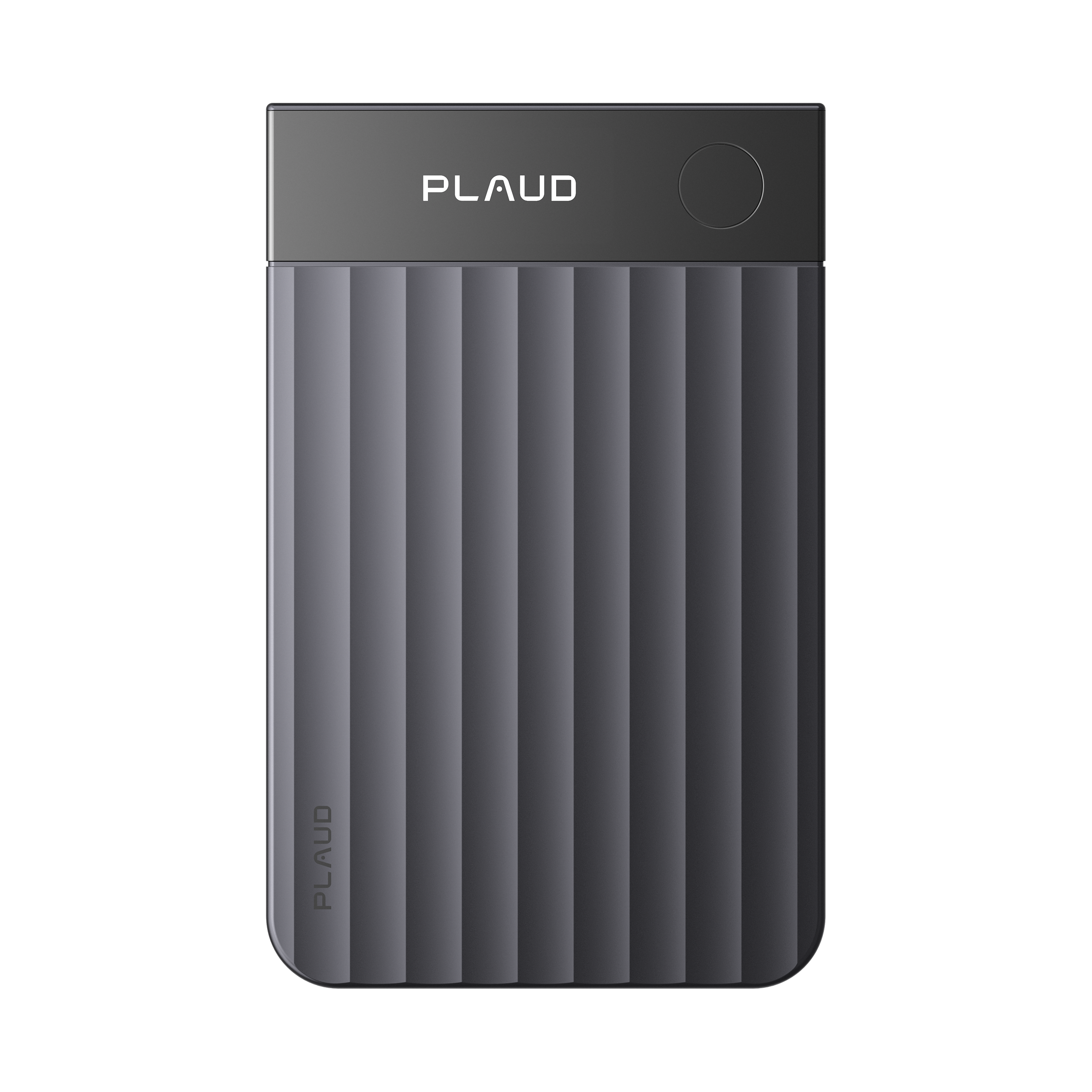
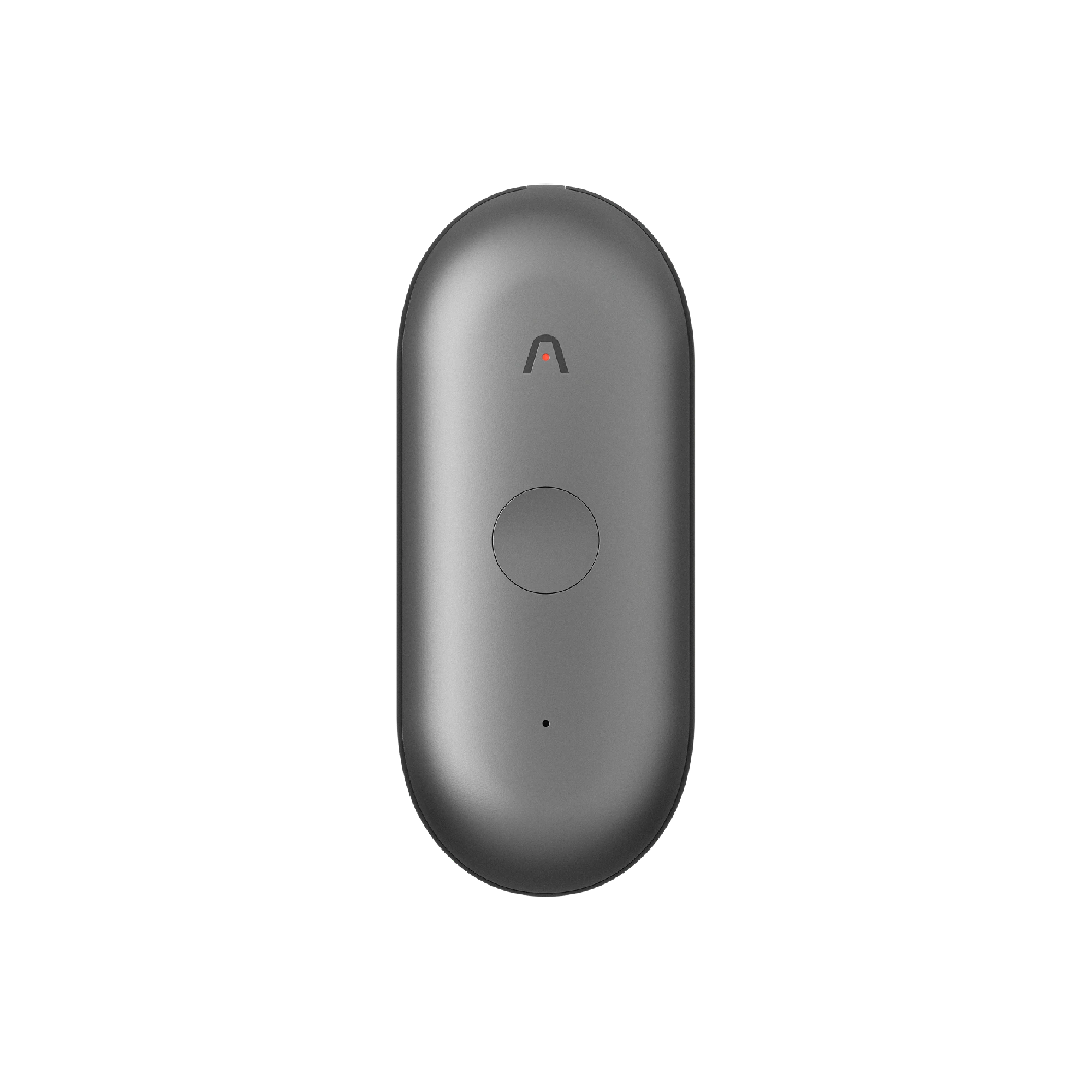
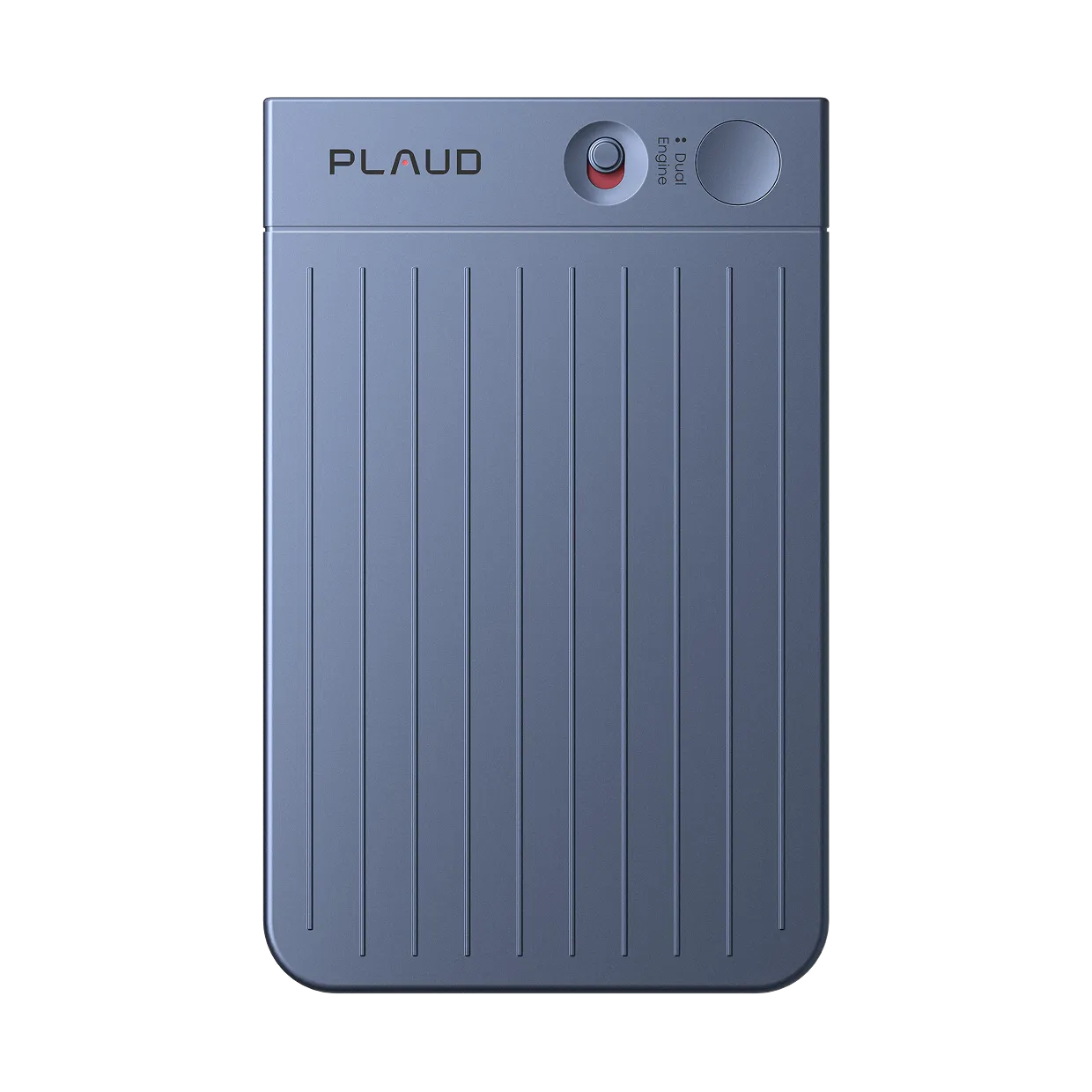
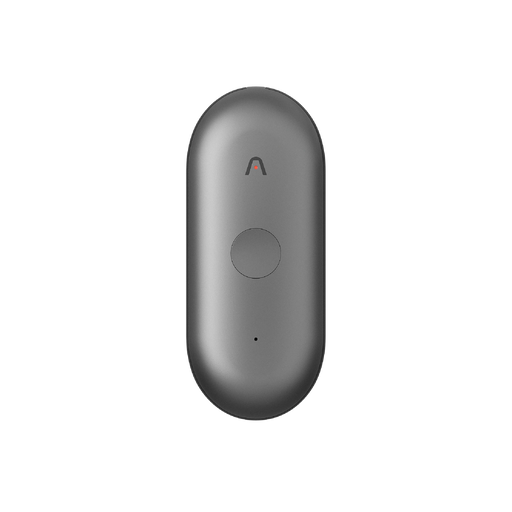
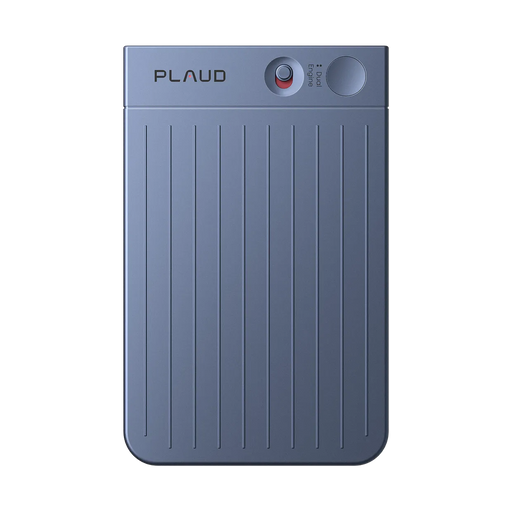
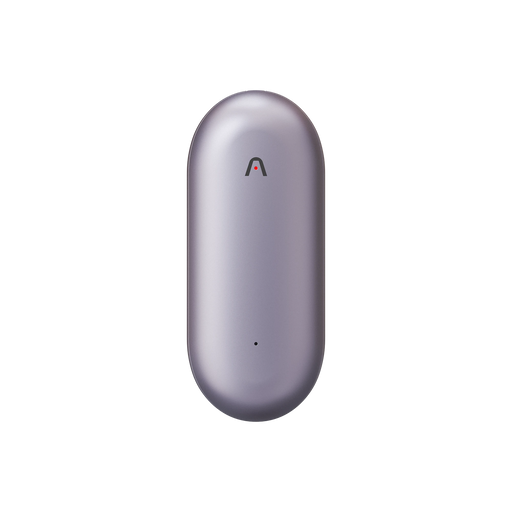
Both Freed and Heidi are software subscriptions with tiered feature gates, Freed's Premier-only EHR push and coding, Heidi's Practice-only BAA, that require picking the right tier for your situation. Plaud NotePin S sidesteps that decision entirely by being hardware rather than a multi-tier software plan: there's no feature locked behind a higher subscription level to track, just a device and a consistent subscription. Press the tactile record button, and Plaud Intelligence generates a structured note afterward, including SOAP and psychotherapy templates, for the clinician to move into the chart manually. For a small practice or department that wants several clinicians on the same setup, Plaud Team adds centralized billing and device management for up to 50 seats without a sales call. Like both Freed and Heidi, Plaud does not yet offer native EHR write-back, but it carries HIPAA-aligned safeguards, SOC 2 Type II, ISO 27001 and ISO 27701, GDPR, and EN 18031 for the device's wireless communication, the same compliance set Plaud publishes in its trust center. On the BAA question specifically, Plaud will sign one on request through its support team rather than including it automatically on a given plan, closer to Freed's every-paid-plan approach than Heidi's Practice-tier gate, though it's worth confirming current terms directly before recording real patient encounters.
Test both before committing to a year
Both companies offer a way to try before you commit: Freed's 7-day trial and Heidi's ongoing free tier. Run each on a handful of your actual encounters, check whether the BAA situation works for your practice, and confirm current pricing directly with each vendor, since both have changed tiers within the past year.