¿Tomar notas se siente como hacer papeleo (que nunca revisas)? El método Flow es una excelente alternativa a las notas de "muro de texto" porque facilita la captura y el escaneo de información.
En lugar de forzar las ideas en columnas o viñetas, escribes los puntos clave a medida que aparecen y los conectas visualmente con flechas, espaciado y anotaciones rápidas.
Las notas Flow son increíbles para el aprendizaje visual, temas creativos y discusiones abiertas (como la lluvia de ideas). No son tan buenas para temas estructurados. Pero no te preocupes, a continuación te diremos exactamente cómo y cuándo usar las notas flow. También te mostraremos un ejemplo rápido y una plantilla lista para usar.
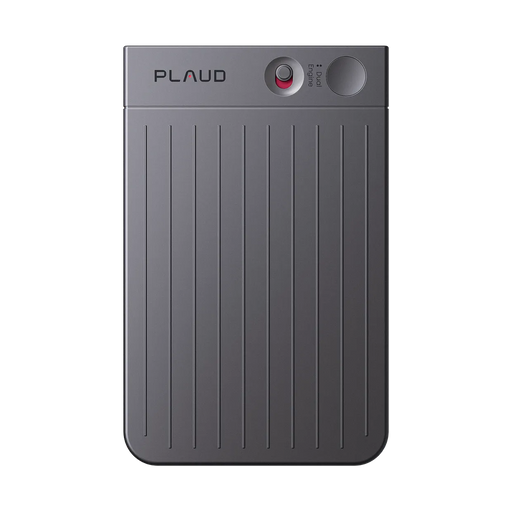
¿Cómo sabemos tanto sobre las notas flow? En Plaud, creamos tomadores de notas con IA utilizados por más de 1.5 millones de estudiantes y profesionales. Plaud AI genera automáticamente notas en más de 10,000 estilos, incluyendo notas estilo flow. Si estás cansado de tomar tus propias notas (y listo para participar en tus reuniones y clases), te encantará Plaud Note.
Este artículo es parte de la serie completa de métodos para tomar notas de Plaud, donde desglosamos los formatos más populares para que puedas elegir el que mejor se adapte a tu cerebro. Para mejorar tus habilidades para tomar notas, consulta nuestros artículos sobre el método de esquema, el método Cornell y el método de gráficos.
Descripción general: El método Flow para tomar notas
El método Flow para tomar notas organiza las ideas visualmente conectando conceptos con flechas, espaciado, grupos y ayudas visuales. Es posible que también hayas escuchado esto como mapeo mental.
Las notas Flow son dinámicas y de flujo libre (de ahí el nombre). Se apartan de la forma en que la mayoría de las personas toman notas porque no encajan limpiamente en una página rayada y no son compatibles con los procesadores de texto.
Pero es exactamente por eso que las notas basadas en el flujo son tan efectivas para algunos temas. Están hechas para información que no encaja en gráficos o esquemas rígidos.
Aquí tienes un ejemplo de cómo se ven las notas flow (también conocido como mapa mental):

Cuándo usarlo
Utiliza el método Flow cuando la información no sigue un patrón predecible. Si un orador salta entre ideas, da ejemplos antes de las definiciones o vuelve a puntos anteriores, las notas Flow lo manejan de forma natural.
Es especialmente útil para:
-
Sesiones de lluvia de ideas
-
Conferencias con muchos conceptos
-
Reuniones rápidas
-
Discusiones estratégicas
-
Temas donde las ideas se construyen unas sobre otras de forma impredecible
Para quién es mejor
El método Flow funciona mejor para las personas que necesitan visualizar las conexiones entre ideas. Incluyen:
-
Aprendices visuales
-
Pensadores de la visión general
-
Estudiantes que tienen dificultades con los esquemas estrictos
-
Cualquiera que se sienta encasillado por tablas y notas jerárquicas
Si naturalmente garabateas flechas en tus notas o dibujas líneas entre ideas relacionadas, este método te resultará intuitivo. Pero si prefieres cuadrículas limpias y comparaciones lado a lado, algo como el método de diagramación podría ser más adecuado para ti.
Ventajas y desventajas de las notas de flujo
Ventajas de las notas de flujo
-
Flexible y dinámico
-
Fomenta el pensamiento activo
-
Ideal para la lluvia de ideas
-
Ayuda a visualizar las relaciones entre ideas
Desventajas de las notas de flujo
-
Puede volverse desordenado
-
Más difícil de revisar si está mal estructurado
-
No es ideal para comparaciones
¿Qué es el método Flow para tomar notas?
El método Flow para tomar notas es un enfoque flexible que se centra en vincular conceptos visualmente en la página. A diferencia de los métodos tradicionales que se basan en columnas o jerarquías estrictas, el método Flow de toma de notas permite que las ideas se desarrollen de forma natural.
Escribes las ideas principales (normalmente en recuadros) y conectas los puntos clave de apoyo con flechas. Estas flechas o líneas representan las relaciones entre los conceptos.
Por ejemplo, pondrías "Arquitectos de rascacielos" en un cuadro de idea principal. Luego, con flechas, conectarías términos como "William Jenney" y "Louis Sullivan". Debajo de esos términos, podrías tomar algunas notas básicas, como describir sus proyectos clave.
Lo que diferencia las notas flow de otros métodos de toma de notas es la organización. En lugar de organizar la información de arriba hacia abajo en un orden estricto, las notas flow pueden moverse en cualquier dirección y desarrollarse naturalmente con el tema.
Este enfoque apoya el aprendizaje activo porque tienes que decidir en el momento cómo se relaciona la información crítica. Ese compromiso activo anima a estudiantes y profesionales a lograr una comprensión más profunda del material.
Lectura adicional: Si eres un estudiante que lee este artículo con la esperanza de tomar mejores notas, te recomendamos que consultes algunas de las otras excelentes herramientas de IA disponibles para ti en 2026.
¿Cómo funciona el método Flow?
El método Flow funciona capturando información en el orden en que aparece y conectando visualmente las ideas relacionadas a medida que avanzas. Escuchas las ideas principales, identificas los puntos clave y luego representas las relaciones usando flechas, espaciado y señales visuales.
No intentes ser perfectamente organizado, o te centrarás más en tus notas que en el orador. Solo intenta seguir la lógica del orador y conectar sus ideas en la página.
Para algunas personas, esto aumenta enormemente la memoria porque imita el flujo de la conferencia o reunión. Para las personas que piensan de forma más estructurada, puede parecer garabatos incoherentes.
Realmente depende de tu estilo de aprendizaje.
Tomando notas Flow: Guía paso a paso
¿Listo para aprender el proceso de toma de notas flow? Sigue estos consejos para empezar a tomar notas flow de la manera correcta.
Paso 1: Escribe el tema principal en la parte superior
Comienza tus notas flow con el tema de la conferencia o reunión en la parte superior de la página. Deja espacio debajo y alrededor.

Paso 2: Captura las ideas principales a medida que aparecen
Mientras tomas notas, anota las ideas principales en frases cortas. No busques oraciones completas. Céntrate en las ideas centrales y la información crítica.

Paso 3: Añade puntos clave de apoyo cerca
Debajo o al lado de cada idea principal, añade puntos clave de apoyo, ejemplos o definiciones.
Utiliza la sangría o pequeños grupos para mantener las ideas relacionadas agrupadas.

Paso 4: Dibuja conexiones entre conceptos
Ahora aplica el núcleo del formato de nota del método flow: vincular conceptos.
Usa flechas para mostrar:
-
Causa → efecto
-
Problema → solución
-
Definición → ejemplo
-
Idea → contrapunto

Paso 5: Revisar e identificar patrones
Al revisar tus notas de flujo, busca temas repetidos y conexiones entre conceptos clave. Los mapas mentales pueden ayudarte a identificar patrones que antes no habías notado.
Encierra en un círculo las secciones importantes, añade resúmenes rápidos con tus propias palabras y resalta las áreas que necesitan aclaración.

Ejemplo: El método Flow para tomar notas
Echemos un vistazo a cómo se verían tus notas de flujo después de una breve reunión sobre la comunicación del equipo. Observa cómo las notas de flujo tienen poco texto y son muy fáciles de escanear. Debería ser fácil visualizar conceptos relacionados en segundos.

Alternativas para tomar notas de flujo
El formato de toma de notas de flujo es un método poderoso para detectar patrones en información no estructurada. Si bien es flexible espacialmente, no es muy versátil. Pero no te preocupes, hay muchos otros métodos para diferentes estilos de aprendizaje o diferentes temas. Para reuniones más estructuradas y conferencias rápidas, prueba estas alternativas de notas de flujo.
Método Cornell

El método Cornell es probablemente el mejor método para tomar notas para aprender cosas nuevas. Está diseñado para ayudarte a revisar tus notas y aprender nuevos conceptos rápidamente.
Este método divide la página en señales, notas y una sección de resumen. Esto te anima a reflexionar y escribir los puntos clave con tus propias palabras. Recomendamos las notas Cornell a estudiantes y aprendices en el lugar de trabajo.
Método de Diagramación

El método de diagramación organiza la información en una tabla estructurada. Es ideal para comparar temas que caen bajo las mismas categorías.
Si estás recopilando datos estructurados como fechas, características, presupuestos o resultados de casos, la diagramación da la misma importancia a cada categoría. Es más limpio que las notas de flujo para la lectura rápida y la revisión rápida lado a lado.
Método de esquema

El método de esquema organiza las ideas principales y los subpuntos jerárquicamente. Este es uno de los métodos de toma de notas más comunes.
Si tu conferencia sigue una estructura clara de arriba hacia abajo, el método de esquema para tomar notas es más eficiente que el método de flujo para tomar notas. Funciona bien para métodos lineales donde la información se construye de forma predecible.
Método de la oración

El método de la oración es el más rápido de todas las estrategias para tomar notas.
Simplemente escribe cada nueva idea en su propia línea sin preocuparte por la estructura. Es útil en situaciones de alta velocidad donde obtener información en papel es más importante que la organización (siempre puedes volver y organizar más tarde).
Este es un método popular para entrevistas, donde el orador no siempre piensa en hacer pausas para facilitar la vida de los que toman notas.
Mejorando el método de notas de flujo con Plaud
El método de notas de flujo funciona bien, pero puede volverse caótico rápidamente. Esto se debe a que no sabes hacia dónde va el flujo. Es común quedarse sin espacio en la página o darse cuenta de que ciertos temas pertenecen a otro lugar. Eso hace que las notas de flujo sean más difíciles de revisar.
Afortunadamente, Plaud lo arregla todo. Con Plaud, puedes grabar reuniones y conferencias, ya sean en línea, en persona o por teléfono. Luego, Plaud AI generará una transcripción del audio y creará notas de flujo perfectas para ti.
Todo lo que tienes que hacer es:

-
Elige una plantilla de método de flujo dentro de la aplicación Plaud (o usa la función de foto a plantilla de Plaud: sube una foto de una plantilla para tomar notas y Plaud creará notas en ese estilo).
-
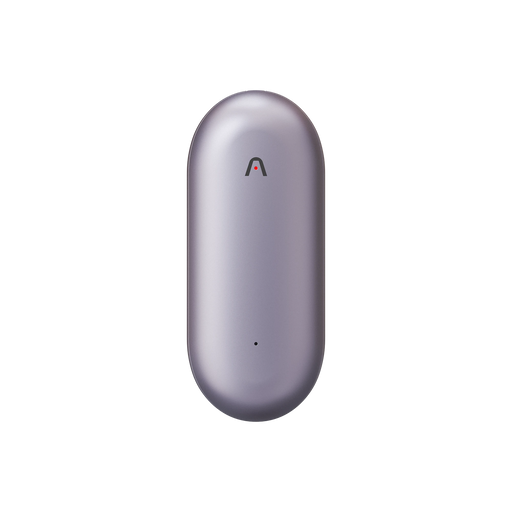
Graba tu conferencia, reunión o sesión de lluvia de ideas con Plaud Note o Plaud NotePin.
-
Sincroniza tu grabación para generar automáticamente notas estructuradas al estilo flow.
No dejes que tus notas de flujo se descontrolen. En su lugar, participa en conferencias y reuniones y deja que Plaud tome notas por ti.
Lectura adicional: no tienes que comprar Plaud si no quieres. Echa un vistazo a los mejores tomadores de notas de IA en el mercado y ve cuál se adapta mejor a ti.
Plantilla de notas de flujo para Plaud
Toma una foto de la plantilla de abajo y súbela a la aplicación Plaud. Plaud la convertirá en una plantilla digital de notas de flujo que podrás seleccionar antes de generar tus notas.
Preguntas frecuentes sobre la toma de notas de flujo
¿Tienes más preguntas sobre el sistema de flujo? Encuentra las respuestas a continuación.
¿Qué es el método de toma de notas de flujo?
El método de flujo es una representación visual de la toma de notas que captura ideas a medida que surgen y conecta conceptos relacionados usando flechas, espaciado y símbolos. Muestra cómo la información fluye de una idea a otra en lugar de escribir todo textualmente. Las notas de flujo son excelentes para el aprendizaje visual, conferencias no estructuradas y sesiones de lluvia de ideas.
¿Cómo tomar notas de flujo efectivas?
La toma de notas eficaz con el método Flow comienza por colocar el tema principal en la parte superior de la página. Ramifica desde la idea principal con puntos y categorías relacionadas. Organiza los puntos de apoyo visualmente alrededor de esas ideas usando flechas, líneas o conectores para mostrar las relaciones entre los conceptos. Deja espacio para nuevas ideas y busca oportunidades para resaltar conexiones y patrones al revisar tus notas.
¿Cuáles son algunas limitaciones del método de notas de flujo?
Una limitación del método de notas de flujo es que puede volverse desordenado y más difícil de revisar más tarde (muchas personas agregan pequeñas pistas para futuras referencias), especialmente si hay mucha información y estás tratando de capturar todo en tiempo real. En general, no es un enfoque muy sistemático. También requiere procesar y comprender activamente la información tal como se presenta, lo que puede ser difícil con material denso o desconocido.