Twofold is an AI medical scribe that turns recorded, dictated, typed, or uploaded clinical sessions into structured notes, positioned as one of the more affordable self-serve options in the category. Founded in 2024 and based in New York, the company has grown to more than 20,000 clinicians without disclosed outside funding, a notably different path than the venture-backed scribes it competes against. This review covers what Twofold does, what it costs, where it holds up, and where it falls short.
What is Twofold AI
 Twofold Health, operated by Ravel Technological Solutions LTD, was founded in 2024 and is headquartered in New York. Unlike Freed AI, Heidi, Ambience Healthcare, and Suki AI, all of which have raised meaningful venture funding, available business databases show no disclosed funding round for Twofold. Public reporting describes the company as running a profitable, product-led, self-serve SaaS model rather than a venture-funded growth story, which is a genuinely different foundation than most of its competitors.
The company reports more than 20,000 clinicians using the platform, a 4.8-star rating across more than 3,000 reviews, and named enterprise customers including Banner Health, InnovaCare Health, and Ellie Mental Health. Twofold markets itself across a wide specialty range: behavioral health, primary care, internal medicine, pediatrics, physical therapy, psychiatry, nursing, allied health, dentistry, aged care, veterinary medicine, and clinical trainees, broader than its early reputation as a therapy-and-mental-health-focused tool might suggest.
How Twofold AI works
Twofold offers four ways to generate a note: live session capture during an in-person or telehealth visit, dictating a summary afterward, typing rough notes for the AI to structure, or uploading an existing audio recording. The platform captures telehealth sessions from Zoom, Doxy, Google Meet, or other video platforms, and supports both desktop browsers and native iOS and Android apps with cross-device sync, so a clinician can start a recording on a phone and finish the note on a laptop.
Notes are formatted into SOAP, DAP, BIRP, GIRP, intake, H&P, discharge summaries, and other formats depending on specialty, and the platform learns a clinician's phrasing, section ordering, and preferred structure from their edits over time. Twofold is EHR-agnostic: it does not connect via native API to Epic, Cerner, Athenahealth, or any other system. The workflow is copy and paste, formatted specifically so it drops cleanly into common EHR fields, with inline ICD-10 and CPT coding suggestions surfaced as you finalize a note.
Twofold AI pricing
Twofold's pricing page lists three tiers. Free gives seven days of full-feature access, including unlimited notes and every clinical template, with no credit card required. Personal is the paid individual tier, listed at $69 per month, with the site displaying a recurring first-month promotional rate rather than a flat everyday price, so confirm the actual ongoing charge before subscribing rather than relying on the promotional banner alone. Group pricing is custom-quoted and adds volume discounts, centralized billing, shared team templates, and a dedicated success manager.
A word of caution on pricing research specifically for Twofold: a large share of the "comparison" and "pricing guide" content ranking for Twofold-related searches is published directly by Twofold itself, on pages built to win searches for competitor names and promo codes. That content consistently frames Twofold as cheaper and better than whichever competitor the page is about. The underlying price points in that content are generally consistent with what Twofold's own pricing page shows, but the comparative claims and "best value" framing should be weighed as marketing rather than independent analysis.
Is Twofold AI HIPAA compliant and secure
Yes, and Twofold's approach here is worth noting relative to some competitors. Every Twofold account, including the free tier, includes a signed Business Associate Agreement at no extra cost. That's a meaningfully different posture than a competitor like Heidi, which gates a signed BAA to a higher-priced tier. Twofold reports HITRUST-aligned controls, encryption in transit via TLS 1.3 and at rest via AES-256, and states that it does not store raw session audio after a note is generated, nor train its models on clinician or patient data.
As with any vendor handling protected health information, review Twofold's current privacy policy and BAA terms directly before recording real patient encounters, since self-reported compliance claims are not the same as independent certification, and details can change.
As with any tool that touches protected health information, get the patient's awareness and consent before recording a visit, in line with your organization's policies. Before you record, take a moment to let others know and get their okay.
What Twofold AI does well
- A BAA on every plan, free tier included. Most competitors either charge extra for a signed BAA or gate it to a higher tier. Twofold providing it by default, even during the free trial, removes a real barrier for a HIPAA-conscious solo clinician.
- A genuinely full-featured free trial. Seven days of unlimited notes and every template, not a capped or watered-down preview, gives a clinician a real test before paying anything.
- Specialty breadth beyond its original niche. Twofold started with a strong reputation in behavioral health and therapy documentation, but current specialty support spans primary care, pediatrics, physical therapy, nursing, dentistry, and veterinary medicine.
- Multiple capture methods for different workflows. Live recording, dictation, typed notes, and file upload cover a wider range of documentation habits than tools built around ambient listening alone.
- A large, apparently organic user base. More than 20,000 clinicians and a 4.8-star rating across thousands of reviews is a substantial user base for a company that appears to have grown without significant paid customer acquisition funded by venture capital.
Where Twofold AI falls short
- No native EHR write-back. Twofold is explicitly EHR-agnostic, which means copy-paste into your chart every time, not the automated push-to-chart that Freed's Premier tier or the enterprise platforms offer.
- Its own marketing dominates the research you'll find. Because Twofold publishes so much of its own comparison content, an unsuspecting search for "Twofold vs [competitor]" often lands on a page Twofold wrote itself. Treat self-published comparisons, including some of the sourcing behind this review, with real skepticism.
- No disclosed funding or long-term financial transparency. A lack of announced venture backing isn't necessarily a red flag, and may reflect a genuinely profitable business, but it also means less public financial visibility than a well-funded competitor, which matters if your practice weighs vendor stability heavily.
- Pricing display can be easy to misread. The homepage promotional price ($19 for the first month) is prominent, while the standard $69 monthly rate is smaller print. Confirm the actual recurring charge, not just the introductory offer, before committing.
- Small company scale relative to enterprise competitors. At roughly single digits to low double digits of employees per business databases, Twofold's support and account management resources are naturally more limited than a Microsoft- or health-system-scale vendor.
Who Twofold AI is best for
Twofold fits budget-conscious solo clinicians and small practices, particularly in behavioral health, primary care, and allied health, who want a full-featured scribe without an enterprise sales process and specifically value having a signed BAA included automatically rather than negotiated separately. Clinicians who use a mix of capture styles, some sessions recorded live, others summarized after the fact, benefit from Twofold's four input methods more than a tool built around ambient listening alone.
It's a weaker fit for practices that need native EHR write-back rather than copy-paste, and for organizations that weigh vendor financial backing and long-term stability heavily in procurement decisions, given the lack of public funding information.
Twofold AI alternatives to consider
Twofold competes most directly with other self-serve, individually priced scribes rather than the enterprise platforms built for large health systems.
- For a similar price point with a different BAA structure: Freed AI runs from $39 to $119 a month and also includes a BAA on all paid plans, though its free option is a 7-day trial rather than Twofold's unlimited free tier.
- For broader language and specialty coverage at a higher price: Heidi AI scribe supports more languages and specialties, but gates its BAA to a higher-priced Practice tier, the opposite trade-off from Twofold's approach.
- For native EHR write-back and enterprise-grade integration: organizations that need that level of integration are better served by Ambience Healthcare, Suki AI, or Dragon Copilot, all of which require an enterprise sales process Twofold doesn't.
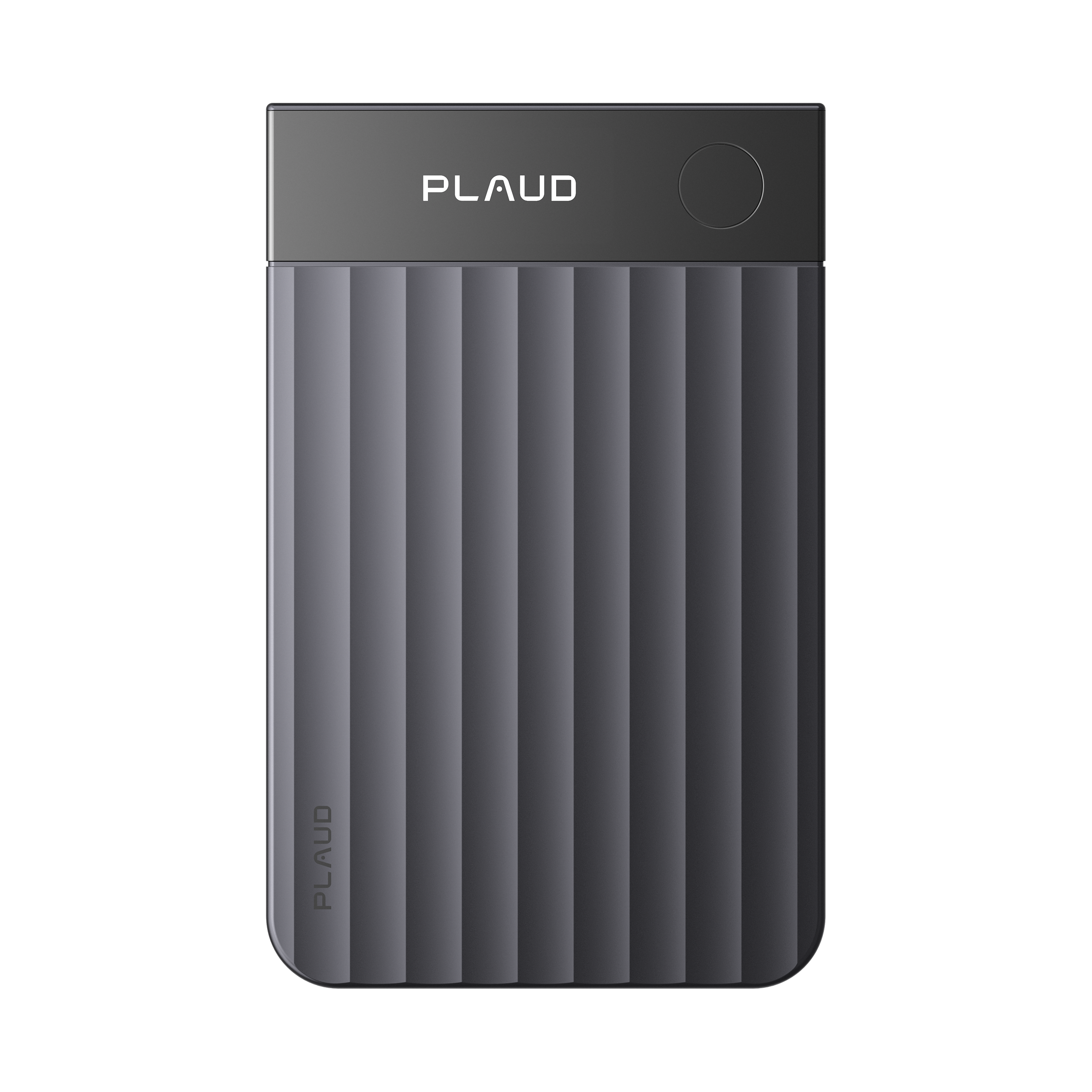
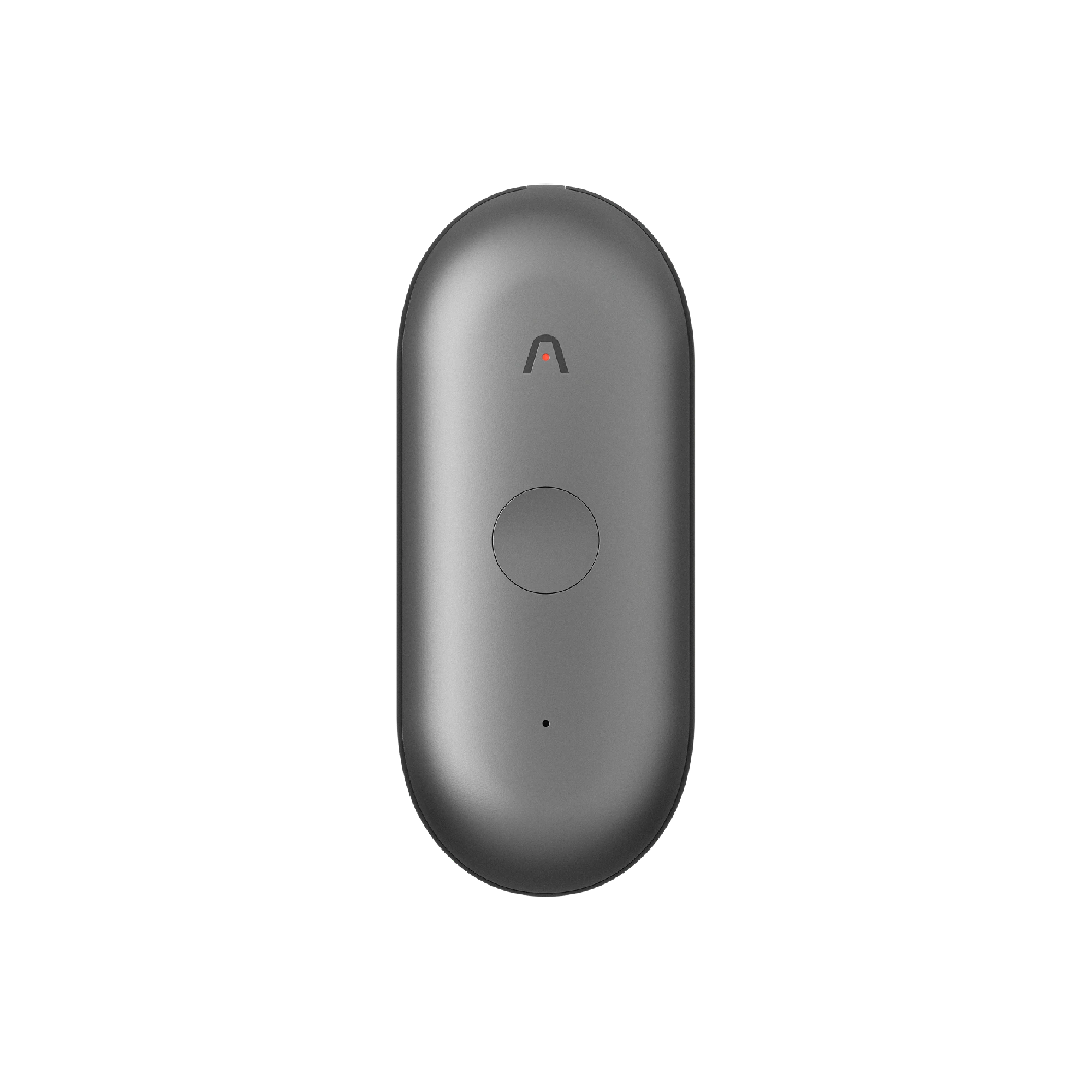
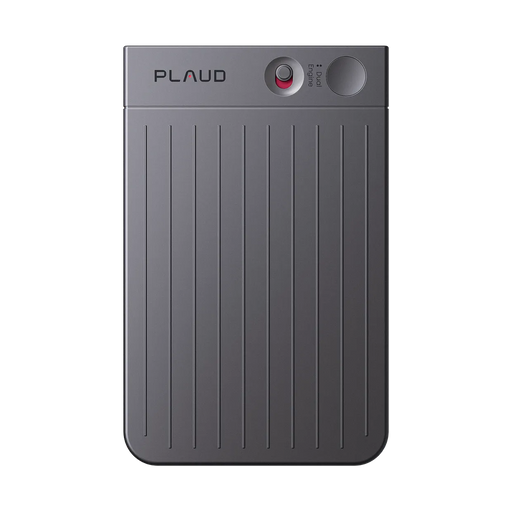
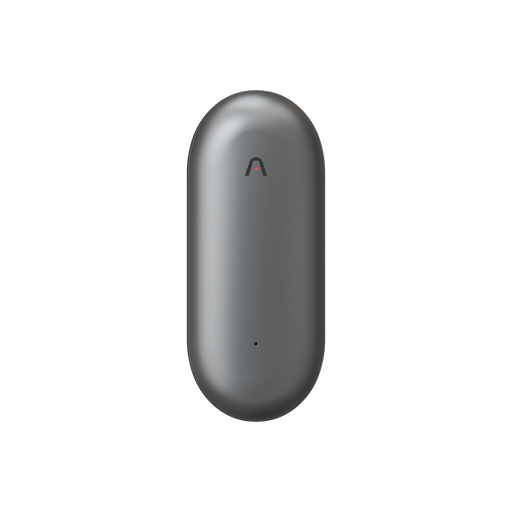
For clinicians who'd rather skip the software pricing-page comparison altogether, Plaud NotePin S offers a different starting point entirely. It's hardware, not a subscription tier to evaluate: press the tactile record button, and Plaud Intelligence generates a structured note afterward, including SOAP and psychotherapy templates, for the clinician to move into the chart manually. For a small practice or department that wants several clinicians sharing one setup, Plaud Team adds centralized billing and device management for up to 50 seats without a sales call. Like Twofold, Plaud does not offer native EHR write-back, but it carries HIPAA-aligned safeguards, SOC 2 Type II, ISO 27001 and ISO 27701, GDPR, and EN 18031 for the device's wireless communication, the same compliance set Plaud publishes, and will sign a BAA on request through its support team. 
The honest comparison is that Twofold and Plaud both prioritize accessibility over deep EHR integration, just through different mechanisms. Twofold does it with low, transparent software pricing and a default BAA. Plaud does it with a physical device that works the same way in any room, on any EHR, without a subscription tier to think about.
Read the pricing page directly, not just the comparison articles
Because so much of what ranks for Twofold-related searches is written by Twofold itself, the most reliable way to evaluate it is to check its actual pricing and security pages directly, run the 7-day free trial on real sessions, and confirm the ongoing monthly rate before your first promotional charge expires.