Suki AI is a voice-first clinical assistant that goes beyond writing notes: clinicians can talk to it to chart, order medications, and query a patient's history, not just have it listen and transcribe. Founded in 2017 by Punit Soni, a former Google product leader and Chief Product Officer at Flipkart, the company has raised roughly $168 million and reached a valuation near $500 million after its 2024 Series D. This review covers what Suki AI does, what it costs, where it holds up, and where it falls short.
What is Suki AI

Suki AI, headquartered in Redwood City, California, builds AI software for health systems and medical groups that combines ambient documentation with a broader voice-controlled clinical assistant. Punit Soni founded the company on the idea that healthcare software should be voice-driven rather than click-driven, a philosophy Suki has stuck with since 2017.
The company's investor list includes Venrock, First Round Capital, Flare Capital, March Capital, Philips Ventures, and Hedosophia, which led the $70 million Series D in October 2024. Suki has reported partnerships with health systems including MedStar Health, and its EHR Partnership Program extends its reach through direct integrations and reseller-style arrangements.
How Suki AI works
Suki's flagship product, Suki Assistant, listens ambiently to a clinical encounter and generates a structured note. What sets it apart is what happens next: a clinician can speak directly to Suki, "Suki, order a basic metabolic panel," "Suki, what were this patient's last three A1c results," "Suki, stage a refill for lisinopril", and the assistant acts on it. This voice-command layer is the core difference between Suki and a purely ambient scribe.
Three capabilities define the current product. Ambient Order Staging structures and codes prescription orders from the spoken treatment plan and stages them in the EHR for physician sign-off. Chart Q&A, built on Google Cloud's Vertex AI, lets a clinician ask natural-language questions about a patient's record instead of clicking through tabs. And AI-powered coding suggests ICD-10 and E/M codes based on the generated documentation.
Suki integrates directly and bidirectionally with four major EHRs: Epic, Oracle Health (formerly Cerner), athenahealth, and MEDITECH Expanse. That integration pulls patient context, vitals, allergies, and labs, into the note and writes finished notes and staged orders back into the chart without copy-paste. The company markets over 100 supported specialties, with particularly strong third-party reports around primary care, internal medicine, and cardiology.
Notably, Suki does not integrate with several widely used EHRs, including eClinicalWorks, AdvancedMD, Veradigm, OptiMantra, and DrChrono. Practices on those systems can still use Suki through a non-integrated, copy-paste workflow, but they do not get the deep EHR write-back that is the product's main selling point.
Suki AI pricing
Suki does not publish pricing. Access requires a demo and an enterprise sales conversation, typically resulting in an annual, per-clinician contract.
Third-party trade coverage and reseller listings in 2026 place the documentation-only tier, sometimes referred to as Suki Compose, around $299 per provider per month, with the full Suki Assistant, including deep EHR integration, voice commands, and order staging, closer to $399 per provider per month. Larger health systems and multi-year contracts can negotiate volume and specialty discounts. Treat these figures as a planning benchmark rather than a quote, since actual pricing depends on EHR, specialty mix, and contract size.
There is no published free tier. Suki markets fast deployment, "in weeks with minimal IT support" according to the company, but getting an actual number still starts with a sales call rather than a signup page.
Is Suki AI HIPAA compliant and secure
Yes. Suki publishes HIPAA compliance and SOC 2 Type II certification, and provides a Business Associate Agreement to customers. According to Suki's own developer security documentation, data in transit is encrypted with TLS 1.2, and data at rest is encrypted with AES-256 on Google Cloud infrastructure. The company also states that audio used for model training is de-identified through a process that breaks it into chunks so the original recording cannot be reconstructed, and that transcripts have personally identifiable information removed before any training use.
As with any vendor handling protected health information, confirm current retention timelines, training opt-outs, and BAA terms directly with Suki's sales or trust team before deployment, since these details can change.
As with any tool that touches protected health information, get the patient's awareness and consent before recording a visit, in line with your organization's policies. Before you record, take a moment to let others know and get their okay.
What Suki AI does well
- A voice-command layer most ambient scribes don't have. Ordering, chart navigation, and clinical Q&A by voice is a meaningfully different workflow than a tool that only listens and writes. For a clinician who wants to stay hands-free through an entire encounter and the after-visit tasks, this is Suki's clearest differentiator.
- Deep, bidirectional integration with four major EHRs. Epic, Oracle Health, athenahealth, and MEDITECH Expanse all get real write-back, not a browser extension standing in for an integration. Suki bills itself as one of the most embedded ambient AI solutions on the market, and the EHR list backs that up.
- Independent validation through KLAS. A 93.2 out of 100 KLAS performance score, with 95 percent of surveyed organizations saying they would buy again, gives buyers something more concrete than a vendor's own marketing claims.
- Broad specialty coverage. Suki markets support for more than 100 specialties, among the widest claimed coverage in the category, with particularly strong third-party reports in primary care, internal medicine, and cardiology.
- Additional revenue-cycle value through coding assistance. ICD-10 and E/M code suggestions layered onto the note add a billing-accuracy benefit beyond faster documentation alone.
Where Suki AI falls short
- No public pricing. As with most enterprise scribes, getting a real number means entering a sales process, which makes early-stage cost comparison difficult.
- EHR coverage has real gaps. Suki's deep integration covers four systems. Practices on eClinicalWorks, AdvancedMD, Veradigm, OptiMantra, or DrChrono fall back to a copy-paste workflow and lose the write-back advantage that is central to Suki's pitch.
- The voice-command model has a learning curve. Clinicians coming from a pure ambient-listening tool need to adjust to directed speech ("Suki, note that...") rather than natural conversation capture. Accuracy can also vary with accented speech or in noisy exam rooms.
- Enterprise sales cycle. There is no self-serve signup. Evaluation and rollout happen at the organizational level, closer in pace to Ambience Healthcare's model than to a self-serve tool like Freed AI.
- Behavioral health has stated limits. Suki's own materials, provided in response to an American Psychiatric Association inquiry, state that its speech recognition is trained on medical terminology and does not currently detect emotional or nonverbal cues, a relevant caveat for psychiatry and therapy use.
Who Suki AI is best for
Suki AI fits medical groups and health systems already standardized on Epic, Oracle Health, athenahealth, or MEDITECH Expanse that want more than a passive scribe. Clinicians who already think in terms of dictation, many have used Dragon Medical One or similar tools, tend to adapt quickly to Suki's voice-command model, since it extends a workflow they already know rather than replacing it with pure ambient listening. Primary care, internal medicine, and cardiology practices get the most third-party-reported value, and organizations that want coding assistance layered onto documentation benefit from the built-in ICD-10 and E/M suggestions.
Suki is a weaker fit for practices on an EHR outside its four deeply integrated systems, for clinicians who want a fully ambient, hands-off experience without directed speech, and for solo practitioners or small clinics that want to try a tool the same day rather than go through a sales cycle.
Suki AI alternatives to consider
Real search demand exists for a direct comparison between Suki and other scribes, and the right answer depends on whether you want voice commands or pure ambient listening, and whether your organization is ready for an enterprise sales cycle at all.
- For pure ambient listening without voice commands: Freed AI takes the opposite approach, listening passively and generating a note without requiring the clinician to speak directives, at self-serve pricing from $39 to $119 a month rather than an enterprise contract.
- For an EHR-embedded platform focused on coding integrity over voice interaction: Ambience Healthcare targets a similar enterprise buyer to Suki but leans on point-of-care coding checks rather than a voice-command interface as its main differentiator.
- For a solo clinician or small practice that wants to start today: the enterprise sales model that both Suki and Ambience use is the wrong shape entirely, and a self-serve tool is the more realistic starting point.

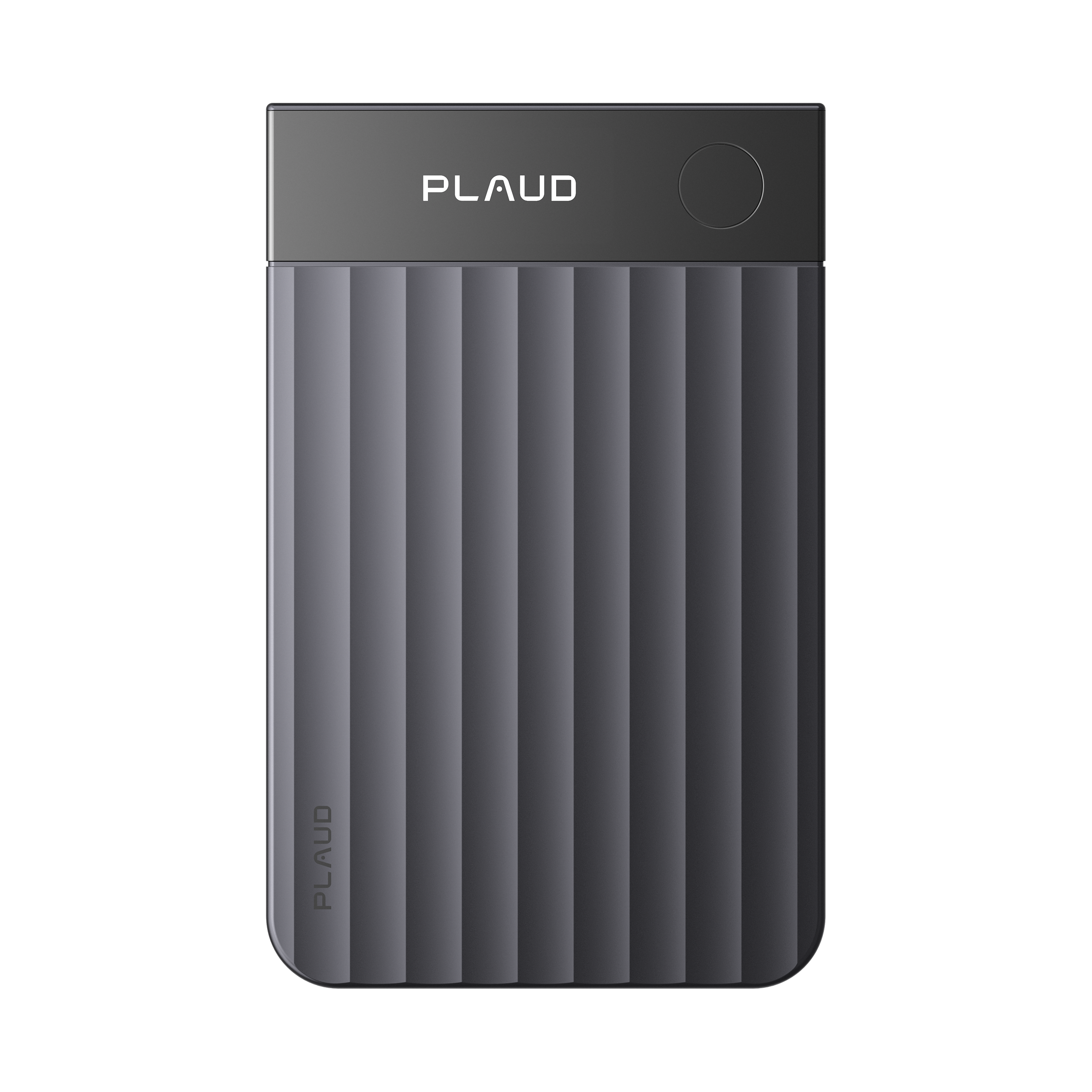
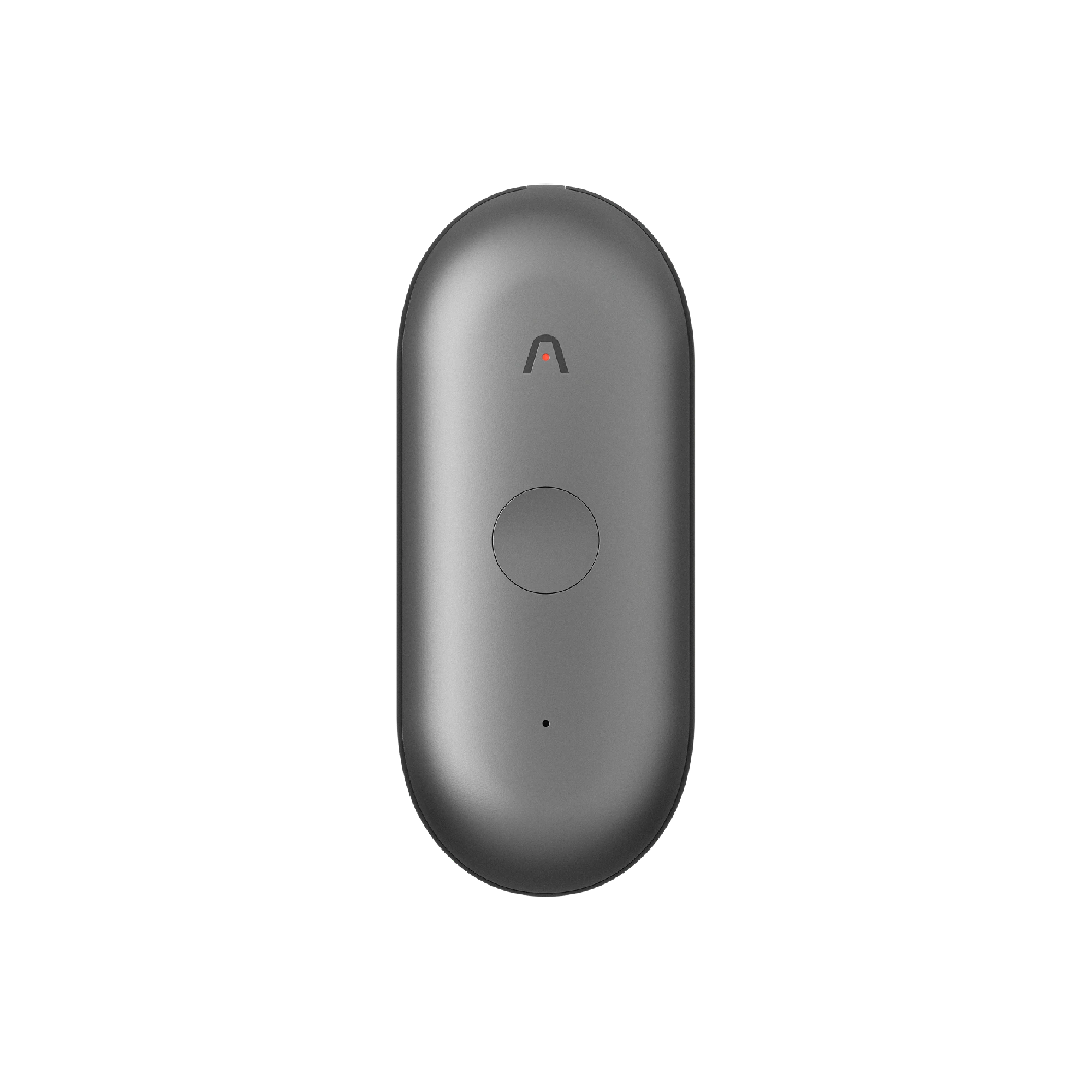
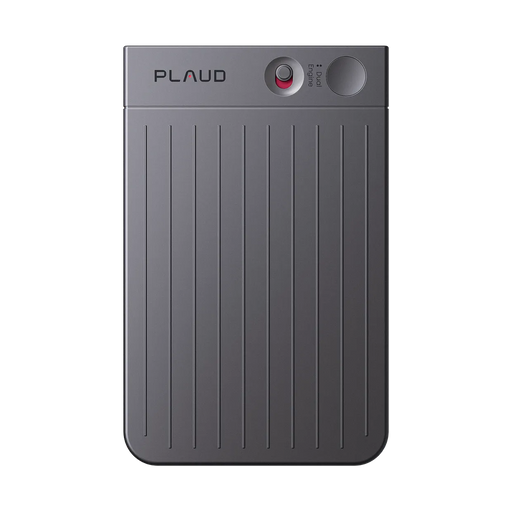
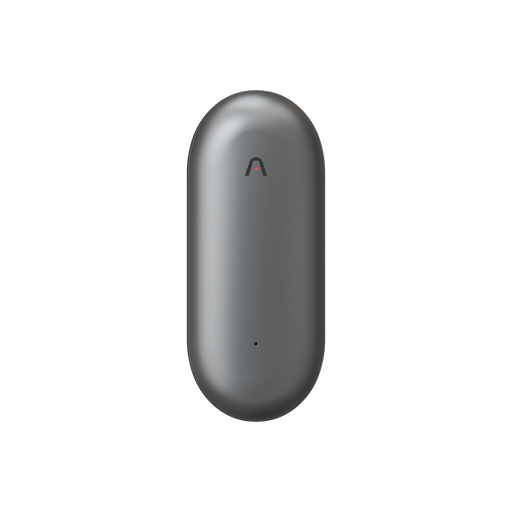
That last case is where Plaud NotePin S fits a genuinely different niche. It is a wearable AI note taker, not a voice-command EHR assistant, so it is not a substitute for Suki's ordering or chart Q&A features. What it offers instead is a way for an individual clinician to get ambient documentation without a demo call: press the tactile record button, and Plaud Intelligence generates a structured note afterward, including SOAP and psychotherapy templates, which the clinician moves into the chart manually. For a small practice or department that later wants several clinicians on the same setup, Plaud Team adds centralized billing and device management for up to 50 seats without a sales call, though it does not attempt Suki's EHR write-back, voice commands, or coding layer. Both carry HIPAA-aligned safeguards, SOC 2 Type II, ISO 27001 and ISO 27701, GDPR, and EN 18031 for the device's wireless communication, the same compliance set Plaud publishes, and ship with a Plaud MCP server for querying past notes directly from an AI assistant.
The honest comparison is that Suki, Ambience, and Plaud solve different problems at different scales. Suki and Ambience are enterprise platforms built to sit inside a specific EHR stack. Plaud is a capture layer for the clinician or small team that enterprise sales cycles were never built to reach.
Try the voice commands before you commit
The one thing a demo alone will not tell you is whether your clinicians want to talk to their EHR. Ask for a pilot on real encounters in your own specialty mix, and pay attention to whether staff adopt the voice-command features or quietly revert to typing, since that adoption gap is where the real return on an enterprise contract gets decided.