Hay buenas respuestas a "¿cuál es el mejor software para tomar notas?". Obsidian, Notion, OneNote, Google Keep y Evernote funcionan. El problema es que todos resuelven el mismo problema: almacenar lo que escribes. Lo que ninguno de ellos resuelve es lo que sucede antes de que escribas algo. Las reuniones, llamadas, conversaciones e ideas dichas en voz alta mientras te trasladas no entran en tu aplicación de notas a menos que alguien se detenga a escribirlas.
Este artículo cubre las mejores opciones en cada categoría, y la única categoría que la mayoría de las listas de comparación omiten por completo.
Las mejores aplicaciones para tomar notas en 2026 (para qué sirve cada una realmente)
Las principales aplicaciones para tomar notas resuelven cada una una versión específica del mismo problema, el almacenamiento de texto, y la elección entre ellas se reduce a cómo trabajas, no a cuál es objetivamente la mejor. Para un desglose estructurado de cuándo usar cada enfoque, nueve métodos para tomar notas y cuándo usar cada uno cubre la metodología en detalle.
| Aplicación | Mejor para | Plan gratuito | Característica destacada | Principal limitación |
|---|---|---|---|---|
| Obsidian | Base de conocimiento a largo plazo | Sí (local) | Vinculación bidireccional + Vista de gráfico | No hay versión web, configuración complicada |
| Notion | Colaboración en equipo | Sí (personal) | Bases de datos + Notion AI | Pesado para uso personal |
| Microsoft OneNote | Usuarios de Microsoft 365 | Sí (5GB) | Lienzo de forma libre | Formato de texto limitado |
| Google Keep | Usuarios de Google Workspace | Sí | Integración de barra lateral de Gmail y Docs | Mínimo fuera del ecosistema de Google |
| Evernote | Recorte de investigación web | Solo 50 notas | Extensión de navegador Web Clipper | Planes de pago de $15 a $25 al mes |
| Joplin | Migrantes de Evernote | Sí (local) | Cifrado E2E + importación de Evernote | Aplicación de escritorio lenta |
| Logseq | Usuarios avanzados de notas vinculadas | Sí | Esquema basado en bloques | Curva de aprendizaje pronunciada |
| AppFlowy | Alternativa local a Notion | Sí | Sin suscripción, local-first | Menos pulido que Notion |
Obsidian
Lo mejor para construir una base de conocimientos persistente de la que eres propietario.
Pros
- La vinculación bidireccional conecta cualquier nota con cualquier otra; la Vista de gráfico visualiza todas las conexiones en tu bóveda.
- El ecosistema de complementos de la comunidad lo extiende a tableros Kanban, chat de IA y la mayoría de los demás flujos de trabajo.
- Gratuito para uso personal; los archivos Markdown planos significan que no hay dependencia de proveedores y total portabilidad de datos.
- Aplicación más recomendada en r/productivity y r/Zettelkasten para la construcción de conocimientos a largo plazo.
Contras
- No hay versión web: la aplicación debe instalarse en cada dispositivo.
- Curva de aprendizaje pronunciada; la configuración lleva tiempo real antes de que sea útil.
- La sincronización requiere un plan de Obsidian Sync de pago o una solución autogestionada como iCloud o Dropbox.
Notion
Lo mejor para equipos que necesitan espacios de trabajo compartidos que combinen notas, bases de datos y seguimiento de proyectos.
Pros
- La estructura flexible de páginas y bases de datos funciona bien para wikis, documentación y planificación colaborativa.
- Notion AI (plan Business) resume páginas, extrae elementos de acción de las transcripciones de reuniones y busca en aplicaciones conectadas como Slack y Google Drive.
- Nivel personal gratuito disponible.
Contras
- Pesado para notas personales: configurar una nueva página requiere más decisiones estructurales de las que la mayoría de las tareas de captura rápida justifican.
- Las funciones completas de equipo requieren planes de pago (de $12 a $24 por usuario al mes).
Microsoft OneNote
Lo mejor para cualquiera que ya use Microsoft 365.
Pros
- Cada página es un lienzo abierto: haz clic en cualquier lugar para añadir texto, imágenes o audio en cualquier posición, sin estructura predeterminada.
- El OCR convierte imágenes y escritura a mano en texto con capacidad de búsqueda.
- Gratuito con una cuenta de Microsoft (5 GB de almacenamiento a través de OneDrive).
- Colaboración en tiempo real incorporada.
Contras
- Las opciones de formato de texto son más limitadas que en Obsidian o Notion.
- Exportar notas de OneNote no es sencillo.
- La interfaz no ha cambiado significativamente en una década.
Google Keep
Lo mejor para cualquiera que use Google Workspace.
Pros
- Aparece como un panel lateral en Gmail, Google Docs y Google Drive; las notas son visibles sin cambiar de aplicación.
- Los recordatorios se sincronizan automáticamente con Google Calendar.
- Gratuito, multiplataforma y no requiere configuración.
Contras
- Como aplicación independiente es mínima: las etiquetas y el anclaje son las únicas herramientas de organización.
- No escala a notas más largas o ideas conectadas.
- Valor limitado fuera del ecosistema de Google.
Evernote
Lo mejor para investigación web y recorte de documentos.
Pros
- La extensión de navegador Web Clipper (Chrome, Firefox, Safari) guarda páginas web completas (texto, imágenes y PDF) con un solo clic; ninguna otra aplicación de esta lista tiene un equivalente.
- La potente búsqueda, la anotación de PDF y el OCR hacen que las imágenes y los documentos se puedan buscar.
- Se integra con Slack, Outlook, Google Drive, Teams y Salesforce en los planes de pago.
Contras
- El plan gratuito tiene un límite de 50 notas y un dispositivo (reportado por múltiples usuarios en hilos de Reddit de 2024 como el punto de inflexión que los llevó a alternativas).
- Los planes de pago cuestan entre $15 y $25 al mes, caros en comparación con Obsidian (gratuito) o Joplin (gratuito).
Joplin
El mejor reemplazo directo para Evernote.
Pros
- Importa cuadernos de Evernote directamente.
- Todas las notas están cifradas de extremo a extremo.
- Funciona en todas las plataformas, incluido Linux; la versión gratuita solo local no tiene restricciones de funciones.
- Soporte completo de Markdown con una estructura familiar de carpetas y etiquetas.
Contras
- La aplicación de escritorio es notablemente más lenta que la competencia.
- La sincronización en la nube a través de Joplin Cloud tiene un coste adicional.
- El soporte al cliente es limitado.
Logseq
Lo mejor para usuarios de Obsidian que prefieren una estructura de esquema.
Pros
- Esquema basado en bloques con vinculación bidireccional; de código abierto y local-first.
- Una alternativa sólida a Obsidian para usuarios que piensan en esquemas en lugar de documentos.
Contras
- Curva de aprendizaje más pronunciada que las opciones principales.
- Ecosistema de complementos más pequeño que Obsidian.
AppFlowy
La mejor alternativa de código abierto a Notion.
Pros
- Almacenamiento local-first; no requiere suscripción.
- De código abierto con desarrollo activo.
Contras
- Menos pulido que Notion; conjunto de funciones más pequeño.
- Requiere más configuración que las opciones principales.
Lo que 181 personas recomendaron, y la brecha que ninguna de ellas mencionó
En un hilo de Reddit de 2024 que preguntaba por la mejor aplicación gratuita para tomar notas, 181 personas respondieron con recomendaciones detalladas. Ninguna de ellas mencionó la grabación de voz, la captura de reuniones o cualquier cosa hablada.
El hilo (r/productivity, fuente: reddit.com/r/productivity/comments/18vvavl/) fue iniciado por un usuario que cambiaba de Evernote y quería un "segundo cerebro para Windows". A lo largo de más de 181 comentarios, las mejores opciones fueron Obsidian, Google Keep, Notion y OneNote, con una representación significativa de Joplin y Logseq. Cada recomendación asumía que el usuario generaría texto escribiendo. Nadie preguntó "¿qué pasa con tus reuniones?" o "¿qué pasa con las conversaciones que tienes en el trabajo?".
Las aplicaciones de notas escritas son sistemas de almacenamiento y recuperación. Introducir información en ellas requiere que alguien se detenga a escribir. En una reunión o en una llamada, eso es imposible o contraproducente.
Escribir en una reunión divide la atención entre la conversación y la nota, y ambas sufren como resultado. La investigación sobre la interferencia de doble tarea y la carga cognitiva explica por qué: cuando dos tareas utilizan los mismos recursos cognitivos limitados simultáneamente, el rendimiento de cada una se degrada (Sweller, 1988). La persona que escribe notas de reuniones en OneNote captura menos de la reunión de lo que cree, al tiempo que produce notas de menor calidad de lo que lo haría si las escribiera después.
Cada aplicación enumerada anteriormente maneja bien el almacenamiento y la recuperación. La brecha es una capa de captura para el contenido hablado, que ninguna aplicación de notas escritas está diseñada para proporcionar.
Lo que los usuarios de Obsidian construyeron cuando chocaron con este muro
Antes de que existiera cualquier herramienta oficial para esto, un desarrollador de la comunidad de Plaud construyó su propia canalización desde cero: grabación de Plaud a un observador de archivos de Python a transcripción local de Docker/Whisper a la API de Claude a una bóveda de Obsidian a través del complemento de la API REST local.
El proyecto (holzerchristopher-tech/Plaud-Claude-Obsidian en GitHub) requería Mac, Docker, Node.js 18+, una clave de API de Anthropic y Obsidian con el complemento de la API REST local instalado. Funcionó. El costo real fue la experiencia documentada de un desarrollador: 30 minutos de tiempo de CPU para transcribir una sola reunión de 1 hora en Docker/Whisper (r/PlaudNoteUsers, u/fuelvolts). Ese mismo hilo también capturó el momento antes de que existiera una solución oficial:
"Ojalá Plaud lance una API o un MCP en algún momento... haría que todo el flujo de trabajo fuera mucho más limpio". — r/PlaudNoteUsers, febrero de 2026
Después de que Plaud MCP y CLI se lanzaron en mayo de 2026, el mismo hilo se actualizó:
"¡Ahora Plaud ha lanzado MCP y acceso CLI a las notas. Todos los problemas están resueltos!" — Miembro de la comunidad de r/PlaudNoteUsers
El hecho de que los usuarios construyeran y mantuvieran una tubería de Docker antes de que existiera cualquier producto oficial es la señal más clara de que la demanda es real. La gente no construye y mantiene infraestructura para problemas que pueden eludir. Lo hacen cuando la brecha está bloqueando algo que necesitan hacer todos los días.
Cómo Plaud Desktop captura lo que las aplicaciones para tomar notas no pueden alcanzar
Las aplicaciones de notas escritas no pueden capturar contenido hablado. Esto es intencional: su objetivo es el almacenamiento y la recuperación. El problema es que la mayoría de los trabajadores del conocimiento generan una parte significativa de su producción laboral a través de conversaciones: llamadas con clientes, reuniones de equipo, sesiones de lluvia de ideas, entrevistas, reuniones individuales.

Plaud Desktop es una capa de captura basada en software que se ejecuta en Mac o PC. Se une a tu llamada de Zoom, Teams o Google Meet en segundo plano y envía una transcripción y un resumen estructurado de IA a tu cuenta de Plaud cuando finaliza la reunión. No se requiere hardware para las reuniones en línea. La transcripción y el resumen están listos a los pocos minutos de finalizar la llamada.
Al ejecutar Plaud Desktop en una llamada de Zoom mientras Obsidian estaba abierto, la transcripción apareció en la aplicación Plaud en menos de dos minutos. Al pegar el resumen estructurado como una nueva nota de Obsidian, el resultado fue más organizado que cualquier cosa que hubiera escrito manualmente durante versiones anteriores del mismo tipo de llamada. Las decisiones clave, los elementos de acción y los elementos de seguimiento ya estaban etiquetados en el resumen.
Plaud Desktop no es un reemplazo para Obsidian, Notion o OneNote. Los alimenta. El contenido hablado capturado por Plaud Desktop se convierte en contenido escrito que va a cualquier aplicación de notas que el usuario ya tenga. Las dos capas responden a diferentes preguntas: "¿qué pasó en esa reunión?" (Plaud Desktop) y "¿dónde almaceno y recupero esa información?" (la aplicación de notas escritas).
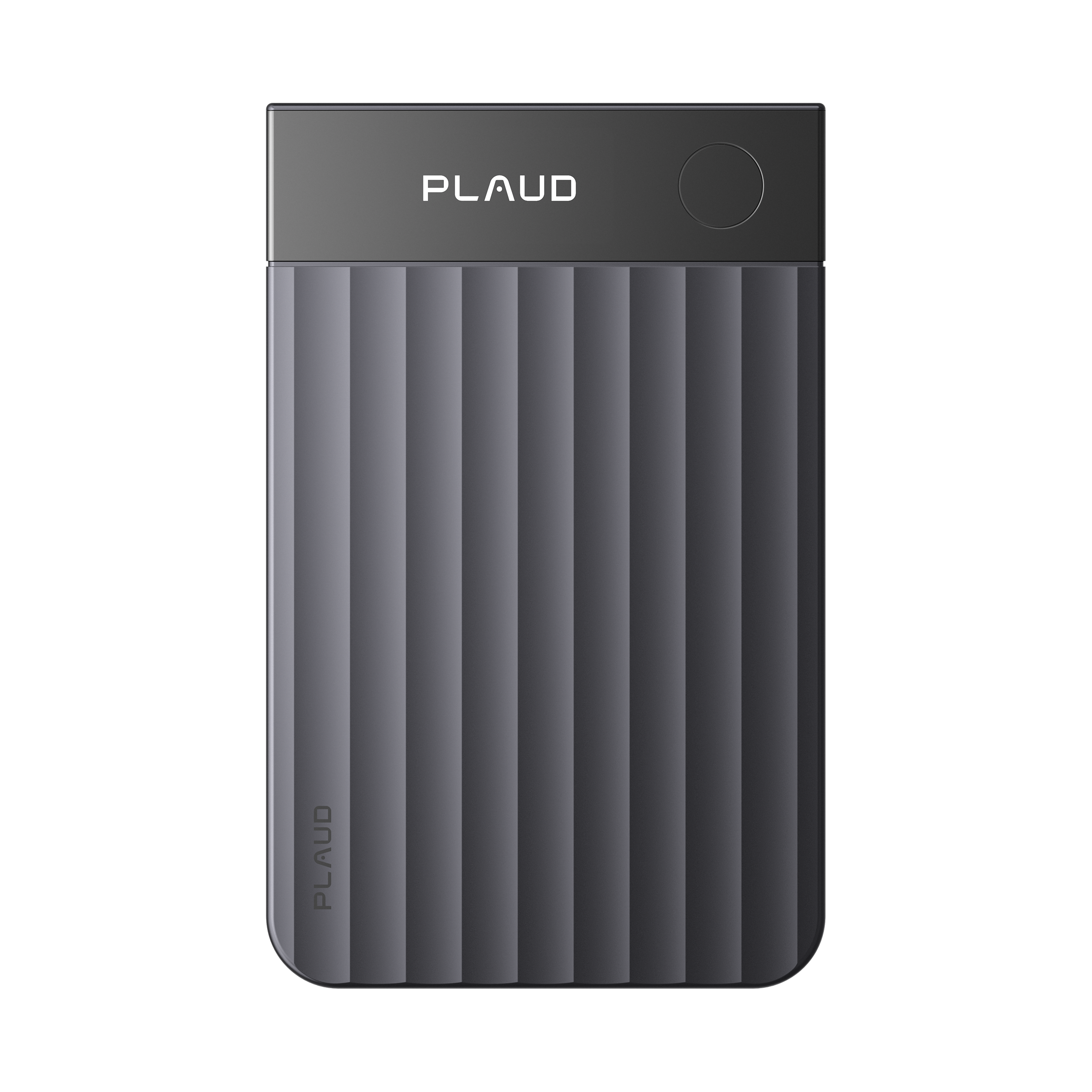
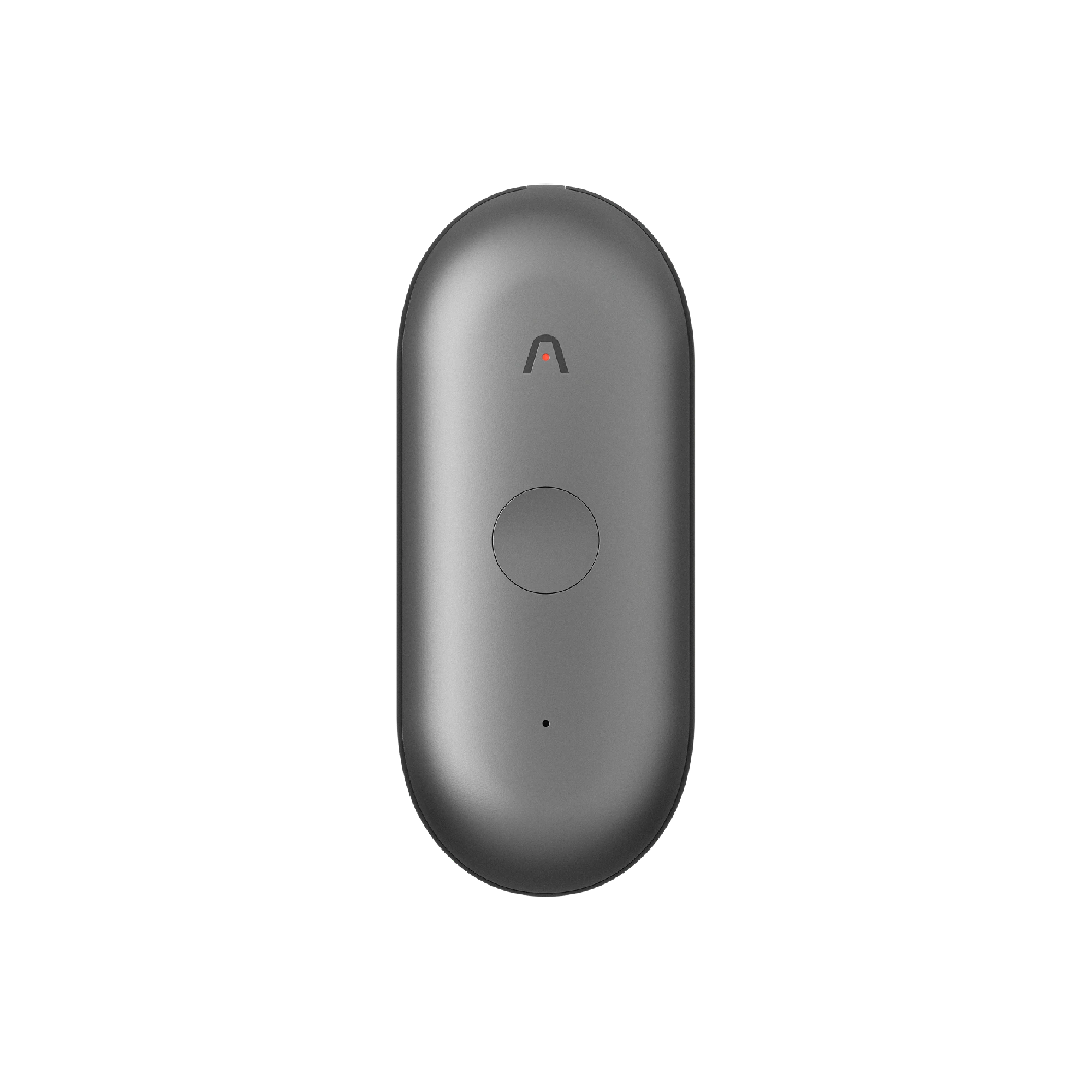
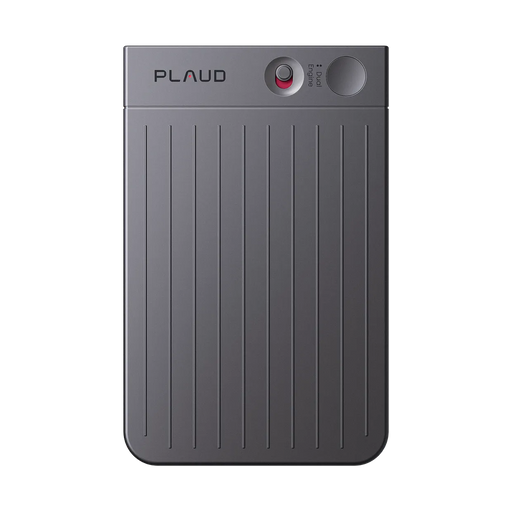
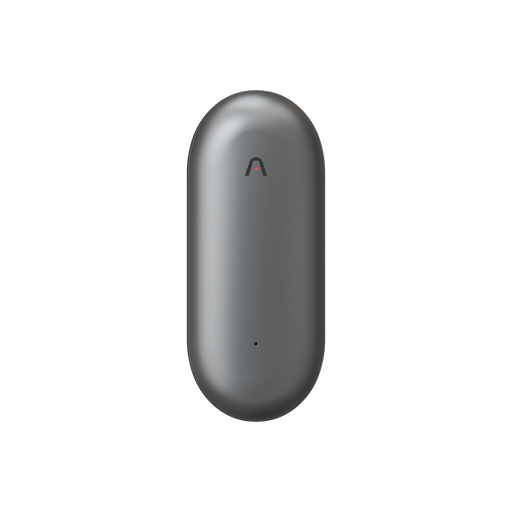
Plaud Note Pro extiende la misma cuenta a reuniones presenciales: presiona grabar, colócalo en la sala y la transcripción se sincroniza con la misma cuenta de Plaud a la que escribe Desktop. Juntos funcionan como un tomador de notas con IA completo que cubre tanto llamadas en línea como reuniones cara a cara en un solo historial de búsqueda.

Para ideas que surgen fuera de las reuniones programadas, cómo capturar ideas fugaces con audio a texto cubre el flujo de trabajo de voz a texto para momentos no estructurados.
Cómo obtener transcripciones de Plaud en Obsidian, Notion o OneNote
La configuración consta de tres pasos y funciona con cualquier aplicación de notas que acepte texto pegado o Markdown.
- Instala Plaud Desktop en Mac o PC y conecta tu cuenta de Plaud en Configuración. La aplicación se ejecuta en segundo plano y no requiere ninguna acción durante la reunión.
- Inicia una llamada de Zoom, Teams o Google Meet. Plaud Desktop captura el audio y comienza a procesar automáticamente. No es necesario abrir la aplicación durante la llamada.
- Cuando termine la llamada, abre la aplicación Plaud, busca la transcripción y el resumen de IA debajo de la grabación, y cópialo a Obsidian, pégalo en una página de Notion o expórtalo como Markdown para OneNote o cualquier otro editor.
Paso opcional: conecta Plaud MCP a Claude Web a través de Personalizar → Conectores → Añadir conector personalizado (https://mcp.plaud.ai/mcp). Esto habilita un informe diario que consulta todas las grabaciones automáticamente desde dentro de Claude, por lo que el paso de transferencia se convierte en una consulta en segundo plano en lugar de una copia manual.

Para una descripción completa de cómo la transcripción y el flujo de trabajo de resumen se conectan con las herramientas posteriores, el artículo flujo de trabajo de transcripción y resumen de IA cubre la integración técnica en detalle.
¿Qué software para tomar notas necesitas realmente?
La mayoría de las personas necesitan dos cosas, no una: una aplicación de notas escritas para almacenar y recuperar, y una capa de captura separada para el contenido hablado.
La decisión no es "¿cuál es la mejor aplicación para tomar notas?". Es "¿qué tipo de información estoy perdiendo y por qué?". Si la respuesta implica reuniones, llamadas o conversaciones, la aplicación de notas no es el problema. Ninguna aplicación de notas está diseñada para resolver un problema de captura.
| Situación | Recomendación |
|---|---|
| Estudiante, trabajo mayormente escrito | Obsidian (gratuito, local, Markdown) o Notion (nivel gratuito) |
| Trabajador de oficina, notas de equipo compartidas | Notion o Microsoft OneNote (integración con Office 365) |
| Profesional con muchas reuniones | Cualquier aplicación de notas escritas + Plaud Desktop para captura de llamadas |
| Reuniones presenciales (sin portátil) | Plaud Note Pro para captura de hardware + Obsidian o Notion para almacenamiento |
| Migrante de Evernote | Joplin (la coincidencia de características más cercana) o Obsidian (mejor a largo plazo) |
| Preferencia de código abierto | Logseq o AppFlowy, dependiendo de si las notas vinculadas o las bases de datos tipo Notion son la prioridad |
Plaud Desktop y Obsidian sirven a diferentes etapas del mismo proceso: Plaud Desktop captura la reunión y entrega una transcripción estructurada, mientras que Obsidian almacena y organiza lo capturado. La mayoría de los trabajadores del conocimiento que pierden información de las reuniones ya tienen cubierta la parte del almacenamiento. La brecha es el paso de captura que se ejecuta antes de que se escriba cualquier nota.
Para un desglose completo de qué buscar en la captura de notas asistida por IA, la guía completa del tomador de notas de IA cubre las opciones de hardware y software en detalle.