
Una plataforma de inteligencia conversacional graba, transcribe y analiza las llamadas de ventas y de clientes para detectar objeciones, sentimientos y oportunidades de capacitación que, de otro modo, quedarían ocultas en la memoria de un representante. Para un análisis más completo de cómo funciona ese análisis y en qué se diferencia de la IA conversacional, consulte qué es la inteligencia conversacional y cómo funciona. El mercado actual abarca desde suites de inteligencia de acuerdos empresariales, complementos de plataformas de interacción, anotadores de reuniones económicos y captura basada en hardware, y la mayoría de las listas de proveedores los presentan como intercambiables. No lo son. Esta guía compara siete plataformas en cuanto a lo que cada una hace bien, lo que cuesta y sus limitaciones, basándose en precios publicados, documentación del producto y comentarios verificados de usuarios a partir de julio de 2026.
Qué hace una plataforma de inteligencia conversacional
Todas las plataformas de esta comparación ejecutan el mismo proceso básico: capturan la conversación, la transcriben, ejecutan el procesamiento del lenguaje natural para extraer temas y sentimientos, y luego empaquetan ese análisis en un resumen, una puntuación de coaching o una actualización de CRM. Donde difieren es en la profundidad y en lo que pueden capturar en primer lugar. Una herramienta básica se detiene en la transcripción y un resumen. Una más profunda añade puntuación de riesgo de acuerdos, evaluación comparativa de representantes y seguimiento de pronósticos que vincula el compromiso verbal de un representante en una llamada con lo que aparece en la cartera de proyectos semanas después. Ninguna de esa profundidad importa si la conversación nunca se captura para empezar, que es la línea divisoria entre las plataformas a continuación.
7 plataformas de inteligencia conversacional comparadas
1. Gong
 Gong es la plataforma que la mayoría de los líderes de ventas imaginan primero cuando escuchan "inteligencia conversacional". Graba llamadas virtuales en Zoom, Teams y otras plataformas de conferencias, luego aplica un análisis profundo: seguimiento de objeciones con la redacción exacta, tendencias de menciones competitivas y evaluación comparativa entre representantes de la relación habla-escucha, la cadencia de preguntas y la profundidad del descubrimiento.
- Características clave: panel de ofertas con señales de riesgo y cambios en la línea de tiempo, cronogramas de objeciones estructurados por llamada, cuadros de mando de coaching, sincronización profunda con Salesforce y HubSpot.
- Ideal para: equipos de ingresos empresariales y de mercado medio que pueden justificar un presupuesto dedicado a la inteligencia conversacional y desean los análisis más profundos disponibles.
- Precios: no publicados. Las cifras de terceros y reportadas por los usuarios lo sitúan en aproximadamente $100 a $150 por puesto por mes en un contrato anual, generalmente con un mínimo de 10 a 20 puestos, más una tarifa de plataforma.
- Puntos débiles: solo funciona con plataformas de reuniones virtuales. Una llamada telefónica realizada desde un teléfono móvil, una cena con un cliente o cualquier conversación fuera de una plataforma compatible nunca se captura. La incorporación, incluido el mapeo de campos de CRM y el inicio de sesión único, suele tardar de seis a diez semanas.
2. Chorus de ZoomInfo
 Chorus se dirige a organizaciones de ventas que necesitan rastrear la salud de los acuerdos y la dinámica competitiva a través de cientos o miles de conversaciones, con el beneficio adicional de estar dentro del ecosistema de datos más amplio de ZoomInfo.
- Características clave: mapeo de conversación a resultado (qué patrones de lenguaje se correlacionan con los acuerdos ganados), categorización de menciones de la competencia, paneles de control de evaluación comparativa de representantes.
- Ideal para: equipos que ya utilizan las herramientas de comercialización de ZoomInfo y desean que los datos de conversación alimenten la misma capa de datos. Precio: empresarial, basado en cotizaciones, generalmente incluido en un contrato más amplio de ZoomInfo.
- Puntos débiles: la misma limitación estructural que Gong. Solo funciona con plataformas de reuniones virtuales y no puede capturar llamadas telefónicas, reuniones presenciales o cualquier conversación fuera de Zoom, Teams o WebEx.
3. Avoma
 Avoma se posiciona como la alternativa de mercado medio a Gong y Chorus, con un modelo de precios por puesto de grabador y módulos adicionales en lugar de un precio empresarial único.
- Características clave: tarjetas de respuesta en vivo durante las llamadas, puntuación de llamadas con IA según metodologías como MEDDIC y SPICED, programación de reuniones y enrutamiento de leads incluidos.
- Ideal para: equipos de ventas de mercado medio que desean funciones de coaching e inteligencia de acuerdos sin el precio de Gong.
- Precios: el plan básico comienza en aproximadamente $19 por puesto por mes con facturación anual. Los complementos de coaching e inteligencia de acuerdos tienen un precio separado por puesto, lo que eleva el costo total significativamente una vez que un equipo los necesita.
- Puntos débiles: el precio inicial solo cubre la transcripción de reuniones. Los equipos que evalúen Avoma por sus funciones de coaching y pronóstico deben tener en cuenta el precio de los complementos antes de compararlo con una cotización empresarial todo incluido.
4. Salesloft
 Salesloft integra la inteligencia conversacional en una plataforma de interacción de ventas más amplia, en lugar de venderla como un producto independiente.
- Características clave: análisis de conversaciones vinculado al rendimiento de la cadencia y la secuencia, datos unificados de llamadas y alcance en un solo flujo de trabajo, señales de salud de acuerdos generadas por IA.
- Ideal para: equipos que ya tienen estandarizado Salesloft para el alcance y la secuenciación y que desean datos de conversación en el mismo sistema en lugar de una herramienta separada.
- Precios: personalizados, cotizados por módulo seleccionado.
- Puntos débiles: no es adecuado para un equipo que no haya adoptado ya la plataforma de interacción de Salesloft, ya que la capa de inteligencia conversacional no se vende de forma independiente de manera significativa.
5. Fireflies
 Fireflies se sitúa en el nivel de presupuesto: un bot de reuniones que se une automáticamente a Zoom, Google Meet o Teams, transcribe en más de 100 idiomas y envía resúmenes estructurados a un CRM.
- Características clave: llenado automático de CRM en Salesforce y HubSpot, seguimiento de palabras clave y temas (nombres de competidores, objeciones de precios, señales de compra), configuración en el mismo día sin necesidad de un administrador dedicado.
- Ideal para: equipos pequeños y medianos que desean grabaciones rápidas y asequibles y autocompletado de CRM sin análisis a nivel empresarial.
- Precios: Pro cuesta aproximadamente $10 por puesto por mes con facturación anual ($18 mensuales). Business cuesta aproximadamente $19 por puesto por mes con facturación anual ($29 mensuales).
- Puntos débiles: el análisis se limita al tiempo de conversación, temas y palabras clave. No hay puntuación de riesgo de acuerdos, perfilado de fiabilidad de representantes ni seguimiento longitudinal de acuerdos. Tampoco puede grabar llamadas telefónicas realizadas desde un teléfono móvil ni ninguna conversación en persona.
6. Nutria
 Otter es un asistente de transcripción y reuniones en vivo, diseñado para la colaboración en tiempo real más que para el análisis posterior a la llamada.
- Características clave: transcripción en vivo que los compañeros de equipo pueden seguir y comentar durante la llamada, chat de IA que responde preguntas sobre reuniones pasadas, integración con Salesforce y HubSpot en los niveles de pago.
- Ideal para: colaboradores individuales y equipos pequeños con un presupuesto ajustado que necesitan principalmente notas de reunión limpias y buscables.
- Precios: Pro cuesta aproximadamente $8.33 por puesto por mes con facturación anual ($16.99 mensuales). Business cuesta aproximadamente $20 por puesto por mes con facturación anual ($30 mensuales). Un nivel gratuito cubre el uso ligero.
- Puntos débiles: solo admite unos pocos idiomas de transcripción, no puede capturar llamadas telefónicas o reuniones en persona, y sus funciones de coaching y análisis de acuerdos son limitadas en comparación con una suite de inteligencia de conversación dedicada.
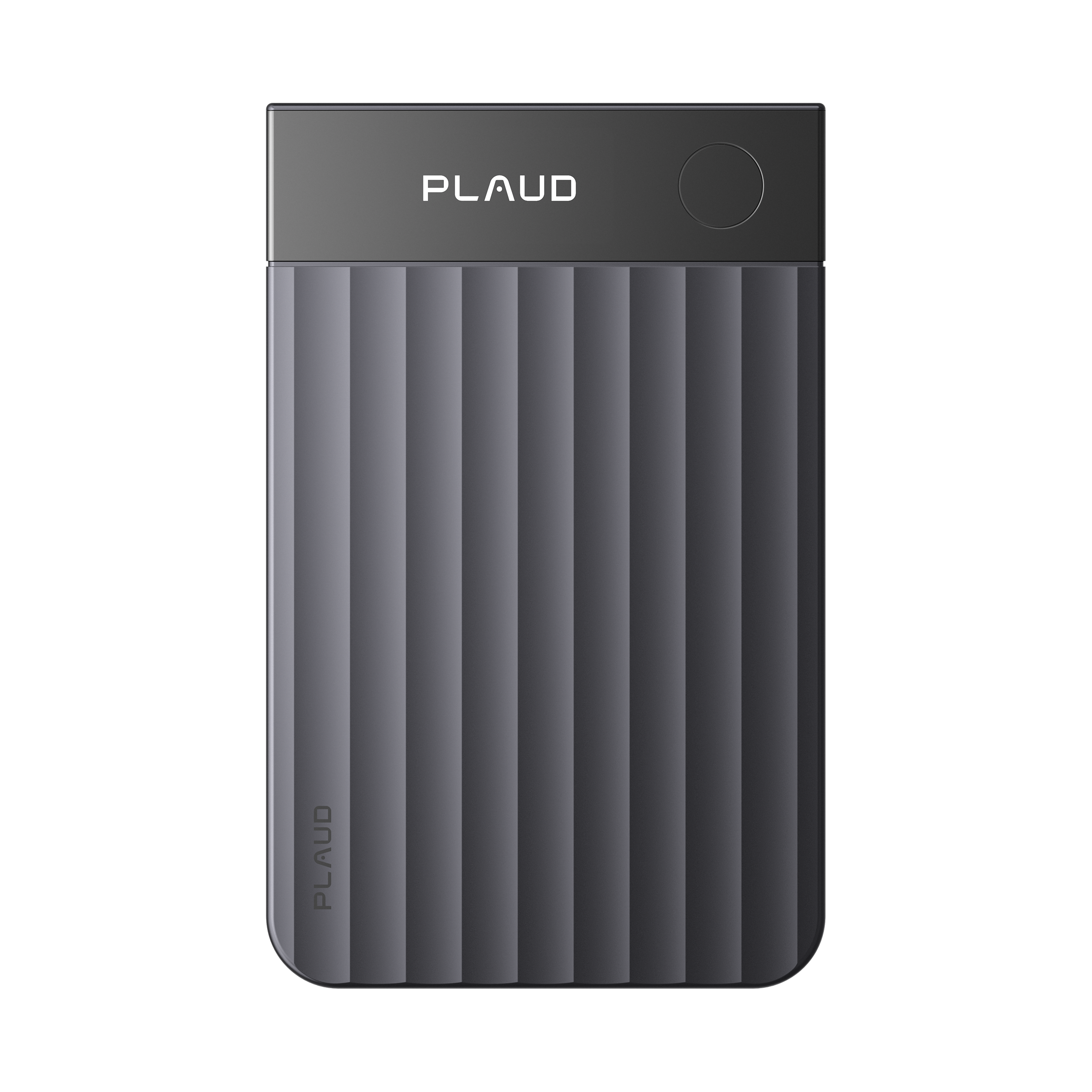
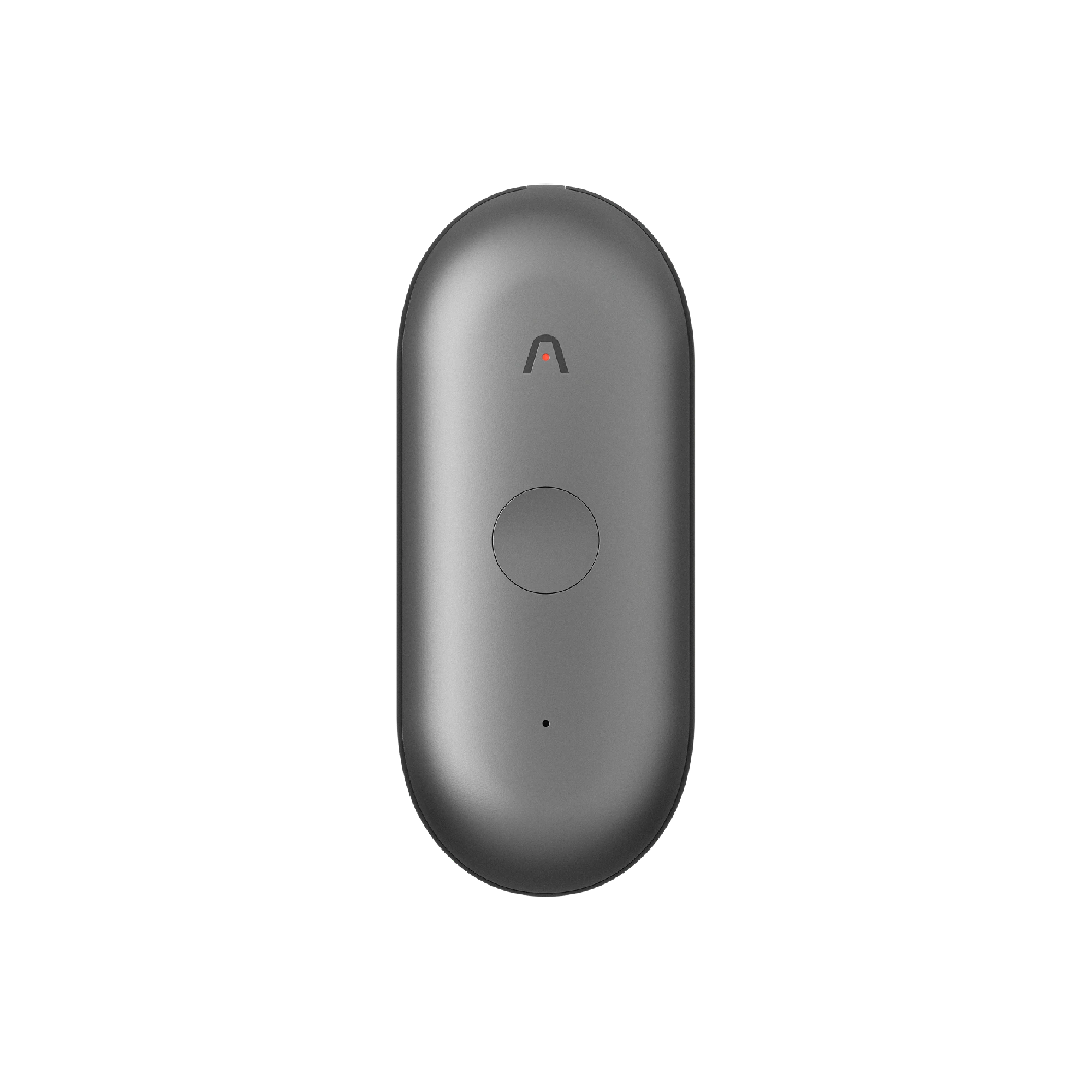
7. Plaud Note Pro
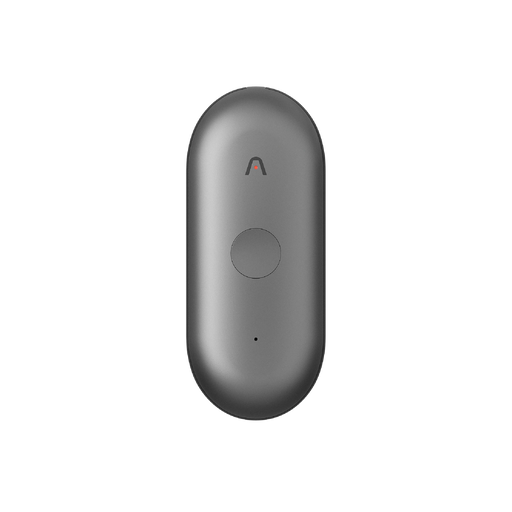
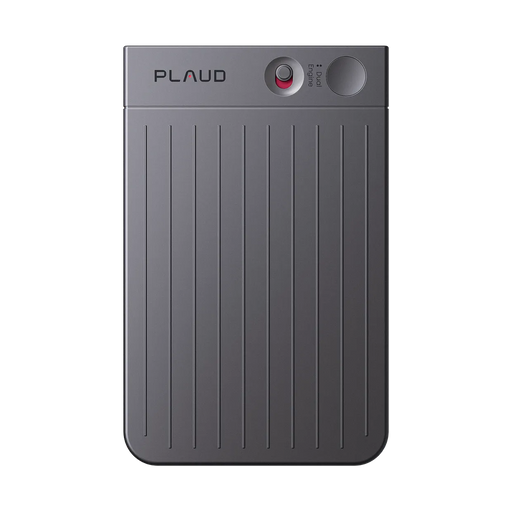
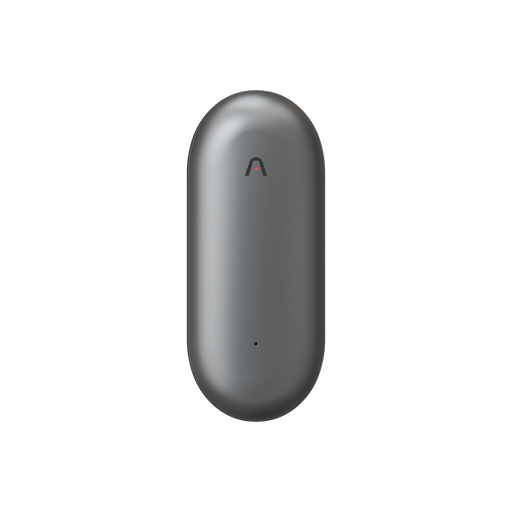
 Plaud Note Pro adopta un enfoque diferente al de las seis plataformas anteriores: un anotador de IA físico en lugar de un bot que se une a una reunión virtual. Todas las demás plataformas de esta lista comparten la misma limitación estructural, solo ven las conversaciones que ocurren a través de una pantalla, y Plaud Note Pro existe específicamente para cubrir lo que se les escapa.
- Características clave: grabación inteligente de modo dual que detecta automáticamente si se trata de una llamada telefónica o una conversación en persona, cuatro micrófonos MEMS con formación de haces de IA para un audio claro hasta 5 metros (16.4 pies) de distancia, transcripciones y resúmenes en 112 idiomas a través de Plaud Intelligence, y Plaud Desktop para capturar reuniones en línea sin que un bot se una a la llamada. La inteligencia conversacional de Plaud para equipos de ventas empaqueta esto en plantillas de resumen específicas para ventas como BANT y MEDPICC.
- Ideal para: representantes y gerentes cuya semana incluye llamadas telefónicas o reuniones en persona junto con las virtuales, y que desean que esa mitad de sus conversaciones sea capturada y buscable en lugar de perdida.
- Precios: $189 por el dispositivo, que incluye un plan Plaud Starter gratuito (300 minutos de transcripción al mes). Hay planes de suscripción Pro e Ilimitado disponibles para un mayor volumen de transcripción.
- Puntos débiles: no ofrece análisis a nivel de equipo, puntuación de riesgo de acuerdos ni evaluación comparativa de representantes, y no se sincroniza de forma nativa con un CRM como lo hacen Gong o Fireflies. No es un reemplazo para una suite de inteligencia de acuerdos empresarial. La complementa para las conversaciones que esa suite no puede alcanzar.
Antes de grabar, tómese un momento para informar a los demás y obtener su aprobación.
Cómo evaluar una plataforma de inteligencia conversacional
- Cobertura. ¿Solo reuniones virtuales, o también llamadas telefónicas y conversaciones presenciales? Esta es la mayor diferencia funcional entre las siete plataformas anteriores.
- Integración con CRM. La sincronización nativa con Salesforce o HubSpot ahorra un paso manual. Un flujo de trabajo de exportación e importación es más lento pero mantiene la herramienta sencilla y económica.
- Profundidad del análisis. La puntuación de riesgo de acuerdos y la evaluación comparativa de representantes son importantes para un líder de operaciones de ventas que dirige un equipo grande. Un representante individual o un equipo de dos personas puede obtener más valor de una herramienta más ligera y económica que se utilice todos los días.
- Tiempo de incorporación. Algunas plataformas graban desde el primer día. Otras necesitan semanas de configuración antes de que un equipo las utilice de forma constante.
- Cumplimiento. Para las industrias reguladas, confirme las certificaciones ISO 27001, ISO 27701, GDPR, SOC 2, HIPAA y EN 18031 directamente en lugar de fiarse de lo que diga una página de ventas.
Adapte la plataforma a las conversaciones que necesita cubrir
La mayoría de las decisiones de compra de inteligencia conversacional comienzan con una lista de verificación de características, lo que tiende a hacer que todas las plataformas parezcan similares. Un punto de partida más útil es mapear dónde ocurren las conversaciones de su equipo: en llamadas virtuales programadas, por teléfono o en persona. Ese mapa señala la plataforma correcta más rápido que cualquier tabla comparativa, y generalmente señala más de una herramienta en lugar de un único ganador. Un líder de operaciones de ventas que usa Gong para llamadas virtuales aún puede estar perdiendo cada conversación que ocurre lejos de una pantalla, y esa brecha vale la pena cerrarla antes del próximo ciclo presupuestario en lugar de después.