
Veredicto rápido
El Plaud NotePin es un grabador de notas de IA portátil que captura conversaciones en persona con una sola pulsación y las convierte en transcripciones, resúmenes y elementos de acción a través de Plaud Intelligence. No graba llamadas telefónicas.
La calidad del resumen de IA y la facilidad de uso son sus puntos más fuertes. La precisión de la transcripción y la construcción del hardware son sólidas. La relación calidad-precio depende de la frecuencia con la que se grabe. El plan gratuito de 300 minutos es suficiente para usuarios ocasionales.
Cómpralo si asistes a reuniones presenciales con regularidad, grabas conferencias o quieres una forma manos libres de capturar ideas sobre la marcha.
Evítalo si necesitas grabar llamadas telefónicas (consulta Plaud Note Pro) o no estás preparado para una suscripción más allá de los 300 minutos gratuitos al mes.
Diseño y especificaciones: qué hay en la caja
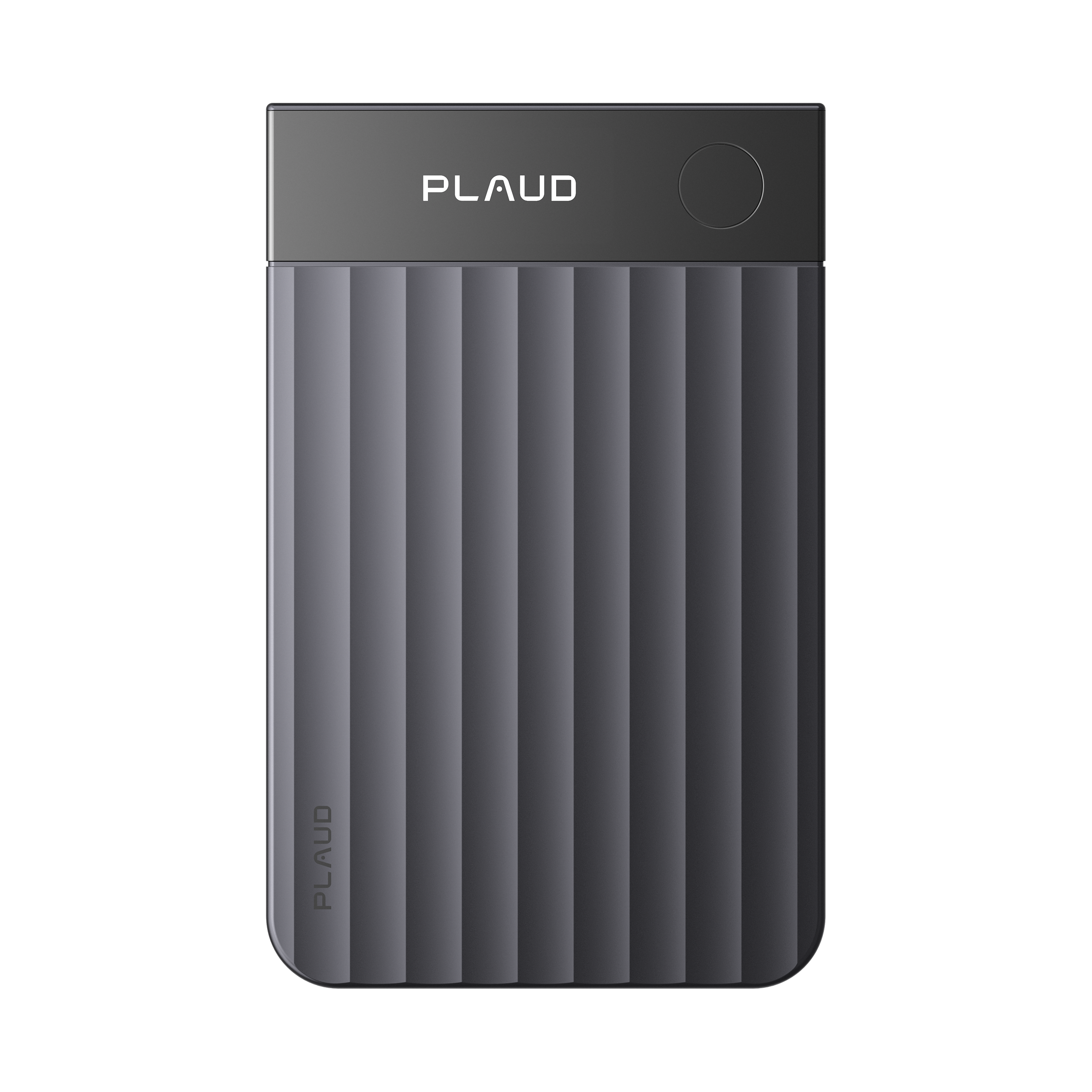
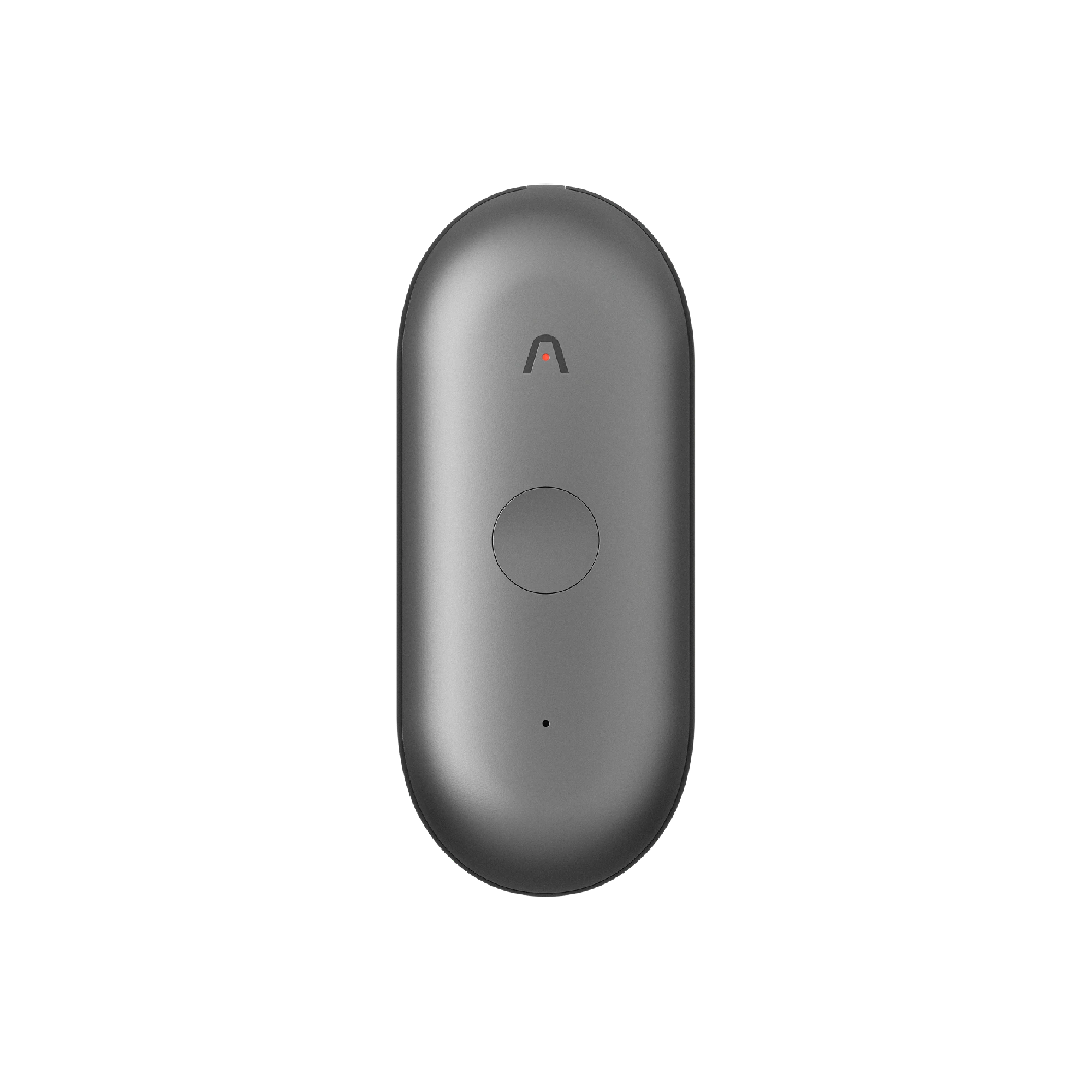
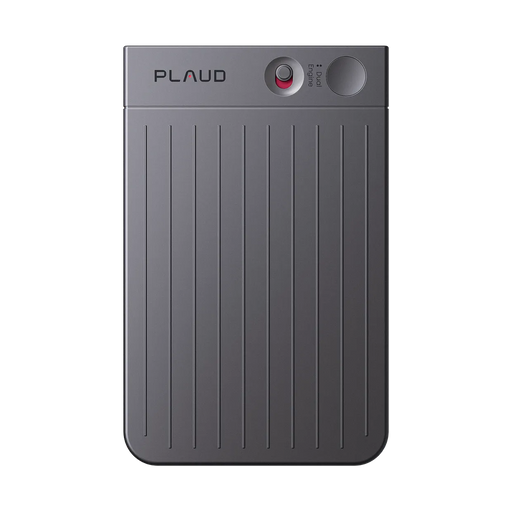
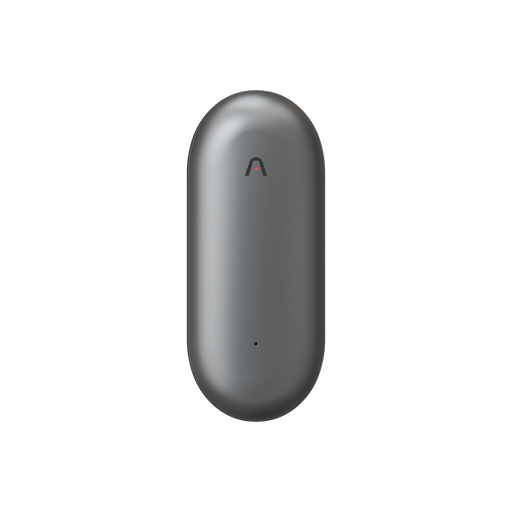
El Plaud NotePin se basa en una única idea: no estorbar. Con 16.6 g y aproximadamente el tamaño de una unidad flash, desaparece en un cuello, un bolsillo de camisa o una muñequera sin llamar la atención. La carcasa de aleación de aluminio y policarbonato se siente sólida. Los compradores verificados lo describieron constantemente como "similar a Apple" en cuanto a la calidad de construcción.
El kit estándar incluye un pin magnético, un clip, una base de carga y un cable USB-C. Una cosa que vale la pena saber de antemano: el cordón y la muñequera no están incluidos en la caja. Si quieres los cuatro estilos de uso, los compras por separado o pasas al Plaud NotePin S.
Especificaciones clave
| Dimensiones | 51 × 21 × 11 mm |
|---|---|
| Peso | 16.6 g / 0.59 oz (sin pin magnético) |
| Almacenamiento | 64 GB |
| Batería | 270 mAh · hasta 20 horas de grabación · 40 días en espera |
| Micrófonos | 2 MEMS |
| Conectividad | Bluetooth BLE 5.2 / Wi-Fi |
| Carga | Base de carga + USB-C |
| Buscar Mi (Apple) | Compatible |
| Colores | Gris Cósmico · Plata Lunar · Morado Atardecer |
¿Para quién es mejor? Cinco casos de uso de compradores reales
El factor de forma portátil de NotePin funciona en una gama más amplia de situaciones que una configuración de grabación basada en el teléfono. Estos cinco casos de uso provienen directamente de reseñas de compradores verificados.
Profesionales con muchas reuniones
El caso de uso más común, con diferencia: 139 reseñas mencionaron reuniones específicamente. El NotePin se sujeta antes de entrar en la sala y lo graba todo sin necesidad de colocar un teléfono sobre la mesa o abrir una aplicación a mitad de la conversación. Plaud Intelligence produce elementos de acción y un resumen estructurado a los pocos minutos de finalizar la reunión. Varios compradores dijeron que les ahorró una hora o más de su semana en la administración posterior a la reunión.

Estudiantes
Dieciocho compradores se identificaron como estudiantes, y las escenas de aula y conferencias aparecieron en 40 reseñas. El NotePin es menos llamativo que un teléfono en un escritorio y no requiere una gestión activa durante una conferencia. Un comprador lo compró para su hija en la universidad. Otro lo usó tanto en el trabajo como en la universidad el mismo día.
Captura de ideas y descargas cerebrales
El caso de uso que más claramente separa a NotePin del resto de la línea Plaud es la captura de ideas. Treinta y dos compradores describieron usarlo para capturar pensamientos sobre la marcha: durante caminatas, mientras conducen, entre reuniones. La calificación promedio en este grupo fue de 4.6 sobre 5, la más alta de cualquier segmento. Un comprador describió el flujo de trabajo: "Me grabo haciendo una descarga cerebral de problemas complejos y uso Plaud para resumir mis pensamientos; los resultados son tan claros y concisos que rara vez necesito editarlos".
Trabajadores de campo y profesionales móviles
Representantes de ventas, agentes inmobiliarios y técnicos en el lugar aparecieron en 25 reseñas. El hilo común: trabajo que se realiza fuera del escritorio, donde sacar un teléfono para grabar no es práctico. La batería de larga duración de NotePin y su formato portátil lo convierten en una opción natural para cualquiera cuyas conversaciones importantes ocurran en movimiento.

Compradores de regalos
Dieciocho reseñas mencionaron el NotePin como regalo. Esa es la cifra más alta de regalos en la línea de productos de Plaud. El tamaño compacto, la construcción de primera calidad y los tres colores lo convierten en uno de los regalos tecnológicos más considerados para un profesional o estudiante.
Cómo funciona: de la configuración al primer resumen
La configuración tarda unos cinco minutos. Descarga la aplicación Plaud, empareja el dispositivo por Bluetooth y ya estás listo para grabar. No hay pantalla, ni menú para navegar. Una pulsación inicia la grabación. Otra pulsación la detiene.
Una vez que te detienes, el audio se transfiere a la aplicación automáticamente. A partir de ahí, Plaud Intelligence toma el control. Transcribe la grabación en el idioma elegido, etiqueta a cada orador y genera un resumen basado en la plantilla que selecciones. Una reunión de una hora suele producir una transcripción completa, las decisiones clave y una lista de elementos de acción a los pocos minutos de finalizar la grabación.
La aplicación te ofrece una selección de modelos de IA (actualmente GPT-5, Gemini 2.5 Pro y Claude Sonnet 4) y acceso a más de 10.000 plantillas de resumen que cubren reuniones, entrevistas, conferencias, llamadas a clientes y mucho más. Ask Plaud te permite buscar y consultar todas tus grabaciones en lenguaje natural. AutoFlow gestiona las tareas de seguimiento y las exportaciones automáticamente.
Una cosa que debes saber antes de empezar: el Plaud NotePin utiliza un botón sensible a la presión en lugar de un clic físico. Un pequeño indicador LED muestra el estado de la grabación, pero varios compradores señalaron que puede ser difícil de leer con luz brillante. Si no estás seguro de si una grabación ha comenzado, consulta la aplicación. Confirma el estado de inmediato.

Pros y contras
Lo que los compradores elogian constantemente
Los resúmenes de IA son la característica más destacada. De 664 reseñas, 122 compradores mencionaron específicamente la calidad del resumen. Esto es más que cualquier otro tema. Las transcripciones llegan rápido, los resúmenes están estructurados y son procesables, y la biblioteca de plantillas de la aplicación cubre la mayoría de los casos de uso profesionales de forma predeterminada.
La facilidad de uso quedó en segundo lugar, con 121 menciones. La configuración es mínima, el flujo de grabación no requiere atención una vez iniciado, y la aplicación está lo suficientemente pulida como para que la mayoría de los compradores fueran productivos en la primera sesión.
La calidad de audio y la construcción del hardware completan los aspectos positivos. El chasis de aluminio se siente de primera calidad, el clip magnético es seguro en la mayoría de las telas, y la compatibilidad con Apple Find My añade tranquilidad para un dispositivo tan pequeño.
Lo que los compradores señalan como problemas
La fiabilidad del dispositivo es digna de mención. Treinta y siete compradores (alrededor del 5% de la muestra) informaron de unidades que no se cargaban, dejaban de responder o no grababan nada. La mayoría de los problemas se resolvieron mediante un reinicio o contactando con el soporte técnico. Plaud ofrece una devolución sin motivo de 30 días y una garantía de un año, por lo que estás cubierto si tu unidad tiene un problema de fábrica.
Los errores de transcripción representaron 36 quejas, estrechamente relacionadas con el entorno y la ubicación, como se explica en la siguiente parte. Seguir la recomendación de colocación a la altura del cuello resuelve la mayoría de estos casos. El cable de carga magnético provocó 32 quejas, la mayoría relacionadas con la sensación de holgura de la conexión con el tiempo.
El precio de la suscripción también es un tema común entre los compradores. El plan gratuito Plaud Starter incluye 300 minutos de transcripción al mes. Para la mayoría de los compradores, eso es suficiente. Para aquellos que transcriben más, el tiempo ahorrado en las notas posteriores a la reunión hace que el plan de pago valga la pena.
Precisión de transcripción e IA: pruebas en el mundo real
Entre 664 compradores verificados, 116 elogiaron específicamente la precisión de la transcripción. Treinta y seis informaron de problemas. La diferencia casi siempre se reduce a dos factores: el entorno y la ubicación.
Dónde funciona bien
En entornos silenciosos o moderadamente ruidosos, la precisión es consistentemente alta. Un comprador grabó una conversación en un café concurrido y notó que el NotePin "captó mi voz y la voz de la mujer al otro lado de la mesa sin problemas". En salas de reuniones estándar, las transcripciones suelen capturar los turnos de los oradores de forma clara, con Plaud Intelligence asignando etiquetas a cada participante.

El soporte multilingüe en 112 idiomas funciona bien cuando la grabación se mantiene en un solo idioma. Las conversaciones en idiomas mixtos (cambiando a mitad de frase entre inglés y otro idioma) pueden introducir errores. Para cualquier cosa que se vaya a enviar a un cliente o se vaya a publicar, una lectura rápida vale la pena.
Dónde tiene dificultades
El NotePin utiliza dos micrófonos MEMS. Cuando se lleva a la altura del cuello, la captación es fuerte. En el bolsillo de una chaqueta o dentro de una bolsa, la calidad del audio disminuye y los errores de transcripción aumentan. Varios compradores informaron de audio amortiguado cuando el dispositivo no se llevaba cerca del altavoz. La solución es sencilla: sujétalo a la altura del cuello y la diferencia es significativa.
Para obtener los mejores resultados: engánchalo a la altura del cuello, lo más cerca posible de tu boca según la situación. Evita llevarlo suelto en un bolsillo durante la grabación activa.
Identificación del orador
La aplicación admite el etiquetado de oradores. Asigna nombres después y Plaud Intelligence los asigna a la transcripción. Funciona de forma fiable en entornos individuales y de grupos pequeños. Para obtener los mejores resultados con las etiquetas de oradores, mantén las reuniones con dos o tres personas. En salas más grandes con habla superpuesta, las etiquetas son menos consistentes.
Precios y suscripción: ¿vale la pena el costo?
El Plaud NotePin cuesta $159. Eso cubre el hardware por completo. No se requiere suscripción para grabar y almacenar audio localmente. La pregunta de la suscripción solo surge cuando se quiere que Plaud Intelligence transcriba y resuma las grabaciones.
Cada dispositivo se envía con el plan Plaud Starter sin cargo: 300 minutos de transcripción de IA al mes, indefinidamente. Para contextualizar, 300 minutos cubren aproximadamente cinco horas de reuniones. Si grabas una hora al día durante una semana laboral estándar, usarás alrededor de 100 minutos. El plan gratuito es suficiente para una gran parte de los usuarios.
Si grabas más, hay dos niveles de pago disponibles.
| Plan | Precio | Transcripción | Mejor para |
|---|---|---|---|
| Plaud Starter Plan | Gratis | 300 min / mes | Usuarios ligeros, ≤5h reuniones/mes |
| Plaud Pro Plan | $99.99 / año | 1,200 min / mes | Usuarios regulares, hasta 20h/mes |
| Plaud Unlimited Plan | $239.99 / año | Ilimitado | Usuarios avanzados, 3h+ diarias |
¿Cuánto te cuesta la suscripción?
La forma honesta de pensarlo: si te actualizas al plan Plaud Pro, tu costo del primer año es de $258.99 (dispositivo más suscripción). A partir del segundo año, es de $99.99 anuales. El plan Unlimited eleva el costo del primer año a $398.99.
Si vale la pena o no depende de cuánto tiempo dediques actualmente a las notas posteriores a la reunión. La calculadora de ROI de Plaud en plaud.ai/pages/roi-calculator pone los números en términos concretos basándose en tus horas de reunión y tarifa por hora. Tres escenarios dan una idea del rango:
| Usuario | Reuniones / día | Tarifa por hora | Tiempo ahorrado / mes | Valor ahorrado / mes | Recuperación del plan Pro |
|---|---|---|---|---|---|
| Profesional de oficina | 2 horas | $50 | 7 horas | $350 | 3.5 días |
| Estudiante | 1 hora | $20 | 3.5 horas | $70 | Plan gratuito suficiente |
| Ventas / consultor | 4 horas | $80 | 14 horas | $1,120 | 3 días |
Para cualquiera que grabe dos o más horas de reuniones al día, el plan Plaud Pro suele amortizarse en las primeras semanas de uso.
Plaud NotePin vs. NotePin S: ¿cuál deberías comprar?
Los dos dispositivos son idénticos en tamaño, capacidad de IA, calidad de transcripción, rango de captación, duración de la batería y almacenamiento. La diferencia de precio de 20 $ se traduce en tres cosas específicas, y una de ellas no se puede añadir al NotePin posteriormente.
Lo que añade NotePin S por 20 $
La diferencia más significativa es "Pulsar para resaltar". En el NotePin S, una pulsación corta durante la grabación marca el momento actual como importante. Plaud Intelligence luego encabeza el resumen con esos momentos marcados, para que nunca tengas que revisar una grabación completa para encontrar la parte que importaba. Esta es una característica a nivel de hardware. No está disponible en el NotePin a ningún precio.
La segunda diferencia es el propio botón de grabación. El NotePin S tiene un botón físico táctil. El NotePin utiliza una superficie sensible a la presión sin clic. Ninguno es mejor en términos absolutos, pero los usuarios que desean una confirmación física clara de que la grabación ha comenzado tienden a preferir el NotePin S.
La tercera diferencia es lo que viene en la caja. NotePin S se envía con los cuatro accesorios: pin magnético, clip, cordón y pulsera. El NotePin estándar incluye solo el pin magnético y el clip. Si quieres la pulsera o el cordón con el NotePin, los compras por separado.
Lo que permanece igual
Ambos dispositivos funcionan con Plaud Intelligence. La precisión de la transcripción, la calidad del resumen, la biblioteca completa de plantillas, Ask Plaud, AutoFlow y todas las funciones de IA son idénticas en ambos. El rango de captación es de 3 metros en cada uno. La duración de la batería es de 20 horas de grabación continua con 40 días en espera. El almacenamiento es de 64 GB. Apple Find My es compatible en ambos.
Cuál elegir
Elige el NotePin S si asistes a reuniones o conferencias estructuradas donde marcar los momentos clave en tiempo real cambiaría la forma en que revisas las notas después. La actualización de $20 tiene sentido si "Pulsar para resaltar" se ajusta a tu flujo de trabajo.
Elige el NotePin si revisas las grabaciones después y no necesitas resaltes en el momento, ya tienes un cordón o una pulsera, prefieres el diseño de botón sensible a la presión más limpio, o simplemente quieres mantener los costos bajos. A $159 frente a $179, el NotePin ofrece la misma experiencia de Plaud Intelligence: todas las funciones de IA, la misma calidad de transcripción, el mismo rango de captación, por $20 menos.
Ninguno de los dos dispositivos graba llamadas telefónicas. Si la grabación de llamadas es parte de tu flujo de trabajo, el producto adecuado es Plaud Note Pro.
Privacidad y seguridad: lo que necesitas saber
Plaud cuenta con certificaciones en seis marcos principales de seguridad y privacidad: ISO 27001, ISO 27701, GDPR, SOC 2, HIPAA y EN 18031. Tus grabaciones están cifradas según los estándares de seguridad globales y permanecen privadas para ti. Los datos se almacenan en nubes regionales (EE. UU., UE, Singapur y Japón), por lo que tu audio permanece dentro de la jurisdicción de tu región. Plaud no utiliza tus grabaciones para entrenar modelos de IA.
Dicho esto, la transcripción y el resumen de IA requieren que tu audio se procese en la nube. Si tu organización tiene políticas estrictas sobre la grabación de conversaciones o el envío de audio a servidores de terceros, verifica tus requisitos de cumplimiento internos antes de implementar el NotePin en el trabajo.
Antes de grabar, tómate un momento para informar a los demás y obtener su consentimiento. Gracias por ser consciente de la privacidad y las leyes locales.
Veredicto final: ¿vale la pena el Plaud NotePin?
Para la mayoría de las personas que se hacen esta pregunta, la respuesta se reduce a dos cosas: con qué frecuencia grabas y si el plan gratuito cubre tus necesidades.
Si asistes a reuniones presenciales con regularidad, grabas conferencias o quieres una forma manos libres de capturar ideas a lo largo del día, el NotePin se gana su precio de 159 $ solo por la calidad del hardware y la IA. La construcción es premium, Plaud Intelligence cumple su promesa principal y el 75 % de los 664 compradores verificados lo calificaron con cuatro o cinco estrellas. Para los usuarios ocasionales que se mantienen dentro de los 300 minutos al mes, el costo total se detiene en 159 $ sin necesidad de suscripción.
Para los usuarios habituales que graban más, el Plan Plaud Pro de 99,99 $ al año eleva el total del primer año a 258,99 $. Con dos horas de reuniones al día, el tiempo ahorrado en la documentación posterior a la reunión suele cubrir ese coste en las primeras semanas. Si desea calcular los números para su propia situación, la calculadora de ROI de Plaud en plaud.ai/pages/roi-calculator le ofrece una estimación personalizada basada en sus horas de reunión y su tarifa por hora.
Hay dos aspectos que conviene conocer antes de comprar: la fiabilidad del dispositivo y el precio de la suscripción. Los problemas de fiabilidad afectan a una pequeña minoría de unidades y están cubiertos por la política de devolución de 30 días y la garantía de un año. El precio de la suscripción solo es un problema si subestima su volumen de grabación antes de comprar. Conocer su uso de antemano elimina la mayoría de los problemas.