Audio transcription · How-to guide

How to transcribe audio recordings into text

Most people run into two problems when transcribing audio: the words are wrong, or no one knows who said what. These are separate problems, and different tools solve them differently. This guide covers every method so you can pick the right one.

Plaud Note Pro beside a laptop showing an audio recording transcriptBest for accurate transcription with speaker labels

Quick answer

4 steps to transcribe audio recordings into text

Deciding what you need first saves time. Accuracy and speaker identification are two separate requirements that determine which method to use.

1. Decide what you need: accurate text, speaker labels, or both

Accurate text and speaker labels are two different features. A tool can transcribe words correctly but produce a single block of undifferentiated text. Speaker diarization splits that block by speaker. Knowing which you need before you start prevents picking the wrong tool.

2. Choose your method: free tool, AI transcription service, or a hardware AI recorder

Free tools such as YouTube auto-captions work for low-stakes notes but give inconsistent results and rarely include speaker labels. AI transcription services such as Otter.ai or Descript deliver better accuracy and offer diarization at paid tiers.

3. Upload your audio file or sync your device to the app

For software-based tools, upload the audio file to the service. For a hardware AI recorder such as Plaud Note Pro, open the Plaud App and sync the device. Transcription runs through Plaud Intelligence.

4. Review the transcript, correct any errors, then export

Check the output for words that were misheard, especially names and technical terms. Correct speaker labels if any were misattributed. Export to your preferred format: plain text, PDF, or a structured summary.

See full method comparison ↓

Methods

Which transcription method matches your needs

Compared on transcription accuracy, whether speaker labels are included, whether an upload is required, and what the cost model looks like.

Free tools (YouTube auto-captions, DownSub, BuzzCaptions)

Low barrier, no sign-up for some options. Accuracy is inconsistent, especially for accents, technical terms, or overlapping speech.

Speaker labels
No
Accuracy
Inconsistent

AI transcription service (Otter.ai, Descript, Fireflies)

Good accuracy for clear audio. Speaker diarization is available but typically locked behind a paid plan.

Speaker labels
Paid tier only
Accuracy
Good

ChatGPT audio upload

Reasonable accuracy for single-speaker recordings. Does not identify multiple speakers. Session file-size limits apply.

Speaker labels
No
Accuracy
Reasonable

AI recorder (Plaud Note Pro with Plaud Intelligence)

High accuracy using four MEMS microphones. Speaker diarization is included at no extra cost. No upload required for on-device recordings.

Speaker labels
Yes, included
Accuracy
High

Based on publicly available product information and common transcription workflows. Always obtain consent from all participants before recording any conversation and follow local recording laws.

Tips

Transcription accuracy and speaker labels are two separate problems

Most transcription attempts fail for one of three reasons: the words are wrong, no one knows who said what, or the process takes too long to be useful.

Check whether speaker labels are available at your plan level before you commitSpeaker diarization is almost always the first feature removed from a free tier.
Sensitive recordings may not be appropriate for cloud uploadMany AI transcription services process audio on third-party cloud infrastructure. A hardware recorder that transcribes on-device removes this concern.
Free tools produce inconsistent results on accented speech and technical vocabularyYouTube auto-captions and similar tools are trained on broad datasets. Accuracy drops on regional accents, domain-specific terms, and overlapping speakers.
A transcript that arrives hours later often goes unusedBatch processing queues mean the transcript may not be available until the meeting context has faded.

The faster way

How Plaud Note Pro transcribes audio without the upload step

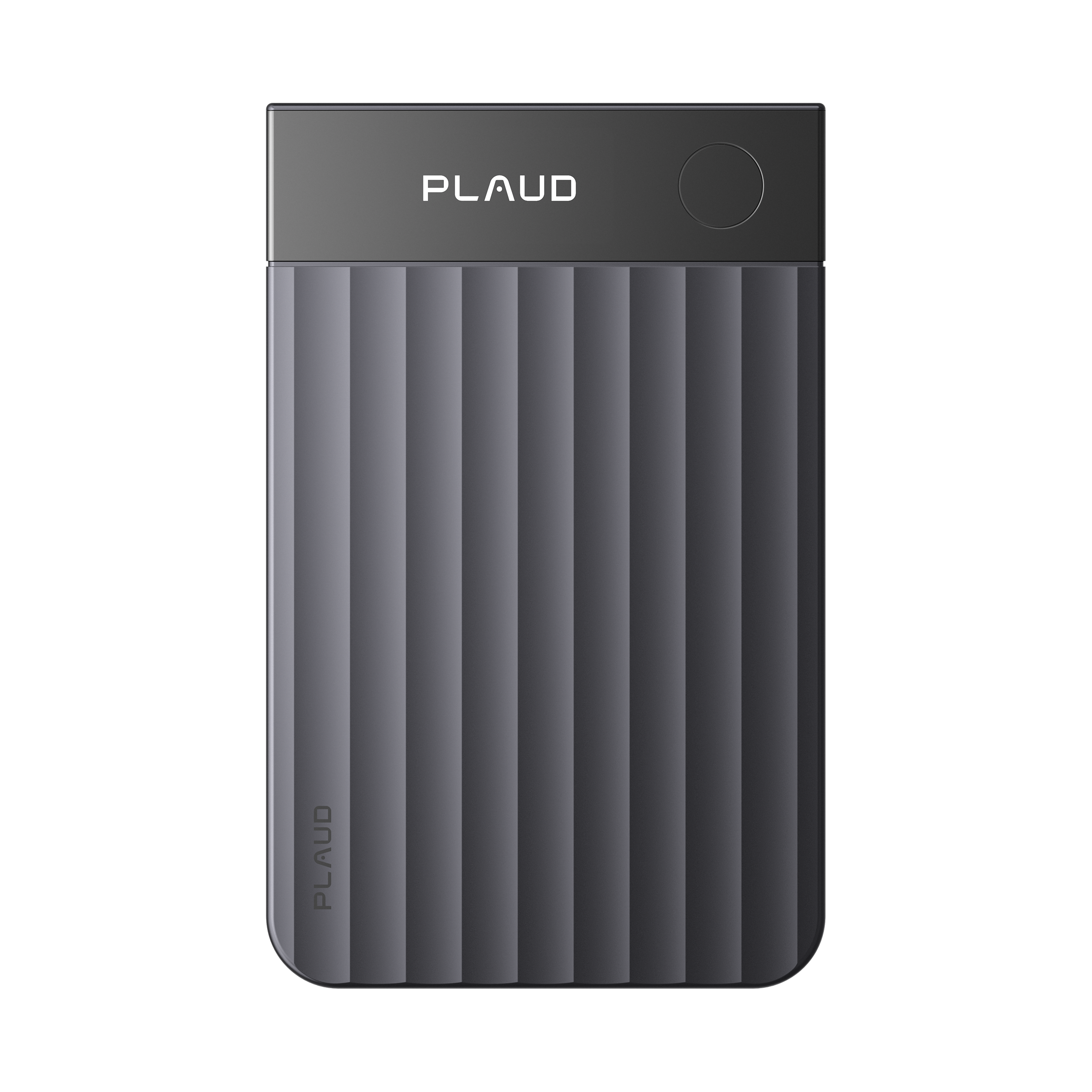
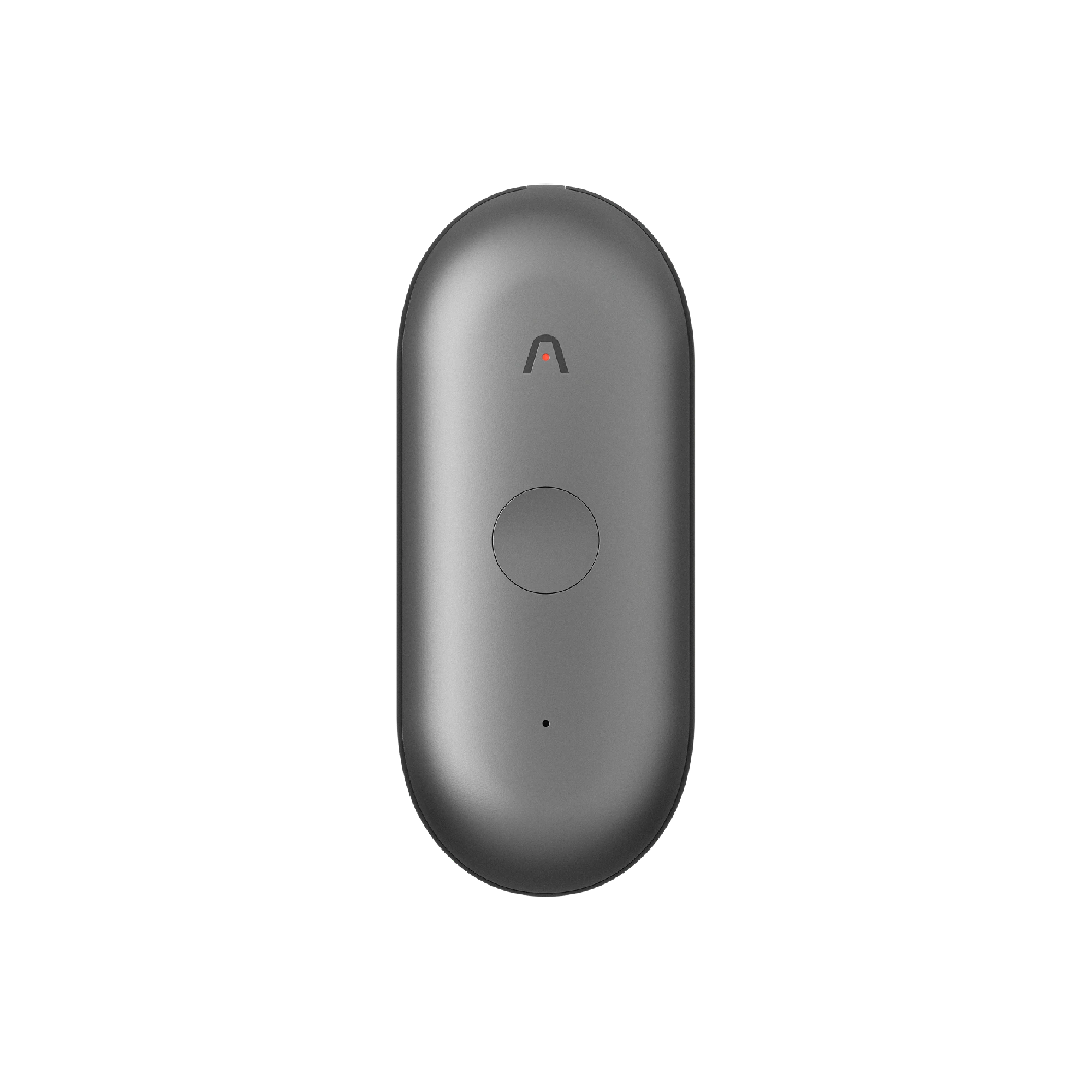
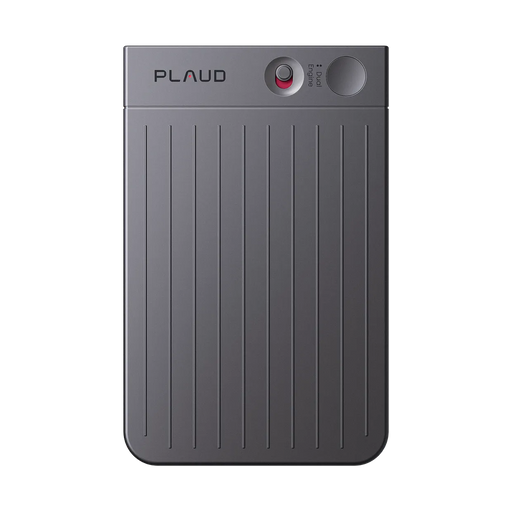
Plaud Note Pro is a magnetic AI voice recorder that uses four MEMS microphones and Plaud Intelligence to generate a speaker-labeled transcript automatically. No audio upload is required for recordings made on the device.

  • Speaker diarization includedFour MEMS microphones capture all speakers clearly. Plaud Intelligence labels each speaker without a paid upgrade.
  • No upload requiredYour audio stays on the device until you sync to the Plaud App. No third-party cloud upload.
  • Instant transcript at syncThe transcript is ready when you open the Plaud App after a session. No processing queue to wait for.
Plaud Note Pro

Plaud Note Pro

The world's most advanced physical AI note taker. Four MEMS mics, automatic speaker diarization, and instant transcription at sync. No upload step.

4 MEMS mics · Speaker diarization included · No upload for on-device recordings · Instant transcript at sync · Up to 30 hours recording
Microphones4 MEMS mics
Thickness2.99 mm thin
Recording timeUp to 30 hours
Get Plaud Note ProCompare all methods

Plaud Note Pro vs Plaud Note

Plaud Note Pro for multi-speaker recordings where attribution matters. Plaud Note for solo recordings, voice memos, and single-person dictation.

Plaud Note Pro

Plaud Note Pro

The world's most advanced physical AI note taker with speaker diarization included.

★★★★★4.9(151)
  • 4 MEMS mics, speaker diarization included
  • No upload required for on-device recordings
  • Instant transcript at sync
  • Up to 30 hours recording
$189.00
Buy Plaud Note Pro
Plaud Note

Plaud Note

Best for solo recordings, voice memos, and lectures where a single speaker needs a clean, fast transcript.

★★★★★4.9(1019)
  • Credit-card-sized design
  • Syncs to Plaud App for transcription
  • Up to 20 hours recording
  • Works for lectures, personal notes, and voice memos
$159.00
Shop Plaud Note

Frequently asked questions

Is there an AI that can transcribe audio recordings?

Yes. Several AI tools transcribe audio recordings. Browser-based services like Otter.ai and Descript accept file uploads and return a transcript. Plaud Note Pro uses Plaud Intelligence to transcribe recordings made on the device without requiring an upload.

Is there a device that can transcribe audio to text?

Yes. Plaud Note Pro is a hardware AI voice recorder that transcribes audio automatically when you sync it to the Plaud App. It uses four MEMS microphones and includes speaker diarization at no extra cost.

Can ChatGPT transcribe audio to text?

ChatGPT can transcribe an audio file if you upload it in a supported session. It handles single-speaker recordings reasonably well. It does not identify multiple speakers, and session file-size limits apply.

What is the difference between transcription accuracy and speaker labels?

Transcription accuracy means getting the words right. Speaker labels mean knowing which person said each line. These are two separate features. Many services include basic transcription at the free tier but charge extra for diarization.