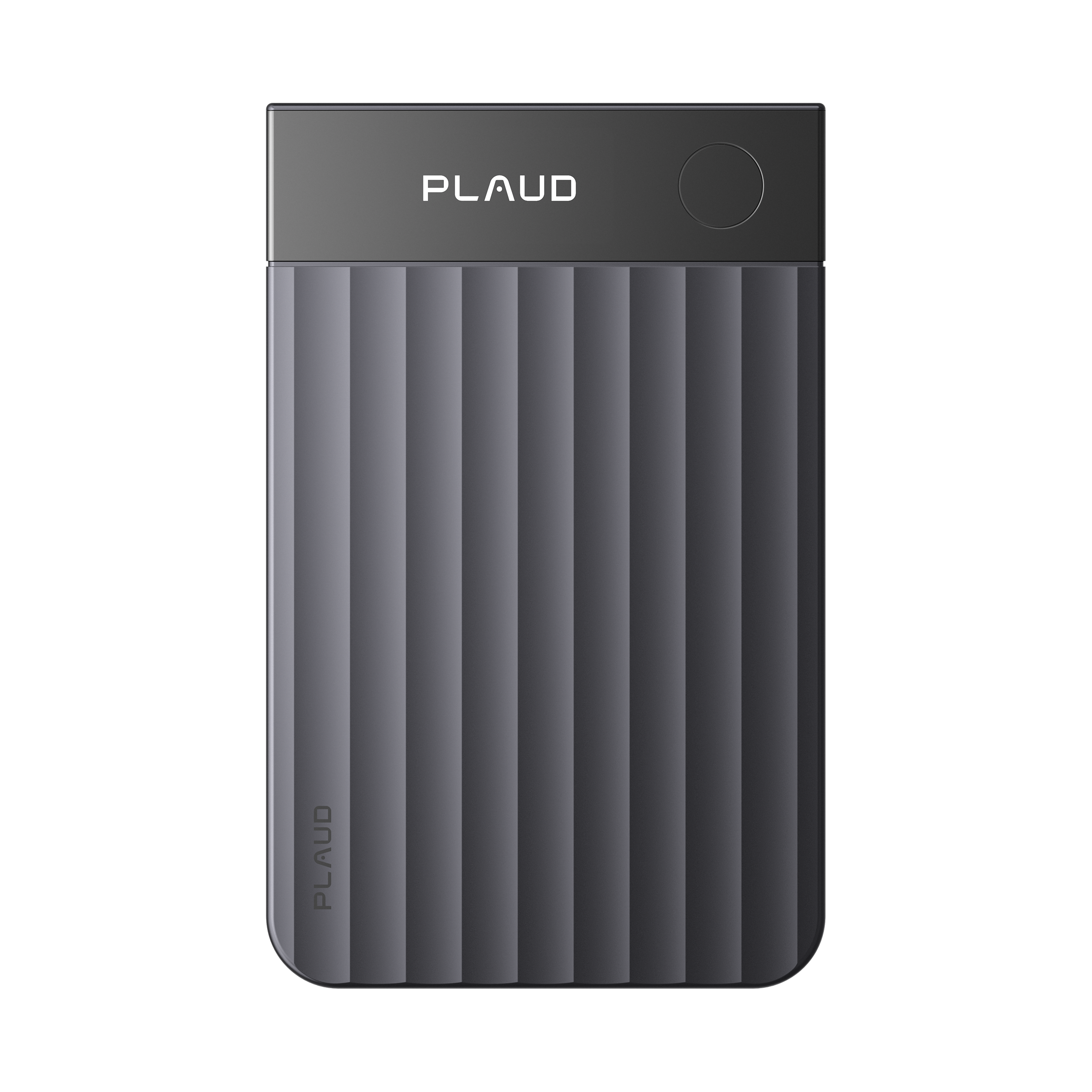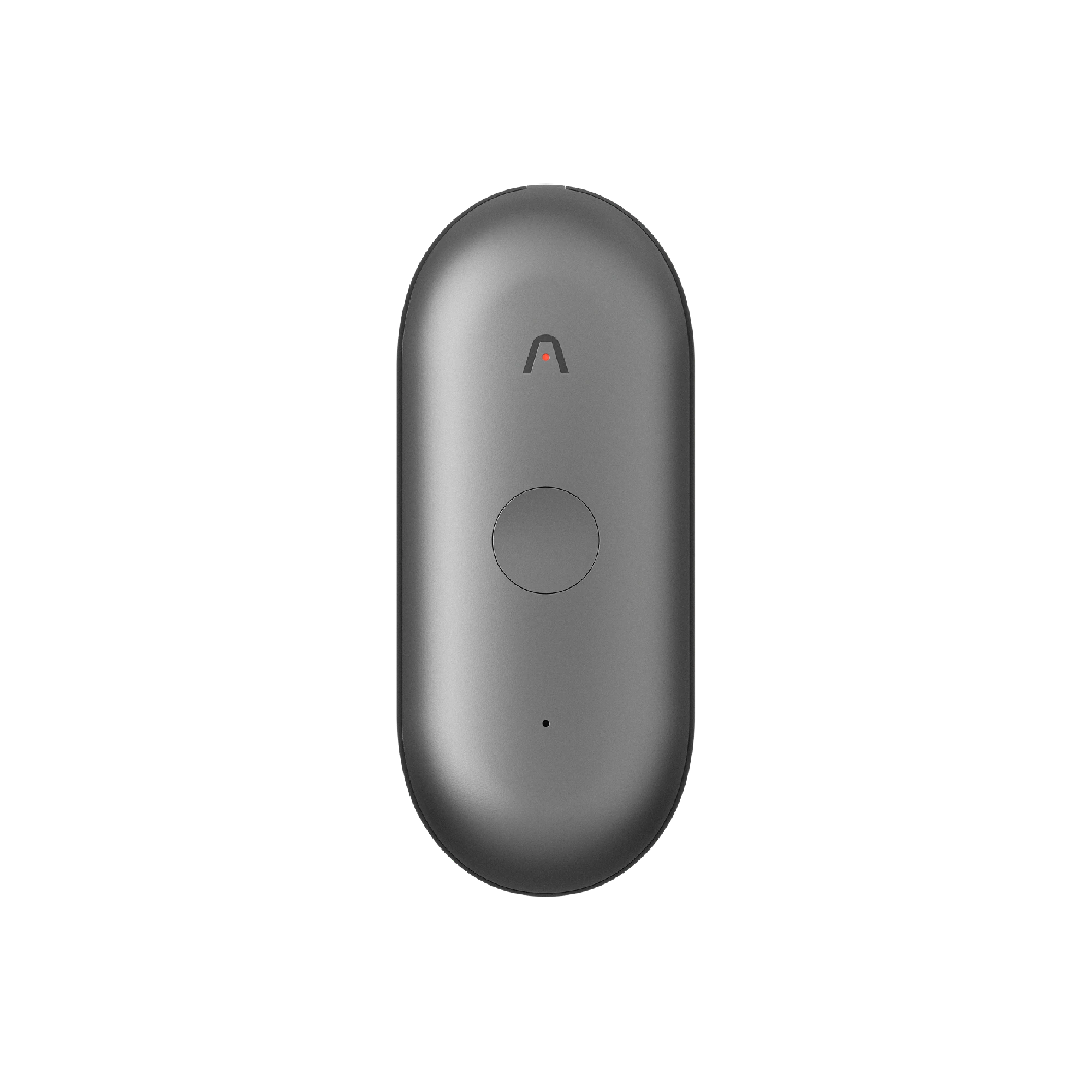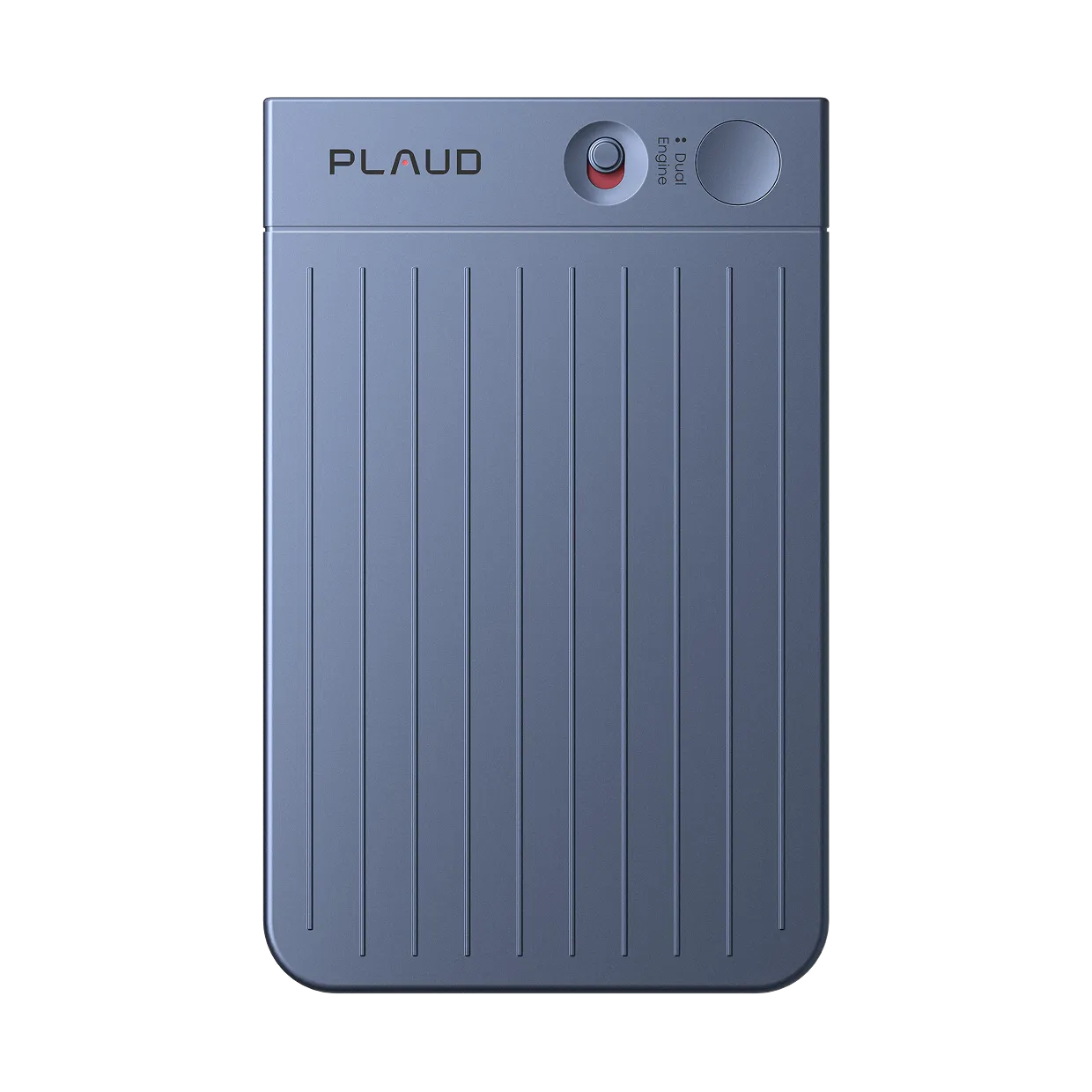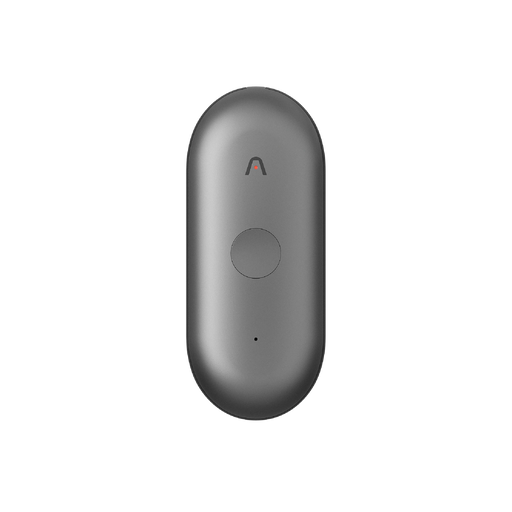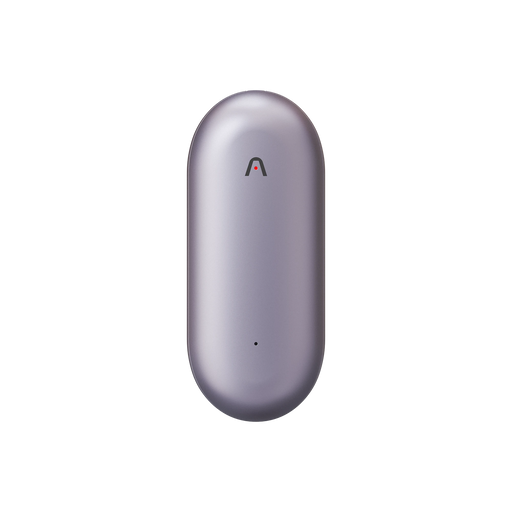

HeyPocket is the company behind Pocket, a small AI recorder that clips or magnetically attaches to the back of a phone and turns meetings, calls, and in-person conversations into transcripts, summaries, and action items. It launched out of Y Combinator's Winter 2026 batch and has grown fast enough that "is HeyPocket legit" and "is Pocket AI worth it" are now common searches on their own. Here is what the record shows.
Where Pocket's traction and backing stand
Pocket is built by Open Vision Engineering, founded by Akshay Narisetti and Gabriel Dymowski. The company closed an $11 million round in June 2026 from Accel, Y Combinator, and a group of individual backers that includes Vercel's Guillermo Rauch and ElevenLabs co-founder Mati Staniszewski. TechCrunch's coverage of the round put unit sales above 130,000 devices, numbers that put Pocket ahead of most first-year hardware startups in this category.
That kind of traction answers the "is this a real company" question. It does not automatically answer whether the device is a good fit for how you work, which is the more useful question to dig into.
Is HeyPocket legit? What the reviews show across platforms
Yes, on the basic question of legitimacy. Pocket ships real hardware, has an active support team, and its review record has grown fast alongside its sales. On Trustpilot, the company has climbed from a few hundred reviews earlier in 2026 to roughly 2,500 by early August, holding steady at 4.7 to 4.8 out of 5, with about 89 percent of reviewers giving five stars and roughly 4 percent giving one star. On the Apple App Store, the companion app carries a 4.9 out of 5 rating from more than 3,400 ratings under the developer name Open Vision Engineering, which matches the company behind the hardware.
The pattern holds across both platforms. Most reviewers praise the summaries, the ease of setup, and, notably, support response times once a ticket is picked up. The recurring complaints cluster around three things: shipping and delivery running longer than expected, occasional device resets needed to reconnect, and the Pocket Pro subscription price feeling steep next to the free tier's limits. An independent review roundup of HeyPocket feedback flagged the same reliability themes: processing delays during busy periods, inconsistent cloud sync, and mind maps some users found hard to read or export. None of this points to a scam or a fake product. It points to a young hardware company still smoothing out its operations while demand outpaces what a six-person team can fully support.
On the product itself, the picture is more mixed than the marketing page suggests. One widely shared Reddit thread that surfaces for HeyPocket searches described the hardware as solid but called the AI output underwhelming, with speaker separation, mind maps, and summaries that did not match what was said. That is one thread, not a scientific sample, but it lines up with the broader pattern above: people are generally happy with the recording itself and less consistently happy with how well the AI turns that recording into something usable.
Where HeyPocket does well, and where it does not
Pocket's strongest points are genuinely strong. The device is small, snaps on with MagSafe or an included adhesive ring, and Open Vision Engineering advertises up to 15 meters of pickup range and roughly four days of battery on active use. Basic transcription and summaries come with the hardware and do not require an ongoing subscription, which is a real point of difference from most software-first competitors.
The gaps show up in four places. First, Pocket has no native way to join a Zoom, Google Meet, or Microsoft Teams call. The documented workaround is joining the meeting on your phone while Pocket records the ambient audio in the room, a manual step rather than automatic capture. Second, reviewers report the device occasionally needing a manual reset to reconnect, and phone call audio quality that is less consistent than in-person recording. Third, Pocket's published terms point to US-based cloud storage without a named GDPR data processing agreement or formal certifications like SOC 2 or ISO 27001, which matters if you record anything regulated or sensitive.
Fourth, and worth flagging separately for anyone in a client-facing profession, legal commentary in 2026 has named consumer AI recorders like Pocket directly when discussing attorney-client privilege risk. The concern is that once a conversation goes through a third-party AI vendor's cloud for transcription and summary, a court may find no reasonable expectation of confidentiality if that vendor's terms allow human review or secondary use of the data, which can undermine a claim of privilege later. This is not unique to Pocket. It applies to most cloud-based AI note-takers, but it is a real factor for lawyers, doctors, and consultants deciding whether to record sensitive conversations with any device that lacks named data-handling certifications. 
What HeyPocket costs in 2026
Pocket's hardware currently sells for around $99 to $129 during its ongoing launch promotion, against a $199 list price, with free shipping and a 30-day return window. The free tier covers standard-accuracy transcription and a capped Ask Pocket assistant. The paid Pocket Pro tier runs about $16.59 a month billed yearly (roughly $199 a year), or close to $20 a month billed monthly, and unlocks higher-accuracy transcription, unlimited history, and full export formats. An Enterprise tier with SSO, audit tools, and admin controls is available on custom pricing.
How HeyPocket compares if you're weighing Plaud Note Pro
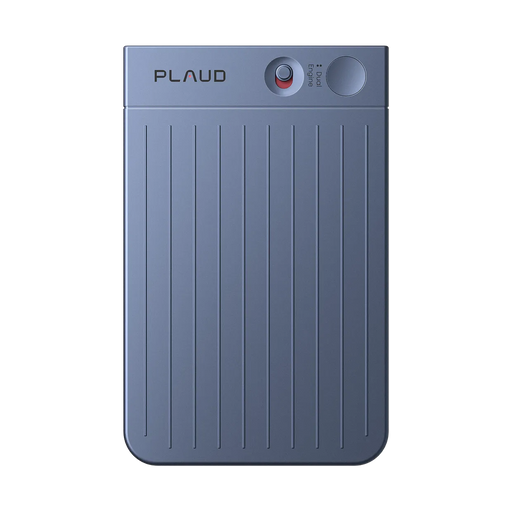
If in-person capture and phone calls matter more to you than the price of entry, Plaud Note Pro is worth putting next to Pocket before you decide. It uses the same basic idea, a device that attaches to the back of a phone or sits on a table, with 4 MEMS microphones and AI beamforming rated to capture clear audio up to 16.4 feet away, and up to 50 hours of recording in Endurance mode. Smart dual-mode recording detects on its own whether you're on a call or in a room with other people, and Plaud Intelligence turns that audio into transcripts and summaries across 112 languages.
| Feature | Pocket (HeyPocket) | Plaud Note Pro |
|---|---|---|
| Price | $99 to $129 during launch pricing, $199 list | $189, includes a free Starter plan |
| Microphones | 2 studio mics, 1 contact mic | 4 MEMS mics with AI beamforming, 1 VPU |
| Rated pickup range | Up to 49 feet (15 meters) | Up to 16.4 feet (5 meters) |
| Continuous recording | Up to 4 days of active use | Up to 30 hours (Enhance), up to 50 hours (Endurance) |
| Storage | 64GB onboard, plus cloud | 64GB onboard |
| Transcription languages | 120+ | 112 |
| Native online meeting capture (Zoom, Teams, Meet) | No, manual workaround only | Yes, through Plaud Desktop |
| Published compliance certifications | Not published as of this writing | ISO 27001, ISO 27701, GDPR, SOC 2 Type II, HIPAA, EN 18031 |
| Subscription for advanced AI features | Pocket Pro, about $17 to $20 a month | Pro Plan from $8.33 a month billed yearly |
| Warranty and returns | 1-year warranty, 30-day returns | 1-year warranty, 30-day returns |
The numbers favor Pocket on raw microphone range and battery life, and favor Plaud Note Pro on published compliance and pickup consistency at typical meeting-room distances, where AI beamforming does more to filter background noise than distance alone.
The clearest difference shows up with online meetings. Plaud Desktop adds native capture for Zoom, Google Meet, and Teams calls, recording system audio directly without the manual join-on-your-phone step that Pocket, and most phone-attached recorders, still require. On the compliance side, Plaud publishes ISO 27001, ISO 27701, GDPR, SOC 2 Type II, and HIPAA-aligned certifications that can be checked and verified, rather than described only in marketing language.
Plaud Note Pro costs $189 with a free Starter plan covering 300 minutes of transcription a month, ahead of a Pro plan at $99.99 a year. If you want the fuller side-by-side against Pocket and two other wearable recorders, the HeyPocket alternatives comparison breaks that down feature by feature.
Pick based on what your week looks like. If most of your recording happens in person or on phone calls and you want the lower entry price, Pocket covers that well. If online meetings are a real part of your work, or you need certifications like SOC 2 or HIPAA on file for procurement or compliance reasons, Plaud Note Pro closes both of those gaps. 
Weigh the reviews against your own use case
The Trustpilot numbers and the funding round both point to a real, growing company rather than a scam or a vaporware project. Where HeyPocket earns more mixed marks is in the AI output on some recordings and in the logistics around shipping and support. If those gaps matter to your work, especially online meetings or regulated conversations, it is worth comparing Pocket against a few alternatives before you order. Plaud Note Pro is a solid place to start that comparison, with native online meeting capture and published compliance certifications built in from day one.