Freed AI is an ambient AI medical scribe that listens to a patient visit and turns it into a structured clinical note. It was founded in 2023 by former Meta engineer Erez Druk, whose wife is a family physician, and it has grown into one of the most widely used scribes among independent clinicians and small practices, backed by a $30 million Series A led by Sequoia Capital. This review covers what Freed AI does, what it costs in 2026, where it holds up, and where it falls short.
How Freed AI works

A clinician presses record at the start of a visit, either in person or over telehealth, and Freed AI listens in the background. After the encounter ends, it transcribes the conversation and generates a structured note, typically in SOAP format (Subjective, Objective, Assessment, Plan), within one to two minutes.
The clinician reviews and edits the draft before it becomes part of the official record. Freed AI supports more than 90 languages with automatic detection, and it always writes the final note in English regardless of which language was spoken during the visit. Over time, the AI adapts to a clinician's phrasing, structure, and preferred templates based on the edits they make.
For getting notes into the patient's chart, Freed AI offers EHR Push: a Chrome extension that lets a clinician send a finished note into any browser-based EHR, such as Practice Fusion, SimplePractice, Athenahealth, or eClinicalWorks, without an IT team or a custom integration. It is worth being clear about what this is. EHR Push automates the transfer into a web-based EHR field. It is not a native API write-back into a system like Epic or Cerner, and practices on desktop-only EHR clients still copy and paste.
Freed AI pricing
Freed AI runs four tiers as of 2026.
| Plan | Price | Notes |
|---|---|---|
| Starter | $39/month | Capped at 40 notes per month |
| Core | $79/month | Unlimited notes, template builder, AI assistant. Monthly billing only |
| Premier | $104/month billed annually, or $119/month billed monthly | Adds EHR Push, suggested ICD-10 codes, visit summaries, and referral letters |
| Groups | Custom quote | For multi-clinician practices, with admin and onboarding support |
A few details matter more than the sticker price. The Starter plan's 40-note cap sounds workable until you run the math. A primary care physician seeing 15 to 25 patients a day will hit that ceiling in the first few days of the month, which pushes most practicing clinicians toward Core at $79 a month for unlimited notes. Coding support is gated further up the ladder. Suggested ICD-10 codes require Premier, and suggested CPT codes are in beta on Premier only, so Starter and Core get no coding help at all.
Freed AI offers a 7-day free trial with no credit card required, and there is a 50% student discount on the monthly individual plan for clinicians in training. There is no permanent free tier. Once the trial ends, a paid plan is required to keep using the product.
Is Freed AI HIPAA compliant and safe to use
Yes. Freed AI publishes a HIPAA Business Associate Agreement (BAA) for clinicians on paid plans, holds SOC 2 Type II certification, and states that patient audio is not stored after a note is generated. Data is encrypted both in transit and at rest, and the company states its data residency is U.S.-only.
A HIPAA BAA is a standard contractual requirement any time a vendor processes protected health information on a covered entity's behalf, so it is worth confirming the agreement is in place before recording a real patient visit. The U.S. Department of Health and Human Services publishes the underlying requirement for business associate agreements if you want the primary source.
As with any tool that touches protected health information, get the patient's awareness and consent before recording a visit, in line with your state's and organization's policies. Before you record, take a moment to let others know and get their okay.
What Freed AI does well
Freed AI's biggest strength is how little setup it takes to get started.
- Fast setup. Clinicians report being live in under 10 minutes, with no IT department and no procurement process.
- Quick turnaround. Notes are typically ready one to two minutes after the visit ends, so a clinician can review and finalize between patients instead of stacking up a backlog.
- Note quality that improves with use. The model learns a clinician's phrasing and template preferences from their edits, and many users report starting from a note that is 85 to 90 percent complete.
- Broad EHR Push coverage. The Chrome extension–based push works with a wide range of browser-based EHRs, which matters most for solo practitioners and small practices without dedicated technical staff.
- A large, established user base. Freed AI has raised $34 million from investors including Sequoia Capital and serves more than 25,000 clinicians, which suggests a maturing product rather than an early-stage experiment.
Where Freed AI falls short
No scribe is a perfect fit for every practice, and Freed AI has some real limits worth knowing before you commit to a plan.
- No native EHR write-back. EHR Push is a sophisticated auto-fill through a browser extension, not a direct API integration. For high-volume practices on systems like Epic or Cerner, this can still feel manual compared to true native integrations.
- Feature-gating by tier. ICD-10 coding, referral letters, and visit summaries are locked behind the $119/month Premier plan (or $104/month billed annually). A clinician who only needs unlimited notes still pays for Core, and one who wants coding support pays considerably more.
- The Starter cap is easy to blow past. At 40 notes a month, most full-time clinicians will need Core within the first week.
- Accuracy varies by specialty. Note quality is generally strong for common visit types, but complex specialties, unusual medication names, and less common abbreviations sometimes need extra correction.
- Monthly-only billing on Core. Core, the tier most solo clinicians need for unlimited notes, has no annual discount, unlike Premier.
Who Freed AI is best for
Freed AI fits most naturally for solo clinicians and small to mid-size practices in family medicine, internal medicine, primary care, and mental health who want ambient documentation without an IT project. If your practice is already standardized on a browser-based EHR and mainly needs unlimited, well-structured notes, Core is usually the tier that makes sense. Mental health clinicians in particular tend to value the psychiatric and therapy-specific templates for capturing mental status exams and longer, more conversational sessions.
A practice with straightforward documentation needs and a clinician willing to spend a few minutes reviewing each note before it goes into the chart will get the most value here. That includes telehealth-only practices, since Freed AI records both in-person and virtual visits the same way.
Larger health systems evaluating enterprise-grade documentation with deep, native EHR integration, or practices that need billing automation, front-desk coverage, and clinical decision support in one platform, will likely find Freed AI's scope narrower than what they are shopping for. The same goes for practices on a desktop-only EHR client with no browser-based option, since EHR Push will not help and the workflow reverts to copy and paste.
Freed AI alternatives to consider

Freed AI sits in a crowded field of AI medical scribes, and the right comparison depends on what you are optimizing for.
- For deeper native EHR integration: enterprise scribes built around a specific EHR, such as those that integrate directly with Epic, tend to serve large health systems better than Freed AI's browser-based EHR Push, though usually at a much higher price point and with a longer implementation timeline.
- For a lower flat rate with fewer tiers: some newer entrants price a single plan with unlimited notes below Freed AI's Core tier, which can work out cheaper for a solo clinician who does not need coding support.
- For bundled practice tools: a handful of platforms combine scribing with front-desk automation, billing, and patient messaging in one subscription, which suits practices that want to consolidate vendors rather than add a documentation-only tool.
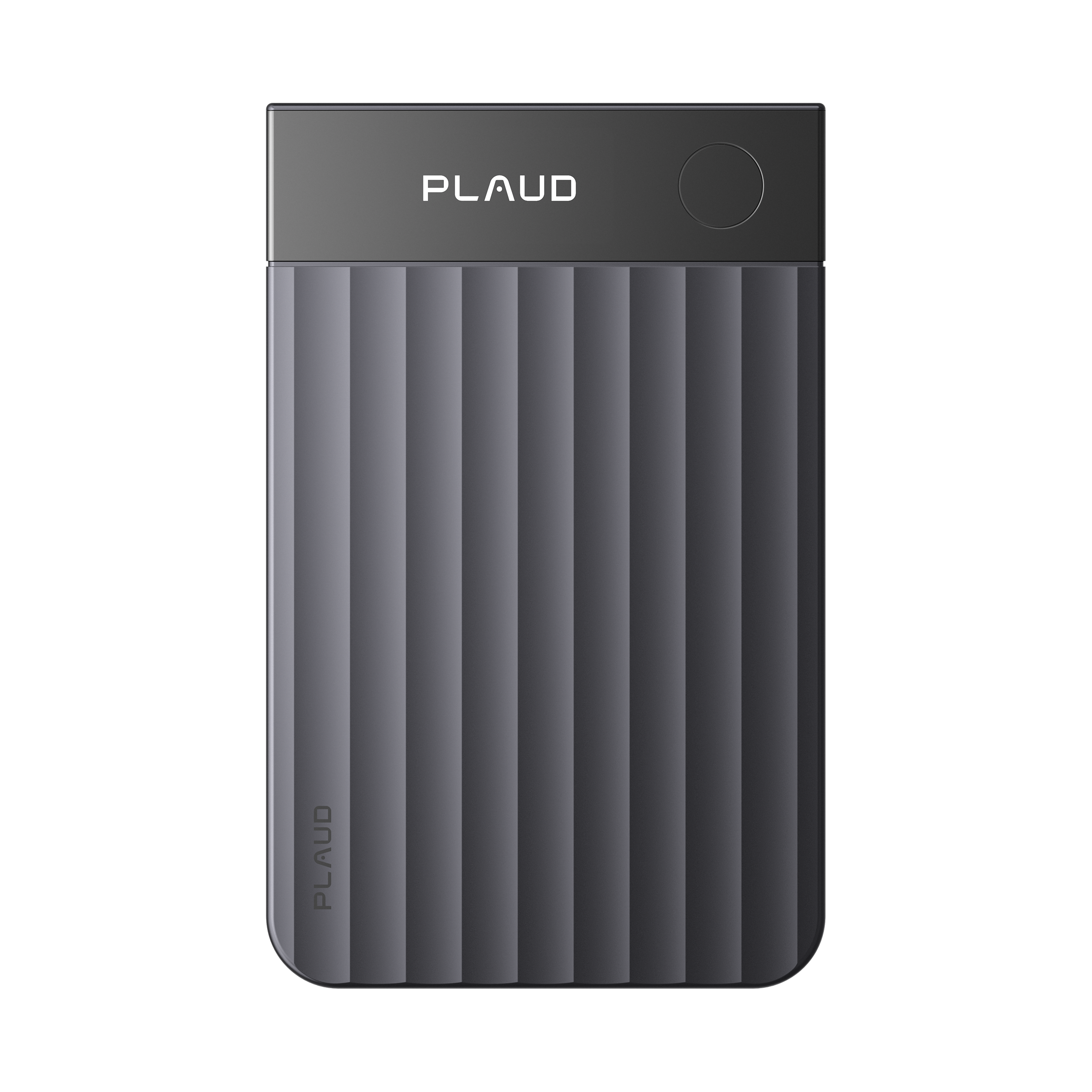
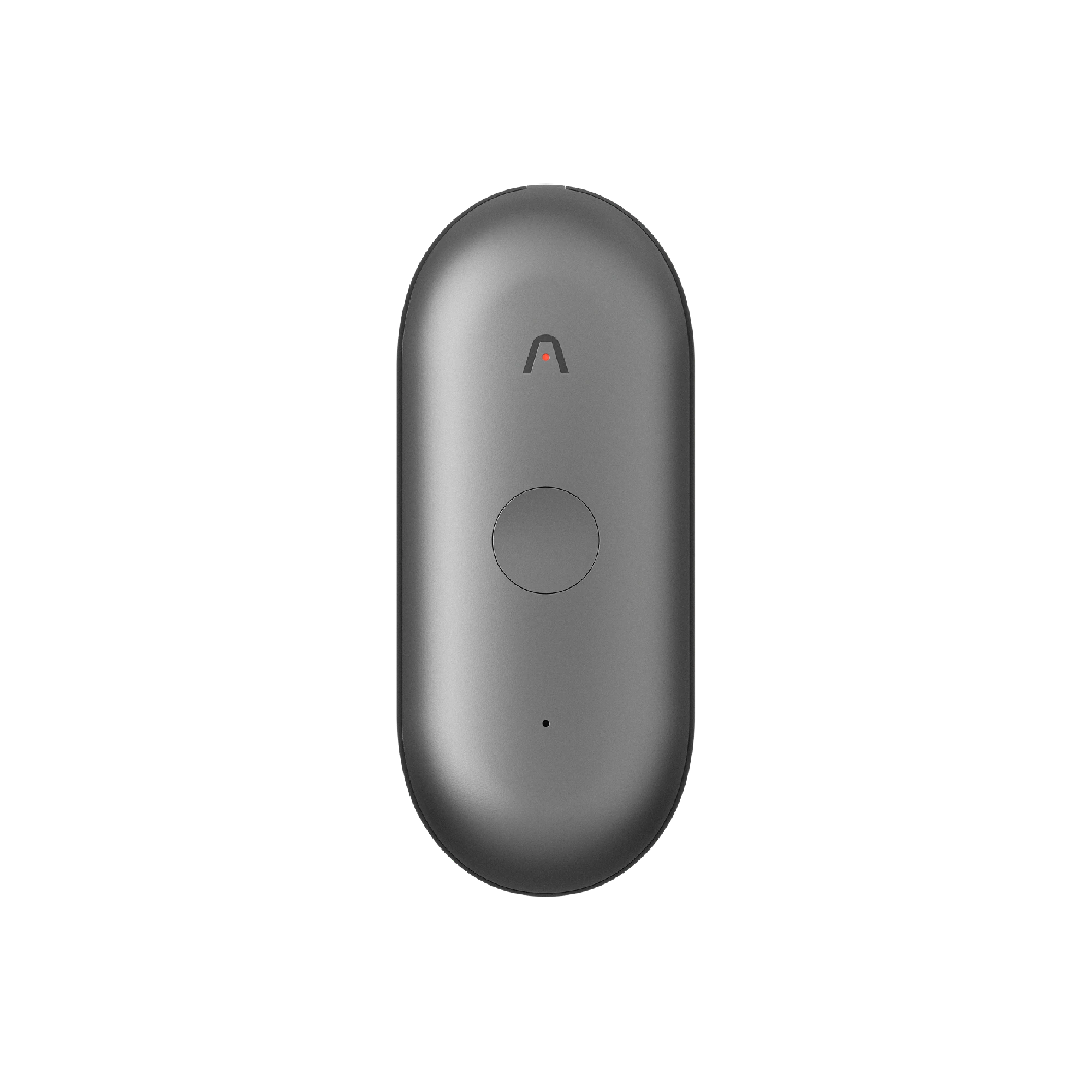
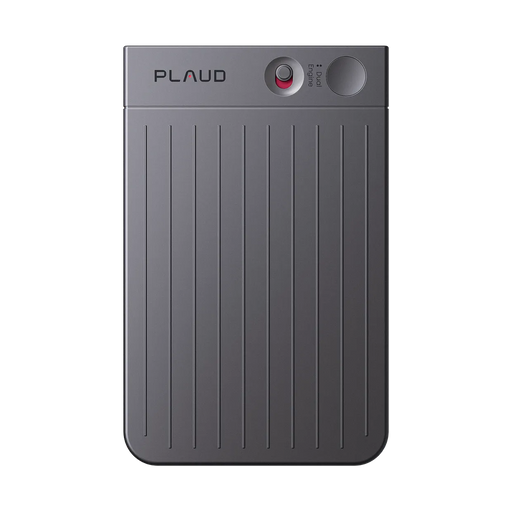
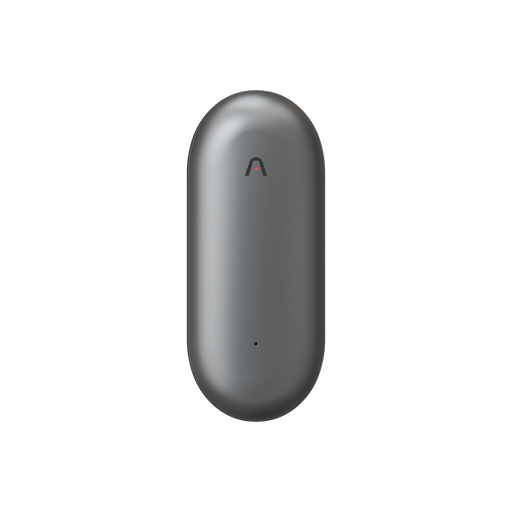
It is also worth noting that not every ambient note-taking tool is built exclusively for the exam room. Plaud NotePin S, a wearable AI note taker, takes a different approach to the same underlying problem. Instead of running through a browser extension tied to one workflow, it is a physical device worn as a magnetic pin, clip, wristband, or lanyard, so both hands stay free through an entire encounter. A clinician presses the tactile record button once at the start of a visit, gets up to 20 hours of continuous recording per charge, and Plaud Intelligence turns the audio into a structured note afterward, including SOAP, psychotherapy, and other clinical templates, across 112 languages with speaker labels.
A few things make this a genuinely different fit for healthcare rather than a repackaged consumer recorder:
- Compliance built for PHI, not bolted on. NotePin S inherits Plaud's full compliance set: HIPAA-aligned safeguards, SOC 2 Type II, ISO 27001 and ISO 27701, GDPR, and EN 18031 for the device's wireless communication. Data is encrypted in transit with TLS and at rest with AES-256, and it is never used to train AI models unless a clinician explicitly opts in.
- Press to Highlight for the moments that matter clinically. A short press during the visit flags a symptom, finding, or decision point in real time, so the AI weighs it more heavily in the summary instead of treating every sentence the same way.
- Multimodal context beyond audio. A clinician can snap a photo of a lab result, a rash, or a scan during the visit, and Plaud folds it into the same note alongside the transcript, which a pure audio scribe cannot do.
- MCP and CLI for querying your own notes. Plaud ships an official MCP server and CLI, so a clinician's AI assistant, in Claude, ChatGPT, or any MCP-compatible tool, can be asked to summarize last Tuesday's consults or pull every note that mentions a specific medication, without exporting files by hand first. This is a level of programmatic access that clinic-only scribes built around a single EHR extension typically do not expose.
- A capture layer, used alongside your EHR, not instead of it. Like Freed AI, Plaud does not yet offer native EHR write-back either, so both tools currently rely on the clinician to move the finished note into the chart. Where Plaud differs is that it captures conversations anywhere, not only at a desk with a browser open, which matters for ward rounds, bedside consults, and hallway conversations that a Chrome extension cannot reach.
Whichever direction you lean, run the same test on every option: confirm the price at your real note volume, check whether coding support is included or gated, and try it on actual visits during a free trial before signing an annual contract.
Match the tier to your caseload before you subscribe
The fastest way to overpay for Freed AI is picking a tier based on the homepage price instead of your actual visit volume. Count how many notes you write in a typical month, check whether you need ICD-10 coding, and use the 7-day free trial on real patient visits before committing to Core or Premier for a year.